Mwanza-Shinyanga and Meatu


Sato in Mwanza

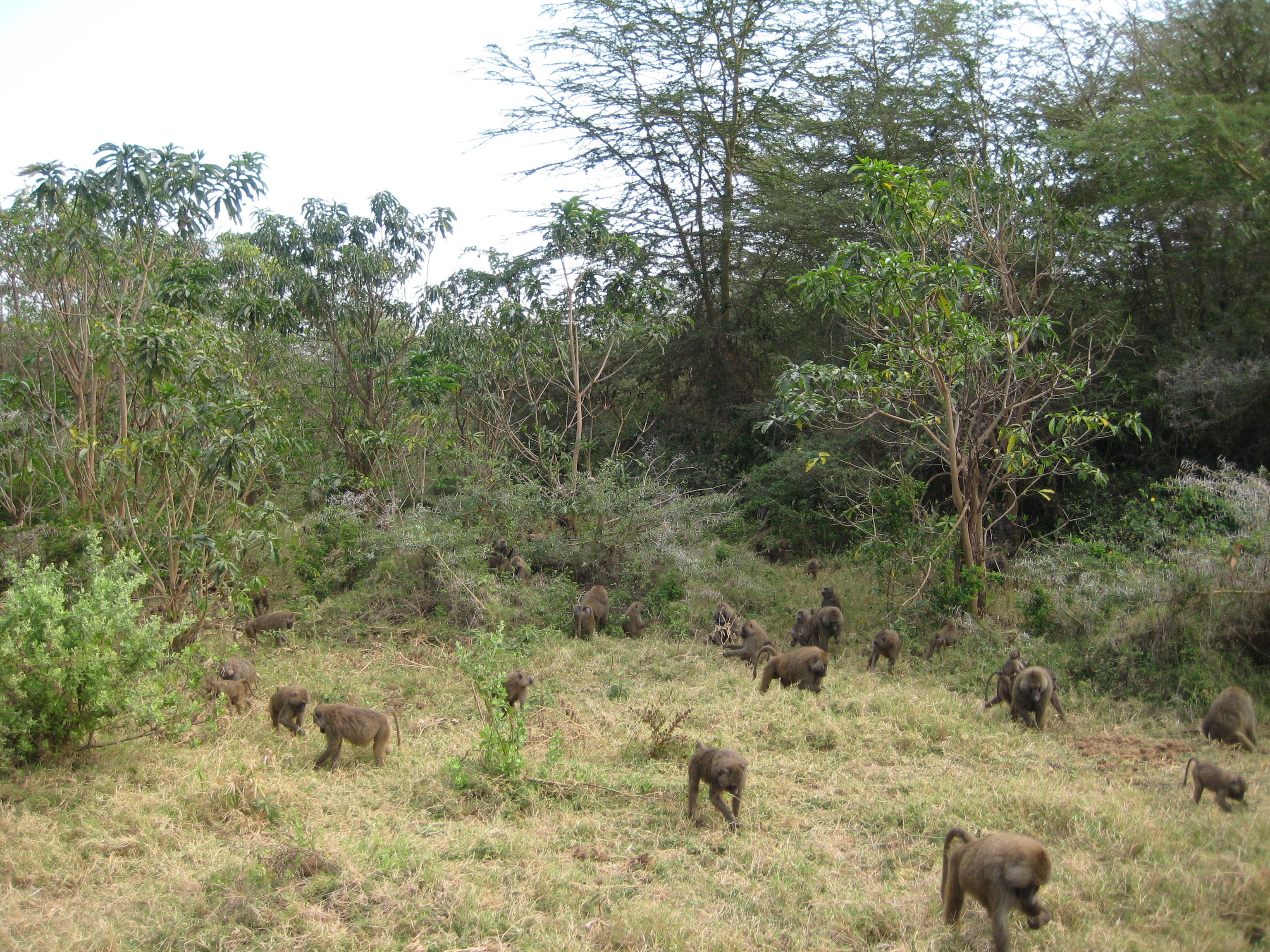
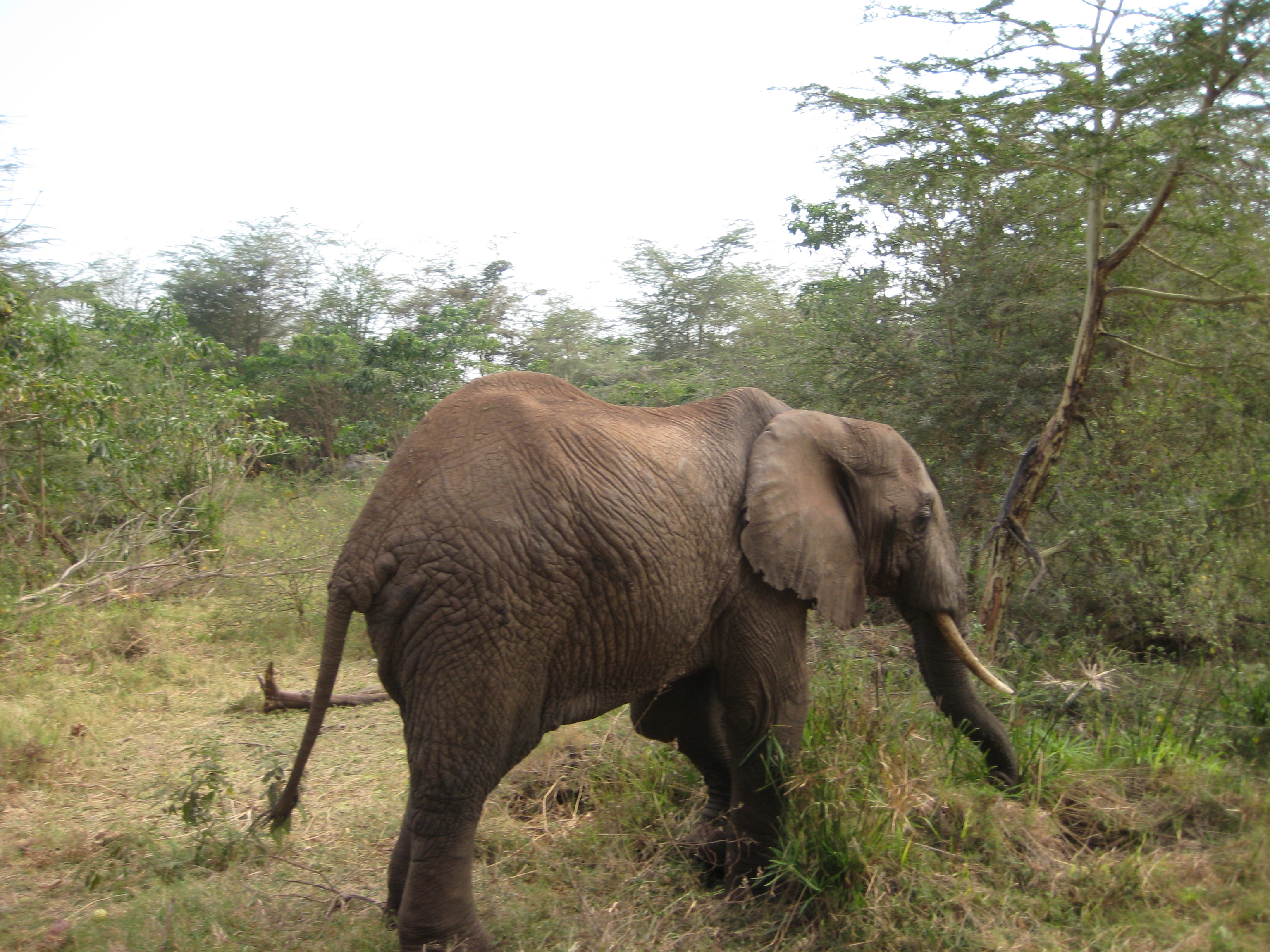
Sukumaland is simply amazing. The endless flatland with occasional hills and big rocks. The land is dry with sparsely intertwined trees. Farms and cattle. Cotton, cassava, and sorghum.  From the Rock City to Shy (Shinyanga) and down to the new district of Meatu. I am falling in love with this place.

To elaborate further. I spent a few days in Mwanza. I visited the Saa Nane Park, which is interesting for a very small park near the city. Then, I took off into the hinterland. First, I traversed and stopped in Shinyanga and then, moved on onto the real Sukuma district of Meatu.

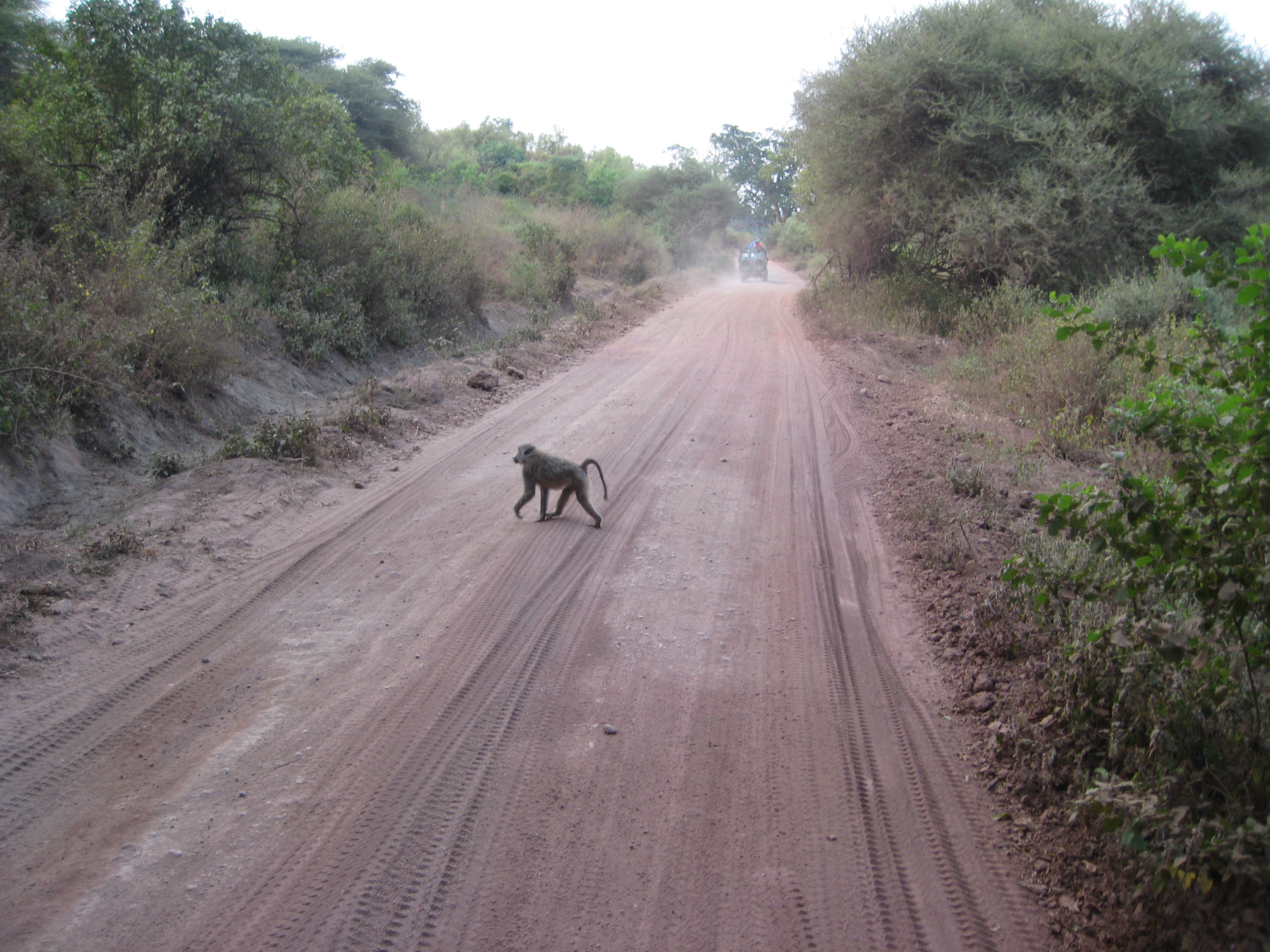
The journey was quiet good especially the Mwanza-Shinyanga tarmac road. The second leg of my journey from Shinyanga to Meatu was tiring as the roads were a little rough. However, the whole trip as a whole, worth all the pain.

I had some issues with cellular connectivity. Cell-phone connection was a bit shady. It was only functional reliably once you are on top of a tree. A very nice experience indeed. It requires you to use one hand holding on a tree branch and the other holding on a cell phone. Multitasking.

The areas I visited were very dry. I have never seen a drought such as this one. Very similar to southern Utah deserts. The Angel’s Landing and Bryce Canyon. The drought has also added to the already difficult life the village people endures. The rain did not come this year. Therefore, there are no harvests at all. There will be no maize, no cotton, and no any other type of food crops. I am definitely sure that a lot of villagers in these areas are going to die of hunger if no serious help are made available to them and sooner.

I was just in shock.  How dry the area was?  How do people live here? I am terribly shaken on how these people are going to feed their families, pay for their kids school fees, and all the other contributions that goes along with the free education system in Tanzania.

Somewhere along the Shinyanga -Meatu Road


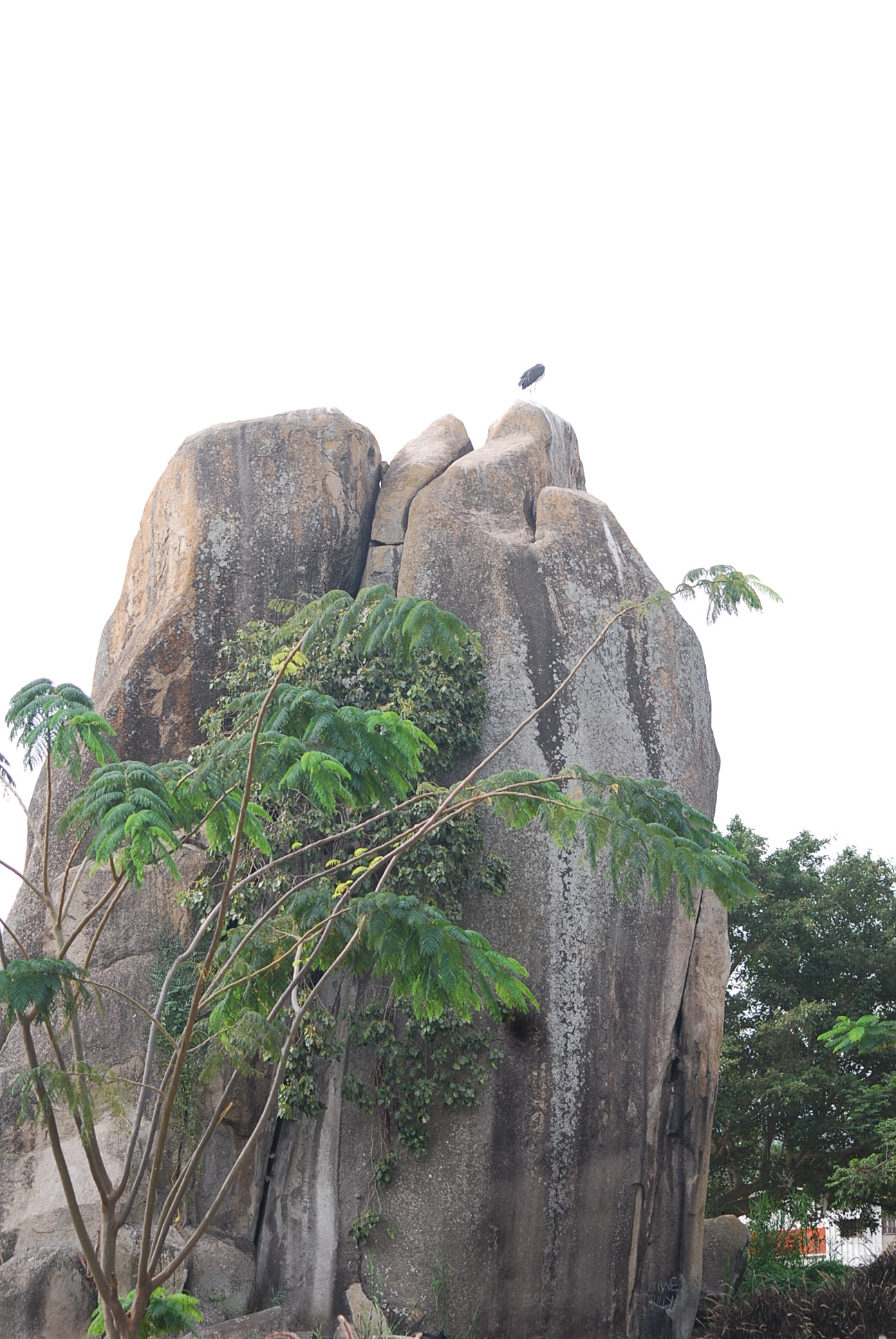
The Rock City, Mwanza


By: Shaaban Fundi

Mwanza: The Rock City

After spending a week on the beautiful beaches of Zanzibar (Nungwi in particular), you would think that nothing can top those amazing “wow” moments. However, Mwanza is stunning on its own right.

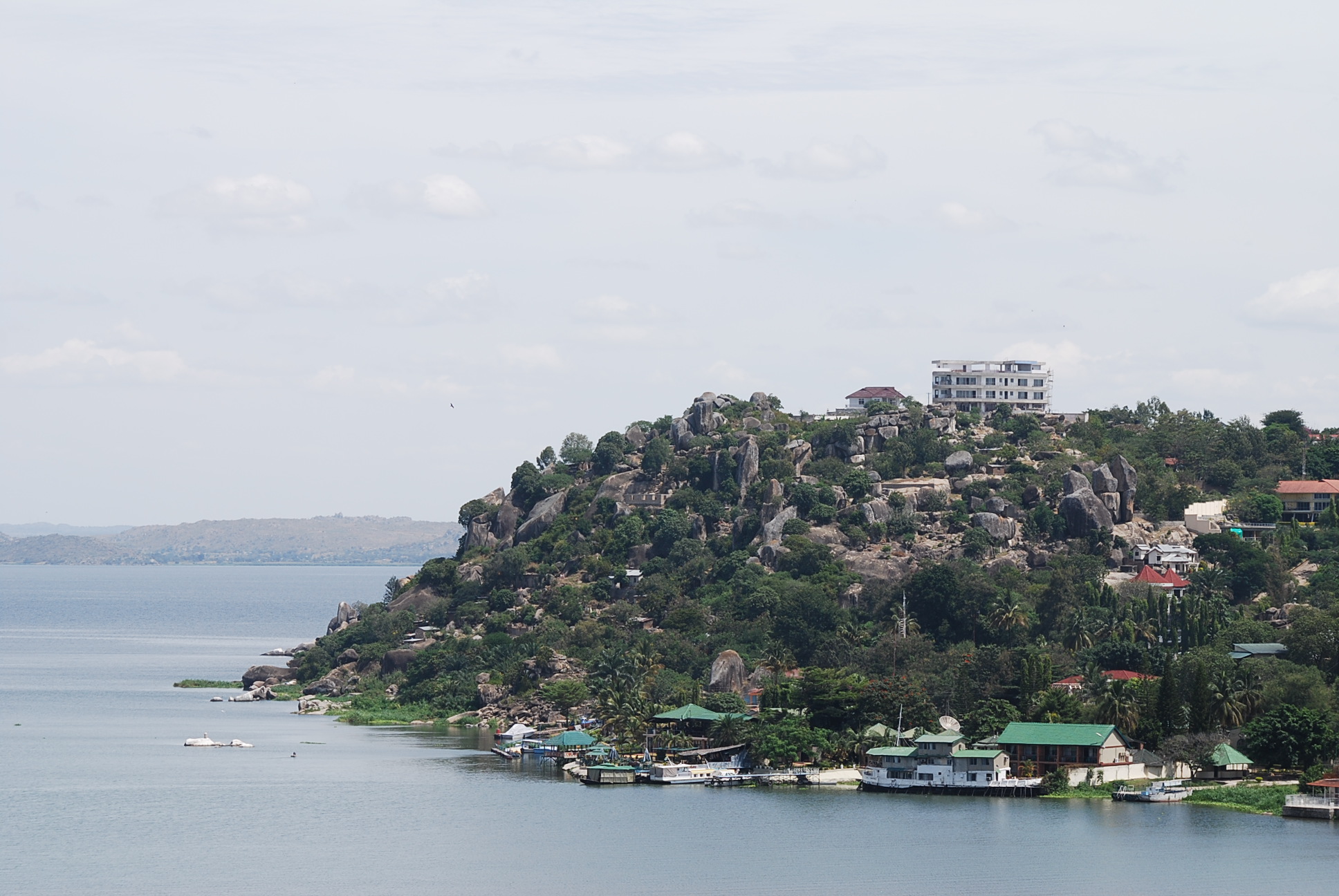
Arriving in Mwanza, you fly on top of Lake Victoria. The first things you will see are those cropping up rocks on hills around the city.

It is very beautiful here.

The city is very relaxed. As opposed to Dar ES Salaam, the traffic is light and the temperature is just right. It feels like you are in a place worth visiting. You can reach any part of the city in moments’ notice.

Mwanza
Mwanza

In addition, most people are very friendly and welcoming here. They want to show you where the “it” in Mwanza is…..places for good foods, night clubs, swimming, and the likes. Furthermore, the way they cook Samakis (fish) here is just beautiful; nothing compare to a lake fish…nicely cooked!!!.

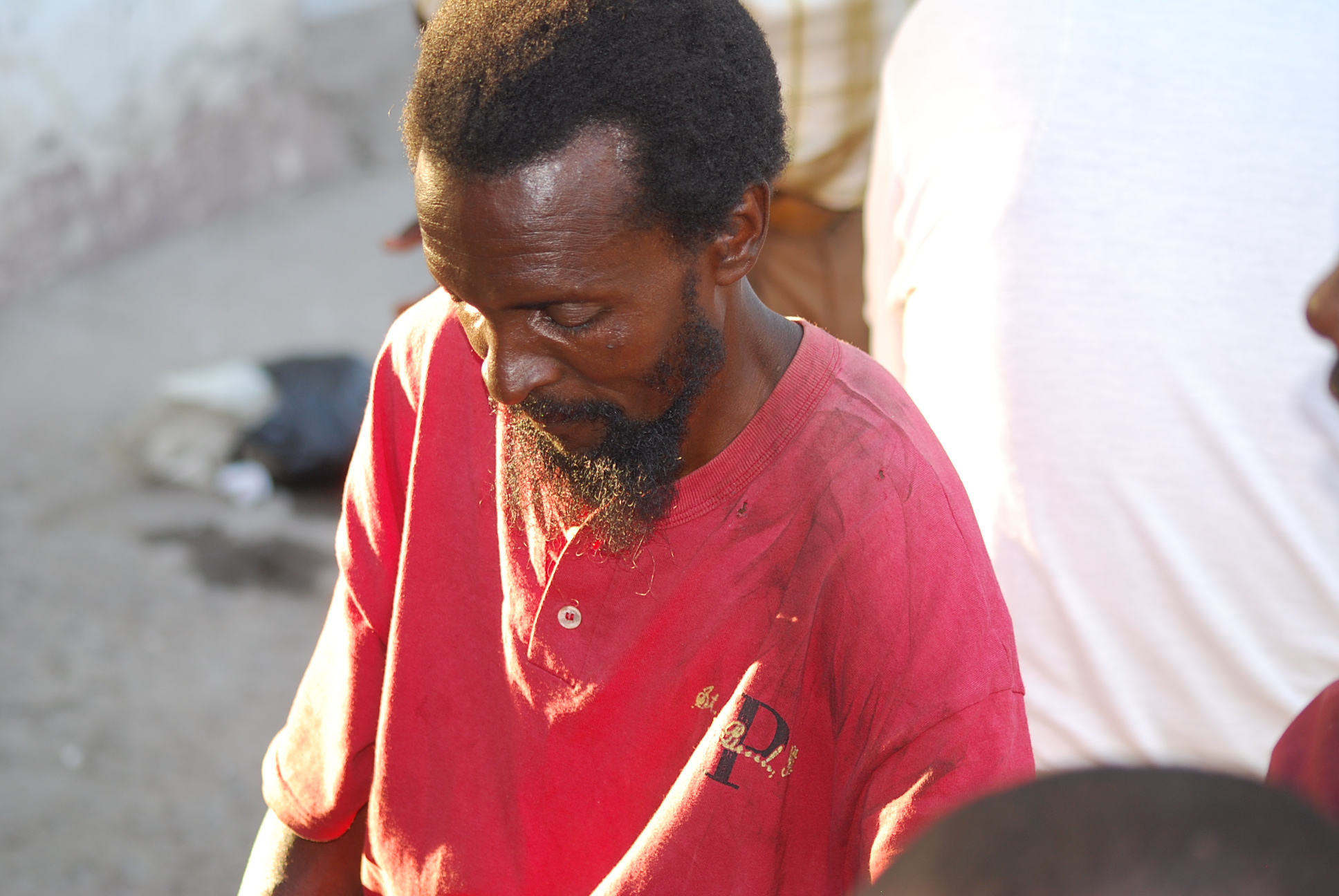
I played "draft" with this guy and lost
I played “draft” with this guy and lost

Pictures of Mwanza will be coming as soon as I find a place to download my pictures. Enjoy…!!!!!!

My first meal in Mwanza
Lake Victoria View
Lake Victoria View

Dar Es Salaam, Zanzibar & Nungwi


This slideshow requires JavaScript.

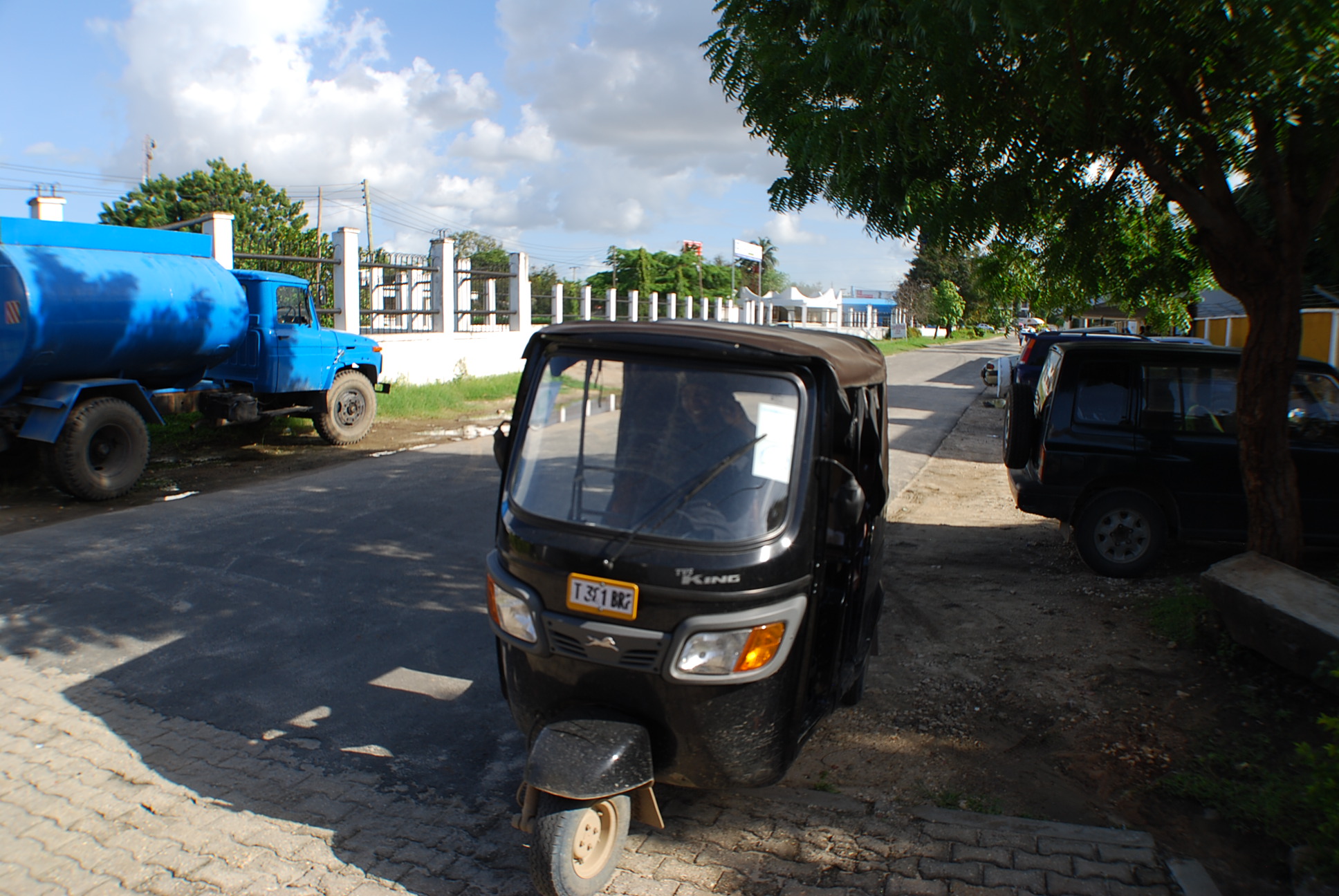
Bajaj Dar Es Salaam: Rest in Peace Abel Manyanza


I met Abel Manyanza in 2011. I did not know him at first. He was actually recommended to me through a mutual friend. But, after I spent a few days with him – taking me from one place to the next in Dar Es Salaam. I came to know him very well. Abel was a nice young man. Full of energy, fun to be with, and a great company. He used to drive a Bajaj in the Mbezi beach area of Dar Es Salaam. He knew Dar Es Salaam’s night life very well and would take you anywhere in Dar safely.

I am very saddened to hear that Abel passed away a few days ago. He was probably 30 years old living on his own, making a living as a bajaj driver. I am shocked that he passed away too young. I am sending my words of condolence to his family, relatives, and friends. Rest in peace Abel. This is my tribute to your short life.

Below is a old ad I wrote for him in 2011.

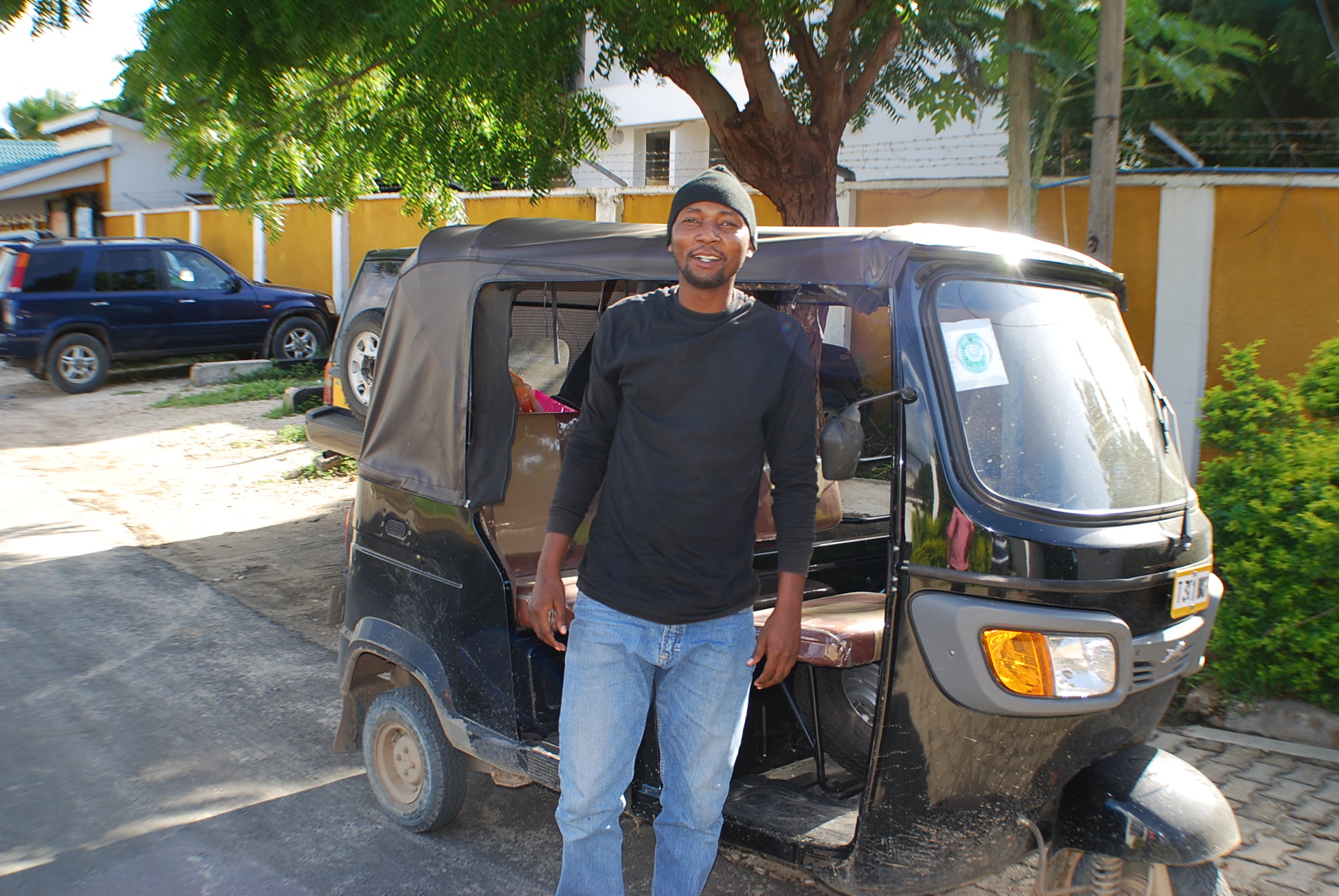
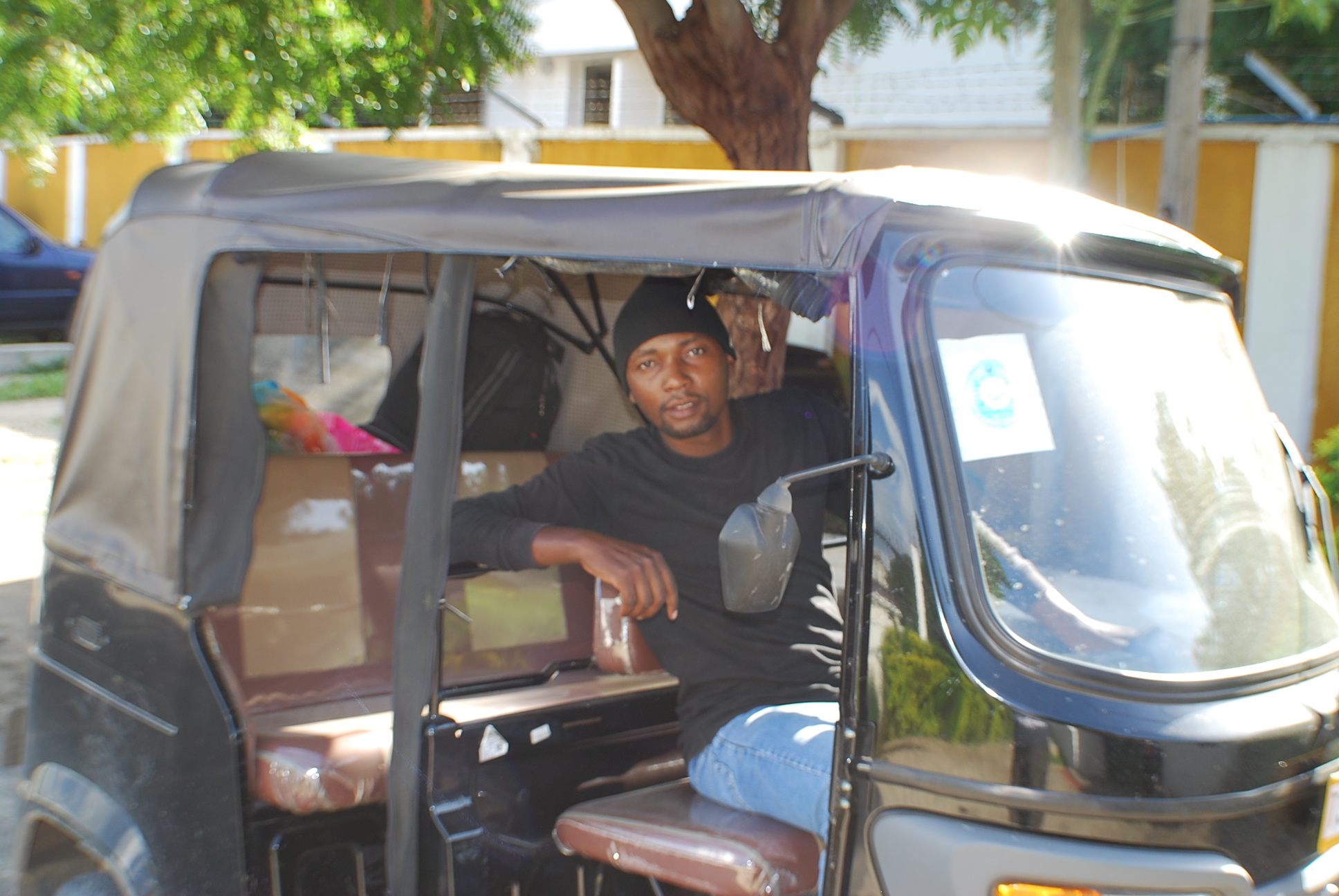
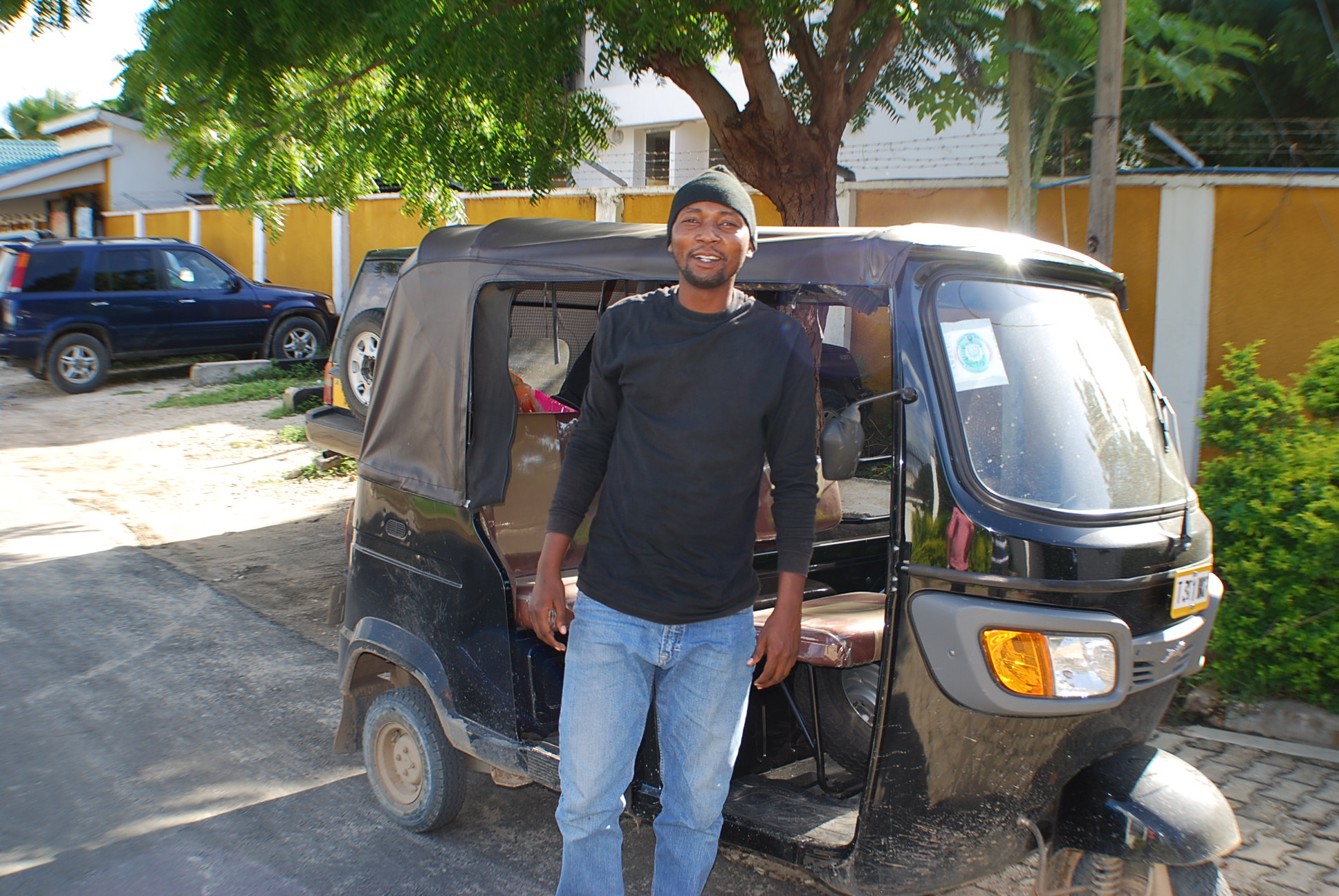
If you find yourself in and /or live in Dar-es-salaam and you need to run through the horrendous traffic jams, a Bajaj maybe the best option. The guy on the picture (top and bottom) operates one. His name is Abel M. Manyanza. He is a nice young man and does his job diligently and safely. Unlike most Bajaj drivers, Abel will charge you a very reasonable fare for your trips and you will get there alive and on time.

Abel is vey knowledgeable about Dar-Es-Salaam, its streets, night life and everything in between. You can reach him at 0773-589879. You will be very happy to use his services. Tell him that “Kibogoji sent you”!

E-Learning on my way to Morogoro, Tanzania


Finally I am in Morogoro. Further away from the hustle and bustle of the Tanzanian economic engine, Dar Es Salaam. Before I left Dar I attended the E-Learning Conference at Mlimani city. A very nice set-up for people interested in e-learning. Most of the discussions were centered around the theme “how e learning is going to shape education delivery in the Africa of tomorrow?.”

Participants represented the entire African continent and beyond. The place was packed and there was a lot of enthusiasm from the different stake-holders.

As usual, many of the African conference participants were absent. They took this paid opportunity to come to Dar Es salaam to indulge themselves and buying gifts and touring the city. I saw many of them spending at Mlimani City Mall and not attending the sessions. Another, donor’s money wasted.

This slideshow requires JavaScript.

The Dar Es Salaam Bajaj Experience.


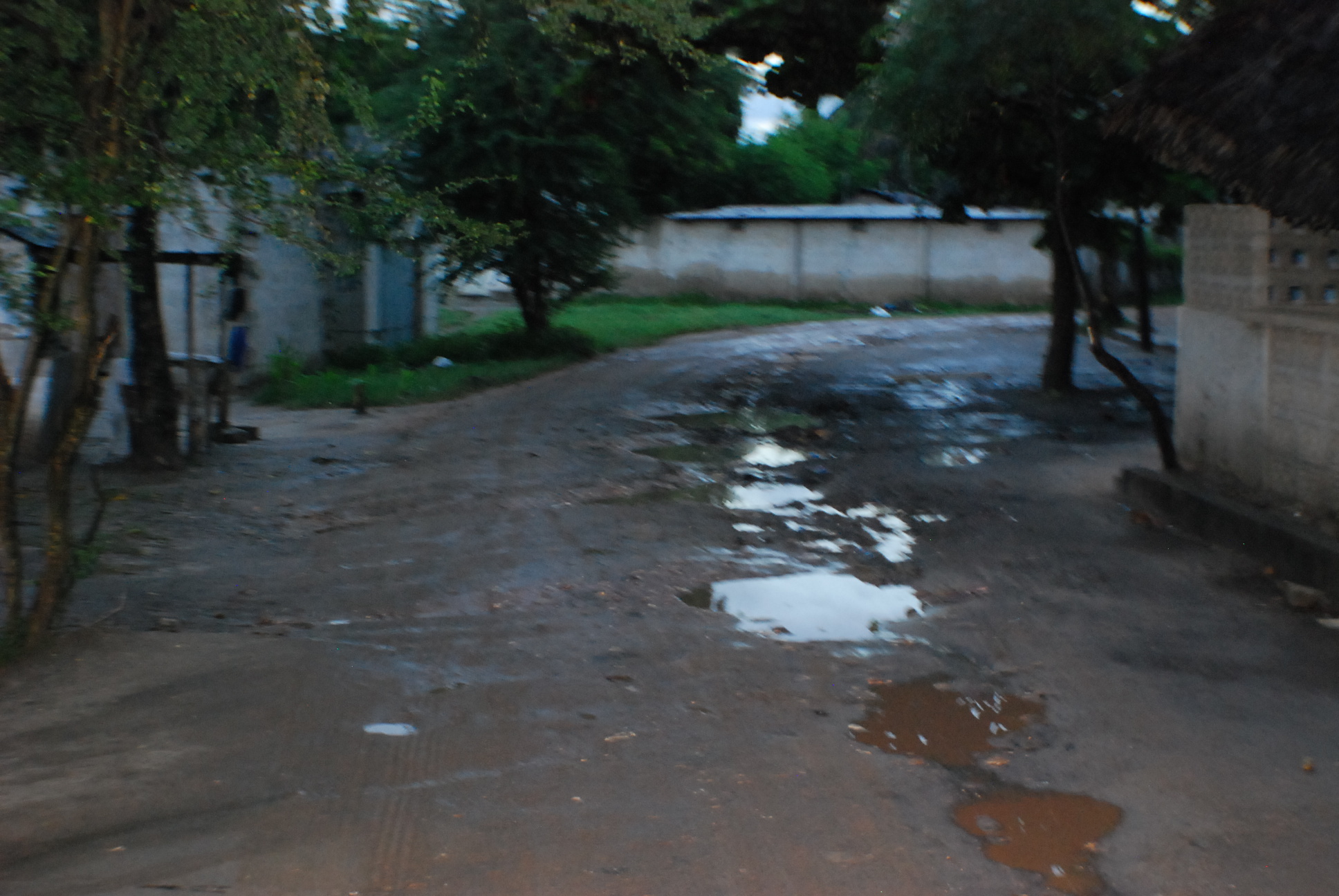
I am here in Dar for a few days. The rain is coming down every other hour and on the hour. The potholes are filled with greenish and/or yellowish colored water with brownish intonation to signify how long the water has been in those holes. The swarming mosquitoes are everywhere. No wonder, with all this stagnant water around, what else could happen? cholera?

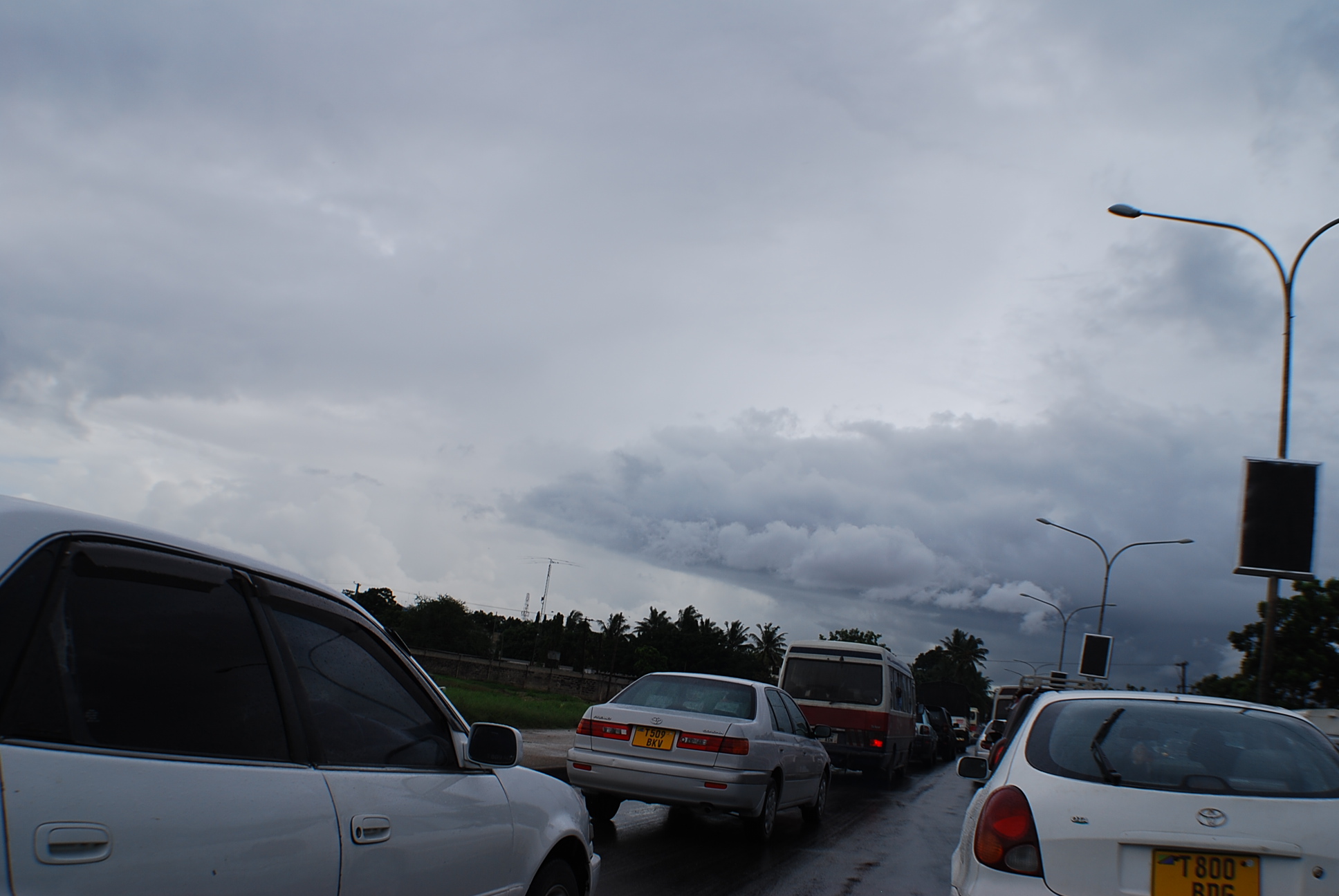
The traffic is just horrendous. It is pitty that unplanned development is showing its colors here. The roads of the 70s are supposed to consume the increased motor-cars ownership in Dar. The population has exploded over the years, the so- called middle class is booming and along with it comes car ownership. The only thing that is lagging behind is roads….and I mean lack of roads and maintenance of the few roads that are available.

So…here comes my experience with Bajajis. Great invention from the country called India. Just me guessing from the name Bajaj. I have no idea which country is actually making them. It could be Bangladesh for all I care.

Today, I found myself in Mbezi beach around 11.00am and wanted to go to the airport. The one way trip took me literary two and a half hours. I lost 6 f**cken hrs of my vacation time on Dar Es salaam roads today. I am just gonna call call them parking lots. Yeah, this is development in my Nyamwezi behind.

It is a serious problem. People lose many hours going to work and coming home from work. In addition, the pricey gas that is wasted everyday on those roads/parking lots and the air pollution it is causing. How much money and hours are wasted everyday, every week, every month and every year?

This slideshow requires JavaScript.

Soweto, South Africa (2011).


This slideshow requires JavaScript.

SOWETO

Many many years ago I had an opportunity to read a book called Mine Boy by Peter Abraham. The book was one among several other books on the reading list of the Secondary School English Curriculum in Tanzania. Since reading Mine Boy, I have had an u-n-d-i-m-i-n-i-s-h-i-n-g thirsty too see the Soweto township.

Today I am glad I took the time to see the township where 4 millions South Africans call home. I had the chance to walk proudly in the city where Nelson Mandela and Archbishop Desmond Tutu still have homes from the apartheid era. I am not sure if they live in them at the moment or not, however, it was an exhilarating experience none the less .

If you find yourself in Johannesburg (Jozi) and have time to burn, call Chipo Chibememe. She is a South African tour-preneur and also a SOWETO native. She arranges tours to visit the township (half day and full day) on any day of the week. She is very knowledgeable about SOWETO (she lives in SOWETO). I truly enjoyed the tour she gave me of the township. For more info click her website

Johannesburg South Africa.


I spent a few days in the African economic engine. It’s hard to tell just by looking onto the faces of smiling, skinny Africans that Jo’burg is the economic engine of Africa. The plight of African immigrants to South Africa (Kwere Kwere) can also be seen everywhere. They are overworked, have no rights, and are underpaid.  I spoke to them as well. Don’t get me wrong, South Africa is in general,  a beautiful country.

I have had numerous conversations with mostly with seemingly frustrated and economically marginalized young white South Africans and some black South Africans. The common theme here is that, Zuma has turned this country into a mess (their views not mine). Majority of the white I have spoken to (most of them young and underemployed) have no regard for Zuma and the Southern African Leadership. They view the South African government as too pro-blacks and has lost touch with other races in the rainbow nation.

In addition, I had numerous heated conversations with many young black South Africans as well. They think the ANC government is doing fine in terms of closing the gap between the economically marginalized South Africans and those who held the driving seat of the South African economy for many years. The fact of the matter is that, to them, South Africa is an African majority but the mighty of the Rand still remain hugely in the hands of a few white South Africans. They would like to see that changed in the near future.

At least on the surface, it looks and feels like the race card is slowly and increasing being discredited. The main problem is economical  rather than race, as I gathered from the many people I spoke to. Hopefully, the seeds of togetherness Mr. Nelson Mandela sawed years ago while creating the rainbow nation are taking roots in today’s South Africa. Until, next time. goodluck to you all.

A Kenyan Movie: The First Grader


National Geographic Entertainment “The First Grader Movie” was released yesterday May 13, 2011. The film was launched in New York and Los Angeles and will be expanded to other US cities in the forthcoming weeks. The First Grader, based on a true story, is set in a remote primary school in the Kenyan bush where hundreds of children are jostling for a chance for the free education promised by the new Kenyan government.

One new applicant (an old man) causes astonishment when he tries to register for a spot in the elementary class. Witch hunting and political correctness on resource allocation and use follows after that.

Find out where to watch it in your city. The movie has received favorable reviews from various movie reviewers. Below is the official trailer. Enjoy!!!!!

The Beautiful Gold, Tanzania.


I just found this video by the Barrick Gold Founder, Peter Munk. He is talking about how barrick is filling in the employment and income gap in places where none exits. Watch it and arrive to your own conclusion.

In addition, a new report was released yesterday by an investigative journalist(Zahra Moloo) who visited the North Mara Gold Mining Operation by Barrack. You can read the entire report here.

Be A Friend of the Mutombo Dikembe Foundation


Enjoying himself.I am 6 feets tall, but Mutombo id towering me like am a baby

Talking about the diaspora and africa connection.
It was a great morning at Dunwoody today. The man was waving his middle finger all-over the basketball court. Not to offend anyone, off course.

It was an international awareness day and a morning to raise funds for the Dikembe Mutombo Foundation. The work he is doing is magnificent. I wish more successful people of african descent (athletes included) could do the same or more to save lives or just help the development of Africa. Watch a video of Dikembe Mutombo’s accomplishments here.

I was in the mist, having a conversation with Mutombo Dikembe on how the diaspora can contribute to the development of Africa through charity and social entrepreneurship.

He (Mutombo Dikembe, a very humble man) was like “ Your country is doing very good Mr. Fundi, I was with your president in Europe a few weeks ago. He spoke very positively about Mr. President (Kikwete) and the positive things he is doing for Tanzania. He also mentioned his meeting with our Balozi Mrs. Mwanaidi Maajar and spoke highly of her as well. Kudo to ya’all Tanzanian politicians.

If you want to know more about the Mutombo Dikembe Foundation and the work “he” and the foundation is doing and how you can help, click here.

This slideshow requires JavaScript.

Education in Tanzania:a mirage of progress


I have written several posts on the state of the education system in Tanzania with some simple recommendations on how to change the tide of high failure rates in our education system. Our education system, must adapt to meet the needs of the students it serves.

Definitely, the student population has changed over the years, teaching methods have improved tremendously over the same time span, but we are teaching using a curricula left by the British with some bandages here and there.

The education system in Tanzania is a bilingual one (maybe even trilingual in some parts), but none of the best practice of bilingual education are being used or implemented to ensure student success. How do you expect children with limited English proficiency leaving primary schools to miraculously perform wonders at the secondary level through college if systems for improving their English acquisition and proficiency are not in place to begin with?

I am afraid we are not going to stop these failure rates just by adding money to the already flawed system. It is high time we revamp the whole system. Starting with how the money is distributed, the way we educate our educators, supervisors and the whole nine yards.

By the way, the money is not even reaching its intended target “the schools and the students”. With all this mess, people still have jobs???…… Seriously, what hapenned to that word KUWAJIBISHWA?……..I am completely flabbergasted.

Watch Mr. Rakesh Rajani of TWAWEZA, speaking about the pathetic state of the education system in Tanzania.

What are your views on this issue after watching the video? Do you think we still have a shot at this or just wait for babu’s cup to cure this problem? Where is the money going? Why are teachers teaching only an average of three hours a day?

The Loliondo Technical Report is Out, Read it!!! Tanzania


Loliondo_Technical_Report[1]

I was very enthused to read the long awaited “ Loliondo Technical Report” on the “Murigariga” miracle cure prescribed by Babu in Samunge Village, Loliondo, Tanzania. The scientists who conducted the study concluded that the miracle cure cup is safe (toxicity-wise) and also has activity against most of the chronic diseases including diabetes, HIV, blood pressure and many more. Maybe there is light at the end of the tunnel afterall.

I am not going to spill the juicy nature of the report, but I find the recommendations made by the scientists who conducted these investigations and wrote this report to be quite intriguing.

By the way, don’t forget to sign up to participate on a study to medically follow up patients receiving the remedy. The study will monitor progress of patients under babu’s miracle cure treatment. The head researcher is Dr. Malecela. Help this investigation by filling out the attached consent form at the end of the report if you have embibed the cup or are planning to in the near future. Good luck ya’all.

To read the entire report and/or sign up for the study, click on the link below or above:

Loliondo_Technical_Report[1].

Youth in Kenya: Infinity possibility or Definite disaster?


Interesting video about the explosive population of young people in Kenya and how that will affect issues like employment, education, health care, political participation, entrepreneurship and numerous others.

Is the explosive number of young people in east africa an asset or a burden to the countries involved (Tanzania, Rwanda, Burundi and Uganda)?

All these countries are experiencing the same issues facing Kenya right now.

Is there a lesson to be learned from this video by the young people themselves and people who are making policies that affect the lives of these youngsters in our communities?

Watch the video and am open to disussing your opinion on this………

Celebrating?!!? 30 years of HIV.


As we celebrate 30 years of HIV and Aids (Did I say celebrate?) this year, stigma is still a major issue for those affected or infected with this horrible disease. Check out www.thebody.com website for more information on the treatment advances and other cutting edge developments in the treatment and care for those with HIV.

Click on the link below to watch a video of someone who has lived with HIV for over 20 years explaining her encounter with stigma, sex and other issues related to living positively with HIV/AIDS. The title of the video is: Laurie: Overcoming Stigma and Fear

http://www.thebody.com/content/art61172.html#top

The Ironicalness of Loliondo, Tanzania.


Obama Family
Mr. President, I hope you are doing great and continuing to lead this huge and cumbersome nation. I am writing this not because of those huge responsibilities that you presently have (you know the drama in Libya, Afghanistan and the rest). I am writing because your neighbors on the southern border (I don’t mean Mexico, but south of Kenya) have discovered a miraculous cure for many of the incurable diseases. Diseases such as HIV, Diabetes, Hepatitis, Cancer and many more can now be cured by Babu’s (grandpa’s) cup of the miraculous cure in Loliondo, Tanzania.

I know you are a very busy man (with what is happening here at home and abroad) and you cannot spend your very limited time to indulge yourself on some crazy stories happening in Africa.

This is nothing like other stories coming out of Africa. I want you to pay attention to this one because there is a potential for money to be saved on your Global Aids Programs. If the retired Pastor in Tanzania (which the Tanzania Government has said the drink is safe for human consumption) can cure all these incurable diseases just for 500Tshs (.30$, 20p) a cup, I think it is imperative that the US Government cut or reduce the Global Aids Funds for Africa and use that money here to implement the universal health care for all Americans.
(By the way, how many good and hard working Americans who do not have or cannot afford a health Insurance? Oooh!! And most of them cannot afford to travel all the way to Loliondo either).

Or you can actually call those IRS people today and instruct them to lower my taxes as the money for global aids funds will no longer be needed. I assure you, I will spend the extra money to stimulate the local economy in my neck of the woods so that a “brother” somewhere on the Westside-or-Eastside of the city can have a job. Many of them don’t have one as I write this. The implications of joblessness are serious and are breaking down the fabrics of the “blacks” togetherness everywhere.

I am sure you already know how that will help to eliminate (not too fast, maybe just reduce) the thuggish image of black folks in the old US of A. When black people have a decent job and can provide for their families, there will be less gang related killings, divorce rates will go down, and many of our brothers will not be shown on TV every evening “News Hour” Killing one another at our dinner table time. You know we really hate seeing that!! Don’t you?

To help them (Tanzanians) fast track the distribution of grandpa’s cup miraculous cure, you can build them a plastic bottle packing facility (with a fraction of the global aids funds) so that the cup content can be easily stored and distributed throughout Africa. Imagine what an ingenious idea that would be? Tanzania can even turn that village into a tourist destination and capitalize on tourist dollars as well. The lack of toilet facilities and places to sleep at the village will be a major attraction for the tourists. A win-win situation indeed!!!

If you beg to differ with my sarcastic views on the Loliondo saga, leave a comment!! You know I will be waiting to hear from you.

Messob Authentic Ethiopian Cuisine, Atlanta.


Samson and Chuchu, The owners.
Have you ever tried ETHIOPIAN food? Well I guarantee you will be addicted to the spicy and complex flavors in the dishes that are served at the Messob Ethiopian restaurant. This restaurant is owned by an Ethipian couple from Addis Ababa and they make all the meals from scratch.

If you live in Atlanta or visiting the city, stop by and taste their beautifully prepared dishes. Check their website here and face book page to have a look at their menu and also for directions. You might find me there on the corner drinking Ethiopian coffee (buna) with a samosa on my hand. Hope to see you there!!!!

East African Fellows Program


The Acumen Fund has opened up a fellowship program specifically for the East Africa Region. If interested click this link

Diaspora need to be involved to change the status quo in Africa.


By Shaaban Fundi,

Speaking to an Ethiopian American friend of mine over the week end I came to know that there are more doctors of Ethiopian descent in Chicago alone than in the entire nation of Ethiopia. I did not believe my ears when I heard this, so I went and looked some sources to confirm if that was really true. I am afraid to say that it is indeed true according to estimates made by the International Organization for Migration, a Swiss group that examines migration trends and issues.

“It is not that Africa does not have the talent; it’s just that a lot of it isn’t resident in the continent,” says Richard Cambridge-who is the director of World Bank’s African Diaspora Program. Dr. Cambridge Program aims to harness the skills and resources of the millions of people of African descent living around the world.

According to estimates by the World Bank’s African Diaspora Program, diasporas from sub-Saharan Africa sends as much as $40 billion a year back to the continent in the form of remittance or cash transfers to relatives. This highlights the fact that beyond expat talent, there are also finances that could be tapped.

African nations need to create and develop mechanisms/policies to channel at least a portion of these billions into developmental projects. In addition, a conducive environment need to be created to allow for some of these African expats to give time (volunteer their know-how) or money back to their homeland.

The bottom line is that the diaspora is an important integral of any strategy to deal with the development of the African continent. We often time hear that Africa don’t have the people, don’t have the institution needed. But, the truth is that we have well educated people with resources that can be used as a catalyst for development.

Let us eliminate that notion that Africa cannot develop because of lack of capacity. We have both (well- educated and skilled personnel scattered all around the globe as well as the resources to go with it) if you follow my line of thinking.

Here is a link to the African Diaspora Program, courtesy of Kate Bomz.

Julius Nyerere: A critical look at Nyerere’s Leadership


JULIUS NYERERE: THE LEGEND OF AFRICA’S ELDER STATESMAN.

Compiled by Nina Mbabazi Rukakaire

PART 3: The move to the left of Center.

In March 1959, Governor Turnbull proposed an increase in TANU’s role in the government. His first move was to appoint five members to the twelve man cabinet. Julius Nyerere of course was against this. He insisted that since Tanganyika majority were blacks, the majority cabinet must be held by black Tanganyikans. Turnbull conceded and Nyerere’s gamble before the elections vis a vis Mtemvu’s position paid off. The wisdom to know what fight to pick was one of Nyerere’s strengths. When asked by JR Bailey about independence Nyerere’s response was; “It is up to the people of Tanganyika – Europeans and Africans and Asians – to say when and in what form. We want to set an example from which Rhodesia and Kenya can learn” And with this spirit, he set on the task of designing Tanzania’s way forward. “You are my brother” the words that they said carried an age old message of love and hope. Nyerere certainly believed in those four words and it would shape his message to Africa. With the mindset that Africa had a lot to offer, Nyerere designed what he thought would be Africa’s gift to the world. An African socialist state where every person was a worker, equal in stature and able to contribute equally.

“Our first step must be to re-educate ourselves” he wrote “To regain our former attitude of work. We took care of the community and the community took care of us”. We neither needed or wished to exploit our fellow man – the basis of Ujamaa must be that a member of society is entitled to a piece of land on condition that he uses it. True socialism is an attitude of mind” And with those words, movement towards the Ujamaa began.

Tanganyika’s greatest problem towards movement to Ujamaa was the fact that the rural population was greatly dispersed and Nyerere’s new ideology was not coherent. His message also came at a time when Kawawa was emphasizing party discipline and was not speaking the same language as Nyerere. His (Nyerere) heart was in the right place, but he didn’t have the mental faculty to design it properly. He was after all a simple man. The ideology was a great hit among the people of Tanzania. By early 1964 the Tanganyikans on their own initiative and from what they perceived as the word of delivery from the President formed 300 embryonic collective farms. Within a year, almost all had collapsed. The problem? There seemed to be no clear plan to follow other than the call by the President to Ujamaa.

Nyerere in turn responded by setting up the rural settlement commission whose duty was to approve plans for new schemes and finance those new schemes. Israeli experts were brought in to help make these village cooperatives viable. The village settlement program was key in the first five year plan for the move towards prosperous Tanzania. But by 1966, it had failed.

Nyerere said “ To burden the farmer with heavy debts at the outset and at the same time to make it appear that government can provide all services is not the best way of promoting activity.” In 1966 he abandoned the idea of village settlement schemes.

Why did the scheme fail, the design of the scheme though simple would not have been so disastrous? Well, what Nyerere designed between 1962 and 1965 was what we called development committees and ten house party cells. In Uganda we still use this system in Northern Uganda. It is called “Nyumba Kumi”. Nyerere wanted to build a two way all weather road between the political centre and the rural masses. What happened was the reverse, with government dictating to the villages what they thought best and ignoring the requests by the farmers. What government failed to understand is that every society grows with its own science and if they are not allowed to explore their own homegrown solutions, the ideas that they are asked to implement will fail.

It didn’t help that in January 1964, Zanzibar was held hostage by a raving Ugandan lunatic calling himself Field Marshal John Okello whose origins are in Lira. So Nyerere was implementing a scheme while having difficulties settling Zanzibar’s political issues. He was also beset by a mutiny in the army in 1964 that was to rock his government.

While the Ujamaa was failing, the Tanzanian economy was growing. Nyerere had also embarked on an industrialization plan whose main focus was import substitution. The plan was to be financed through the sale of agricultural goods coming out of the Ujamaa villages, foreign direct investment (FDI) and aid. However, Tanzania was not able to attract that much needed FDI because of the risk factor attached to our African states at that period of time. Also the fact that world prices in sisal had dropped drastically, probably a European attempt to destabilize the African economies that were no longer providing markets for their goods, but still, because of Nyerere’s message of import substitution, they registered a balance of payment surplus and were able to cushion some of the Ujamaa failings. But few jobs and private investment were forthcoming.

Nyerere said in 1966; “The amount of private investment which has taken place over the past year is quite frankly a disappointment to us. We have special tax concessions to encourage new investments; we have investment guarantees for bringing capital into the country; and we have many arrangements designed to encourage private enterprise of a character which will serve our nation. Yet the level of private investment does not appear to be as great as that provided for in the plan” A very honest speech from the leader.

Tanzania at this time was heavily dependent on aid and Nyerere felt that his vision of an egalitarian and democratic African society was slipping away. President Nyerere then called a party conference and on 5th February, 1967 unveiled a carefully written document that had far reaching implications. Written in his very blunt and vivid style, Nyerere unveiled the Arusha Declaration. The Arusha declaration introduced a move to nationalize all Industry and productive institutions. The justification in Nyerere’s words? “ the major means of production and exchange to be under the control of the peasants and workers”.

The plan was for a radical reform of the rural areas, improvement of rural standards of living, improved productivity by collective villagisation and increased productivity through self help groups. It was no longer voluntary villagisation like before but was now compulsory. By mid 1970’s most citizens had been moved to these villages and Tanzania’s food production had taken a drastic drop. Tanzania then had no choice but to import staple foods to stave off hunger.

Nyerere in the Arusha declaration asserted: Socialism is a way of life, and a socialist society cannot simply come into existence, a socialist society can only be built by those who believe in, and who themselves practice, the principles of socialism. The first duty of a TANU member and especially of a TANU leader is to accept these socialist principles and to live his own live in accordance with them. In particular, a genuine TANU leader will not live off the sweat of another man nor commit any feudalistic or capitalistic actions.

Because of our emphasis on money, we have made another big mistake. We have put too much emphasis on industries. Just as we have said, “without money , there can be no development, we also seem to say, Industries are the basis of development” without industries there is no development. The mistake we are making is to think that development begins with industries. It is a mistake because we do not have the means to establish many modern industries in our country. We do not have either the necessary finances or the technical know-how.The development of a country is brought about by people, not money. Money and the wealth it represents, is the result and not the basis of development”

Thousands marched though Dar Es Salaam in support of the declaration. The old Ujamaa model as well as colonialism had bred a state of haves and have nots; Foreigners still owned a large section of Tanzania’s economy.

The Black Tanzanians rejoiced; the Europeans and Asians were not happy, but for once Nyerere saw how deeply impoverished his people were and it shook him to the bone. He hated the kind of leaders that TANU leaders had become, each owning shares in business in foreign companies, he stated that rich men can’t be asked politely to give up their shares, it must be taken away from them. No foreign aid was coming; people had to work hard if they wanted to improve themselves. How could TANU allow the repatriation of funds anyhow? Unemployed had to be sent back home to the rural area, the government made it clear; there was no room for slackers. The youth were turned into “Green guards” to ensure the success of socialism. The people were happy more so with the new leadership code that forbade and leaders of government from doing business and earning two salaries.

Although the idea was wonderful and welcomed by all, nobody had planned for the communal income. How as it supposed to be shared? What was the milestone for a day’s work? What happens if someone does not meet the desired target? If they are lazy? What about those who decided to work privately after work. How would they share income? The response to this new Ujamaa was slow despite the incentives of building schools, running water, clinics and investment.

In 1973 due to the slow response, TANU committed themselves to actively relocating people into villages. Nyerere said; “This huge task TANU committed itlsef to involved the forced relocation of millions of people” The response of the people was not so nice. Nyerere used the police, army, national service and militiamen to move people to the villages. This they did with brutality.

By 1974, 2 million out of Tanzania’s 9 million were in Ujamaa villages and in 1976 they were 13 million. What happened next was catastrophic. In 1970 Tanzania exported 540,000 tons of surplus maize, in 1974, it imported 300,000 tons of maize. TANU had been exposed as being ignorant of what the citizenry wanted.

But for all the failure to understand the peasantry, Ujamaa had done four wonderful things. There were drugs in the hospitals, and the classrooms had been built. The people of Tanzania were no longer 120 ethnicities; they were now one people, united for the good of country. Ujamaa paved the way for a brighter prosperous Tanzania and Nyerere built the Tazara railway to tap the potential. It was called “Freedom railway”. The Nationalization of industry had yielded tremendous achievements for Tanzania and for this Nyerere had reason to smile; Government parastatals had increased from 64 to 139. But 1979 was to see the beginning of a six year drought that would rock Nyerere’s faith in himself. It did not help that the neighbor Uganda was misbehaving.

Nyerere described the achievements in Agriculture as such; “Since the Arusha Declaration was passed, we have talked a very great deal about rural development and the expansion of agriculture as the basis for Tanzania’s future. And we have spend large sums of money on rural development. However, the truth is that the agriculture results have been very disappointing”

Nyerere’s speech to celebrate ten years of the Arusha Declaration was not only sincere, it was telling in what he was going to do. His speech showed a leader who had grown with country and who was willing to accept where he had gone wrong. His speech showed that despite all his efforts, he had realized that country was bigger than him and he had brought them thus far, but would not lead them to the Promised Land. He had set the foundation for a prosperous Tanzania but the time had come for him to advance Tanzania one step further on its democratization goal.

As Nyerere prepared for a new future, he quietly relieved Kawawa of his duties. He had used Kawawa as a scapegoat for his failings but Chama Cha Mapinduzi was all too aware of where the real problem lay and by 1983, it was very clear that Nyerere would not be seeking re-election.

As he announced a new leader of government business, Mr. Sokoine took over as Prime Minister. Sokoine stated quite clearly ; “ In Tanzania, it is the party which is supreme” and with his speech began a movement towards a new leadership in Tanzania, and change in regional policy towards other East African countries.

With a solid leader in charge of government business, strong critics in Oscar Kambona, Babu and Bibi Titi Mohammed, Julius Nyerere moved to build a great legacy in his foreign policy that would earn him worldwide title of “unblemished hero”. What was his foreign policy?

As written by various contributing critics. JR Bailey, Mohamed Amin, Kanyama Chiume, Sir Thomas Hopkinson, Haji Konde, GR Naidoo, Alan Rake, Abdulla Riyami, Robert Ryamamu and others.

Julius Nyerere: A Ugandan Perspective.


By Nina Mbabazi Rukikaire,

JULIUS NYERERE: THE LEGEND OF AFRICA’S ELDER STATESMAN.
PART 1: How he saw it in the end.

Julius Kambarage Nyerere, founding father of Tanzania and often times defined as the “Elder Statesman” of Africa was by far the most interesting of all African leaders. Not only did he lead Tanzania to independence and unification of Tanganyika and Zanzibar, he set upon a path of equality among the citizens or Ujamaa; that was to produce the greatest policy disaster in Tanzania history since the departure of the Germans in World War I.

But through this disaster came a higher conscientious of what needed to be done to put Tanzania on the right path. Nyerere had the wisdom to lead his country to this path of steady growth before bowing out. By putting country and party first, he was able to speak with such openness and sincerity to his people in what is probably one of his greatest speeches. This speech defined his entire legacy and achievements as head of state. Nyerere said;

I am a very poor prophet. In 1967 a group of youth who were marching in support of the Arusha declaration asked me how long it would take Tanzania to become socialist. I thought 30 years. I was wrong. I am sure it will take us much more than that… Ten years after the Arusha declaration Tanzania is certainly neither socialist nor self–reliant. The nature of exploitation has changed, but it has not been altogether eliminated. There are still great inequalities between citizens. Our democracy is imperfect. A life of poverty is still the experience of the majority of our citizens.

We have not reached our goal; it is not even in sight. But that is neither surprising nor alarming….We have made reasonably good progress towards providing basic health, education and transportation facilities for all the people of this country…The measure of our success is that these fundamental achievements are generally taken for granted. We are now much more conscious of the difficulties in our daily lives than of fundamental exploitation….Today such difficulties and frustrations make us forget where we came from, and even make a reminder seem like an irrelevant impertinence. It is quite true that when our shops were full of a large variety of goods, the vast majority of people had no money to buy them…But people have now developed a little; they have higher expectations of life.

Over the last ten years we have done quite well in spreading basic social services to more and more people in the rural areas. More remains to be done; but we shall only be able to do it if we produce more wealth. And we have not been doing very well on that front.

Political and public service leadership has undoubtedly improved over the past ten years, in both commitment and efficiency. But still leader too often forget the purpose of government and party and of ALL the laws and regulations in this country to serve people….The truth is that despite our official policies, and despite all our democratic institutions, some leaders still do not LISTEN to people. They find it much easier to tell people what to do. Our leaders at all levels must make more effort to reach decisions by discussion. They must encourage the people to criticize mistakes which have been made, and they must be willing to work with people in rectifying past mistakes and avoiding new ones. Leadership by intimidation is not leadership. And it will work for a short time only.

The real danger to Ujamaa in this country does not come at all from people’s criticism of leaders. It is arrogance, incompetence, and slackness among leaders which we have to guard against, and we must do so. Every leader should privately examine his own behavior to see where he/she has fallen down. Leaders are not gods; they are able to be effective and to serve the people; only on the basis of mutual respect between themselves and those who have entrusted them with responsibility.

We have cause for great satisfaction in our achievements of the past ten years. But we have no cause at all for complacency….As we celebrate the tenth anniversary of the Arusha Declaration, let us determine that the twentieth anniversary (of his leadership) will find us more productive, and therefore more free as a nation and as individuals.

And with these words, Julius Nyerere began the end of his chapter of leadership in Tanzania. As he moved to unify Tanganyika and Zanzibar in his final decade of leadership, Nyerere who was obsessed with the cult like image of Chairman Mao Zedong, prepared to build for himself the greatest legacy of leadership in Africa.

Nyerere led his people quite successfully to independence. From the onset, he was beset with all sorts of conflicting interests in the country. His vision of a prosperous socialist Tanzania had failed. Ujamaa had yielded more hunger and anger from the public and a level of disillusionment that he could not fix. Nyerere had survived two coup attempts, hostilities from Kenya and Uganda, bloodshed on the Island, still his people loved him.

He had displayed a tendency to wobble on important issues and though the people that started the struggle with him had left him, it was of his own making and his own character weaknesses. But still through all of this, Julius Nyerere recognized his pivotal role in the history of a nation that he had helped build and he gracefully bowed out.

This is the beginning of a serialization of Nyerere’s leadership. As we reflect upon his leadership, let us understand just how effective he was in preparing Tanzania for the current prosperous state that it is today. His weaknesses notwithstanding, understanding his depth of commitment to country is important in any assessment of political development in East African Federation, because his vision still defines Tanzania’s social, political and economic policies and their perception of an East African Federation.

Mwalimu as he so fondly was called once said; “We have learnt this hard fact of life, that there are no shortcuts to our aspirations”

What was it that drove the elder statesman of Africa?

Tanzania: Changing its Education System


I am sharing two videos today. The first video is really nice and talks about issues related to high failure rates in the Tanzanian Education System and it is particularly so for the sub-county (ward) secondary schools. The first video is in Swahili and the second is in English. Please watch both videos and help change the life and future of a Tanzanian child, if you can!

I am not sure who recorded the first video but thank you anyway.

It is very interesting to see the old guy in the video (Swahili one) pointing out one of the rotten cultural taboos in Tanzania. Many people understand the root causes of the high failure rates but no one will stand up and speak out about those issues. For Tanzania to succeed in the education front, Tanzanians need to change (speak out) to confront myriad of issues that confront them. If you don’t speak out, people in the leadership positions assume everything is okay and there are no needs for improvements.

The second video is by the organisation called SEED and they sponsor children to receive education in Tanzania. Please support this organization if you can. The Tanzania education is considered to be free with a lot of strings attached to it. Because of that, many poor families cannot afford to pay for it. From school fees to numerous everyday contributions to a childs education, it amounts to a high sum that thousands of Tanzanians parents are unable to give.

Serengeti Road: German government offers a solution


The African Regional Manager for the Frankfurt Zoological Society, Mr. Gelrald Bigurube, confirmed that the German government will finance construction of tarmac roads that will link dozens of rural villages adjacent to the Serengeti National Park.

He also said that the World Bank and the German government are also ready to finance southern route that will link the Arusha region with the Lake Victoria regions without crossing the Serengeti.

According to an interview with the Daily News, Mr. Bigurube said, “Linking rural villages in Serengeti and Loliondo districts with their district headquarters is the best way of addressing economic needs of the communities living near the park.”

The news article says Mr. Bigurube “disclosed that the German Federal Ministry for Development was ready to finance feasibility study of the rural roads in the districts if the idea will have blessings from the government of Tanzania.”

He said the “international community is also concerned with the needs of the people in an environmental friendly way but the road should not be close to the park because it will have serious impact that cannot be mitigated.”

The next step is up to President Jakaya Mrisho Kikwete who recently turned down an offer from the World Bank to fund the alternate route.

Jenerali Ulimwengu’s Kind Words to Poor Ugandans


While I agree wholeheartedly with Generali Ulimwengu’s words of wisdom to poor Ugandans, the same words need to go around to Kenya with their political families as well as Tanzania.

Jenerali, your own neck of the woods is indeed practicing the same in case you haven’t noticed. Or was this just a way of sending home a message through a neighbour? Just wondering.

If you take a carefully look to what is happening in Tanzania, the BMWs are replicating everywhere. There is no need to mention names here; majority of the Tanzanian knows who these people are. If one of your parents worked as a Minister in the past, you will have a ministerial position, Ubunge, Mkuu wa Wilaya and so forth.

To quote Mr. Ulimwengu “ The uncreative mind of the African ruler — creative only when devising means of looting — limits him to the immediate family as a source of both continuity and security”.

But, why do these leaders resort to doing all this? The answer lies on the fact that they are not doing a good job for the majority of their people. If you do a good job, you don’t have to have anybody (croonies or otherwise) to watch your back when your term is over.

The—Presidents–wa—Muyaya-types and political genetic incumbency all over Africa are just ways for these ruler to protect themselves for underperforming or looting public funds.

To read Jenerali Ulimwengu’s article click here.

I am just telling like it is!!!

Leave a comment…………………..

Tanzania: Nyamwezi Ngoma Festival


Tanzania: Dynamite Fishing Returns, Unabated!!!


Photo credit: Wolcott Henry

While working for Frontier Tanzania in the late 1990s I saw firsthand the devastating impact dynamite fishing had on coral reefs, the lives of the fishermen, and fish abundance in southern Tanzania. As an Asistant Marine Reserach Coordinator, I collected baseline data on the levels of biodiversity and habitat destruction using various marine survey techniques. The data collected was used to propose and finally lead to the opening-up of Mnazi Bay Marine Park in Luvura, Msimbati, Mtwara.

During my time with Frontier-Tanzania, together with Dr. Vicki Howe, Dr. Jean Luc Solandt, Dr. Jennie Mallela, Simon, Ian, Paul and many groups of research assistants from across the globe–we organized and facilitated a marine environmental education program for 12 primary schools 2 secondary schools and 1 teachers college on marine resources and conservation methods that included 365 students and 76 teachers.

In addition, we organized and facilitated a marine environmental education program for 19 local fishermen and 2 fisheries officers on marine resources and conservation, coastal zone management, power boat handling, and the collection and handling of fisheries data.

Furthermore, we developed the first bilingual (Swahili and English) environmental  education teaching and learning manual for secondary schools. The teaching and learning manual hard information on coral reefs, mangroves, and sea grasses. The manual was intended to spear-head marine and environmental awareness in the coast areas of Tanzania.

The program target was environmental awareness to children who were more likely to become fishermen when they grew up. It helped the coastal resources users to understand why destructive fishing methods such as dynamite fishing are not good for the environment and to themselves. It also provided experiential learning and teaching materials to teachers and fisheries officers. The hope was that these efforts could be replicated elsewhere in the coastal communities.

It is very disheartening to hear that after all efforts and money from various donors and commitment from various organizations (Tanzania Coastal Management Partnership and the like) that dynamite fishing has returned to Tanzania with a vengeance.

To read more about dynamite fishing in Tanzania, click here.

Tanzania-Born Freelance Journalist Based in Atlanta.


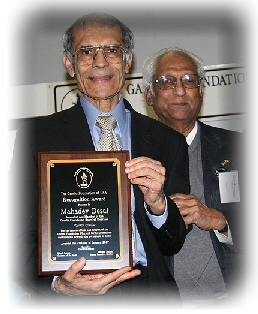
Mr. Mahadev Desai Receiving Gandhi Foundation Award from late Giriraj Rao
I had a virtual conversation with Mr. Mahadev, Desai over the week-end here in Atlanta. He is a prolific Tanzania (Tanganyika) born writer and a freelance journalist of Indian decent. He writes for various Atlanta newspapers including the Atlanta Dunia magazine, Khabar magazine or NRIPULSE newspaper. To read more about Mr. Mahadev’s biography and the numerous accolades he has received over his long career, please click here.

Mr. Mahadev told me in one of his e mails “I left Tanganyika in 1942 when I was nine years old. I have not visited Tanzania since.” I wish Mr. Mahadev could have the opportunity to visit Tanzania and see for himself the contribution of Tanzanian of Indian decent to the economy, education and political system in Tanzania. Dar Es Salaam of 1942 would be quite different from today’s Dar Es Salaam, I can imagine.

In Addition, Mr. Mahadev recently reviewed the inspiring memoirs of J.K.Chande a Tanzanian of Indian descent who was born and raised in Bukene, Tabora, in Tanzania. Such a coincidence, as I myself was born in Mabama, Tabora and was raised both in Tabora and Morogoro.

To read more about the review of Mr. J.K. Chande and his magnificent contribution to Tanzania click here. By the way, the book is called A Knight in Africa: Journey from Bukene. I have ordered a copy for myself from Amazon.com. Anyway, my book just arrived today.

This book is something. If you like reading books about Africa, don’t miss this one. It is an incredible memoir.

Unlock the Potential of a Tanzanian Child


There are so many talented children in Tanzania, but most of their potentials is being wasted before it can be realized. This kid in the video below could be the next Will Smith. The lack of resources and programs to foster children talents in science, arts, acting, story telling and the like will result to this kid’s dream to not being realized.

Watch the video and leave a comment!!!!

The Headline You Won’t See in the Tanzanian Media Today!!!


President Jakaya M Kikwete

“The headline you won’t see in the Tanzanian media today, “JK Sack Defense Minister and Army Chief.” And what you will see is JK visits “Munitions Victim in a Hospital”. With photo of His Excellence kissing an injured baby. BUTIAMA TUMEZIKA MENGI.” A quote from- Henry Suffa.

The leadership in Tanzania is very predictable. Meetings will be held over this incident but none of the top people responsible will have a sweat over what happened twice over the course of two years. Nobody will voluntary resign or be sacked over their own incompetence, and/or gross irresponsibility.

What you will hear from these meetings are empty promises of never to happen again, “return to your homes…..the place is very secure now”…..the same words heard two years ago. Did it not happen again just the day before yesterday?!?

It is understandable that terrorist acts are actually pretty rare in this part of the globe except for the 1998 Embassy bombings in Dar Es Salaam and Nairobi, but incompetence, irresponsibility and ignorance are horrifyingly common place.

I will end with this quote I saw on one of the daily news channels here “I guess when we sold them the weapons we forgot to include instruction manuals on how to store ammunitions”. It really cracked me up despite the seriousness of the whole issue

Dar Blasts: Atleast 20 Reported Dead.


Still smoking in Dar

The toll from last night’s blasts at the army amory in Mbagala military base in Dar Es Salaam, Tanzania, is 20 people dead and 184 injured. Similar incident like this one happened in 2009, in which dozens of people were killed and several more were seriously injured.

I guess it is time to start asking questions. Who is reponsible here? And, who dropped the ball twice? Does someone in the ranks need to resign or at-least held accountable? The “it was an accident” excuse is so yesterday and lame. This is how people avoid their responsibilities by blame allah, jesus and/or god. Kazi ya Mungu (god’s will) has nothing to do with repeated and avoidable incidences.

I am Tired of Same Old Stories. Aren’t You?

Dar Bomb Explosion Picture


Click the link below to see a pic of exploding bombs by cnn ireport from Dar Es Salaam, Tanzania. If you are in Dar don’t hesitate to share your experience here even in Swahili. We would like to hear first hand account from people living in Dar and especially those close to Gongolamboto and other closest spots to the bomb explosions. I hope everyone survived these never ending explosion in that part of town.

http://ireport.cnn.com/themes/custom/resources/cvplayer/ireport_embed.swf?player=embed&configPath=http://ireport.cnn.com&playlistId=556758&contentId=556758/0&

RWANDA MINISTER RESIGNS OVER “PLAYBOY” PICTURES.


By Charles Onyango Obo

Rwandan Minister Enjoying the Girls!!!
Rwanda’s Minister of Culture and Sports, Joseph Habineza, resigned yesterday after pictures of him in suggestive positions with women were published on the Internet.
There have been a spate of these pictures recently. First, with Tanzania President Jakaya Kikwete playing hanky panky. Then there was that Liberian minister, in his naked magnificence–except that one was published in a newspaper in the country.

Meanwhile, Italian prime minister Silvio Berlusconi, is to be tried for consorting with an underage prostitute, and when she got in trouble later, good old Silvio used his office to spring her from a police jail! That Berlusconi must be an African president in white skin.

Having said that, I think in some of these cases, like Habineza’s, there is too much puritanical hysteria. He is shown dancing with a grown woman, holding her close, then with a larger group of women all squeezing him. At no point is any of them naked.

Well, here is the link, you be the judge:

http://www.leprophete.fr/actualit%C3%A9s-ad/joseph-13-02-11/

Investigating gold


Evan Rubara Speaking in the U.S.
As an investigative journalist in Dar es Salam, Tanzania, Evans Rubara deals mostly with social justices and human rights. He is most passionate about his work with the mining industries in Tanzania. The multinational mining industries use potent cyanide to flush out the gold specks, and even have their own private airstrip to take the gold straight out of the country, he says. Tanzania is soaked with profitable natural resources: diamonds, gold, rubies, and tanzanite which is only found in Tanzania. With all these riches in the soil of their land, why is Tanzania a Third World country?

“It’s not about African pride. It’s about heritage. That’s what we’re fighting for,” Evans Rubara says. The answer lies within Western multinational companies like Barrick Gold Mines, Anglogold Ashanti, and a corrupt government, he says. “Colonial attitude has carried over, like they were the king-makers,” Rubara says. Corporations have re-instilled rule through colonization, he suggests. These companies are looting our country and killing our people, Rubara says. “We do not have a history in Tanzania of fighting with ourselves, but it is coming,” he says. “If we are not careful, we will have a civil war.”

There are many gold mining companies in Tanzania, but Rubara only takes issue with the inhumane. The worst is Canadian-owned company Barrick Gold, Rubara says. Amnesty International accused Barrick of killing 70 miners by burying them alive. The company has denied the claims, but Rubara isn’t satisfied. “I say allegedly because of my journalism demands,” he says, “but personally I know it’s true.”

Natural resources are a nation’s pride; and, when you take this away, you unclothe the nationals of their pride and heritage, Rubara says. “I get pissed off when I talk about mining issues,” Rubara says. “They [mining companies] rape everybody—economically and culturally speaking; they take our wealth to build their own country.”

A voice for the voiceless

When Rubara was 15 years old, he was orphaned, left to care for himself and his two younger brothers. Rubara held several odd jobs so he could send his brothers to school. He taught himself all that he could before getting involved with missionaries who helped send him to school in Kenya. He underwent some journalism training, but got an intensive six-month training on investigative journalism while working for an Tanzanian investigative paper. “I became a journalist to speak on behalf of the voiceless,” he says.

Rubara says not much has changed in the policies of Tanzania since he began his investigations. He admits, however, a lot of the cases he reported on are either in court or the people at fault have stopped. The article that landed Rubara in jail was picked up by the Legal and Human Rights Centre; it dealt with the illegal eviction of six villages for a rich Arabian investor looking to start a farm. Land is the only equity Tanzanians have; when it is taken away there is nothing left to do but to beg, Rubara says. “It’s not about African pride,” Rubara says. “It’s about heritage. That’s what we’re fighting for. Good heritage is when all is equal in the face of the law.”

A few weeks ago an executive of Barrick approached Rubara at a seminar and said, “Evans, I want you to stop talking,” according to Rubara. Rubara has been thrown into custody, received death threats, and been beaten for his investigative reporting, but still says he will never stop. “If the liberation of my country will come from my death, I would rather not see results than die begging on my knees,” Rubara says. Tanzanian land is being raped and plundered while the majority in Tanzania are unemployed, Rubara says.

Due to extremely high unemployment, prostitution is prevalent for men and women, Rubara says. This creates a dangerous situation for the rapid spread of HIV/AIDS. In 2005, Tanzania had the highest HIV/AIDS prevalence rates in East Africa, Rubara says. “[The unemployed] have nothing else to do, they are hopeless,” Rubara says. “They are waiting for their death

To read more stories about Evans Rubara go to AfricaJournalists.org

Tanzania Form IV 2010 Results: More of the Same.


Continue reading “Tanzania Form IV 2010 Results: More of the Same.”

Kikwete Did It Again: Serengeti Road gets a go ahead!!


Serengeti High Way
I am not going to discuss the pros and cons of the recently approved road that will cut through the Serengeti Nation Park in Tanzania. This road (the northern circuit road) is only projected to serve about 2 millions Tanzanians compared to the Southern route which will serve about 10-12 millions Tanzanians. If the main reason for building the road is to impact a bigger segment of the Tanzanian population, then why not build the southern route? It’s a no brainer to me.

If you want to learn more about the negative impacts this road will have on the Serengeti and Maasai Mara National Parks, click here and here and here. These websites have a collection of the projected pros and cons and I do not see the reasons to waste my energy duplicating the same information.

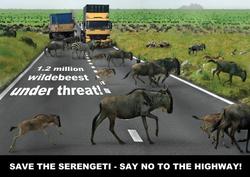
One serious impact of the just approved Mara-Arusha Road through the Serengeti would be the cutting off of the wildebeest migration. This is one of the major factors that attract tourists across the globe to come and spend their hard-earned cash in Tanzania and Kenya every year. The road will not only impact the Serengeti ecosystem and tourism industry in Tanzania but also in Kenya. I am just wondering what the Kenyans are doing to influence a different outcome?

I thought we are building an East African community that is going to embrace and protect the interests of its fellow members. Building this road will not help to foster the East Africa integration which is the aspiration of many East Africans. It will actually damage Tanzania’s standing on that regard….. Period!!!

Tanzania’s SEDC Phase II Started: Emphasis on Quality!!!


Happy Faces.
It took me a minute to organize the Kibogoji Educational Resource and the About Kibogoji pages of the blog today. It’s a work in progress therefore keep visiting these pages in the future for more updates. If you are in College/University or have relatives, sons, daughters and/or friends who are still in secondary schools, high schools——direct them to these pages as they contain information that might be useful for them. And it’s all free.

Anyhow, I was surfing various blogs and came across a beautiful post about the starting of the second phase of the secondary education initiative in Tanzania last week. Click here to learn more from the lenana.net blog. The questions the author poses in this post are very interesting and could open the door for freedom of information for the citizens of Tanzania.

Finally, thank you my readers for commenting on the posts and for your participation on the social vibe banner. You helped me raise close to 80 hours for the Invincible Child Charity Organization that help pay school fees for displaced children in northern Uganda. I will appreciate if you could take a few minutes of your time today…and play a few activities in the social vibe banner to raise more money for those kids. Asante Sana!!!!!!

I welcome your ideas on various issues pertaining to the lives of our brothers and sisters in Tanzania and the rest of East Africa.

Busara Music Festival in Stone Town, Zanzibar.


Audience Enjoying The Festival.

This is a once a year event that brings the best of African artists from across the continent at the Old Fort, in Stone Town, Zanzibar. This year’s festival will start on February 9th and commencing on February 13th, 2012.

The festival’s slogan for this year “african music under the african sun and skies” will have more than 40 musical bands from accross the continent. The festivity this year will also include parades, other nicer and more enhanced entertainments in Stone Town.

If you live in the east African countries (Tanzania, Kenya, Uganda, Burundi, Rwanda, Zambia, Malawi, and Mozambique) or planning to visit the region around those dates make all efforts not to miss this incredible opportunity to listen to the great sounds and voices that Afrika has to offer.
Check the life-in-dar.com blog for more details on the event or you can click here to access the Busara Music Festival official website.

Gay Right Activist butchered in Uganda.


Ugandan Gay Rights Activist
I am very disgusted by the news coming out of the beautiful city of Kampala. The killing of an innocent human being should be forcefully condemned. I just do not understand why some people kill others just because those people hold a different world view . The killing of a gay rights Ugandan is utterly incomprehensible. What do you gain by hating and killing gays and lesbians in your society?

What do you think of gays/lesbians in your own city? Should they not enjoy their sexual rights the same way you enjoy yours? Gays/lesbians don’t produce gays (they don’t make babies)—it is the straight parents that give birth to gays? Should they be killed too?

Read the whole story here

Fancy Nkuhi, New Manyoni D.C….Fresh from College!!!


The New D.C., Manyoni District, Singida.Fancy Nkuhi has been appointed to be the new D.C. for the Manyoni District in the Singida region, Tanzania. It’s great to see the youth rubbing elbows with the old in the Tanzanian leadership positions.

I am pleased to see a young woman taking a public position, hopefully the youth in Tanzania will have some hope for a great future. What are your views in the president’s decision to appoint a fresh from college lady to lead Manyoni District?

You Wanna Have a Qwiki?


Qwiki is a cool search engine just launched a couple of days ago. When you put your topic in the search bar, you get video, audio clips, and photos about your chosen topic. It literary speaks to you! The text scrolls below it as it speaks! What an ingenious idea!?! There are “other samples” related to the topic underneath the information provided.

As the text scrolls, related links are highlighted in blue. You can sign up, or just use it as you please. There are also featured Qwikis coming with it. Of course, you have to be careful because the information is obtained from Wikipedia, so sources should always be checked.

Check it out and leave a comment about your qwiki experience!!!! This might be the end of google as we know it.

Black Americans, Black Africans


By, George B.N. Ayittey

There is a huge divide between the two groups that is masked by skin color.
For the two groups to get along, they need to understand what divides them
and make efforts to bridge it.

There are vast differences between the two groups relating to culture,
attitudes, mentality, behavior and general outlook on life. The only thing
the two groups have in common is skin color.
There is no question that black Americans were subjected to the most
inhumane treatment during slavery. Even abolition did not bring much relief.
They were denied their political and civil rights; the struggle for these
rights was long and arduous. They faced discrimination in jobs, housing,
police harassment; you name it. Much progress has been made in America but
racism still remains a problem although not as severe as it used to be. Jim
Crow laws have been repealed and equal rights are vigorously enforced.
Nonetheless, much more work still needs to be done. Racial discrimination —
like crime, unemployment, poverty, or inflation — cannot be eradicated
completely; only minimized. The benefits of their struggle, however, have
flowed disproportionately to other groups; for example, black Africans and
white women.
Most black Africans in the U.S. are *foreigners, *whose experiences are
vastly different from black Americans and are not likely to be able to
relate to those of black Americans – especially, the younger generation of
black Africans in the U.S. They do not relate to the civil rights movement;
they were not even born during the civil rights era. Nor are they likely to
be exercised over instances of racial slights.

Black Africans in the U.S. are either here to seek education, as political
refugees, to seek economic opportunity. They speak with a *different accent,
*which makes it easier for whites to distinguish them from black Americans.
The reasons why whites treat black Africans differently are due to the
following:

1. Black Africans are foreigners and, as such, are more approachable to
whites. I have had many whites, upon knowing that I am from Ghana, approach
me and say, “Oh, I have been to your country” or even attempt to speak to me
in one of Ghana’s native languages. Well, he may not speak it perfectly but
it is an ice-breaker.

2. Black Africans are not likely to use incendiary racial vitriol or
cuss words and, as such, do not pose a threat to them.

3. Black Africans are not of the complaining lot. Most of them seek
economic opportunities in America or have escaped oppression and social
miserly at home. If a white boss asks a black African to do some dirty job,
he is not likely to complain because he is thankful he has a job. Back home,
he might be starving. White bosses find black African workers to be more
reliable.

It is for exactly the same reasons why whites found President Barak
Obama *acceptable*to them, rather than, say, Rev. Jesse Jackson or Rev. Al Sharpton. There is
an ocean of difference between either one of them and President Obama. Obama
was not part of the civil rights movement. He made known the fact that his
father was Kenyan, a foreigner. That did not discourage white Americans.
Obama does not play the race card and he is not always complaining, using
vitriolic language. He speaks good English too.

There are also other differences between black Africans and black Americans.
The first is *culture. *Most Africans are strongly attached to their culture
and homeland, even if they become naturalized U.S. citizens. By culture is
meant their traditional culture, food, dress, music, language, etc.
Traditional culture imbues Africans with certain *values;* for example,
strong community or family ties or awareness, respect for elders, social
behavior, mannerisms, how to speak to strangers, the elderly, etc.

For black Americans, sadly, there is no discernible culture besides the
hip-hop culture. The black family has disintegrated. Most black households
are headed by single mothers. Then there are teenage pregnancies, school
drop-outs, etc. I can go on but I guess you know what I mean. There are many
black Americans who are in limbo, as far as culture is concerned. It is
difficult for them to accept the white culture that oppressed them for so
long. That is perfectly understandable. They would like to return to their
“African culture” but they do not have a good understanding of African
culture. They left Africa too long ago and have lost it. There are some
black Americans who are making serious efforts to re-connect with Africa and
re-claim their lost culture, though.

The second difference is attitudinal. Black Africans in the U.S. make the
quest for *education* a priority. There was a case of a Sierra Leonean who
lost his High School Diploma. He went back to school, retook the entire
examination again to get another diploma, instead of just asking for a copy
of the old one. Unfortunately, education doesn’t seem to be a priority for
young black Americans. I am speaking from experience, as a University
Professor. Of course, I encountered really sharp black American students
too.

Then there is differing attitudes toward *government. *In their struggle, it
was the government which gave black Americans their civil rights, voting
rights, affirmative action, welfare, etc. As a result, black Americans tend
to see the government as the *solution* to their problems. Black Africans,
on the other hand, have this ingrained cultural contempt for government,
which they see as *the problem. *A Lesotho traditional chief expressed it
the best: “Here in Lesotho, we have two problems – rats and the government.
Most black Africans will affirm that their governments are
*dysfunctional. *Tell a Nigerian to rely on the government to supply him with electricity and he
will probably slap you.

The area that I have clashed most with black American leaders, including
Rev. Jesse Jackson, is that of *relations or policies toward Africa. *Black
Americans originally came from Africa but do not understand contemporary
Africa. They tend to project racism and white supremacy as the source of
Africa’s problems. Therefore, they tend to see oppression only when it wears
a white face. They were very instrumental in the struggle against
colonialism in 1950s and 60s, as well as the campaign against white
apartheid in South Africa. These campaigns were against *white oppressors.*But there are *black oppressors *in Africa too, which black Americans tend to ignore. They
were nowhere to be seen mounting a campaign against Hutu tribal apartheid in
Rwanda, Tutsi apartheid in Burundi, or Arab apartheid in Sudan. In fact,
black Americans seldom spoke out against the enslavement of blacks in
Mauritania and Sudan even in these modern times.

Again, I do not hold that against black Americans. I just try to understand
them. You see, throughout their history and experience, they have only seen
white oppressors and exploiters. They never lived under such brutal tyrants
like Samuel Doe, Sani Abacha, Idi Amin, etc. So black tyranny is something
black Americans cannot relate to.

They also tend to analyze Africa’s problems through a racism/white supremacy
prism, which is not relevant. Racism is not particularly relevant in Africa,
except in some southern African states such as Zimbabwe, South Africa and
Namibia. The more relevant issue in Africa is *tribalism,* which, again,
black Americans can’t relate to.

Finally, if the black race is to make it, it won’t be through racial
solidarity through skin color. Rather, it will have to be through *positive
action. *It involves replacing the entire *black leadership – in both
America and Africa!* These leaders have served their usefulness and
over-stayed their welcome. But they stay and stay and stay, even when their
ideas are obsolete and no longer relevant. Yet, they keep recycling
themselves – appearing, disappearing and then appearing again and again.
Enough. We need *new leaders. *The Rev. Jesse Jacksons, Al Sharptons, the
Mugabes, the Ghaddafys, the Mubaraks, etc. have done their bit. We are
grateful. Now vanish. Haba.

This is important because the progress black Americans have struggled hard
for is being undercut by the buffoonish and murderous antics of black
African leaders. Since 1960, they have caused the deaths of more than 20
million people. In the Congo DR alone, more than 5 million people died from
war and war-related diseases. In Sudan, the civil wars claimed an estimated
4 million lives. Then there were the civil wars in Angola, Mozambique,
Biafra, Liberia, Rwanda, Somalia, and on and on. And get this: The 20
million lives lost since 1960 *exceed *the total number slaves taken through
West African slave trade ran by the Europeans (10 million) and through the
East African slave trade operated by the Arabs (8 million). Think about it.
How should we react when a white racist tells us that we were better off
under slavery and colonialism? In fact, the black American journalist, Keith
Richburg, was so disgusted by the Rwanda genocide that he wrote he was *glad
*his forefathers were taken out of Africa as slaves!

I hate former Zambian president, Kenneth Kaunda, but in 1996, he made a
remarkable statement that I will never forget for the rest of my life. He
said: “Black people will never gain the respect they crave with the
condition of Africa as it is.” Remember the Japanese in the U.S. were
interned and treated like slaves in the 1930s. And today?????

Is this freedom of expression or something else?


The definition of freedom of expression goes like “ The right to express one’s ideas and opinions freely through speech, writing, and other forms of communication but without deliberately causing harm to others’ character and/or reputation by false or misleading statements. Freedom of press is part of freedom of expression’’.

But, do some people go overboard with their interpretation of freedom of expression? Look at the picture below and don’t forget to let me know what you think?

Drinking Safari In Tanzania


http://www.hulu.com/embed/NuQLf6jEKTMQPO1_EI-h2w

Cell phones could help fill the technology gap in Tanzania classrooms.


By Shaaban Fundi,

I was in a meeting yesterday and what came up in the agenda? Cell phone use in the classrooms. I was like, are these people out of their minds or what? I have heard a lot of ideas tossed up in these meetings before but none had made my mind to start racing and thinking like this one. The potential benefits are vast and the cost of implementation would be very low. After a careful analysis of the pros and cons of having cell phone as technology support for the best practice delivery of instruction, I came to the conclusion that it might as well be a very good idea indeed.

http://www.youtube-nocookie.com/v/zhAH6nncCKw?fs=1&hl=en_US&rel=0

Have you thought about what a cell phone (smart phones) can do these days? My goodness!! Other than the obvious uses of cell phones like communication during emergency situation, cell phones are more like computers, you can search the World Wide Web to complement course instruction, you can use them for gizmos, tests, instructional videos, quizzes, polling purposes and the potential usage are limitless.

In addition, cell phones are much cheaper comparing to computers—for countries like Tanzania this would be very cost effective. It could potentially be a game changer in terms of technology catch up for Tanzania. It could eliminate the need to go through the computer age to catch up with other nations. Instead of buying computers for each school, you can cut the cost tremendously by buying cell phone mobile labs for each school, cutting the cost for shipping huge computers and the cell phones would provide the same experience as computers.

There are a few pitfalls of cell phone use in classrooms. Some people say it might create an environment that would be conducive for students to cheat during testing. For example, students could easily Google for answers while testing. Classroom management especially for issues like texting, sexting, and cyber bulling can potentially be difficult to manage for the seasoned and the less seasoned educators alike.

What do you think about adopting cell phone technology in the Tanzanian education system? Will it work and save money that the government does not have? What do you foresee to be the main challenges? Opportunities?

Till then, Take care!!!

Rufiji Basin for Rent….in Tanzania. (via www.kibogoji.com)


This is a post I wrote a couple of weeks ago. Land issues are very sensitive in Africa and all over the world. What are your thoughts on this plan…Public Private Partnership with South Korea? Do you think it is a golden opportunity for Tanzania as the officials involved are taunting it? What will happen to the people who are currently residing in the Rufiji Basin? What kind of support and compensation will they need to let their land go? Click the link on the post to listen to the interview. Leave a comment to let others know what your views are on this issue. Enjoy Reading!!!!!!!!!!!!!!

By Shaaban Fundi, Click on the link below to watch Mr. Aloyce Masanja's Interview on this issue. http://i.cdn.turner.com/cnn/.element/apps/cvp/3.0/swf/cnn_416x234_embed.swf?context=embed&videoId=international/2010/12/24/mpa.facetime.aloyce.masanja.cnn The leasing of the Rufiji Basin to South Koreans on the surface makes perfect sense. It is a win-win situation. The South Koreans brings in agricultural machinery, capital and great technology … Read More

via www.kibogoji.com

When Is Summer Coming Back?


When is summer coming back? My daughter kept asking all week long. Yes, It is winter time and I am definitely cool with that? Mmmh!!! I guess not. It is cold, snowing now and then and definitely nothing much to do outdoors. The whole of last week, we were snowed in, the roads were first covered with snow, then ice and there was no way you could drive and/or walk anywhere. It sounds terrible doesn’t it?

I feel you Pili. I, myself thought moving from Baltimore, Maryland to Atlanta, Georgia, the south, I will be able to run away from this KIND OF WEATHER but the snow keeps following me. Next time I will move all the way to Florida…follow me then, SNOW!!!!

Believe me the first two days were fun…no work, yeah, sledding, building a snow man and all that cool winter stuff. But after those initial two days, the whole perspective changes and it starts to dawn on you.

To brighten the winter mess, I took my daughter to the Georgia Aquarium today. How fun it was to see all the tropical fish again. It reminded me of all the good times I spent in the scotching African hot sun diving 2-3 times a day in Mtwara Bay, Mnazi Bay, Kilwa, Mafia Island and Nungwi. It was so cool to see the fishes again.

Here are a few pictures from the GA aquarium to warm you up for those in the northern hemisphere. Those in the tropics, just enjoy the pictures….there is no way I can make the January HEAT disappear FOR YOU!!!

Happy Birthday Martin Luther King, Jr.


By Shaaban Fundi,
As I seat here reflecting on the life of the great African American Civil Rights leader Dr. Martin Luther King, Jr., I cannot stop wondering how righteous and selfless this guy was. At the tender age of thirty-five, Martin Luther King, Jr., was the youngest man to have received the Nobel Peace Prize. He turned over the prize money of $54,123 to the furtherance of the civil rights movement. He accomplished so much in his short life than many people who have had the opportunity to become centenarians.

This weekend, people of all colors across America and beyond are celebrating the life and work of this incredible worlds’ figure. I was not born or raised in America, but I am benefiting from the work MLK and other civil rights leaders did and died for. I appreciate all you have done to stop (reduce) segregation in America and for that I will always be grateful. Thank you!!!!

There is still a lot of work that needs to be done in the post civil rights America. In black communities across many cities in America i.e. Baltimore, Philadelphia, Washington DC, Detroit Los Angeles and many other, life for black people is unbearable. There is anger and frustration that boils beneath the surface in some of these communities that manifest it-self through violence, gangs, school drop-outs, incarcerations and drugs.

There are also many positive things that came out of the civil rights movement such the increased participation of blacks and other minority groups in politics, in the movie industry, and in many aspects of the American life.

What Drives you?


The weight am carrying


By Shaaban Fundi,

I have been thinking about the issues related to obesity lately. I was reminded about this with my doctor in my last annual check-up. He said, you have no other lingering issues to worry about “young man” except for the fact that you need to exercise regularly and make sure you wear your seat belt whenever you drive. Receiving that seal of health approval from my doctor was reassuring but living in North America provides you with a constant reminder of obesity every second of every minute.

I have gained some weight over the years and that has left me incapacitated in my own body. I can’t run like I used to. I can’t walk like I used to and I can’t play soccer anymore (as if I used to previously lmao!!!!). This sedentary life we live in, is a major contributor to our own body demise. Fast foods, 30 minutes dinners, video games, the cheap and unbalanced diet we eat increasingly perpetuate the situation.

This is a major cultural problem in America and it is, quite literally, killing all of us. This is not a tsunami, a famine or a flood over which we have no control this is something that only WE, each and every person, can change…or not!!

Here are some data about this issue in North America. According to a new study released this week by the Society of Actuaries (SOA), the total economic cost of overweight (BMI between 25.0 –29.9) and obesity (BMI of more than 30) in the U.S. and Canada reaches $300(1) billion per year, with 90 percent of the total – $270 billion – attributed to the U.S.

While much research has been conducted on obesity, the SOA study looked at the economic costs of overweight and obesity caused by increased need for medical care, and loss of economic productivity resulting from excess mortality and disability. In the study, the SOA also divided the $300 billion finding into specific causes of economic costs. The figure breaks down into the following economic costs per year:
Total cost of excess medical care caused by overweight and obesity: $127 billion.
Economic loss of productivity caused by excess mortality: $49 billion.
Economic loss of productivity caused by disability for active workers: $43 billion.
Economic loss of productivity caused by overweight or obesity for totally disabled workers: $72 billion.

In sum, let us just get outside…run some more, walk some more, drive less, ride bicycles some more and make some real dinners and lunches too. Maybe that will help.