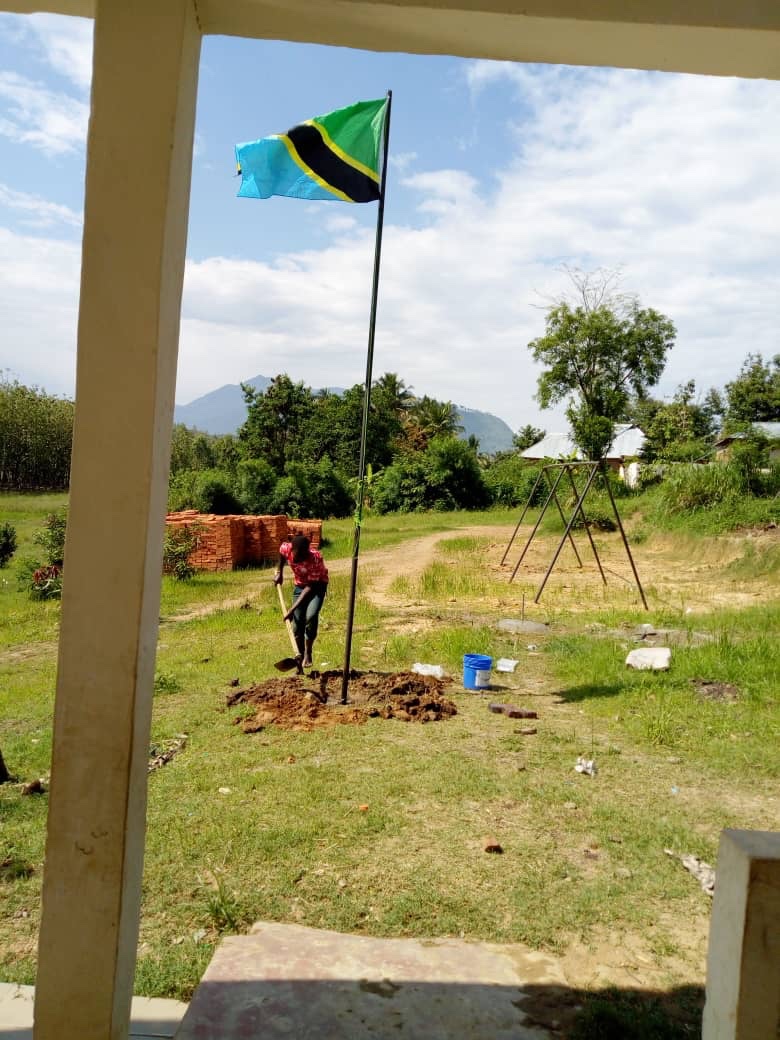
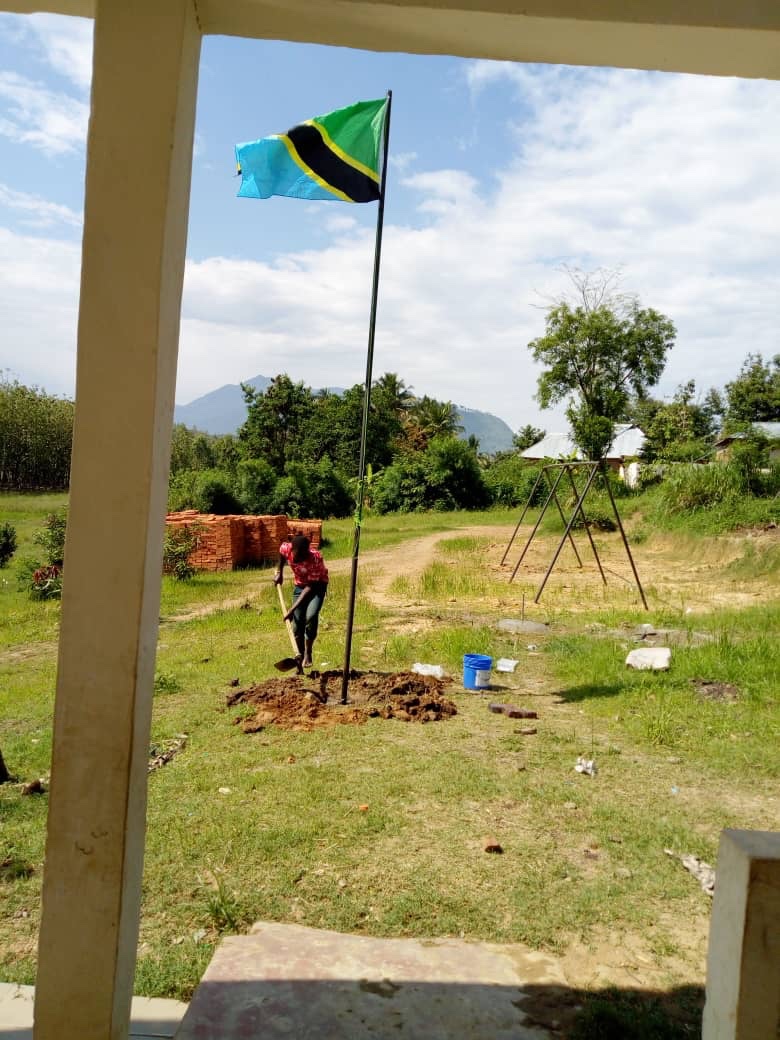
Chapter Three: The Mabama – Tabora Hiatus


Chapter Three: The Mabama Hiatus

After spending two years in Turiani, our lives shifted once again. In early January of 1977, my mother, my younger brother, and I were sent back to Mabama. We left Turiani quietly, before Chama Cha Mapinduzi was formally born, before politics settled into a single name but long after its effects were already shaping our lives.

For me, the return felt like a breath held too long and finally released.

Mabama was familiar ground. The paths knew my feet. Faces remembered my name. I met old friends whose laughter slipped easily back into place, and I made new ones without effort. The schoolyard sounds returned. The rhythm of the village felt steady, predictable. What was meant to be a short stay became something longer—three full years suspended between what had been and what was still coming.

Those years felt like a pause, a holding pattern in the middle of constant movement.

Our time in Turiani itself had been brief, but it lingered in my memory with a bittersweet clarity. What I remember most was not hardship, but proximity to something joyful. We lived opposite a famous soccer player at the time—Hussein Ngurungu.
He was a young man then, kind and unassuming despite his fame. When he returned from Dar es Salaam, where he played for the national team, he never came back empty-handed. He brought soccer balls. Real ones. New ones. To a child, that mattered.
Those balls carried more than leather and air. They carried stories from faraway stadiums, from crowds and cheers we could only imagine.

Word traveled fast whenever Hussein Ngurungu returned home. Children appeared from every direction—barefoot, dusty, shouting names before they even reached the road. We gathered in loose clusters, pretending not to stare too hard, though our eyes followed the bulge of a new ball tucked under his arm.

He never made a ceremony of it. He would greet the elders first, respectfully, then turn to us with an easy smile. When the ball finally dropped to the ground, time seemed to pause. The leather was clean. Unscarred. It smelled different—new, unfamiliar.

The first kick always mattered.
Someone would step forward cautiously, toeing the ball as if it might disappear. Then another kick, stronger this time. Soon dust rose, feet moved faster, laughter broke loose. Teams formed without argument. Shirts came off to mark sides. The field did not need lines. The rules did not need explaining.

For those moments, Turiani felt whole. The worries of adults faded to the edges. Politics, money, uncertainty—all of it retreated before the simple joy of a ball rolling freely across open ground. Childhood claimed its space.

In those scenes, brief as they were, Turiani felt connected to a larger world again. And for me, those moments softened the memory of a place that would soon let us go. We lived without fully unpacking our futures, always aware that this was temporary, though no one said so aloud. My mother carried that knowledge quietly. She never explained much, but her silences were careful, deliberate.

While we were in Mabama, my stepfather made the decision that would finally uproot all of us. Life in Turiani had become increasingly difficult. Every business he ventured into failed to take hold. Effort no longer translated into reward. Stability slipped further out of reach.

Back then, decisions belonged to men. Women followed.

When things became completely unsustainable, my stepfather sold the very house we had lived in at Turiani. The sale marked more than financial loss—it was a closing. An admission that the experiment had failed. He took the money and carried it forward, not toward repair, but toward reinvention.

That money became the seed for a new gamble.

He chose to leave Turiani behind and move deeper into his ancestral land—to Kibogoji. There, he believed, land was still honest. Rain still answered effort. A man could start again with his hands, his memory, and his will.

We did not yet know when we would join him. Only that another move was forming, slowly but inevitably.
Mabama, once the place I came from, became a place I was waiting in.

The pause would not last forever.

The return to Mabama was joyous, but it carried uncertainty beneath its warmth. What we believed would be a brief stay stretched into a long wait—a waiting without dates, without promises, without answers. We waited for fare that never came.

When we first left Mabama years earlier, we left with a man who was exuberant, confident, still carrying himself like someone whose future was intact. Even after politics and economics stripped much from him, my stepfather still had a little money left—enough hope to imagine recovery. But when we returned, that version of life was gone.

We came back to my grandmother’s humble home. The bigger houses we once lived in had all been sold and were now occupied by other families. The familiarity remained, but ownership did not. We were no longer the family people remembered as comfortable or secure. Wealth had thinned into memory.

My mother and my grandmother struggled quietly to keep us afloat. Food had to stretch. Favors had to be asked. Pride was swallowed carefully, one day at a time. My mother waited for money to return her to her husband, believing the separation was temporary. Each week, each month, she expected word.

The fare never arrived.

Slowly, she began to understand that waiting itself had become the condition of our lives. And so she adjusted. She learned how to live inside uncertainty, how to raise children without guarantees. We moved from place to place—staying with uncles in Tabora, in Urambo, in Ulyankulu—never fully settling, never fully unpacking.

Then, in October of 1978, the Uganda–Tanzania war broke out. The country shifted again. Fear thickened. Movement became harder. Hope narrowed. My mother lost much of what little certainty she had left, but she did not stop fighting. Somehow, she kept us fed. Somehow, she kept us housed.

In early 1979, when endurance had almost worn thin, the fare finally came.
It was enough.

Enough to end the waiting. Enough to gather what little we had. Enough to take us to where my stepfather had already gone ahead of us.
Kibogoji was no longer a distant idea.
It was calling us home.

Dreams from Kibogoji: Chapter Two


Chapter Two: The Journey Begun Before 1979

The journey to Kibogoji did not begin in 1979.

It began earlier.

Long before I understood distance, before I could name places on a map or grasp the weight of decisions made by adults, the path was already being laid. In 1974, my stepfather decided it was time to move back home.

Home.

Morogoro.

Turiani.

The word home sounded simple, almost gentle, but it carried layers I did not yet understand. For him, it meant return—return to land that knew his name, to soil that held memory, to a place that did not require explanation. For my mother, it meant change, uncertainty, and the quiet courage that comes with following someone else’s vision while carrying children along with you. For me, it meant nothing at first. I was too young to recognize how beginnings often disguise themselves as endings.

Leaving Mabama did not happen all at once. It unfolded slowly, in conversations held at night, in decisions whispered rather than announced. Adults spoke in lowered voices, believing children did not listen. But children always listen. We feel shifts before we understand them. We notice when routines loosen, when futures rearrange themselves.

Morogoro was spoken of with familiarity and longing. Turiani even more so. It was described as fertile, green, generous with rain. A place where crops grew willingly and land rewarded effort. It was not the bustling, connected Mabama I knew. It was something older. Something rooted.

When the move finally came, it felt less like traveling forward and more like stepping sideways into another life. The road stretched long and uneven, carrying us away from the known toward something unnamed. With every mile, pieces of my childhood loosened—the schoolyard sounds, the train whistles, the busy marketplace. What replaced them was silence, thick and waiting.

Turiani was closer to Morogoro town, yet it lived by its own rules. Life revolved around land, seasons, and labor. Days were measured by what needed to be planted, weeded, harvested. The rhythm was slower, but heavier. Adults worked with their bodies. Children learned by watching, then doing.

It was there that I first learned that movement is not always about choice. Sometimes it is about obligation. About returning to what claims you, even if it disrupts everything else.

That decision—to go back home—set many others in motion. Paths branched quietly from it, reaching farther than anyone could predict. One of those paths would eventually lead deeper inland, beyond Turiani, beyond familiarity, into the mountains.

Into Kibogoji.

At the time, none of us knew that. We believed the move to Morogoro was the destination. We did not yet understand that it was only a passage.

The real distance was still ahead.

My stepfather was not always a man searching for footing. Before Turiani, before uncertainty settled into our lives, he was an accomplished businessman. He owned buses and lorries that moved people and goods across long distances. He owned houses—several of them—in Kaliua and in Mabama. Brick houses. Standing houses. Houses that signaled arrival, stability, success.

He had married my mother years earlier, in 1972. I was already born then, a quiet witness to a union shaped as much by circumstance as by affection. My mother was a beautiful Nyamwezi woman—tall, slender, with eyes strong enough to stop men mid-sentence. She carried herself with grace, the kind that did not ask for permission. In 1974, they had my younger brother, anchoring the family more firmly together.

Two years later, everything shifted.

By the mid-1970s, Tanzania itself was changing. Ujamaa na Kujitegemea was no longer an idea—it was a movement gathering speed, pressing itself into everyday life. It arrived not with celebration, but with tension. Ujamaa villages were forming. Wealth was no longer admired; it was questioned, even scorned. Private ownership blurred into state control. Businesses that once thrived began to suffocate under new realities. Fear moved quietly through towns like Mabama and Kaliua. Conversations lowered. Names were spoken carefully. People whispered about inspections, about lists, about officials arriving unannounced. One day a man owned buses and lorries; the next day, he was explaining himself.

Confiscations did not always come violently. Sometimes they came politely, wrapped in paperwork and national purpose. A knock on the door. Questions asked. Assets recorded. Ownership blurred. What had been earned over years could be absorbed in a moment, justified by ideology and the promise of equality. Rich individuals were no longer admired—they were suspected. Visibility became dangerous. What my stepfather had built with effort and ambition began to unravel.

He needed a fresh start.

And in times like that, there is no place more tempting than familiar ground. Home. The land that remembers you even when the world turns cold. That land was Turiani, in Morogoro.

We arrived in Turiani in 1975 with all our belongings, carrying both hope and exhaustion. It was meant to be a beginning. A reset. A chance to reinvent a life that no longer fit the times. My stepfather tried. He started new ventures, testing ideas the way a man tests soil before planting. But nothing took hold. Each effort failed quietly, then completely.

When everything collapsed, he turned not outward, but inward—further into his own past. Deeper into his homeland. To a place where land was plentiful, rain was generous, and labor was cheap.

That place was Kibogoji.

He wanted to relive his childhood. To start again from nothing. To build a farm from scratch. Trees would be cut down. Timber burned. Mud houses raised by hand. The land would be claimed the old way—through sweat, persistence, and belief.

What he saw as return, we would come to know as transformation.

And so, once again, the road called us forward—away from what had failed, toward something uncertain, and into the mountains that would shape the rest of my life.

Dreams from Kibogoji: Chapter One


Dreams from Kibogoji

Kibogoji was a small, quiet village, sitting low in a valley cradled between mountains. The land folded inward, as if protecting itself from the rest of the world. The sunrises there were crisp—cool air brushing the skin, light creeping gently over the hills. The sunsets were something else entirely: wide, burning skies that seemed to pause time, as though the day itself hesitated before leaving.

It was there, between those mountains, that I learned how to live.

How to live among people I did not know.
People who welcomed me anyway, despite my strange ways, my unfamiliar speech, my difference. I was barely seven years old. It was 1979.

I arrived tagging along with my mother, my younger brother always close by, my shadow and my comfort. I did not know their language. They barely knew mine. I spoke Kiswahili. They spoke Kinguu—the language of the Nguu people. Mountain people. A people of raised land and steep paths. Though they are part of the Wazigua, who mostly live on flat plains, the Nguu chose the hills, the mountains, the places that require effort just to exist.

My Kiswahili carried a Tabora swing, an accent shaped by where I was born. The children my age could not understand me. Their conversations flowed in Kinguu, fast and familiar, shaped by generations. Kiswahili, to them, was distant and awkward. So we spoke without words.

With our hands.
With looks.
With patience.
With time.

The journey to Kibogoji was long and exhausting, both in distance and in meaning. It began in Mabama, Tabora—where I was born and raised for the brief seven years of my life before everything changed. Mabama was a small village, but it carried many signs of development. There was a large primary school with over seven hundred students. A small but functioning dispensary. A train station where trains ran day and night, their whistles cutting through the air. There was a busy marketplace for tobacco and cotton processing. A large Tanzania Defence Force camp. Running water. Strong soccer teams. Several buses traveling to Tabora and other parts of Tanzania.

Mabama was connected. Alive. Positioned for growth. It was flourishing with people working, trading, building lives.

Then, suddenly, I was traveling thousands of miles away to a place that could not be compared to where I came from.

There were no real roads.
No school.
No dispensary.
Nothing.

Kibogoji sat in the middle of nowhere, near the border of Morogoro and Tanga regions. Remote in every sense of the word—geographically, culturally, developmentally. It felt as though the world had forgotten it, or perhaps never known it at all.

It took many months to adjust to the language barrier. To play with the other children, we had to teach each other. I taught them Kiswahili. They taught me Kinguu. It was an exchange I will never forget. Children are resilient like that—we find ways to belong, even when we have nothing in common but curiosity.

We played soccer with very few words.
We laughed without translation.

They taught me how to be self-reliant. How to hunt small animals. How to gather fruits from the bush. How to read nature and live from it. There was nothing to buy. Everything was bartered—skills for skills, food for effort, trust for trust.

Between those mountains, in that forgotten valley, I learned survival. I learned humility. I learned community. I learned that language is not only spoken—it is lived.

And somehow, in that quiet place called Kibogoji, I learned how to live.

Kibogoji Experiential Internship Program (KEIP)


Grant Proposal: Kibogoji Experiential Internship Program

Organization Name: Kibogoji Experiential Learning, Inc.
Program Title: Kibogoji Experiential Internship Program (KEIP)
Funding Requested: $22,950 per year for three (3) years, total $68,850
Contact Person: Dr. Shaaban K Fundi,

Title: Founder and Director

Email:skfundi@@hotmail.com

Phone: Upon Request
Date: 07/17/2025

Executive Summary

Kibogoji Experiential Learning, Inc. is seeking funding to expand and sustain the Kibogoji Experiential Internship Program (KEIP)—an innovative initiative aimed at equipping Tanzanian youth with practical, hands-on experiences in education, research, environmental conservation, and community service. This internship program bridges the gap between academic learning and real-world application, cultivating future leaders, educators, and changemakers who are deeply rooted in their communities.

We are requesting $68,850 to support the program’s operational costs, stipends for interns, training materials, mentoring sessions, transportation, and program evaluation over a 36-month period. Your support will directly empower underserved youth with meaningful work experience, leadership development, and the confidence to pursue advanced education or employment.

Organization Overview

Founded in 2016, Kibogoji Experiential Learning, Inc. is a nonprofit organization based in Turiani, Morogoro, Tanzania, committed to transforming education through hands-on, locally contextualized learning. Our programs integrate environmental awareness, social equity, and critical thinking into educational practices—fostering a new generation of thoughtful, action-oriented leaders.

Over the years, our initiatives have reached 340 students and educators through workshops, school programs, community-based projects, and digital learning platforms. The internship program is a natural extension of our commitment to holistic youth development.

Problem Statement

In Tanzania, a significant number of secondary and post-secondary graduates struggle to transition from school to the workforce due to limited access to practical experience and mentorship. Many young people, particularly in rural and semi-urban areas like Turiani, are eager to contribute to their communities but lack structured opportunities to do so.

Without internship or volunteer pathways, students are often unable to gain relevant skills, network with professionals, or build the confidence needed to pursue meaningful careers. This skills gap perpetuates youth unemployment, disengagement, and underdevelopment in key sectors like education, environment, and public health.

Program Description

The Kibogoji Experiential Internship Program (KEIP) offers selected youth (ages 18–25) a structured, three- to six-month internship in one or more of the following areas:

  • Education Support: Assisting teachers in local classrooms, leading learning activities, tutoring, and supporting students with special needs.
  • Environmental Stewardship: Leading tree planting efforts, managing community gardens, supporting water conservation, and running educational campaigns.
  • Community Research: Participating in data collection, mapping, interviews, and reporting on community needs and resources.
  • Civic Engagement: Supporting local health initiatives, women’s empowerment groups, and after-school programs.

Interns receive:

  • Orientation and weekly mentorship sessions
  • A modest stipend to cover transportation and meals
  • Access to tools, supplies, and learning materials
  • Certification and a letter of recommendation upon completion

Since its inception in 2016, the program has trained 340 interns, with 90% of alumni going on to employment or higher education.

Goals and Objectives

Goal: To empower Tanzanian youth through practical work experiences that develop leadership, employability, and civic responsibility.

Objectives:

  1. Recruit and train 30 interns annually from underserved backgrounds for a duration of three (3) years.
  2. Provide over 1,440 hours of direct community service through intern-led activities.
  3. Increase interns’ job readiness and self-efficacy by at least 85%, as measured by pre/post surveys and mentor evaluations.
  4. Foster long-term community partnerships in education and environmental conservation.

Budget Overview (example – adjust to your actual needs)

ItemCost (USD)
Intern stipends (30 interns)$8,000
Training & orientation$5,000
Mentorship & supervision$3,500
Materials & supplies$2,950
Local transportation$1,500
Program evaluation & reporting$800
Total$22,950 Per Annum

 Total for three (3) years              $68,850

Monitoring and Evaluation

We will track outcomes through:

  • Pre- and post-program surveys assessing knowledge, skills, and confidence.
  • Weekly supervisor check-ins and activity logs.
  • Community partner feedback forms.
  • Intern exit interviews and follow-up surveys at 6 and 12 months post-program.

Findings will be compiled into an annual impact report shared with stakeholders and donors.

Sustainability

We are developing local partnerships with schools, environmental groups, and government agencies to co-fund aspects of the program. Additionally, we are training alumni to become mentors, creating a self-reinforcing cycle of peer leadership. With initial seed funding, we aim to scale KEIP to reach more districts and attract support from the private sector and multilateral organizations.

Conclusion

The Kibogoji Experiential Internship Program is more than a stepping stone—it’s a launchpad for youth who are eager to serve, learn, and lead. By funding this program, you are investing in a generation of resilient, skilled, and socially conscious Tanzanians who are committed to building a better future for themselves and their communities.

We warmly invite you to join us in this transformative journey.

Kibogoji Experiential Learning Incorporated (KELI).


Next year marks 10 years since KELI came into being.

What a journey it’s been—treacherous, full of unknowns, and anything but easy.

KELI began with a vision. There was no money, no roadmap—just a strong desire to give back to the community I call home. That purpose lit the way, even when the path ahead was unclear.

Bit by bit, the pieces started to fall into place. With persistence, belief, and support, the vision began to take shape.

Now, a decade later, it’s incredible to look back and see how far we’ve come. What once lived only in our minds and hearts has become a living, breathing reality.

Here’s to the first ten years—and to what comes next.

Progress at Kibogoji Experiential Learning


I have been busy working on the background to move Kibogoji experiential learning Inc forward. Learning is happening in leaps and bounds.

To see some of the work go here: https://youtube.com/shorts/LZuoaJ1hBWc?feature=share

Thanks

Death of a leader


I just finished this book and think you might like it – “death of a leader” by Shaaban Fundi.

Start reading it for free:
https://a.co/esOOJ40

Time Capsule -A Research Study into Implicit Bias


Time Capsule – A Research Study into Unconscious Bias

Background 

We are conducting a research project on unconscious bias and we are looking for people across the world toparticipate.

Unconscious (implicit) bias happens because our brains make incredibly quick judgments and assessments of people and situations without us realising. Our biases are influenced by our background, cultural environment, and personal experiences. We may not be aware of these views and opinions or be aware of their full impact and implications.

Unconscious bias can influence many aspects of our lives and careers and the better our understanding of unconscious bias the more able we are to recognise and avoid it.  

Purpose

The purpose of this research study is to better understand initial assumptions people may make when they first meet someone or read about them.  

These assumptions may influence the decisions we make which may affect our own and others lives, ability to collaborate, ability to work with effectively, and be successful.

Understanding our own biases and those of others, opens conversations and develops awareness.  This may, in turn, help to prevent unintentional discrimination, provide opportunities that may not have been immediately apparent and enable us to increase diversity and inclusion in the workplace. 

What you can do

Participation in this study involves about 5 minutes of your time to complete a short questionnaire. Here is a link to the questionnaire:https://forms.gle/pgD6GLhCUDAMBWms7

The data is confidential and anonymous.

If you would like to know more about this study, please contact Dr Vicki Howe and Dr. Shaaban Fundi.

viks@sun-fish.co.uk 

Thank you

Vicki

Can I count on you?


In the past week we have been able to successfully fundraise a total of $1745.

Of which $1350 will be used to sponsor 20 kids from underprivileged families at 50% cost sharing agreement.

The rest of the money $395 will be used to pay for an internet subscription ($67 per month).

We need to raise $405 to get internet subscription for the whole year ($800).

Can I count on you?

Support us here:https://gofund.me/70b4c8e5

Thank you so very much.

Reflections from Kibogoji Experiential Learning, Inc (KELI).


Good evening!

Another history-making, head-spinning week is in the books. If you’re like me, your emotions may be all over the place and so may your team’s.

Bottomline: There’s still lots of weeks of schooling left this year. That’s why reflecting on the first two weeks of schooling at KELI is crucial.

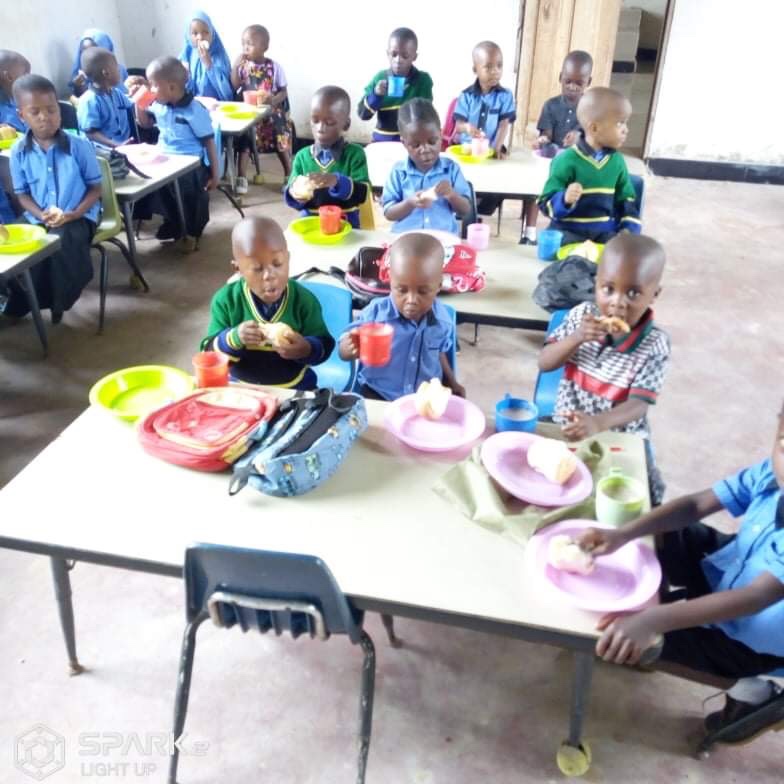
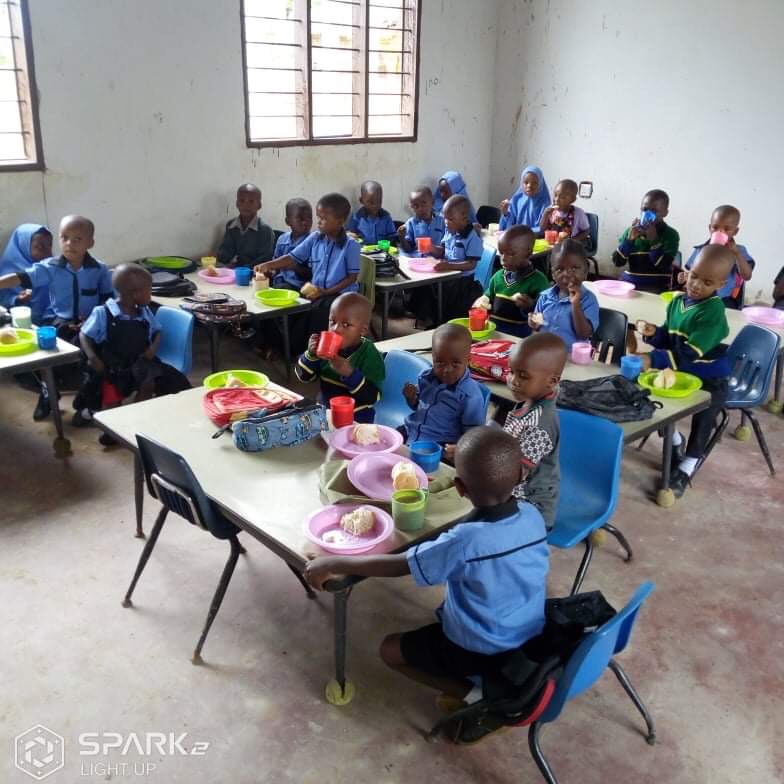
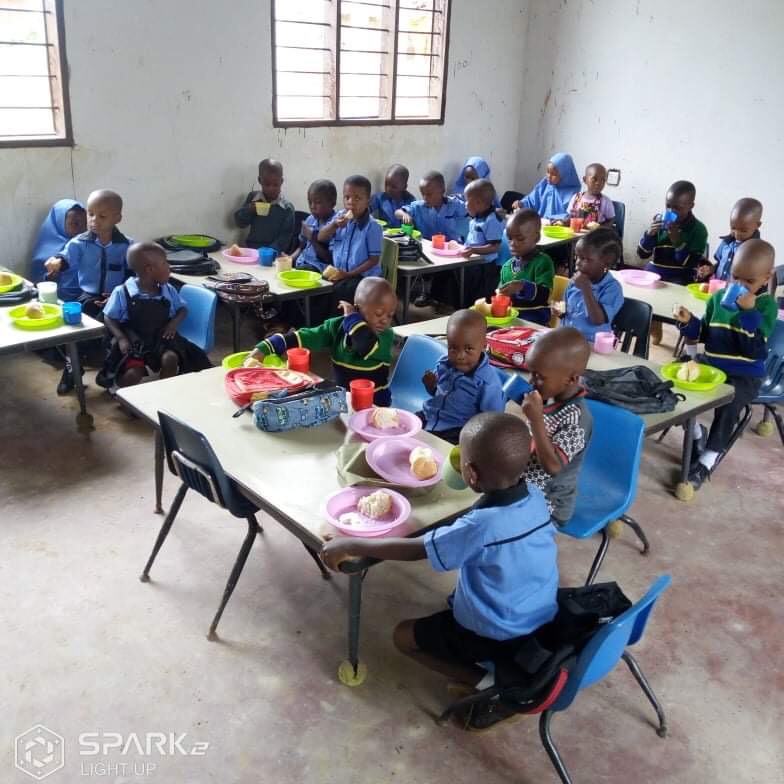
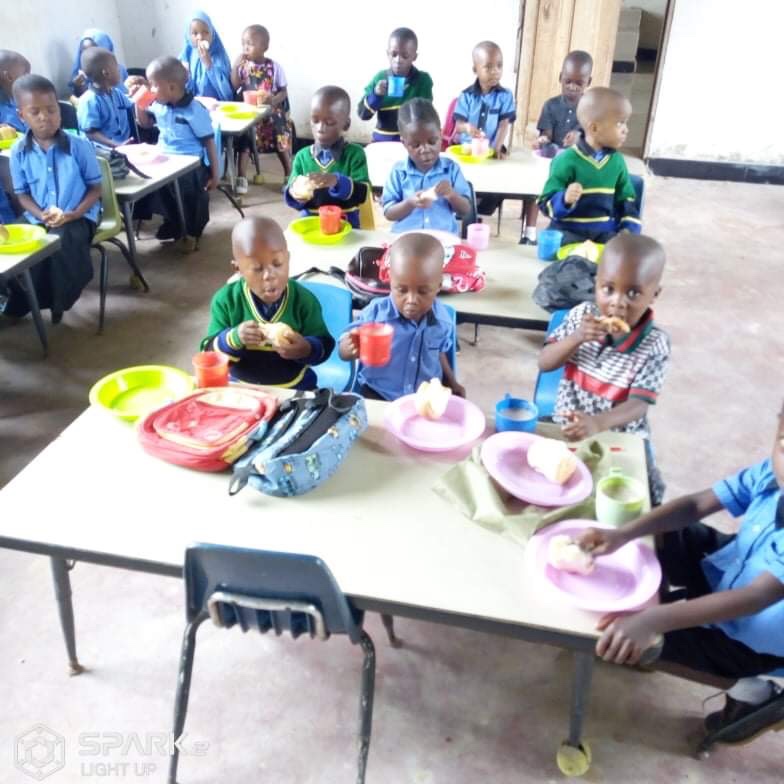
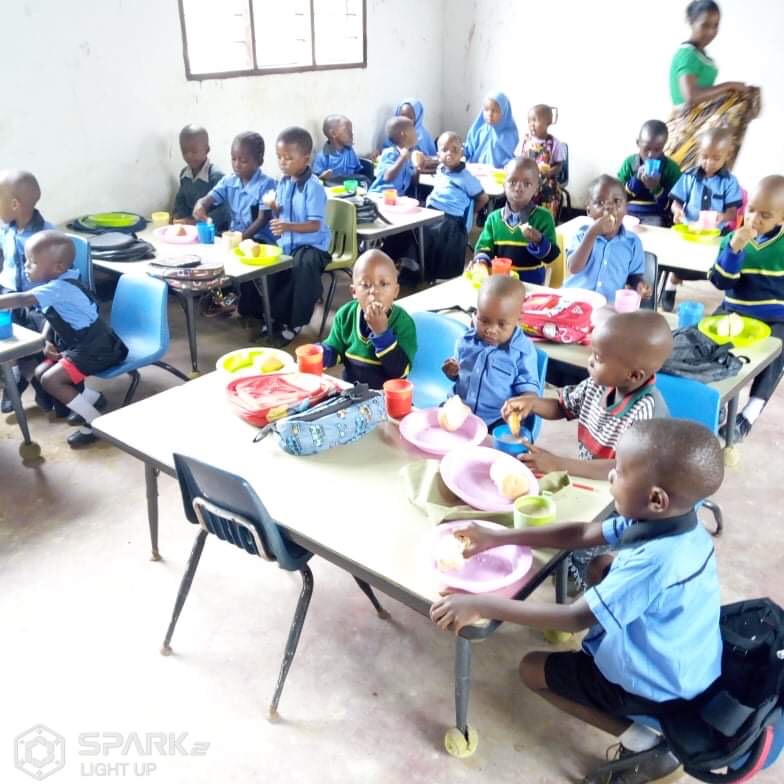
Breakfast time

What has happened: KELI opened its doors on January 11th, 2021. So far everything is going smoothly with student registration and teaching and learning.

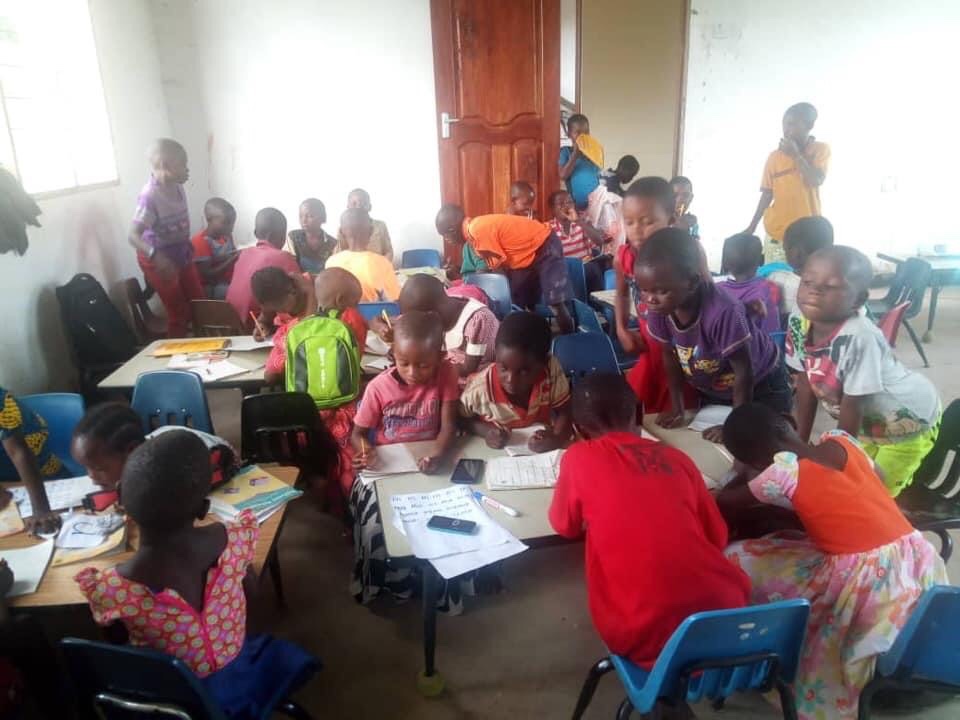
So far: KELI has registered 47 students for its nursery program. There are over 40 students registered in our after school academic enrichment program.

Our ground keeper

Pipeline: KELI is currently creating a program for unemployed youth in our community to learn a skill that will help them to create self-employment. We will be focusing on things like motorcycle mechanics, Agribusiness, Value adding in agricultural products, IT skills, and so forth.

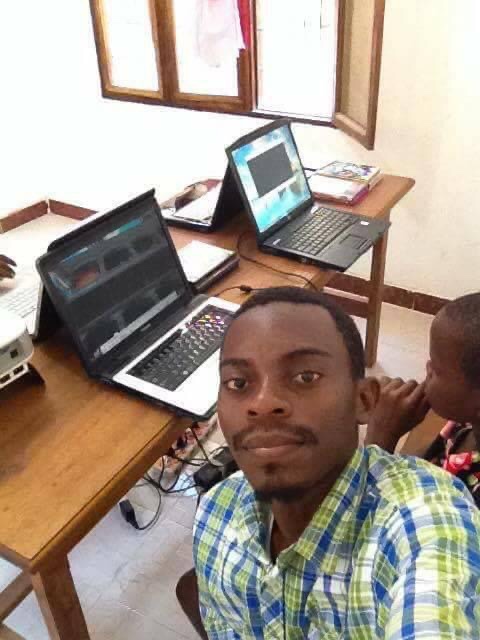
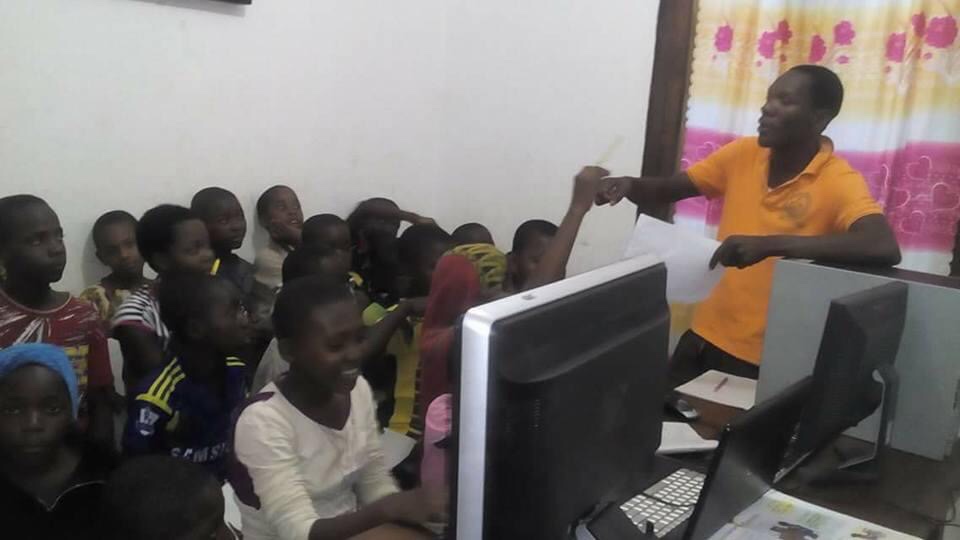
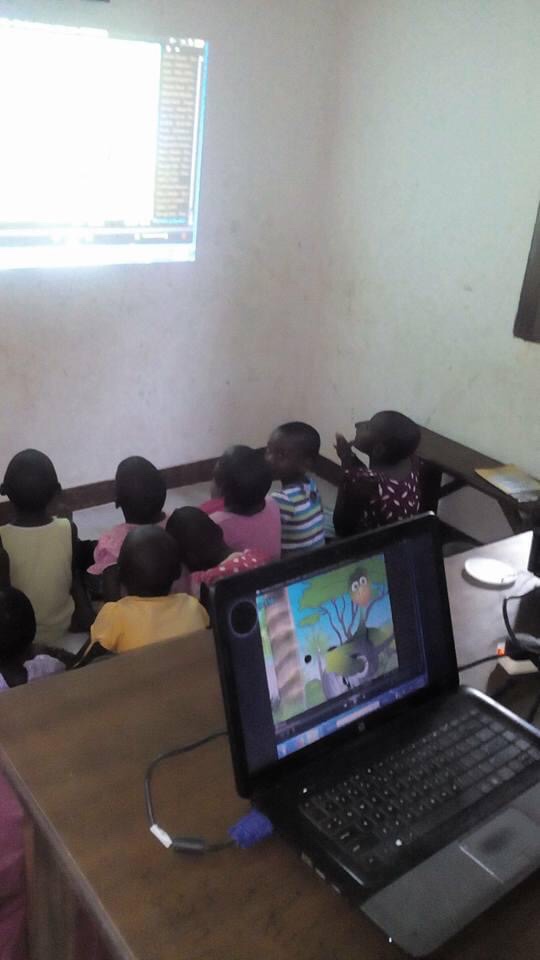
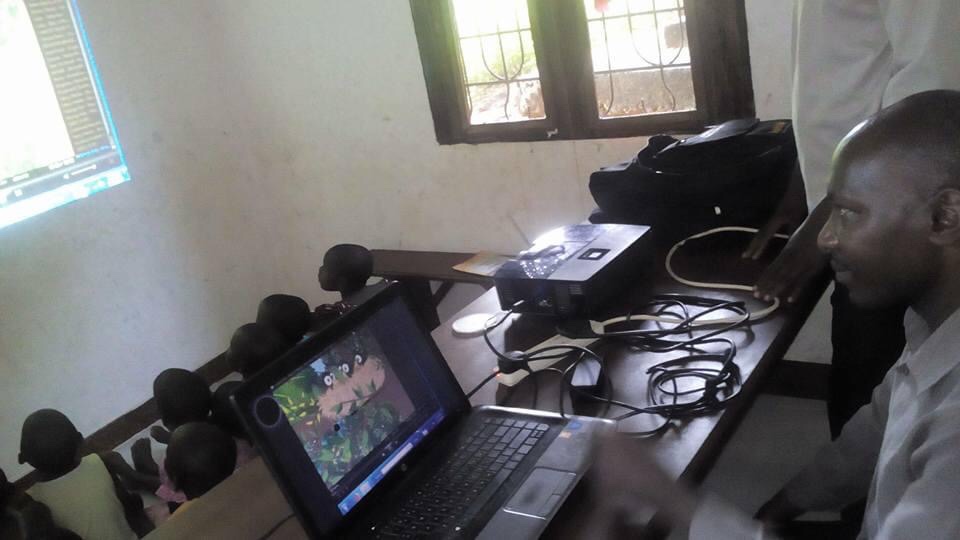
Computer training program

Another achievement: To support 20 students from needy families, KELI successfully fundraised $1610 through the GoFundMe platform. You can still support us here: gf.me/u/zfvad8

Near future aspirations: KELI aspire to connect students to the internet. This will be a great experience for the kids in the village to connect with other kids across the globe. Thus, we are looking for a sponsor to fund internet access for the center. Internet subscription costs Tshs 150,000 ($69) per month. The total cost for the whole year will be $800. Again you can support the kids here: gf.me/u/zfvad8

Our chef.

Thank you so very much.

Random Pics from Kibogoji Experiential Learning, Inc


Our ground keeper at Kibogoji Experiential Learning, Inc
Our majorly beautiful and excellent chef at Kibogoji Experiential Learning, Inc.
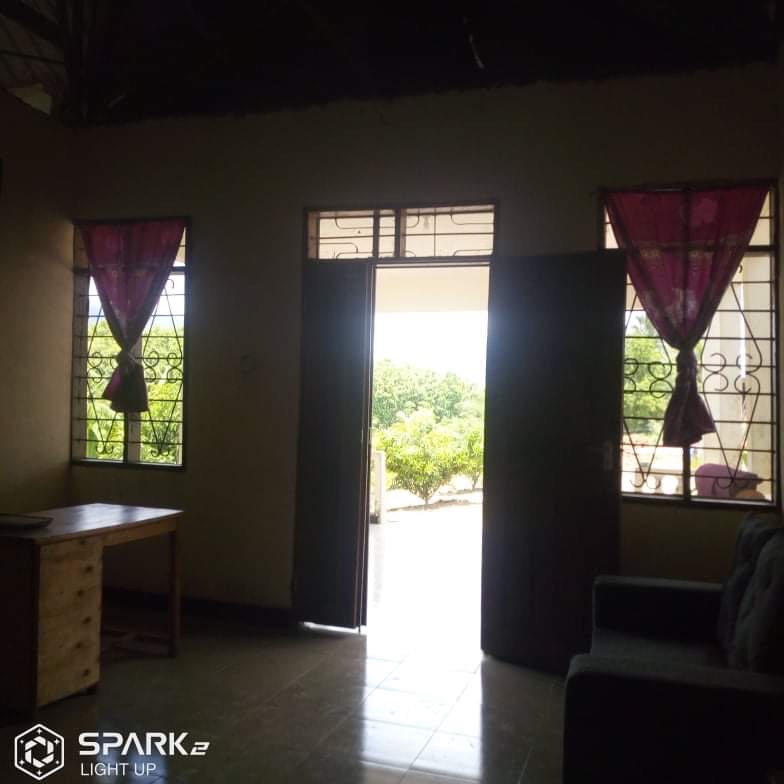
Entry way at Kibogoji Experiential Learning, Inc.
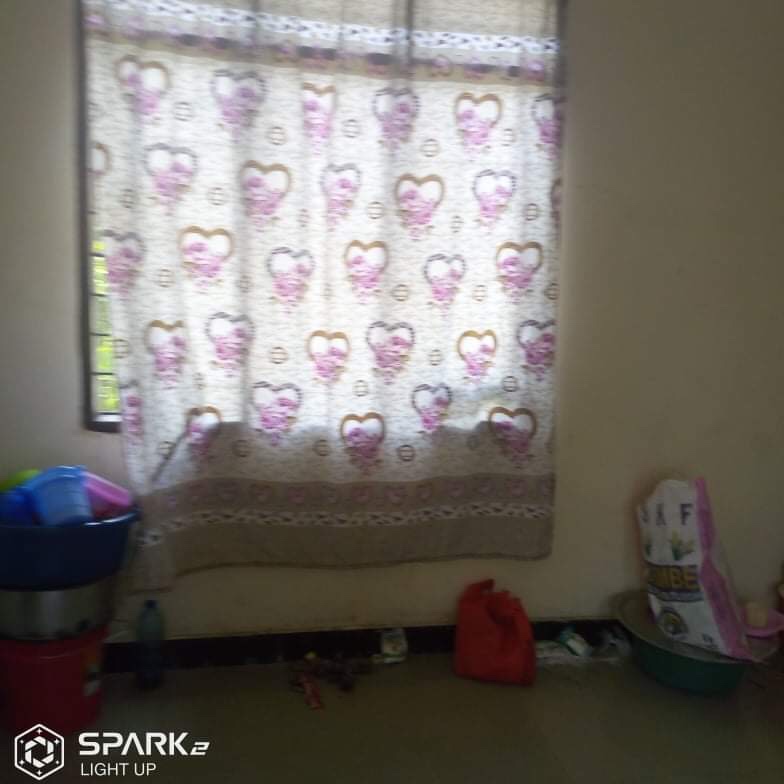
We put some window curtains to keep sunlight out.
This beautiful coach awaits our visitors at the lobby.

A call for proposals

A Call for grant Proposals:

A philanthropist would lik be to help solve:

1) youth unemployment in rural Tanzania-outside regional centers,

2) curb unemployed youth migration into cities in Tanzania.

The philanthropist would like to give away $10,000 a year for five years to sponsor a program that would create rural youth entrepreneurship training that would lead to direct self- employment opportunities.

Youth completing the training program must be able to self-employ with a small seed capital grant.

Note: The training program must lead to youth self-employment right after graduation. Therefore, general education programs do not qualify.

Deadline: January 30th, 2021.

Send your proposals to: skfundi@hotmail.com

Parents: Thank You Sponsors


A parent interview at Kibogoji Experiential Learning, inc. He is talking about the quality of education at KELi and thanking those who support it.

Update: Sponsor a child’s education for $135 per year.


Thank you so very much to all our supporters past and present. We were able to raise $1480 in the past 4 days. This money will pay half of school fees for 20 children from underprivileged families to attend our quality early education program at Kibogoji Experiential Learning, Inc.

Below are some videos of parents and their children providing a word of thanks to sponsors. The video is in Swahili. My apologies to those who don’t speak the language.

Again, I could not do this alone. This is a huge milestone and it could not be reached without your support and trust in me. I am humbled and truly appreciative of your continued support.

Your suggestions, comments, words of encouragement— keeps us going.

Please continue to support our efforts. If you have not supported yet, you still can. Here is the link: https://www.gofundme.com/f/sponsor-a-child-for-a-year-for-135-at-keli?sharetype=teams&member=7938162&utm_medium=copy_link&utm_source=customer&utm_campaign=p_na+share-sheet&rcid=d70e77ec5e1c40a69b09c39d715749c2

Shaaban Fundi , Ph.D.

Parents thanking sponsors. Moving tributes.
Parents and guardians offering thank you words to sponsors

Sponsor a child at Kibogoji Experiential Learning, Inc


Kibogoji Experiential Laerning, Inc 2021

We plan to sponsor 10 kids from low-income families to receive early childhood education at the Kibogoji Nursery School and After School Academic Enrichment Programs.

You can sponsor a child for the entire year by donating $135. We accept donations in any amount to keep the school running.

You can donate here: https://www.gofundme.com/f/sponsor-a-child-for-a-year-for-135-at-keli and here: $ShaabanKFundi

Thank you for your support.

Job Opportunity


JOB DESCRIPTION 

Position: DIRECTOR  

Reports to:  KELI BOARD CHAIR 

Main purpose of the job:  

• Under the overall direction of the board play a lead role in formulating the aims, objectives of the schools and establishing the policies through which they are to be achieved  

• Responsible for the standards and curriculum of all pupils including monitoring of progress towards achievement  

• Proactively manage staff and resources  

• Take full responsibility for the day to day running of the school  

 • Carry out the professional duties of a teacher as required  

• Take responsibility for safeguarding issues as appropriate  

• Take responsibility for promoting and safeguarding the welfare of children and young people within the school  

Duties and responsibilities: Strategic Leadership (Shaping the Future)  

● In partnership with the KELI BOARD CHAIR, establish and implement an ambitious vision and ethos for the future of the school  

● Play a leading role in the strategic development and school self-evaluation planning process  

● In partnership with the Senior Leadership Team, manage school resources  

● Devise, implement and monitor action plans and other policy developments  

● Lead by example to motivate and work with others  

● In partnership with the KELI BOARD CHAIR, lead by example when implementing and managing change initiatives  

● Promote a culture of inclusion within the school community where all views are valued and taken into account Teaching & Learning and Student Well-being  

• Be an excellent role model, exemplifying a high standard of teaching and promoting high expectations for all members of the school community  

• Work with the Senior Leadership Team to raise standards through staff performance management  

• Lead the development and delivery of training and support for staff  

• Lead the development and review of all aspects of the curriculum including planning, recording and reporting, assessment for learning and the development of a creative and appropriate curriculum for all pupils (in partnership with the Head of KELI)  

• Work in partnership with the KELI BOARD CHAIR in managing the school through strategic planning, the formulation of policy and the delivery of strategy, ensuring management decisions are implemented  

• Working in partnership with the KELI BOARD CHAIR, lead the processes involved in monitoring, evaluating and challenging the quality of teaching and learning taking place throughout the school, including lesson observations to ensure consistency and quality  

• Ensure the systematic teaching of learning and life skills and recording of impact is consistently high across the school  

• Develop and review systems to ensure robust evaluation of school performance, progress data and actions to secure improvements comparable to appropriate national standards  

• Ensure, through leading by example, the active involvement of students and staff in their own learning Leading and Managing Staff-Developing Self and Others  

● Support the development of collaborative approaches to learning within the school and beyond ● Organize and support the induction of staff new to the school and those being trained within the school  

● Act as an induction coordinator and have responsibility for students on teaching practice and those undertaking work experience, as appropriate.  

● Participate as required in the selection and appointment of teaching and support staff, including overseeing the work of supply staff/trainees/volunteers in the school  

● Be an excellent role model for both staff and pupils in terms of being reflective and demonstrating a desire to improve and learn  

● Take responsibility and accountability for identified areas of leadership, including statistical analysis of pupil groups, progress data and target setting  

● Work with the KELI BOARD CHAIR to deliver an appropriate program of professional development for all staff including quality coaching and mentoring, in line with the school improvement plan and performance management  

● With the KELI BOARD CHAIR, lead the performance management process for all identified support and teaching staff Operational Management  

● Ensure the day-to-day effective organization and running of the school including the deployment of staff as appropriate  

● Lead, in partnership with the KELI BOARD CHAIR, regular reviews of all school systems to ensure the Tanzanian Education System statutory requirements are being met and improved on where appropriate  

● Ensure the effective dissemination of information, the maintenance of and ongoing improvements to agreed systems for internal communication  

● Working with KELI BOARD CHAIR, undertake key activities related to professional, personnel/HR issues, including manage HR and other leadership processes as appropriate e.g. sickness absence, disciplinary, capability  

● Ensure a consistent approach to standards of behavior, attendance and punctuality are implemented across the school  

● Be a proactive and effective leader and educator.  

● Lead, in partnership with the KELI BOARD CHAIR, and support the staff and governing body in fulfilling their responsibilities regarding the school’s performance and standards  

● Support the board chair in reporting the school’s performance to its community and partners  

● Promote and protect the health and safety welfare of pupils and staff  

● Take responsibility for promoting and safeguarding the welfare of children and young people within the school Strengthening Community  

• Work with the KELI BOARD CHAIR in developing policies and practice, which promote inclusion, equality and the extended services that the school offers  

• Develop and maintain contact with all district specialist support services as appropriate  

• Promote the positive involvement of parents/careers in school life  

• Organize and conduct meetings where appropriate with parents and careers to ensure positive outcomes for all parties  

• Strengthen partnership with the community  

• Promote positive relationships and work with colleagues in other schools and external agencies • Work with the KELI BOARD CHAIR to promote and market KELI 

RENUMERATION AND BENEFITS 

  • Free accommodation 
  • Salary: bring own salary based on enrollment and performance. 
  • Free motorcycle transportation 

HOW TO APPLY 

KELI is a registered CBO in Turiani, Morogoro. It has a license to operate an early childhood program at its premises. Currently, there are two classrooms with the potential to accommodate 60 kindergarten students and an opportunity to run after school programs for kids attending primary and secondary schools in the area. KELI is looking to hire preferably a single mother with background and certification in early childhood education. 

Interested parties should submit a CV, cover letter, financial proposal and samples of previous relevant assignments (up to two). In addition, the application should include a narrative proposal (maximum three pages) of a unit plan for kindergarten and a two-week plan for a mixed age and mixed level after school experiential learning program for students.  

These should be sent to the following address no later than midnight on 14th, October 2020: skfundi@hotmail.com 

Why are rich out convincing poor people to go to work in America?


A case can be made that the overall economy is also very important and destruction of it will also be damaging to workers’ health. But that’s not what is motivating these return to work calls.

The rich are worried that a precedent is being established that the government will pay people to not work, that we can be bailed out, just like they are when something goes wrong.

And when workers won’t work, rich people start losing money.

The rich have seen their investments value decline and will continue to do so. As such they are worried and lobbying to protect their wealth. Corporate bail outs are quick and long term. Consequences are for the next CEO (to get bailed out), investing in people takes time. Failure removes their bonuses and incentives.

The whole US corporate governance structure actively incentiveses this behaviour.

They may even think they are “entitled” to the fruits of our labor, and they are being treated unfairly. In their view, if a few thousand, or perhaps tens of thousands die while maintaining the status quo, well that’s good for the country, because it’s good for them.

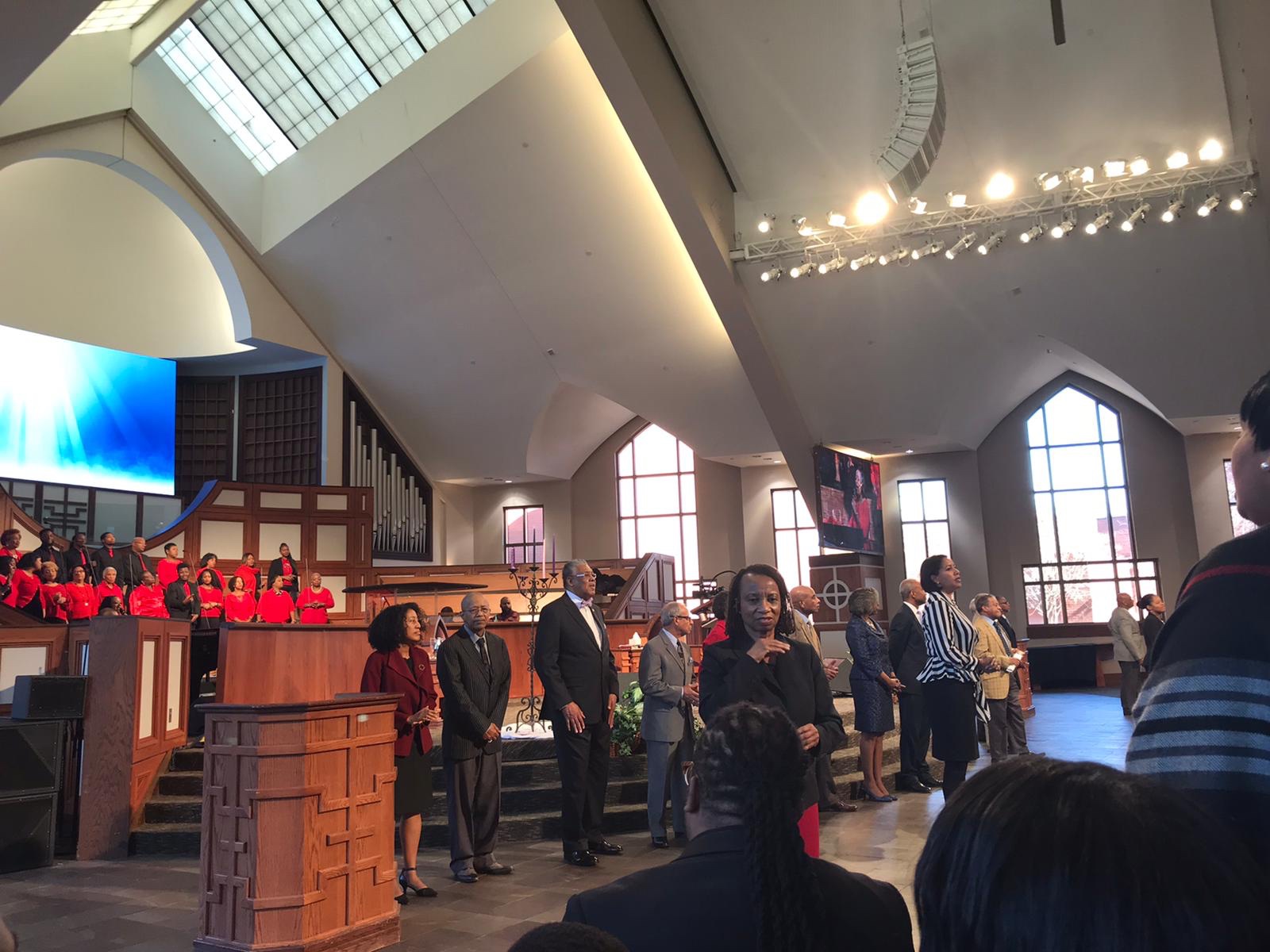
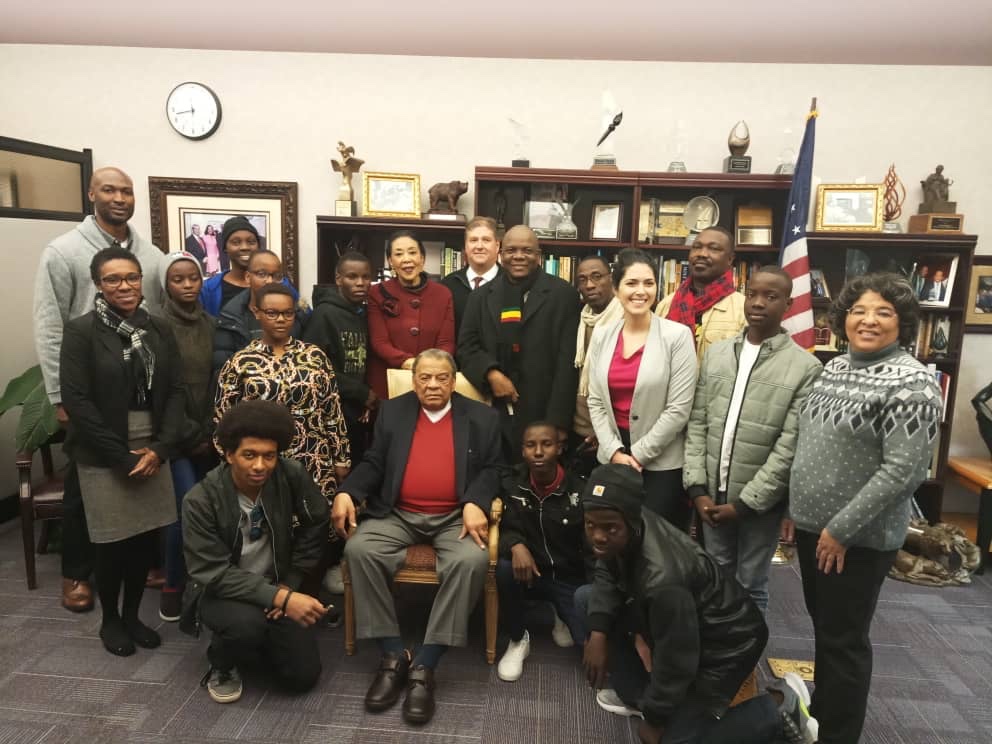
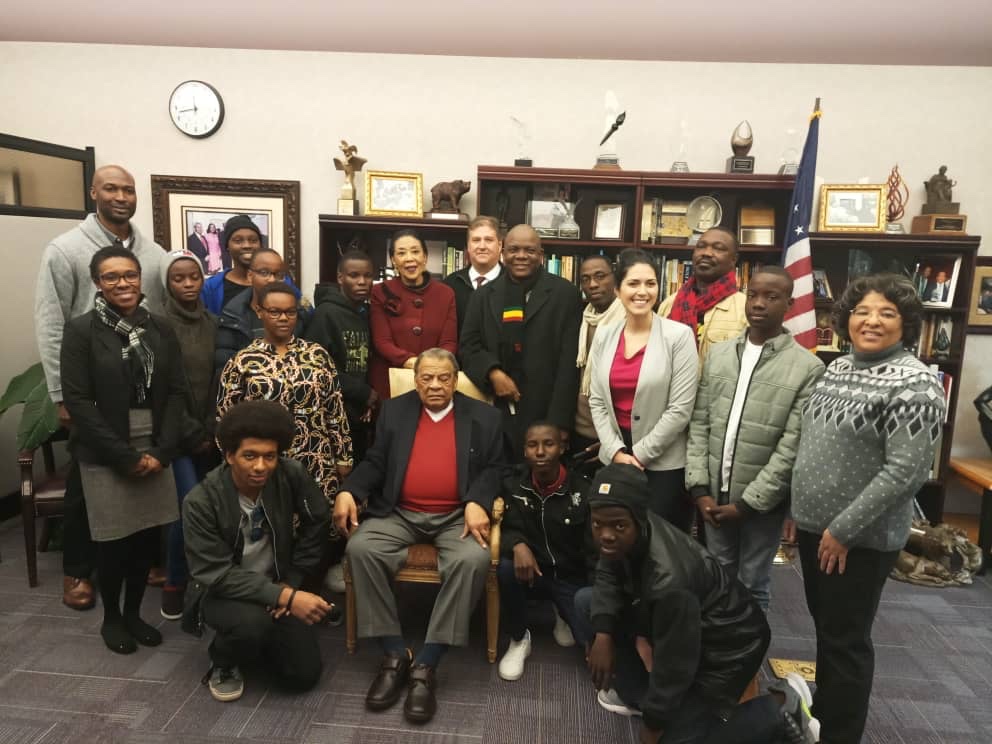
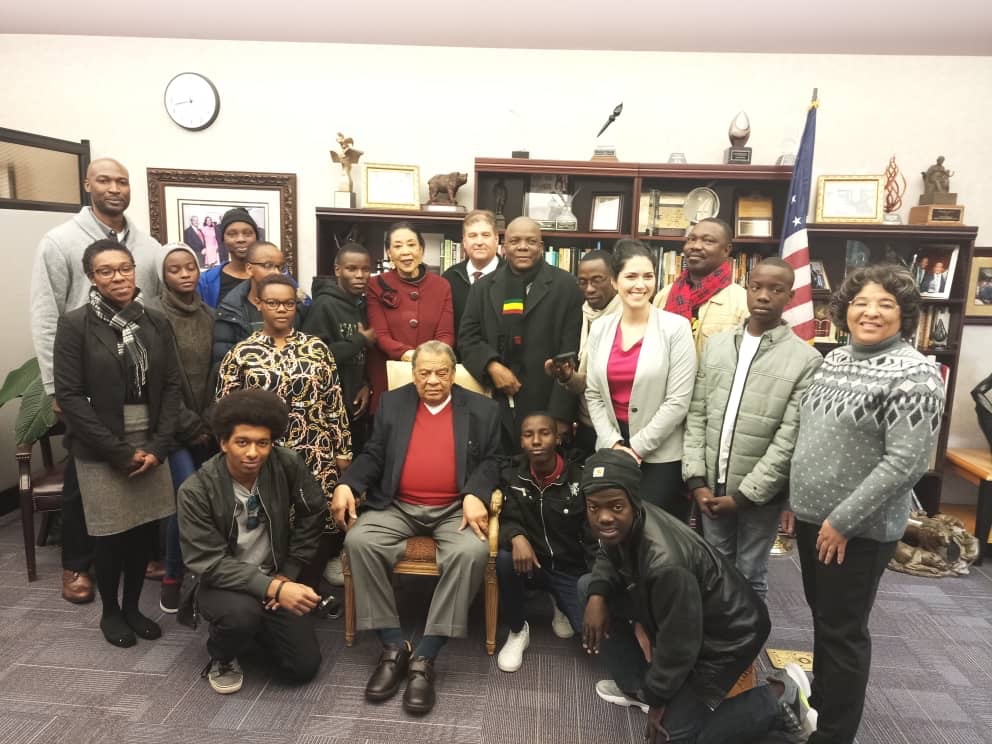
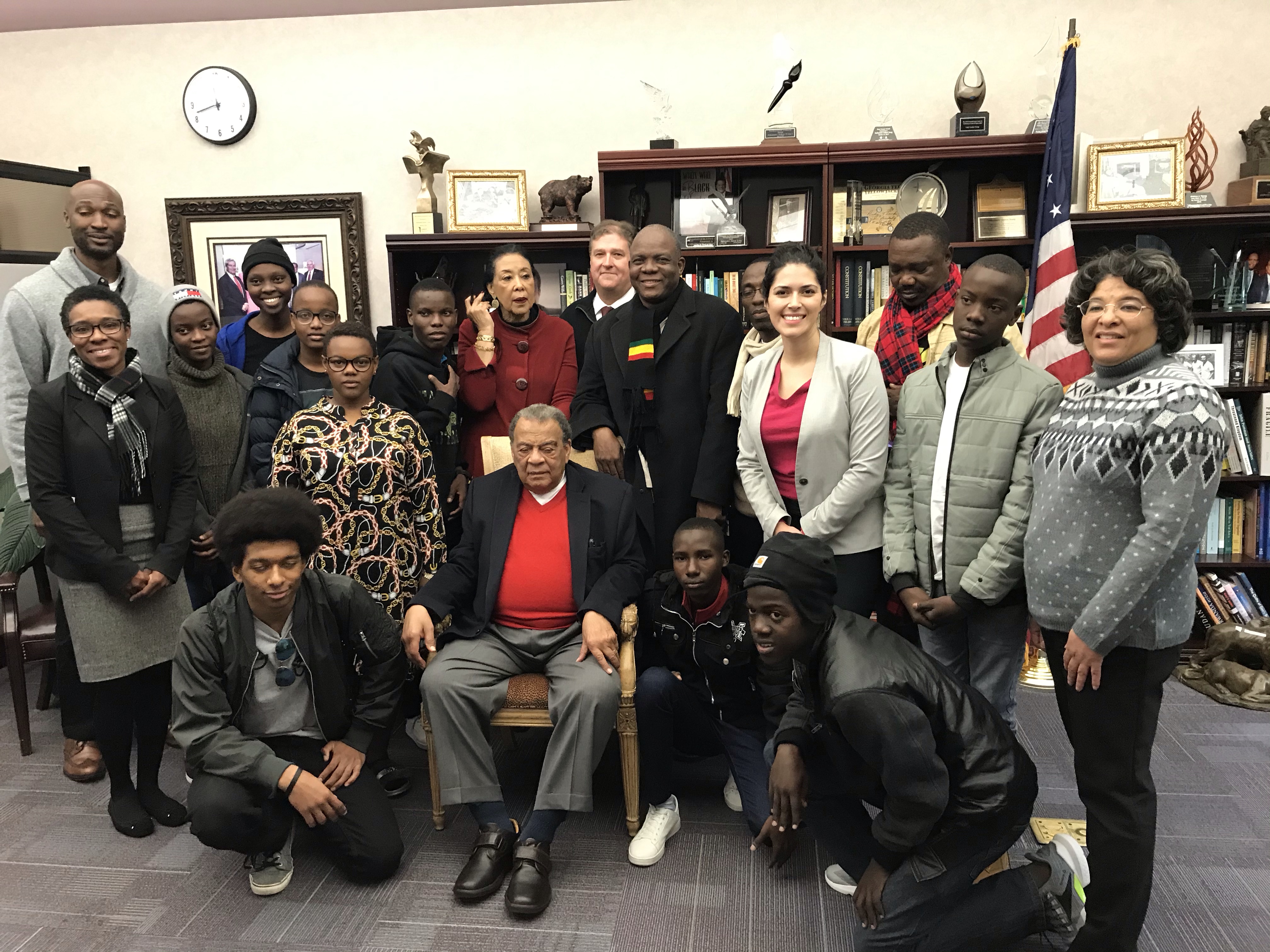
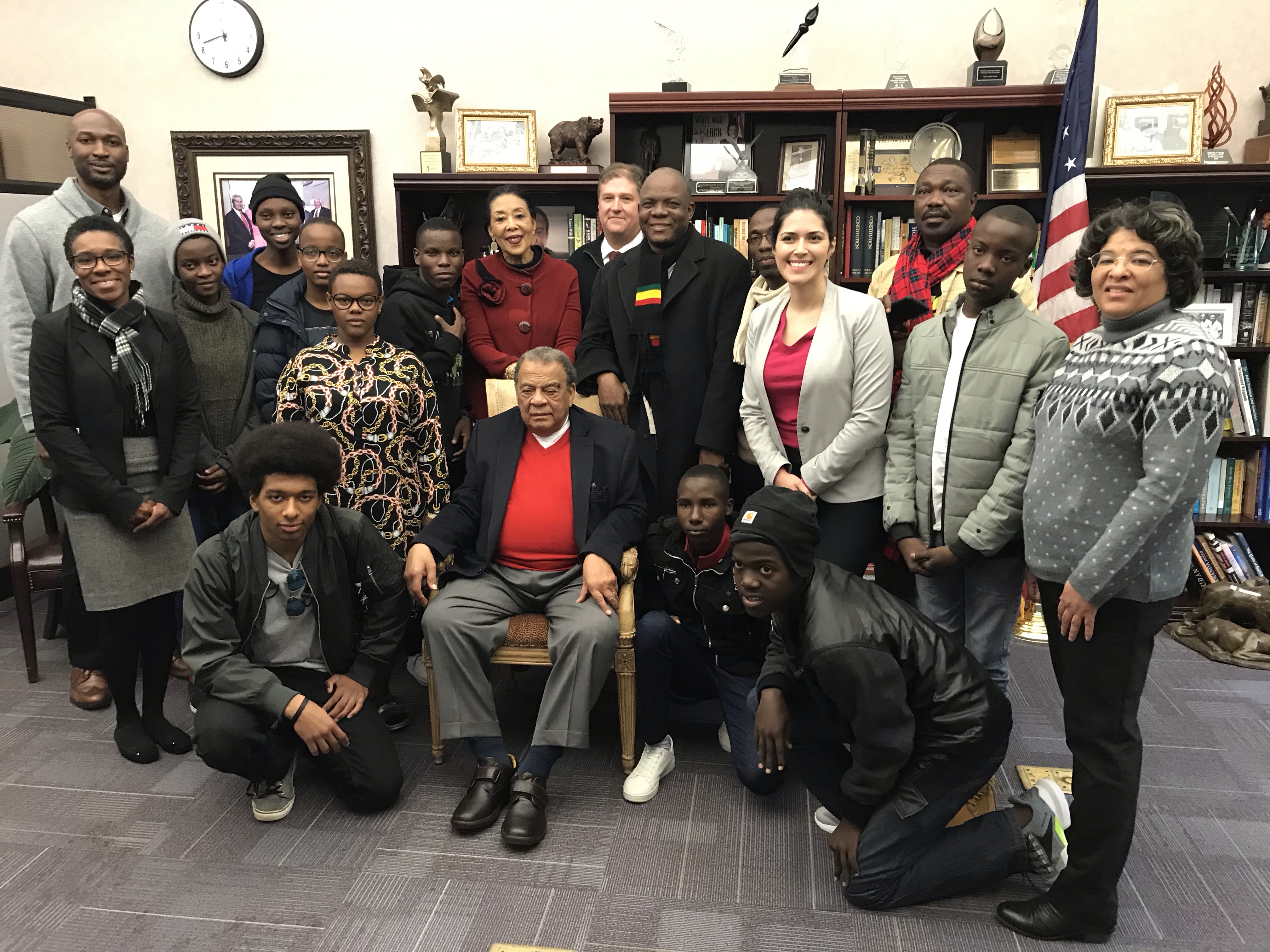
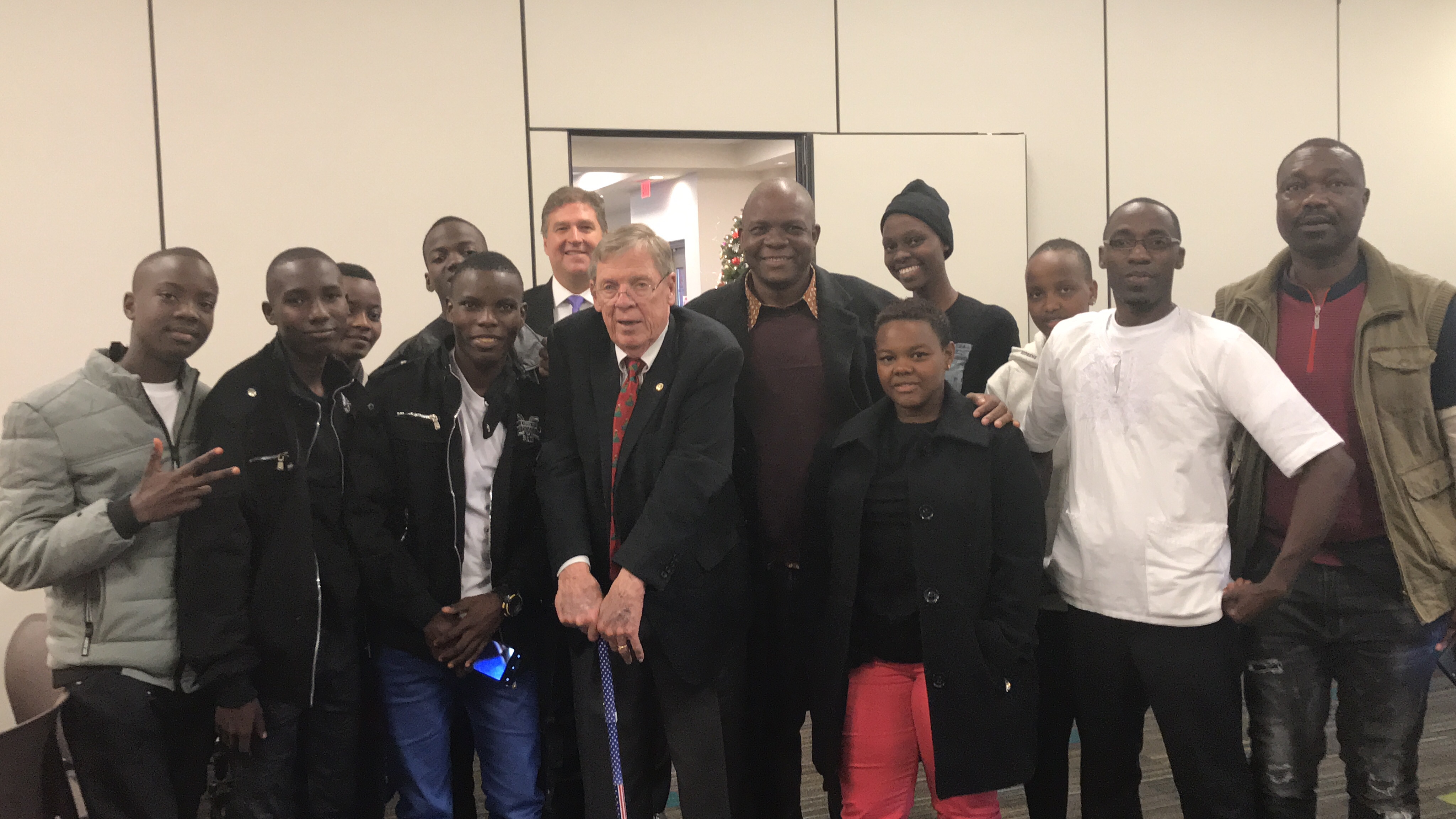
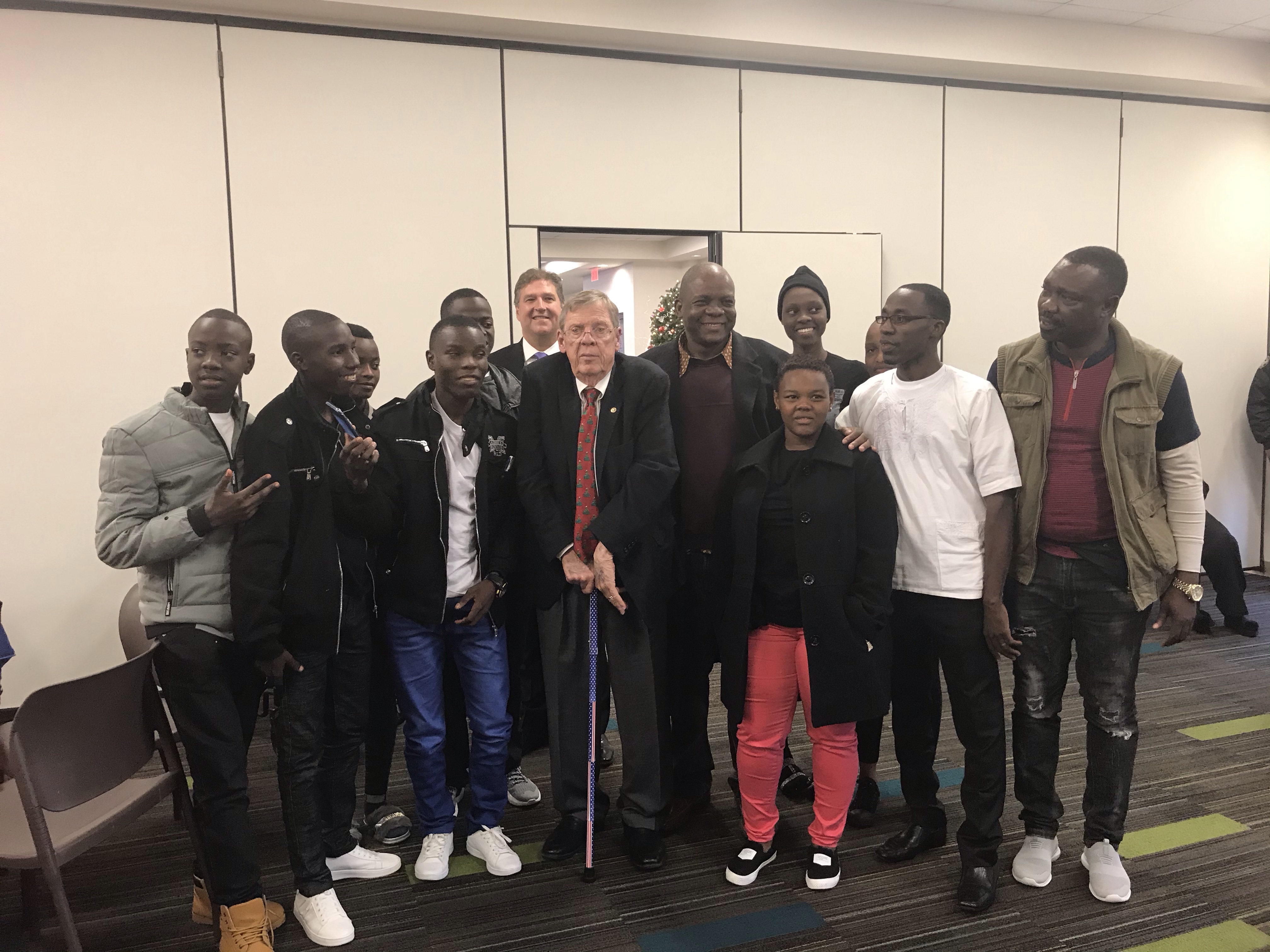
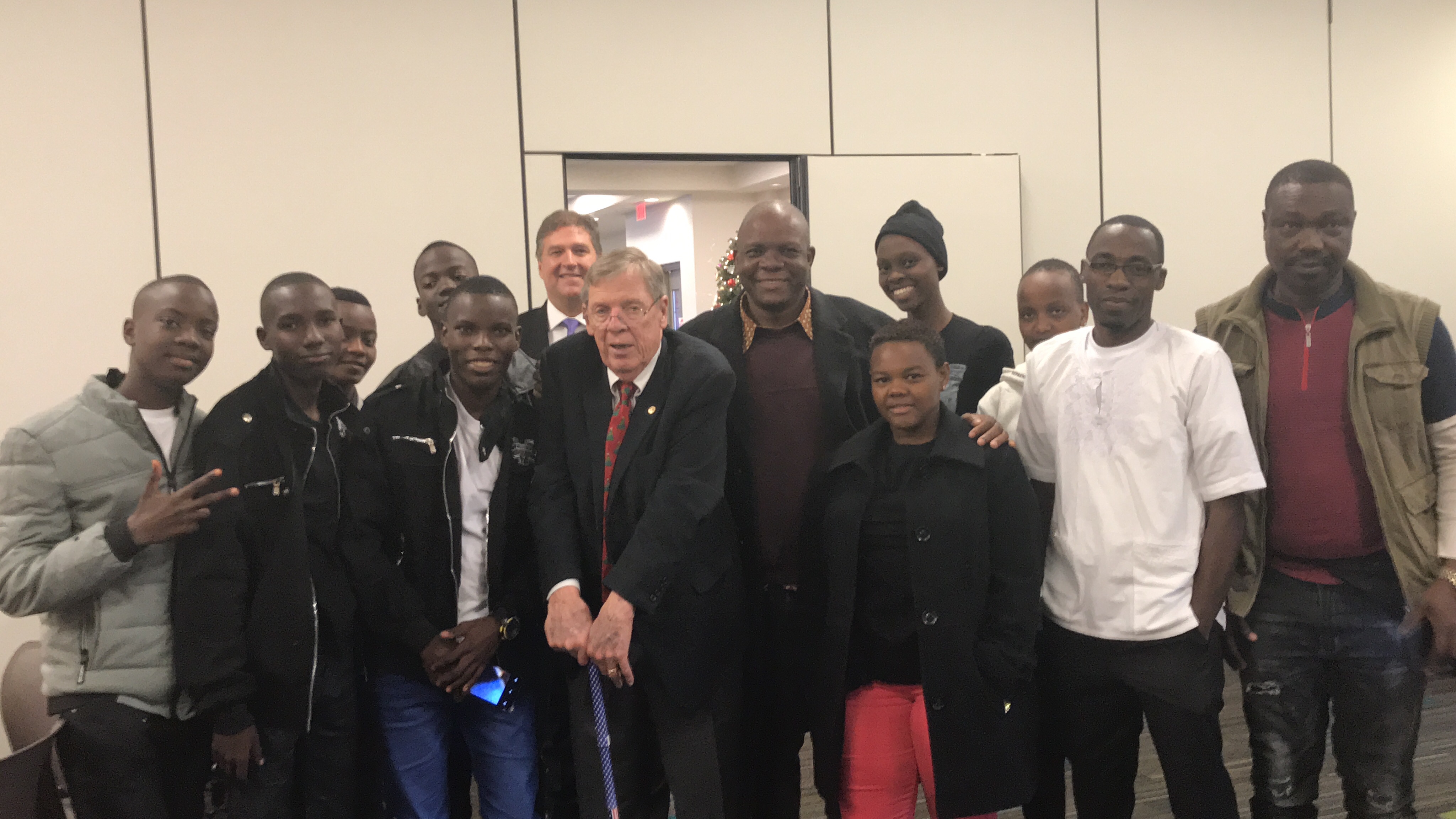
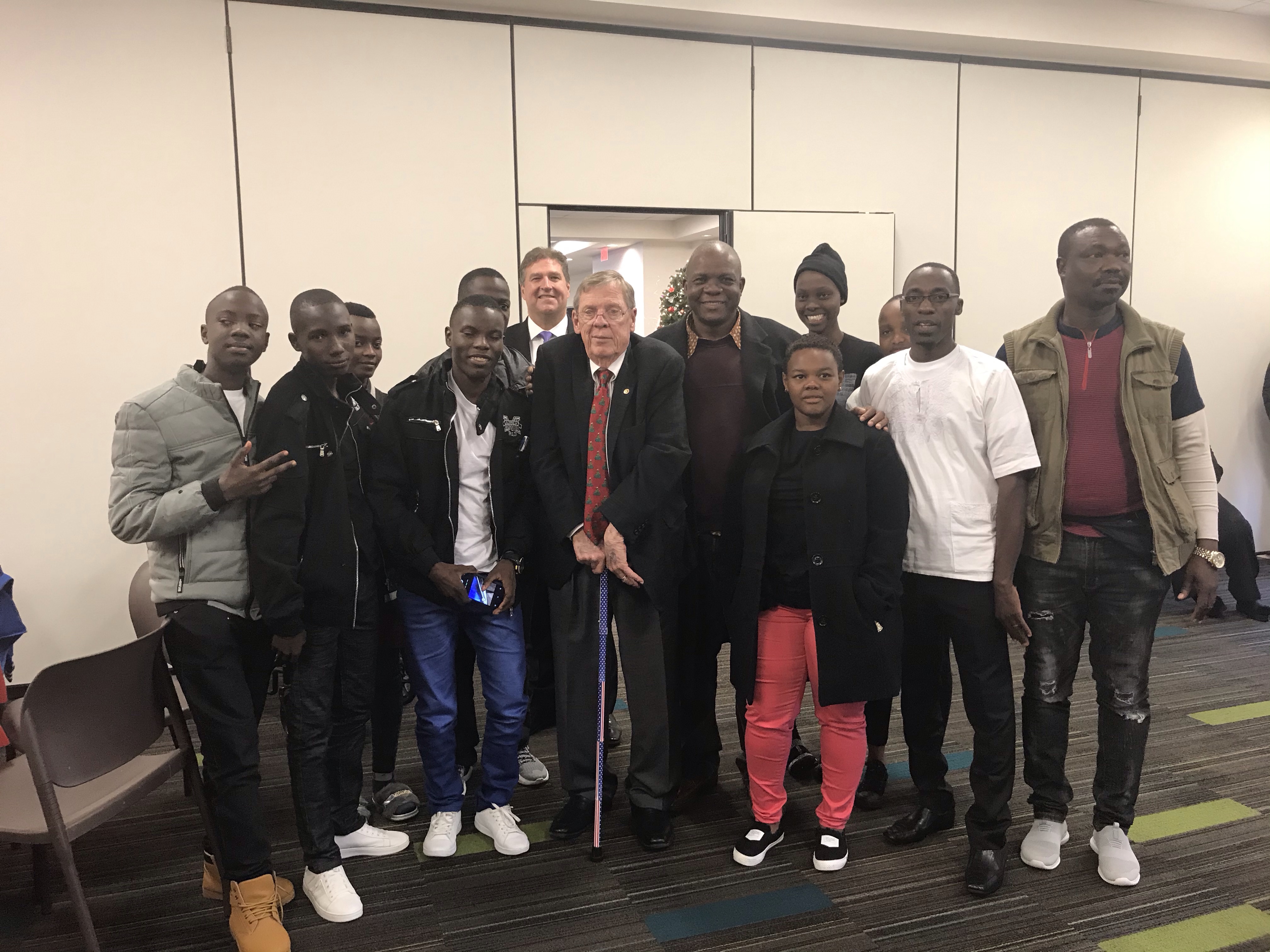
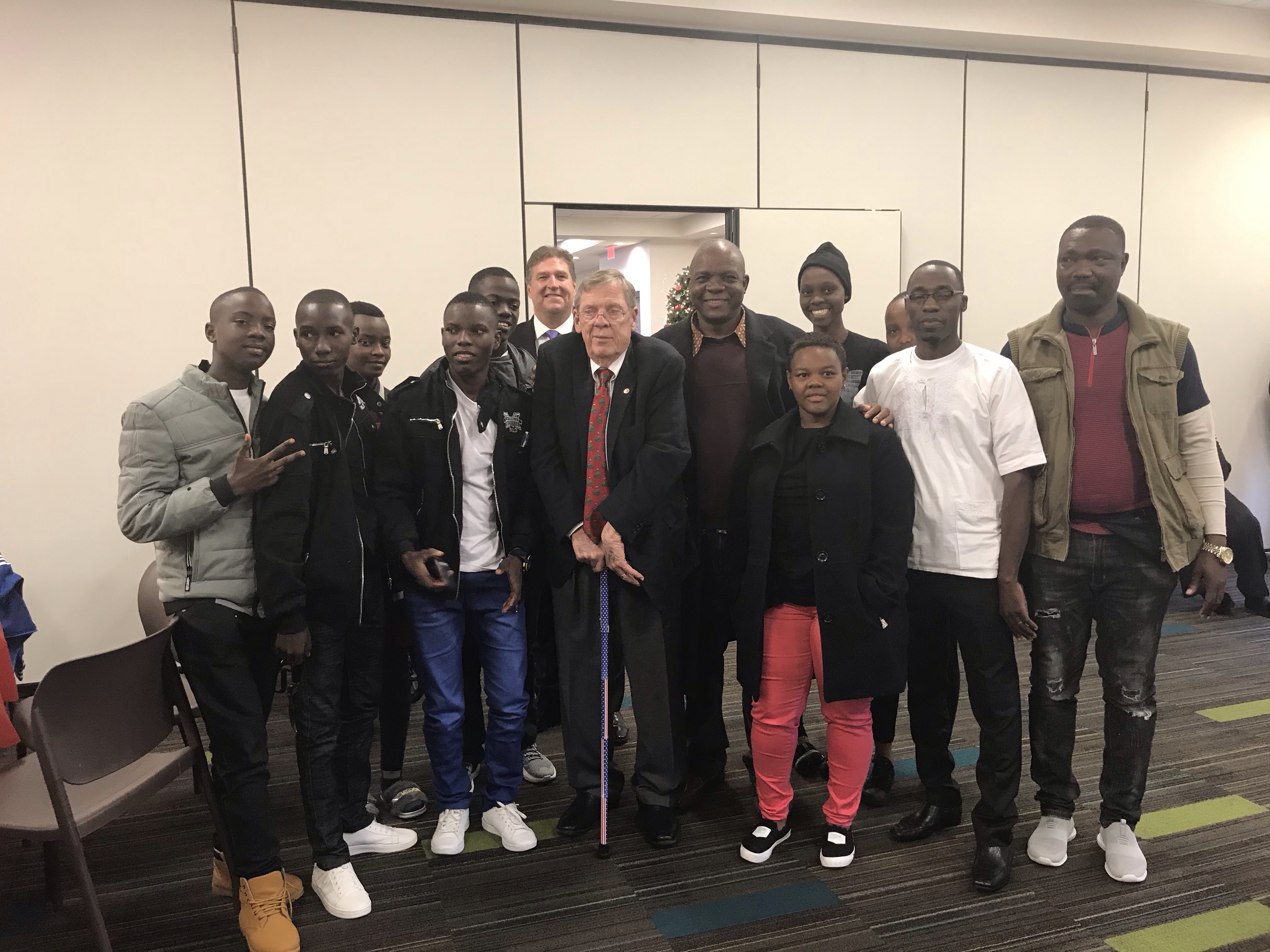
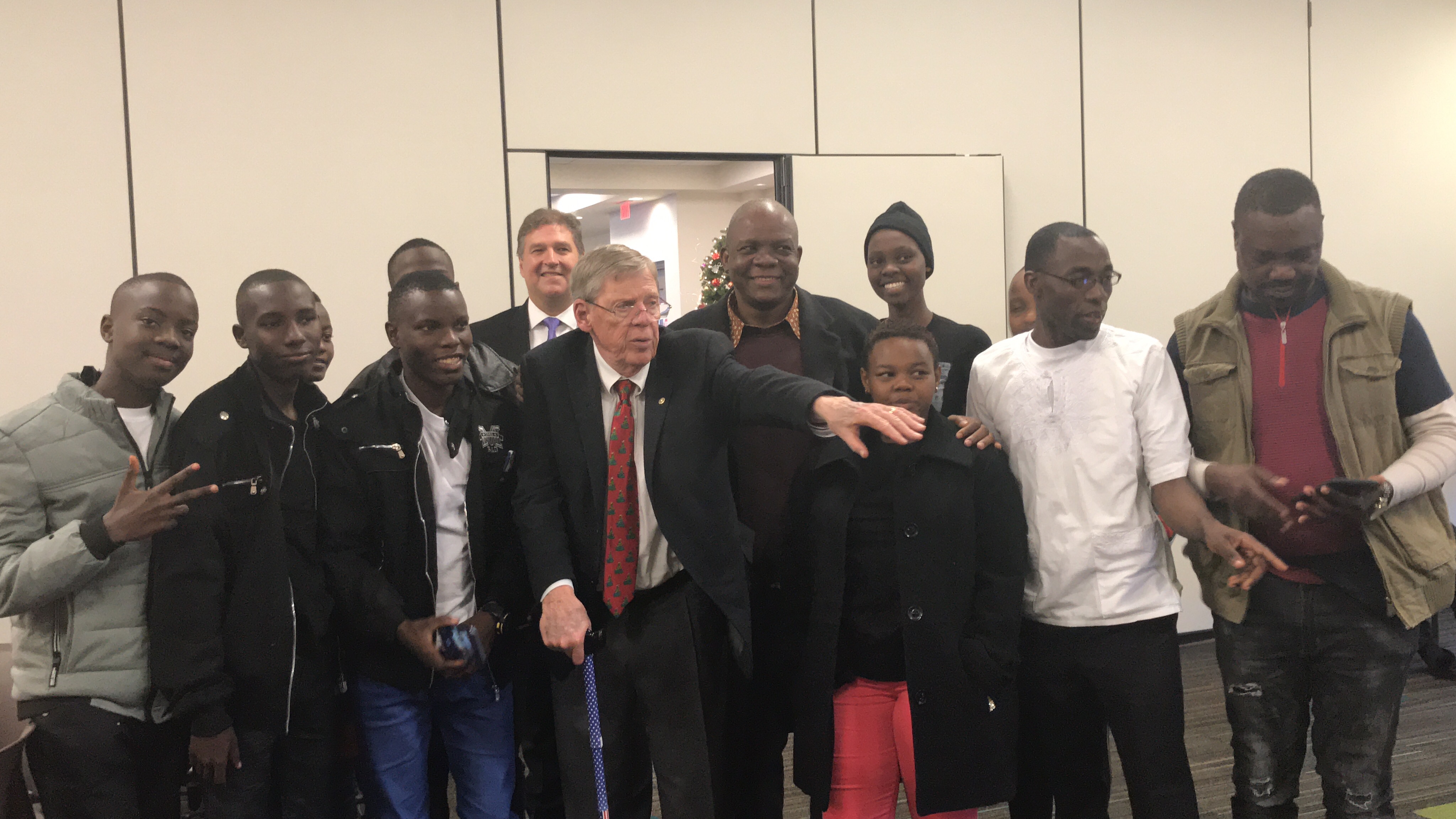
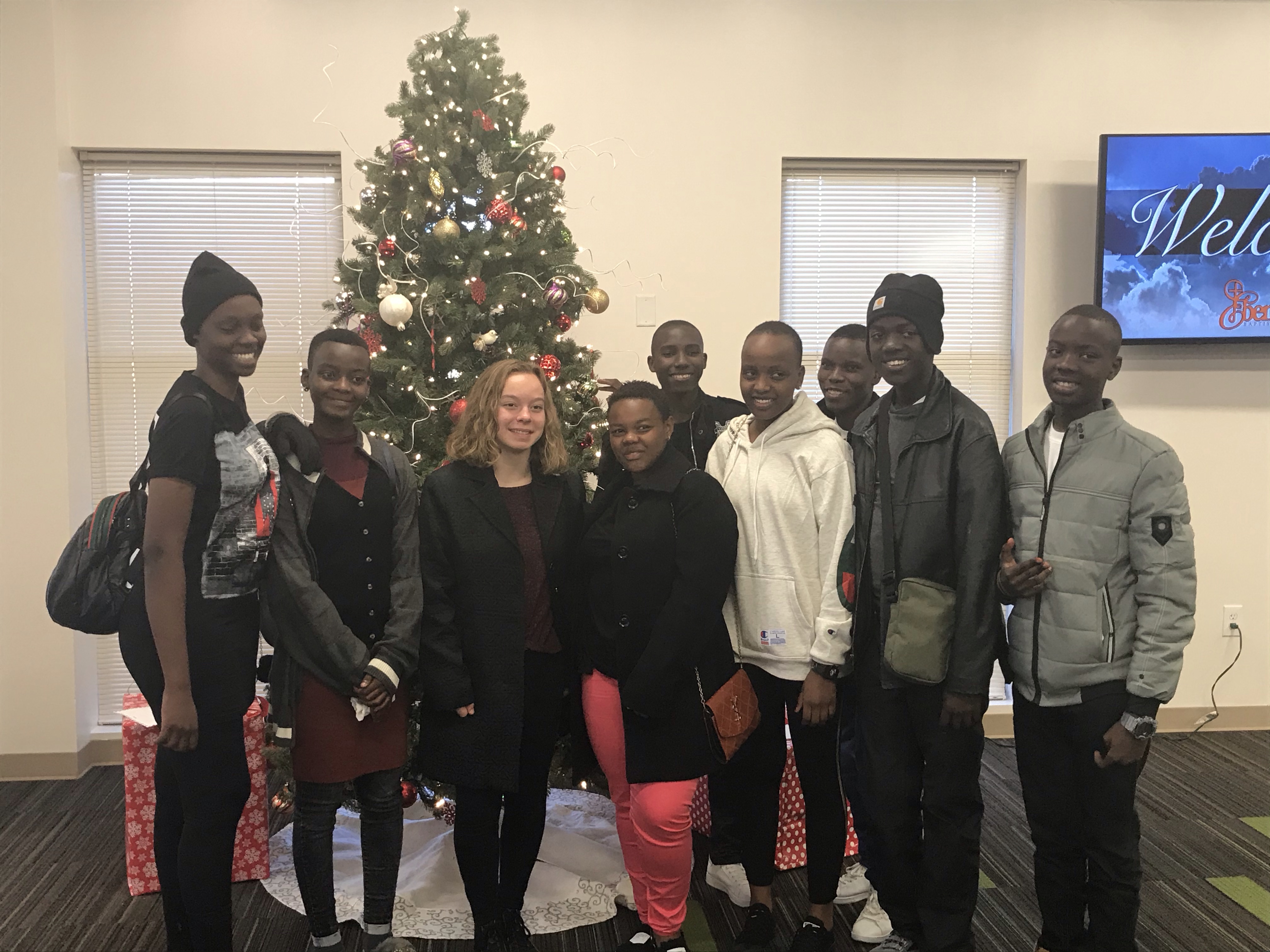
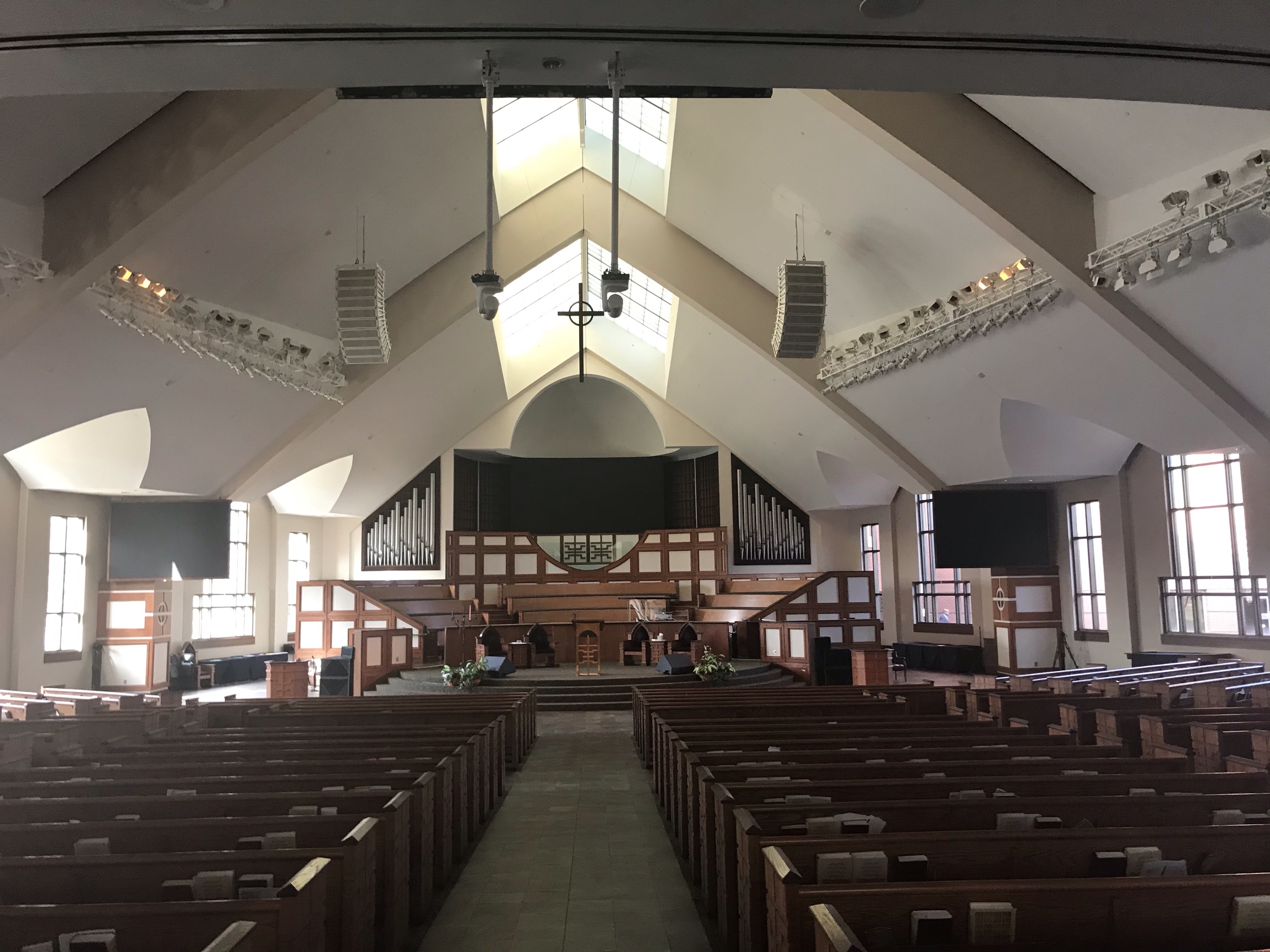
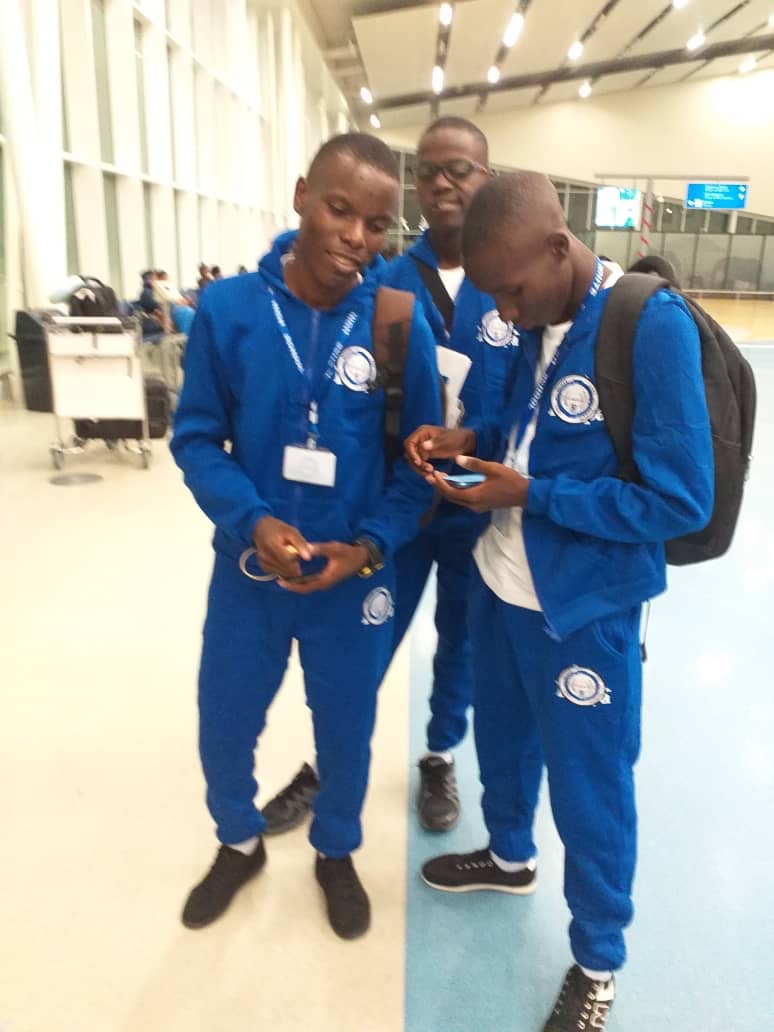
Georgia Senator Johnny Isakson with the Tanzanian Exchange Students (from Dar Es Salaam, Tanzania) at the Historic Ebenezer Baptist Church in Atlanta Georgia USA.


The first ever exchange program between a school in Tanzania and a school in the United States.


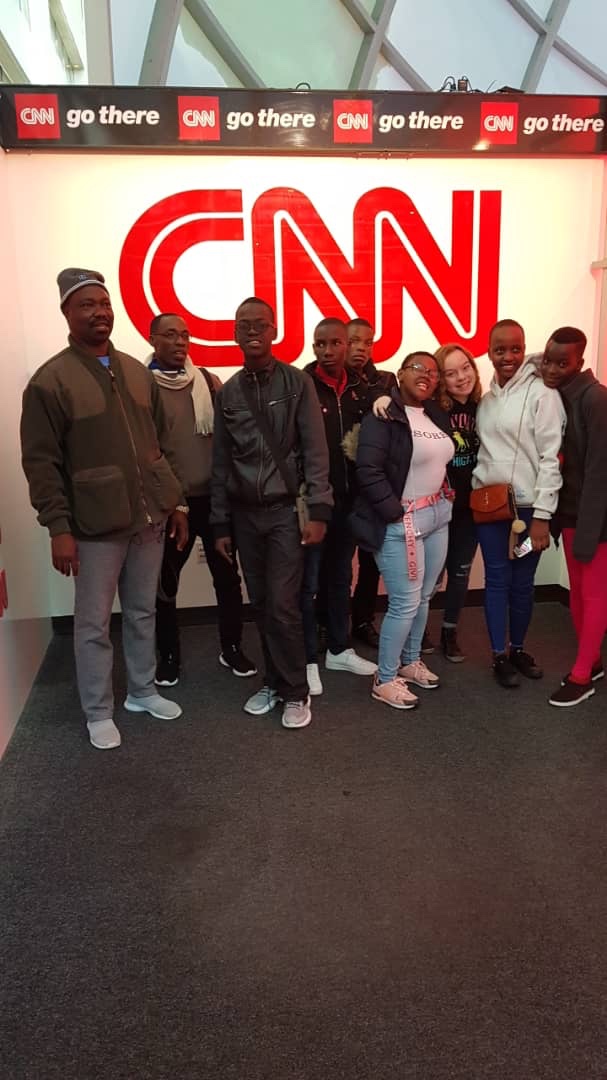
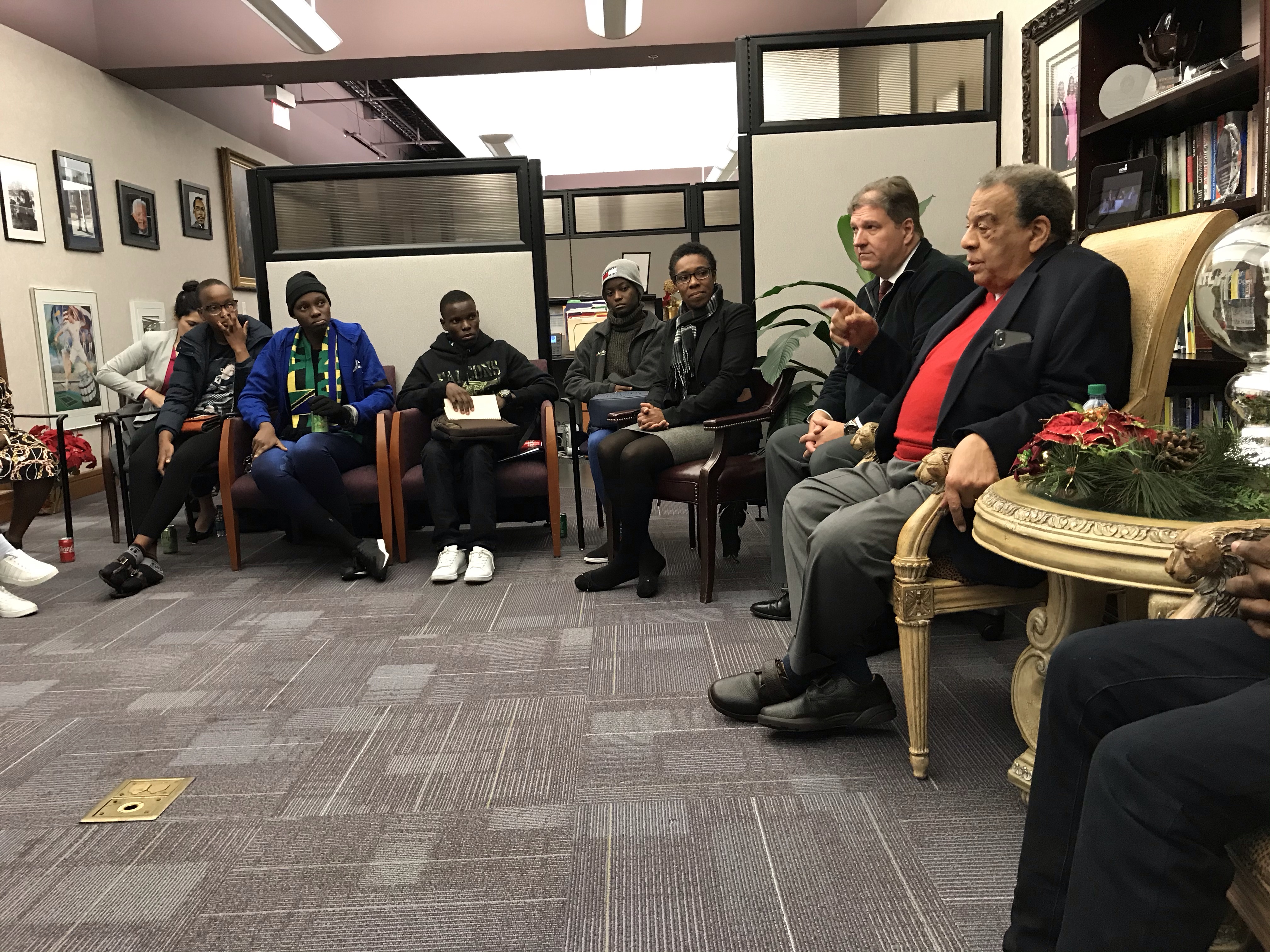
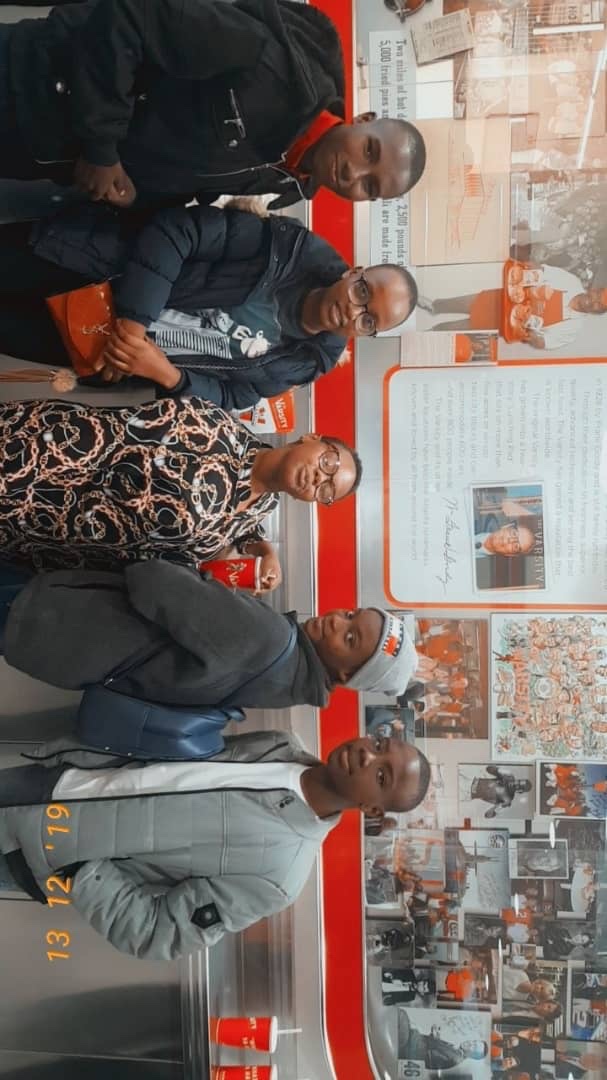
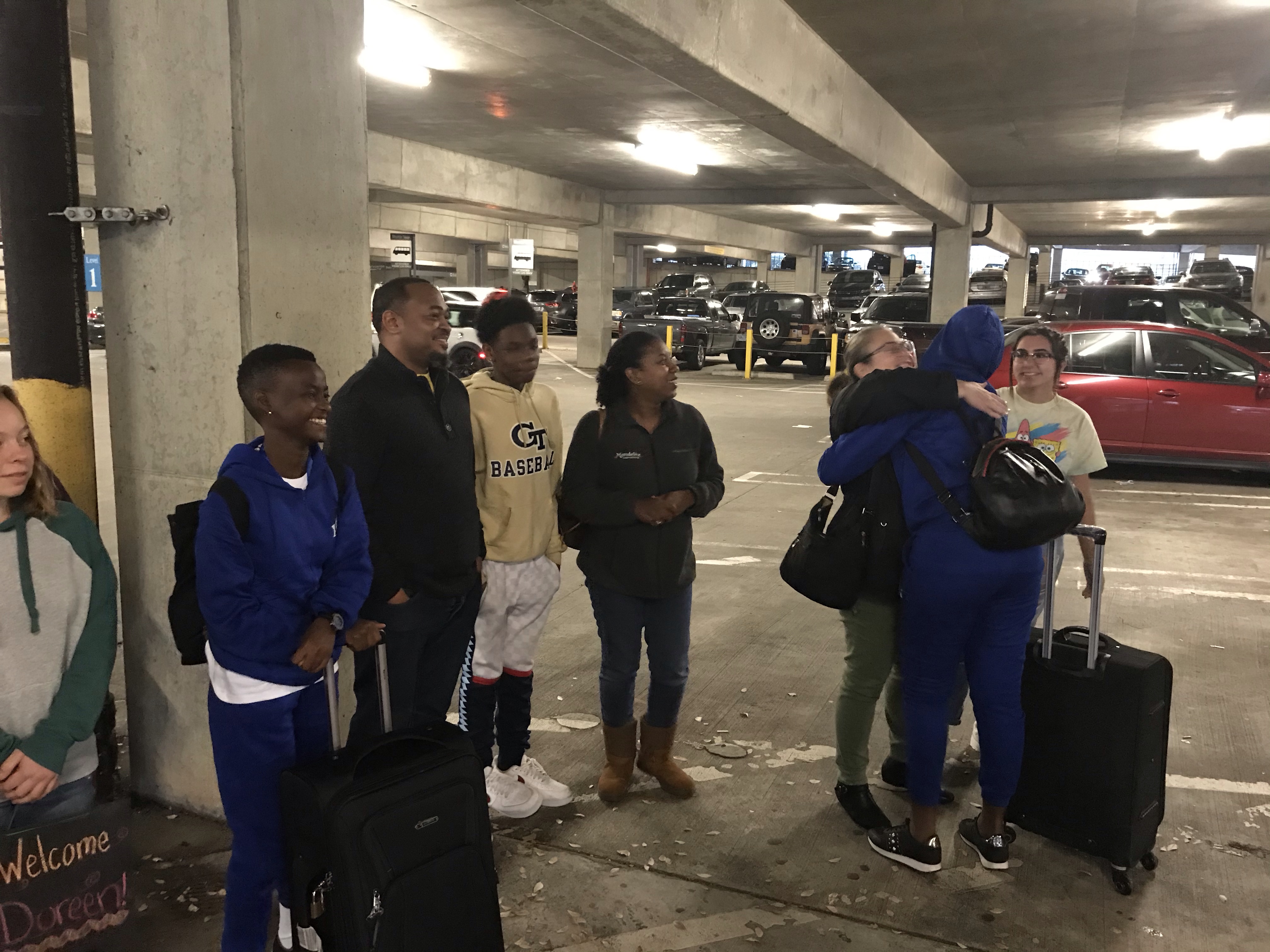
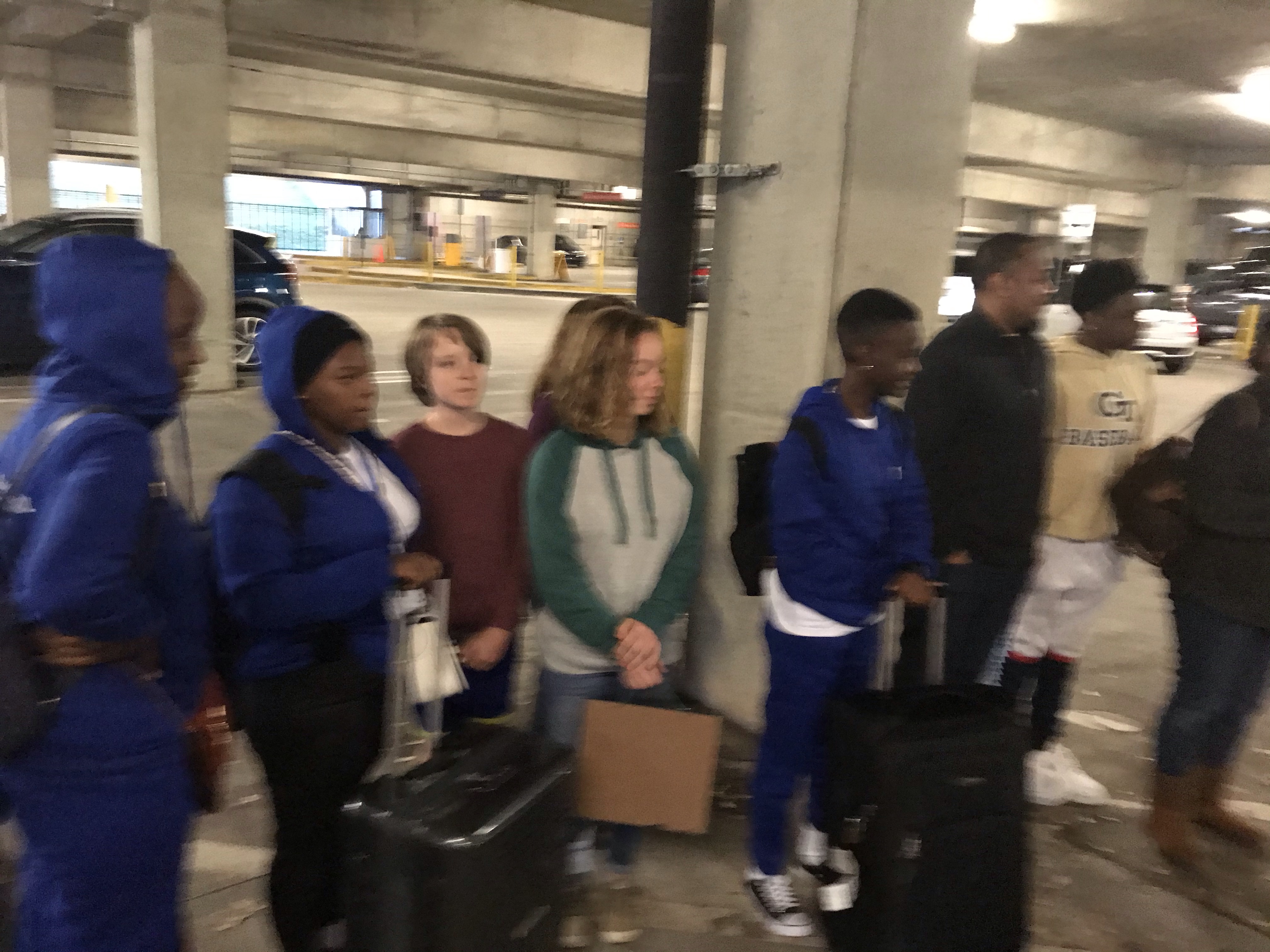
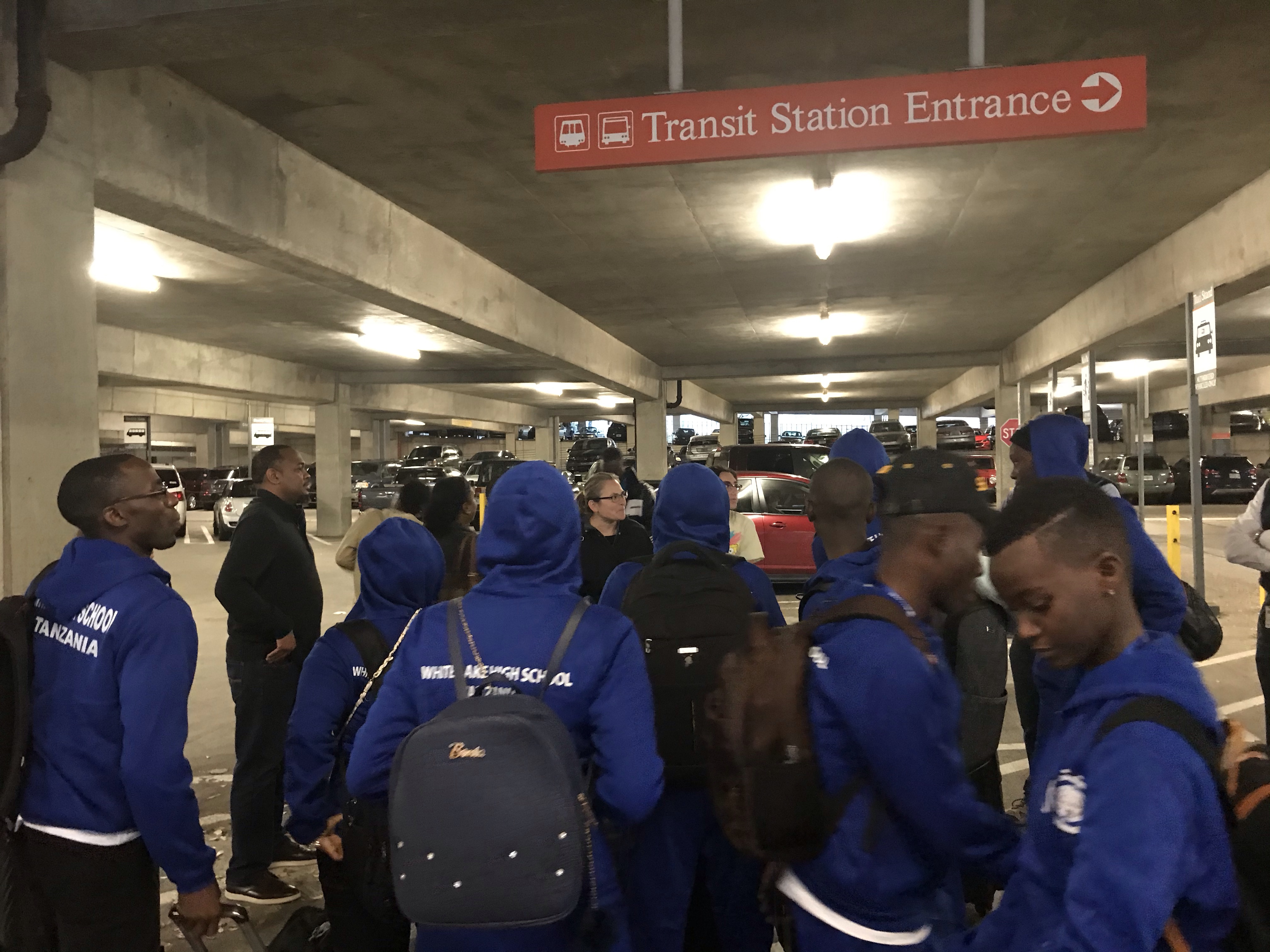
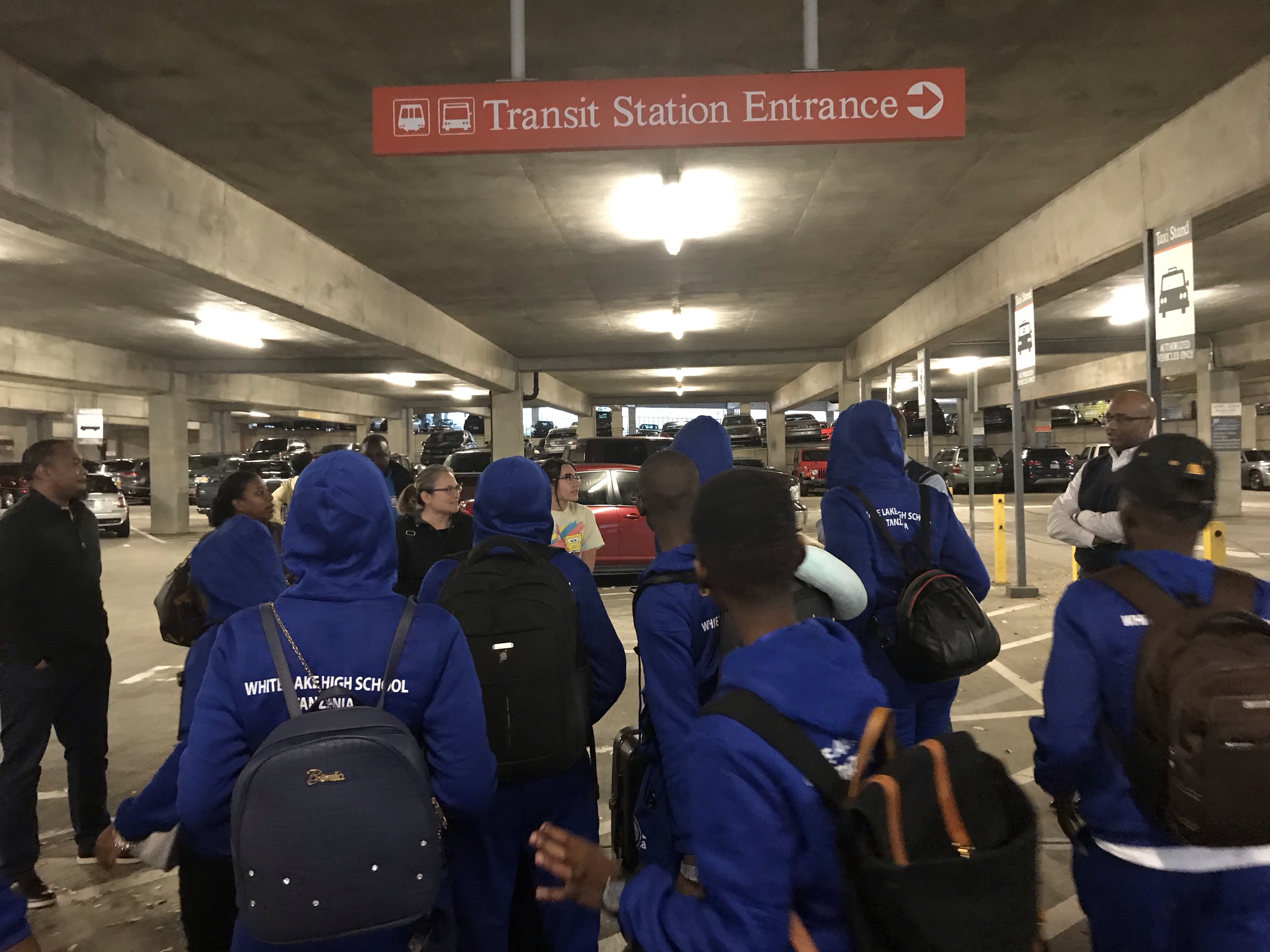
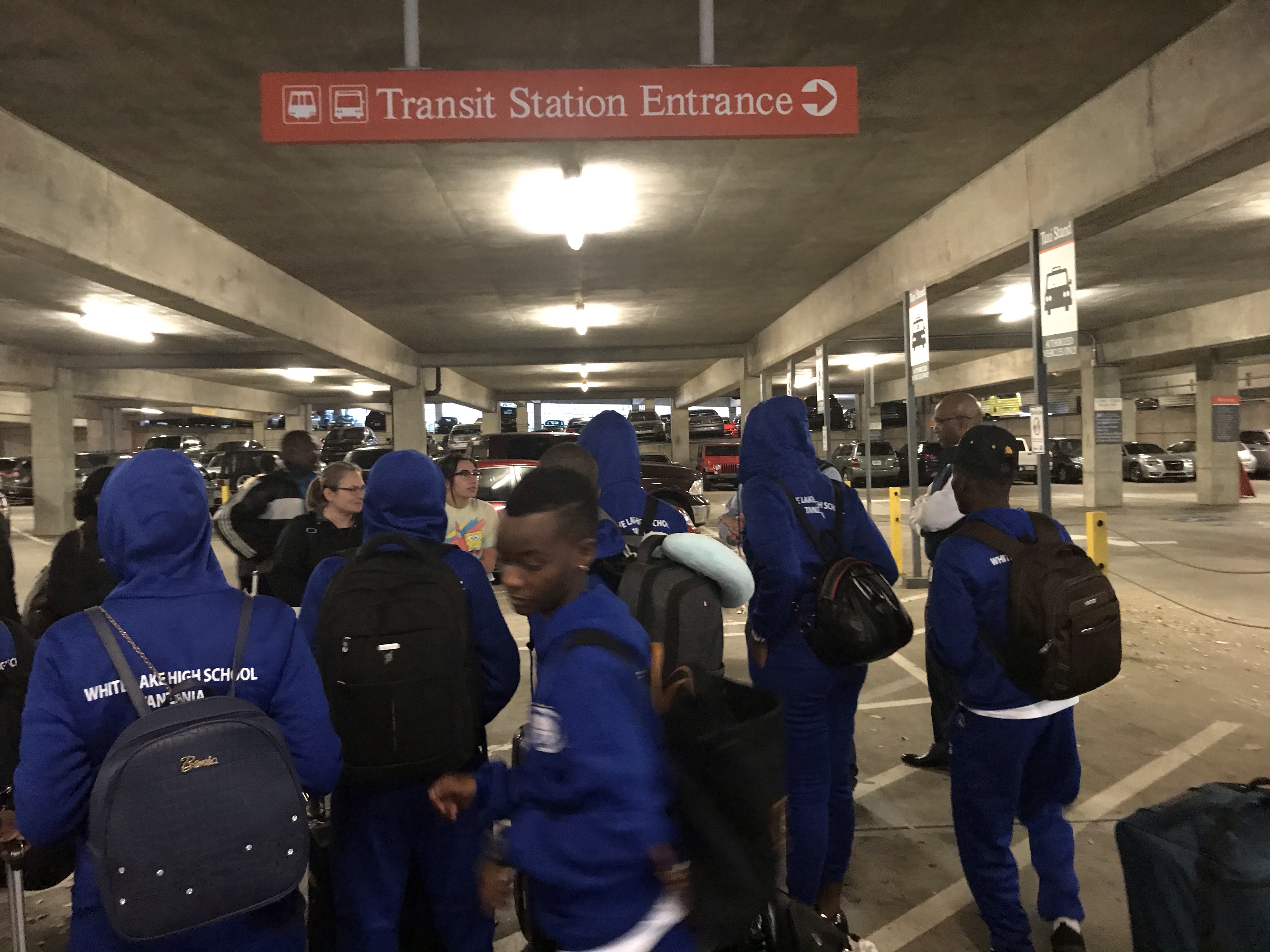
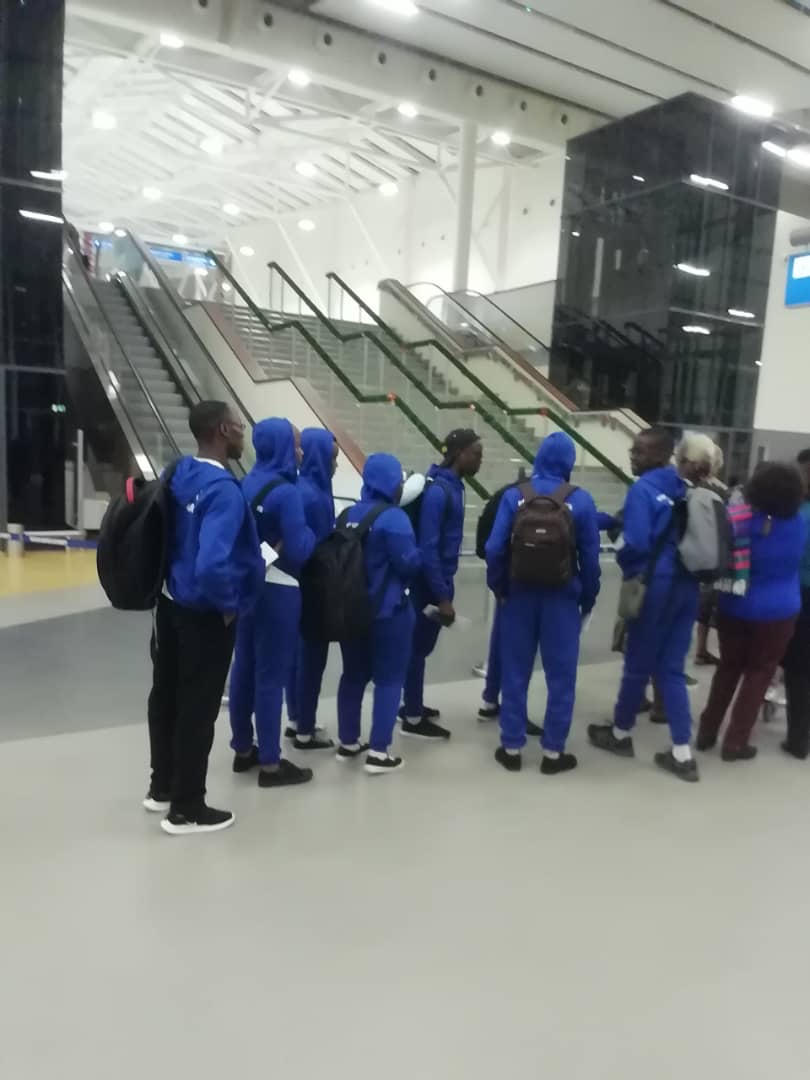
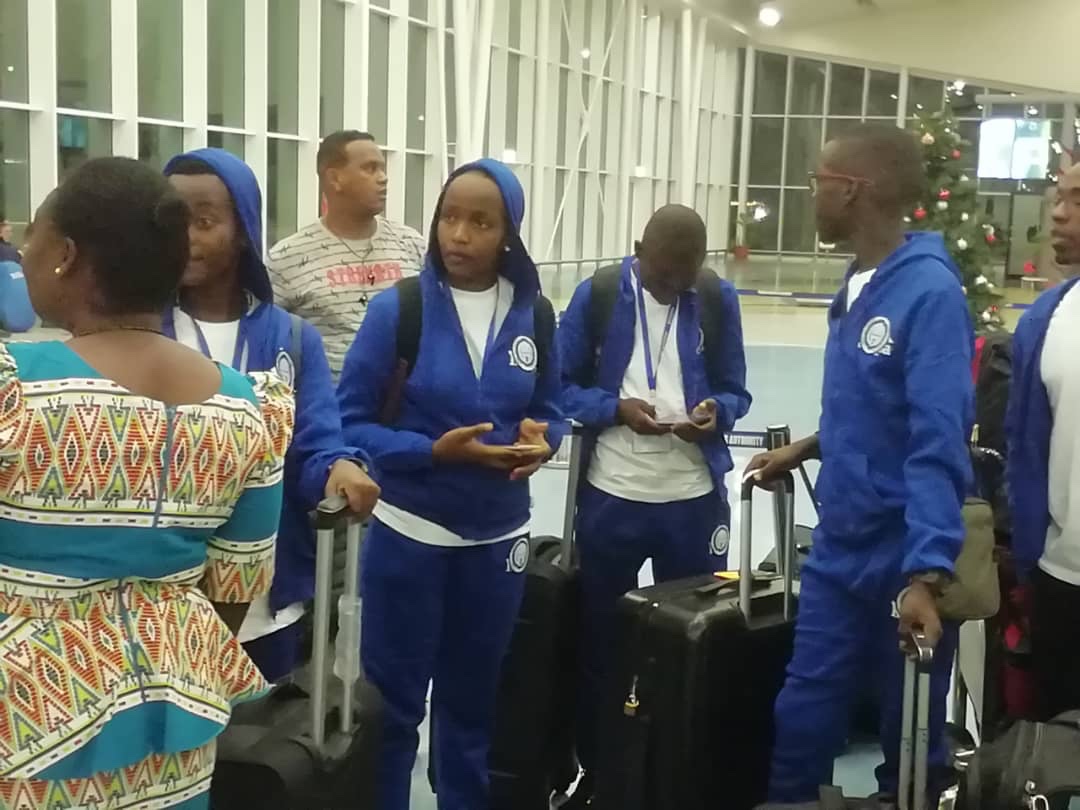
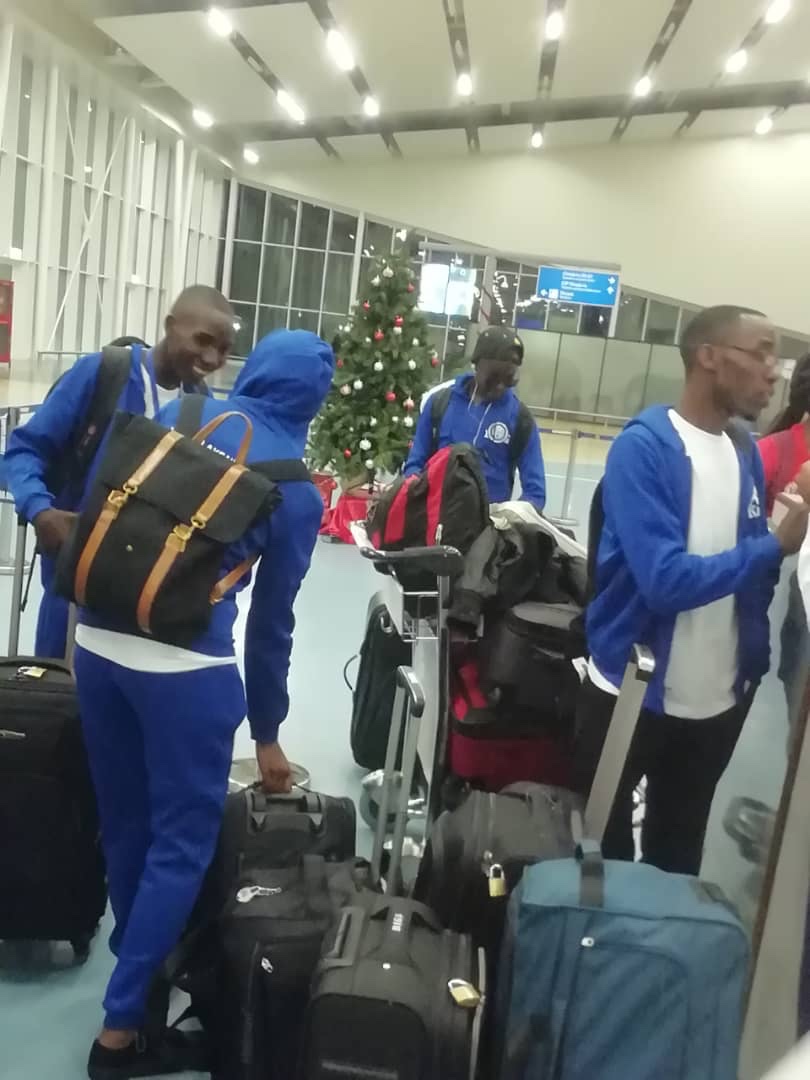
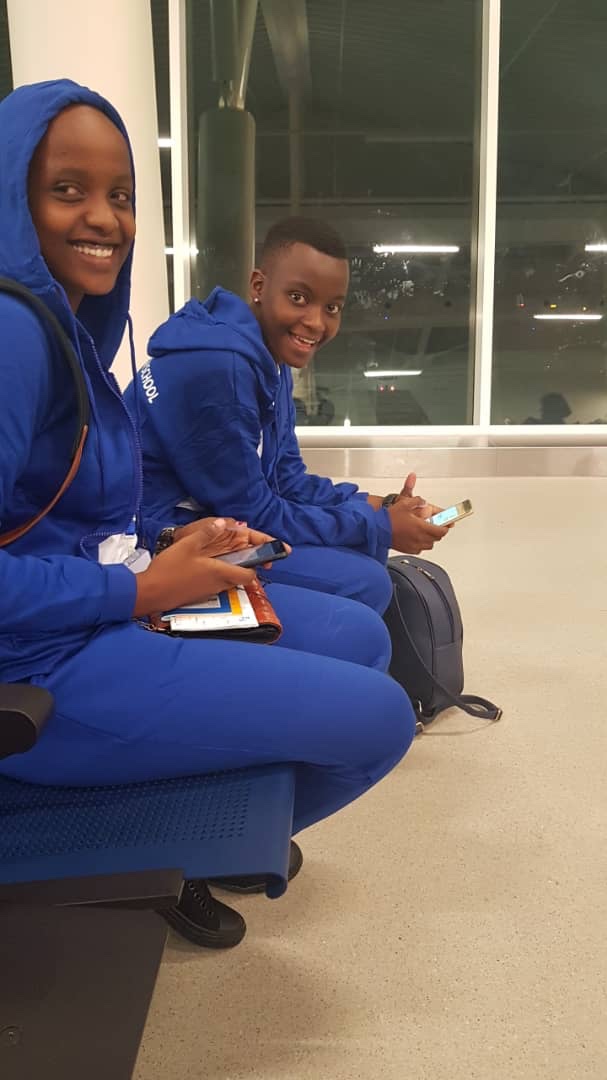
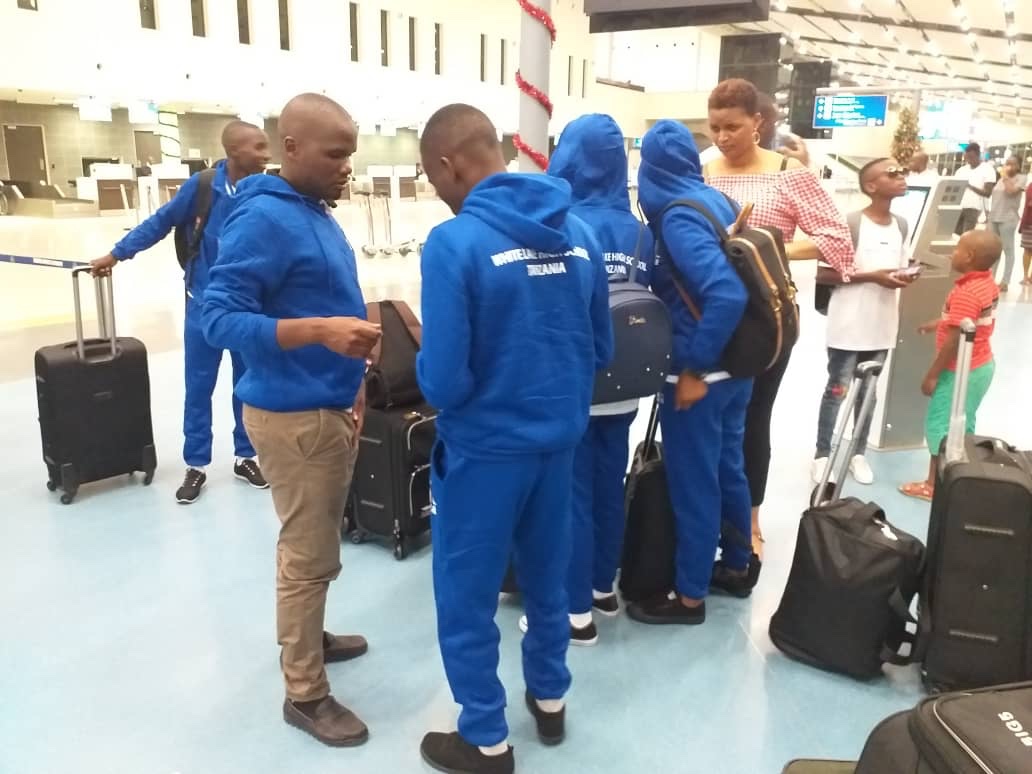
Glad to have initiated the first ever student exchange program between a school in Tanzania and a school in the United States. Today, December 4th, 2019–students and their teachers from White Lake High School will start a two week journey of intensive academic and cultural exchange program at Centennial High School in Atlanta, Georgia.

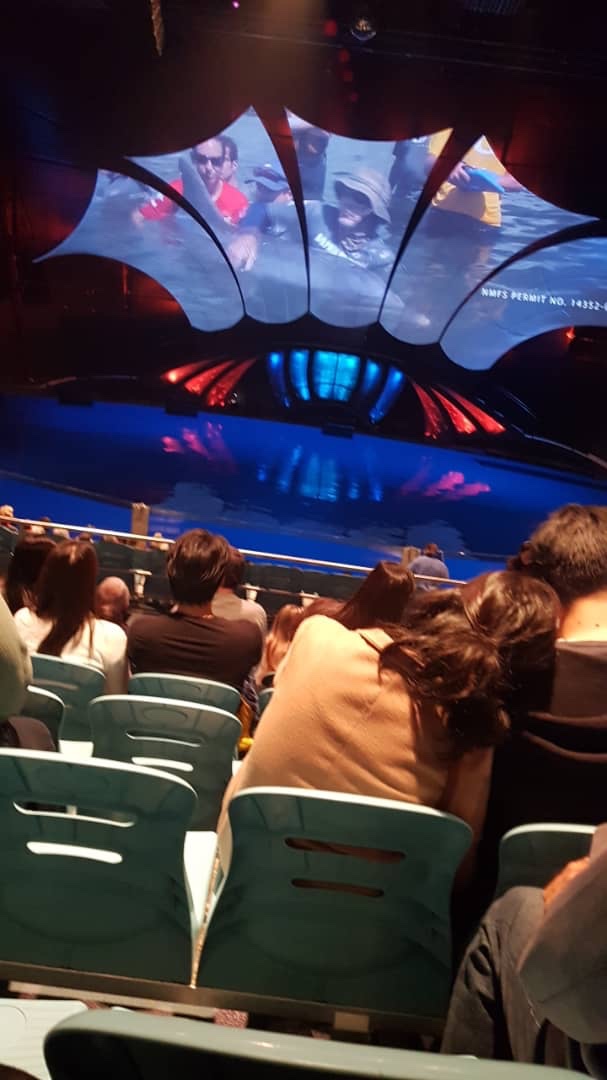
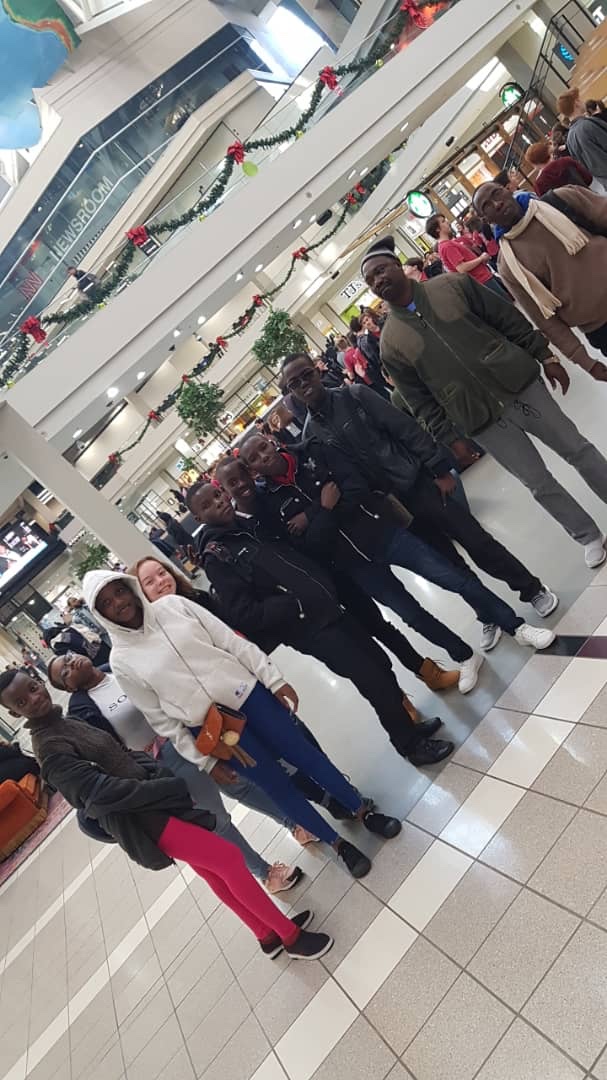
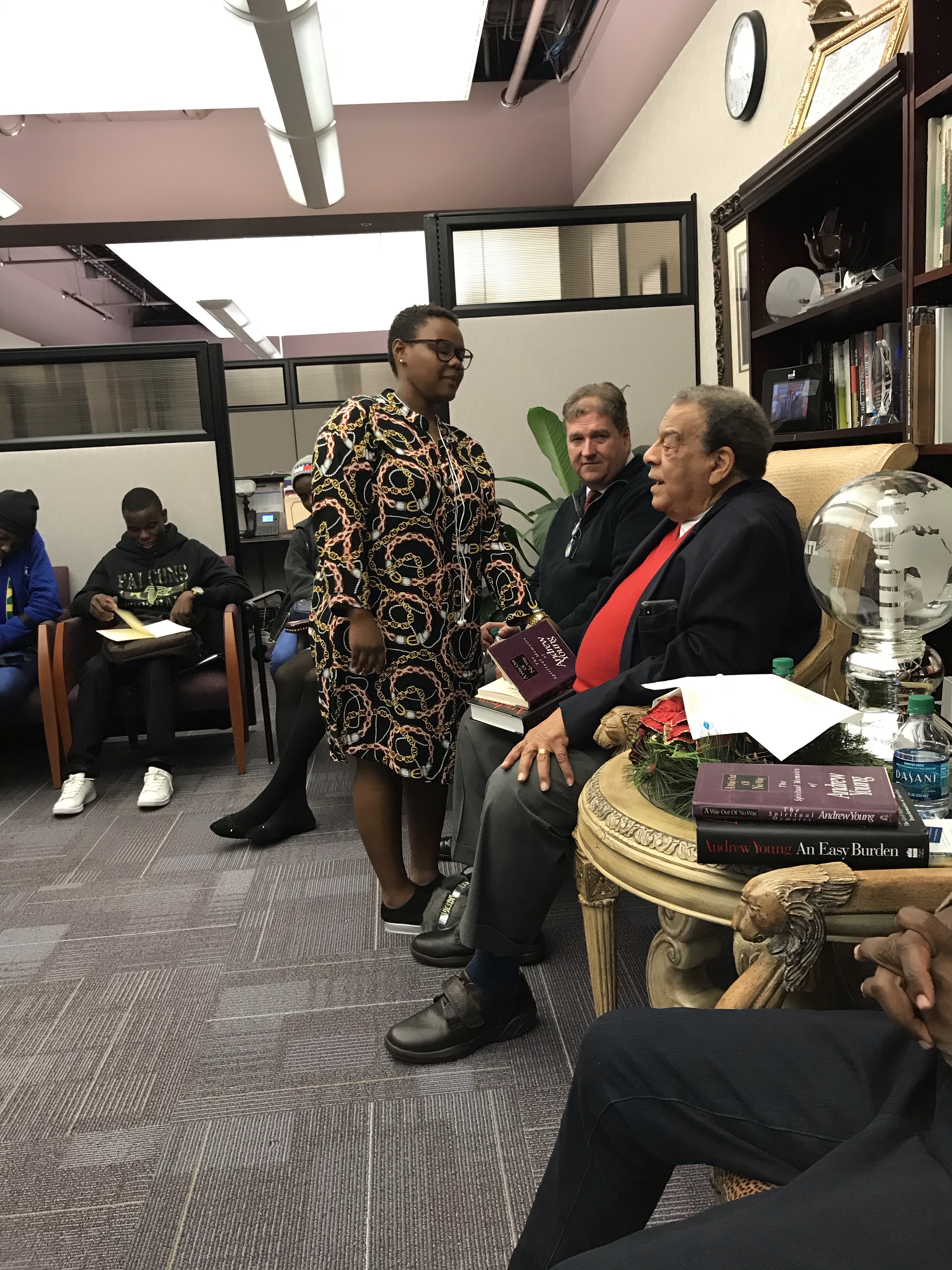
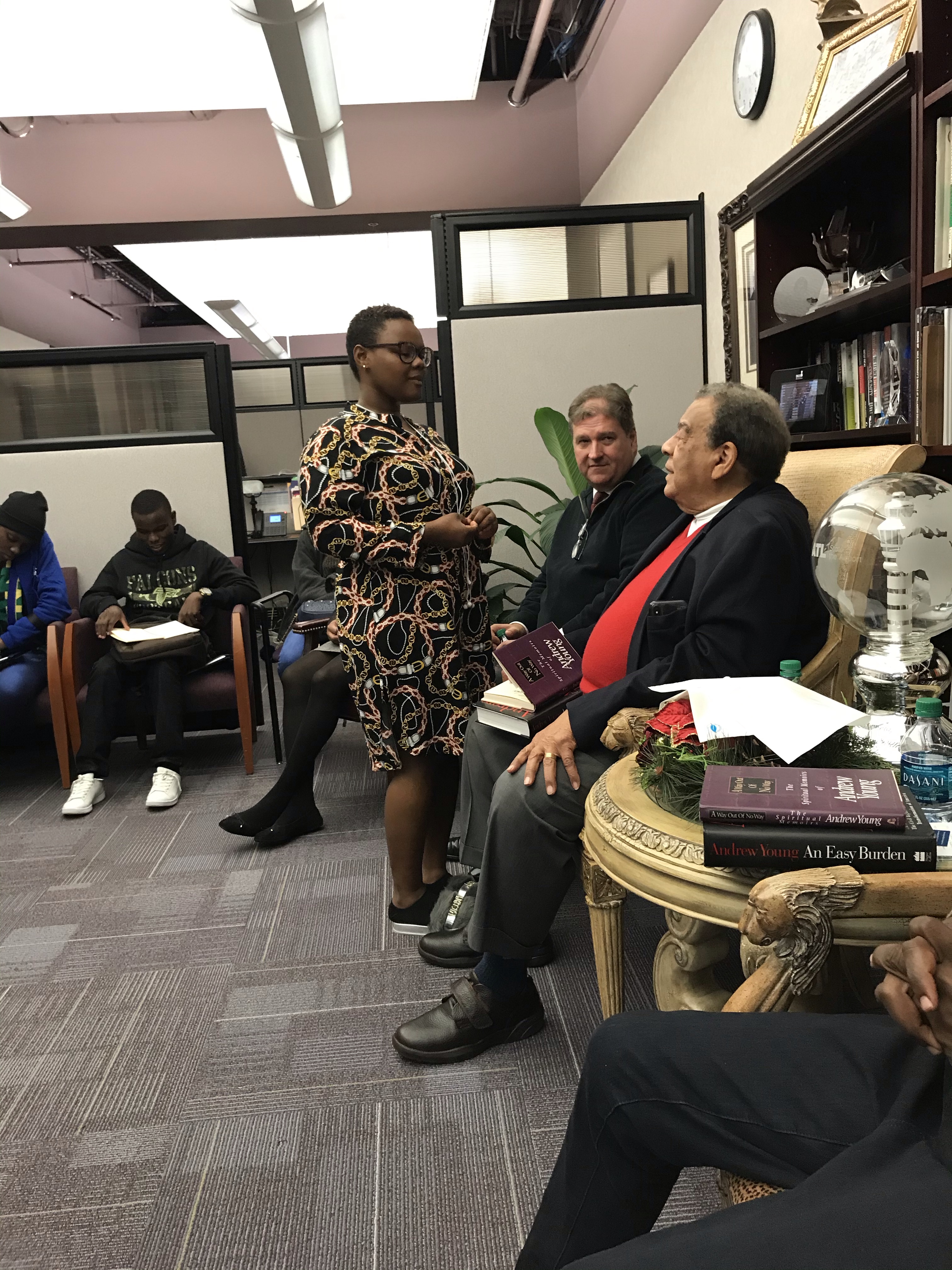
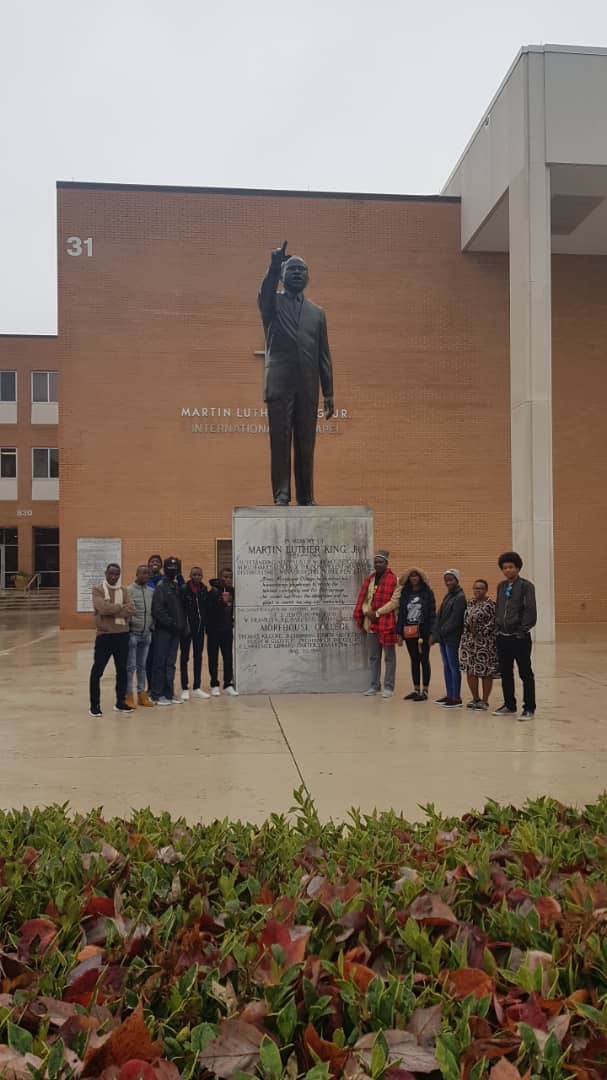
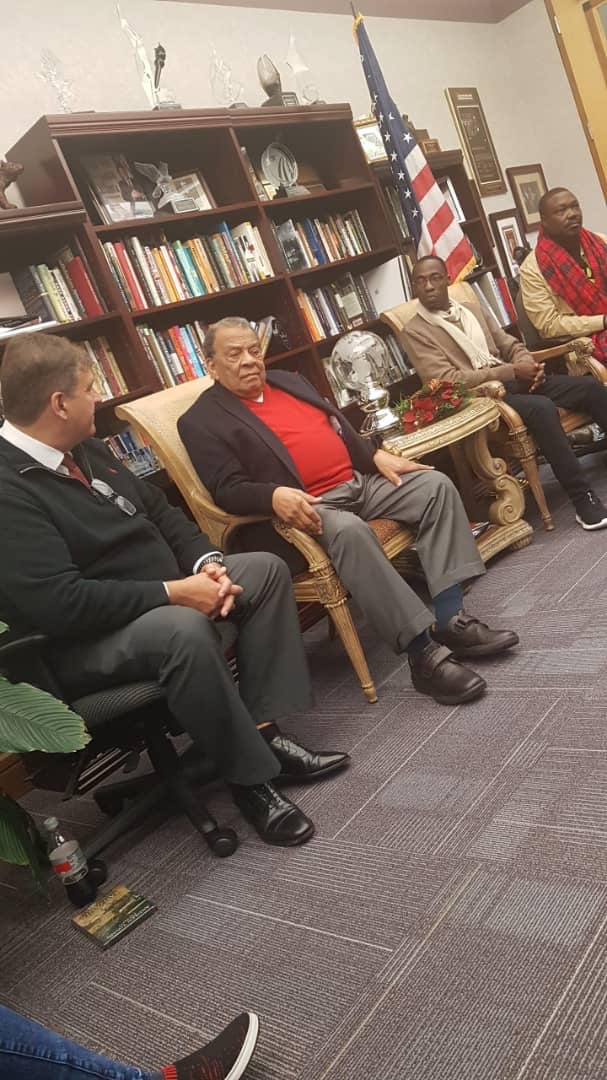
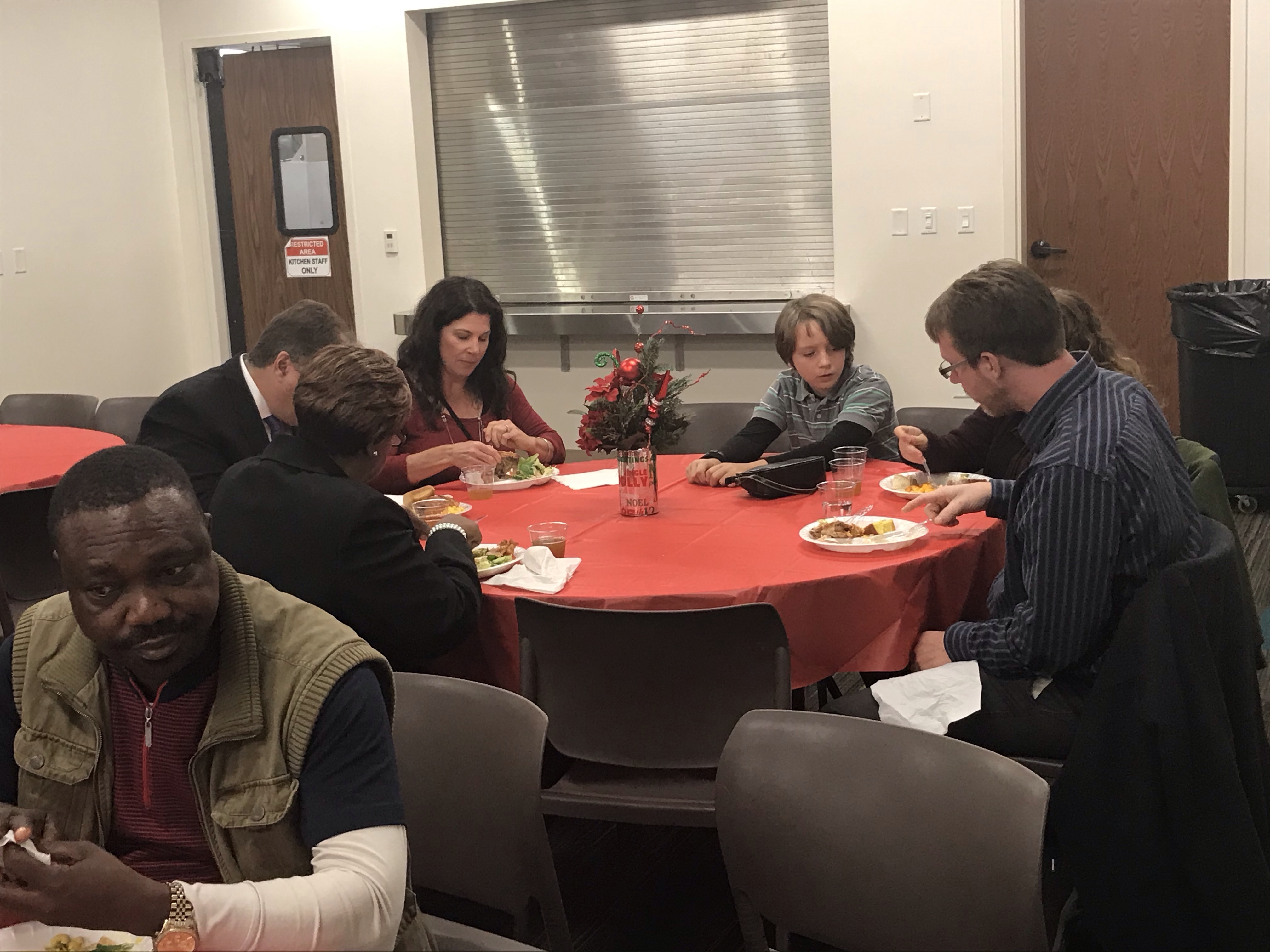
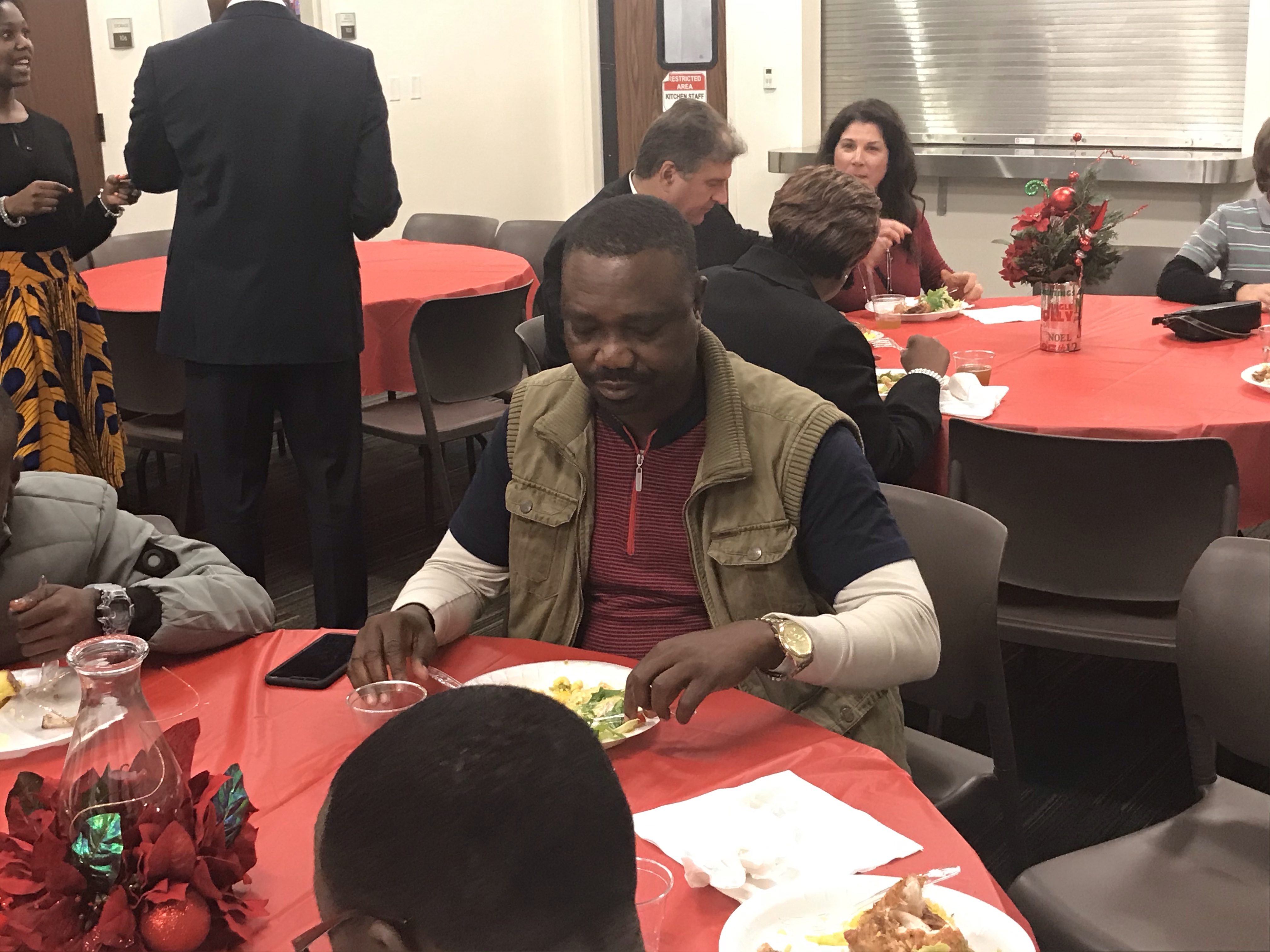
Students will spend time in an America high school, visits the Georgia Aquarium, the Civil Rights Museums, Coca Cola, and the CNN canter. In addition, the Tanzanian students will have the opportunity to meet and learn more about international diplomacy from ambassador Andrew Young. Furthermore, the students will guests at the Historical Ebenezer Church–the church where Rev. Dr. Martin Luther King, was a co-pastor.

This is truly historical.

Tanzania and United States Student academic and Cultural Exchange Program.


The first group of high schoolers from Dar Es Salaam, Tanzania 🇹🇿 are on the flight right now for their international academic and cultural exchange program in Atlanta, USA.

If you believe your school in Tanzania🇹🇿, Kenya, Uganda, and Botswana will benefit from this international exposure—reach out to Kibogoji Experiential Learning Inc (678-446-0320) or edtreks(770-356-5874) for more information.

Building Student Leadership Through International Experiences.

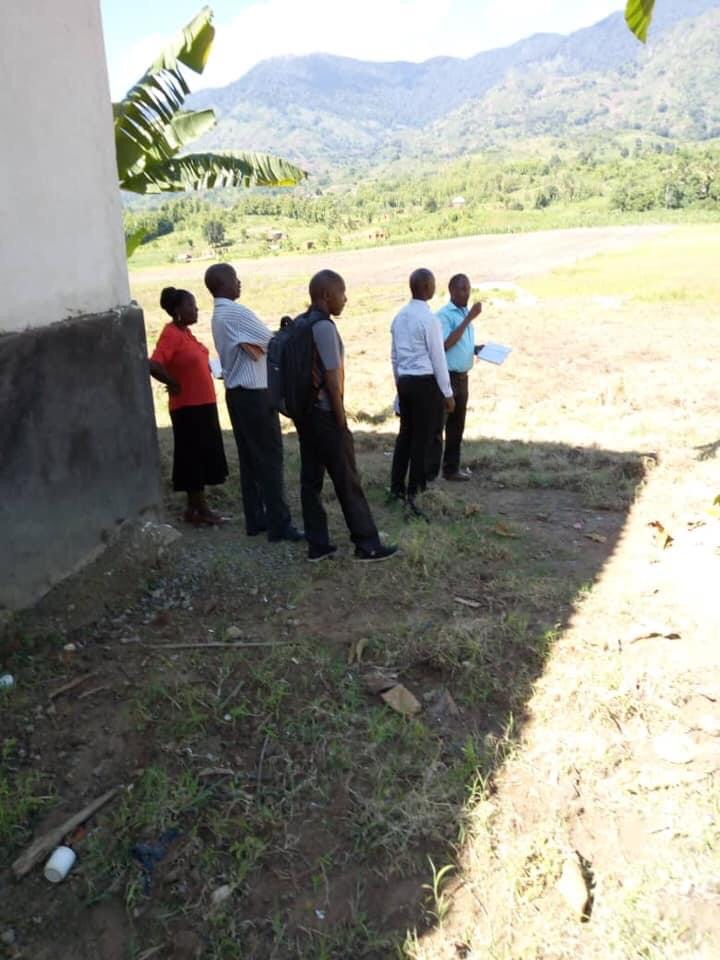
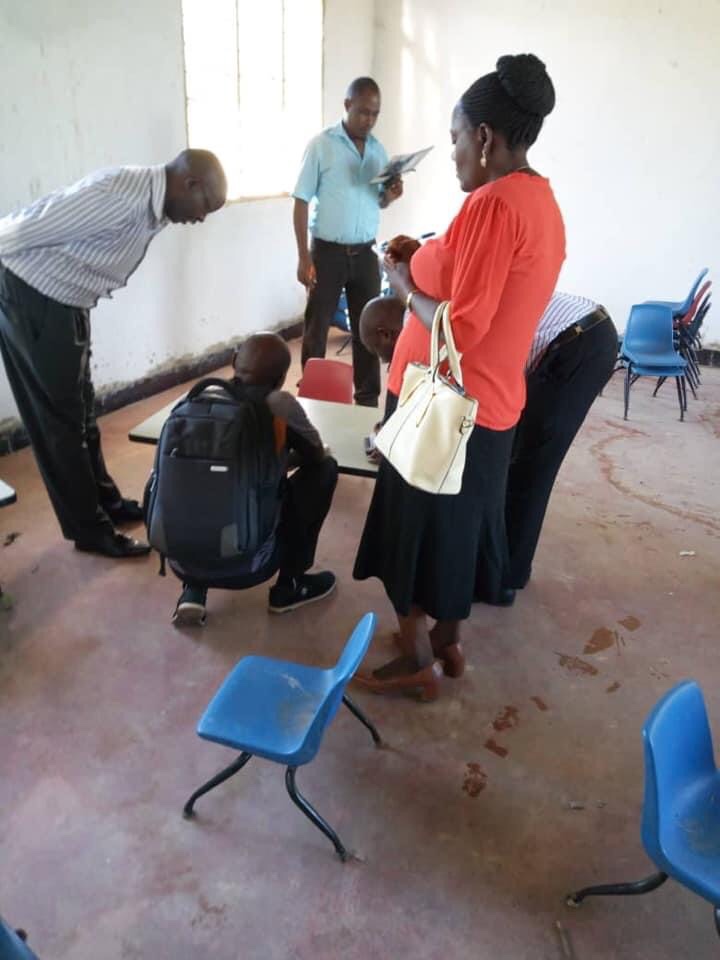
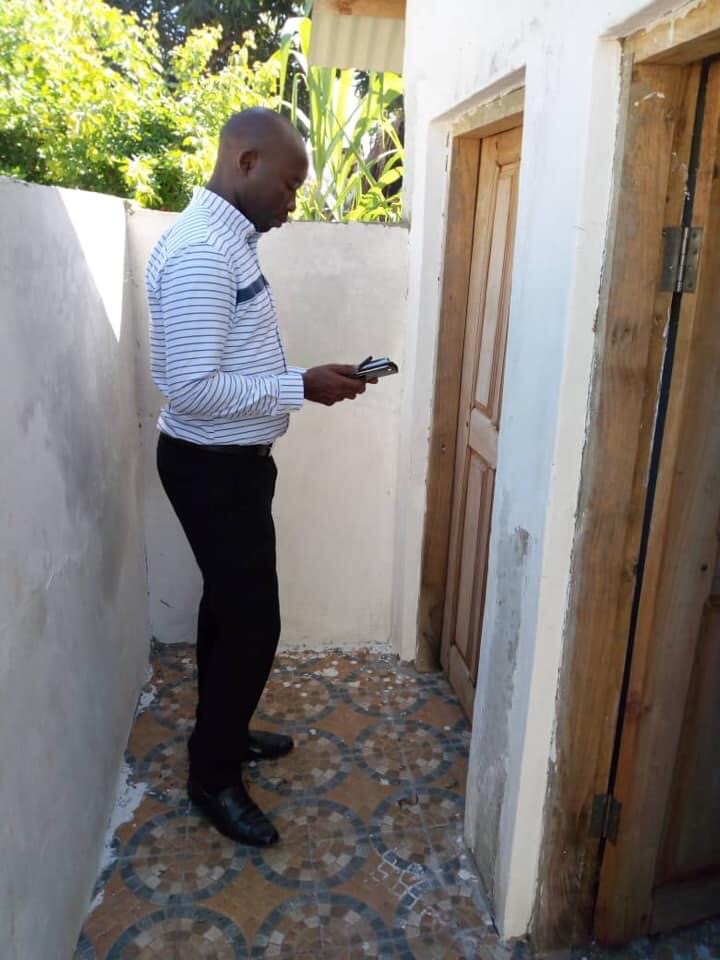
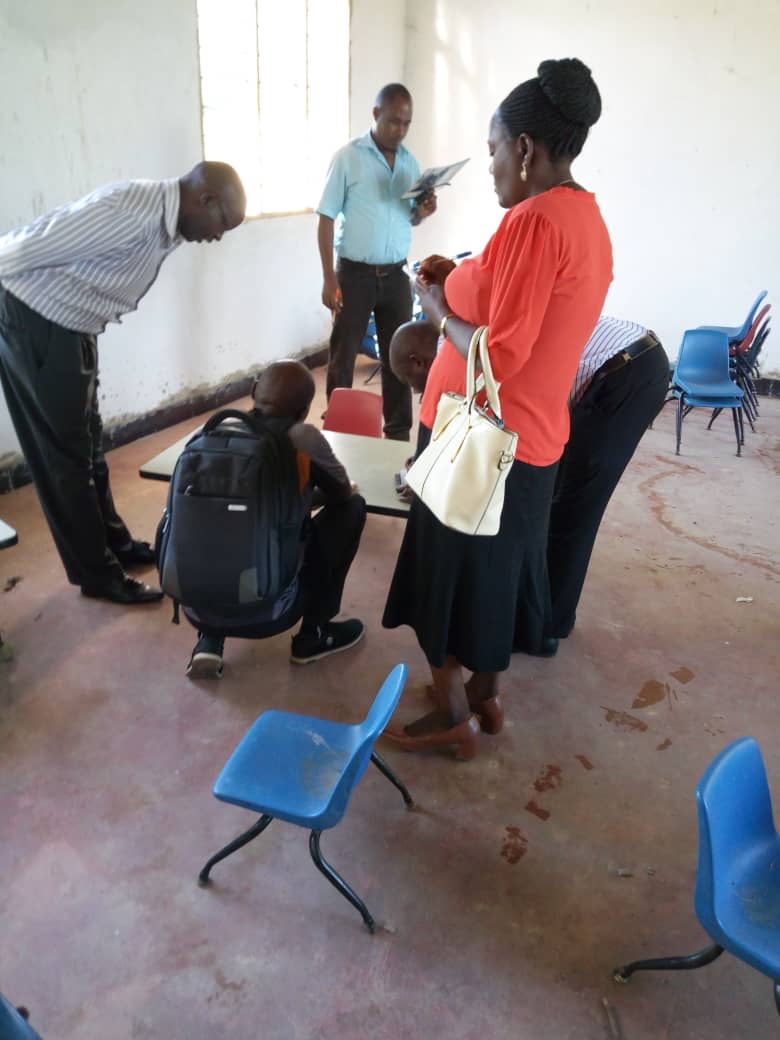
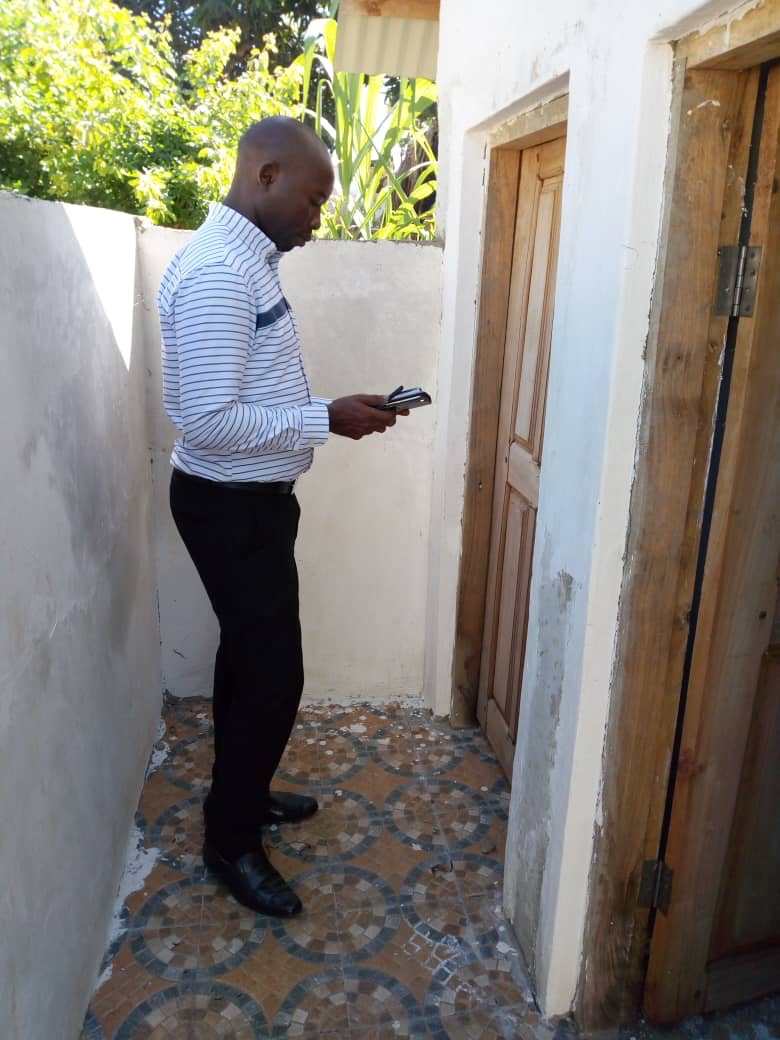
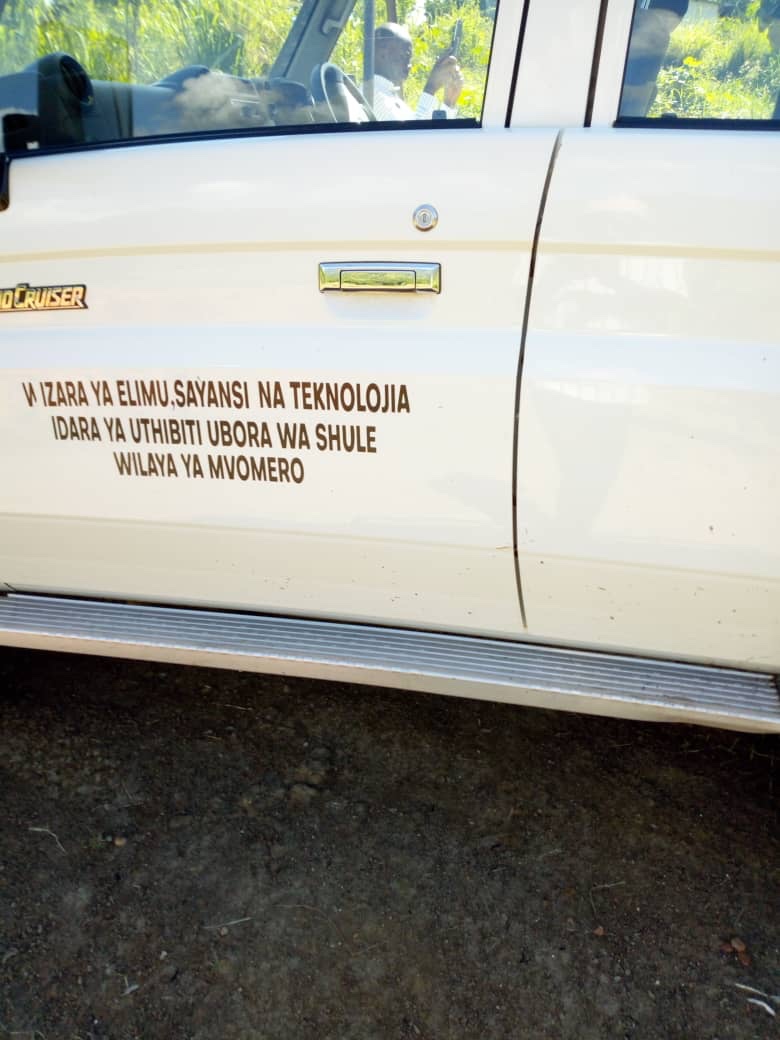
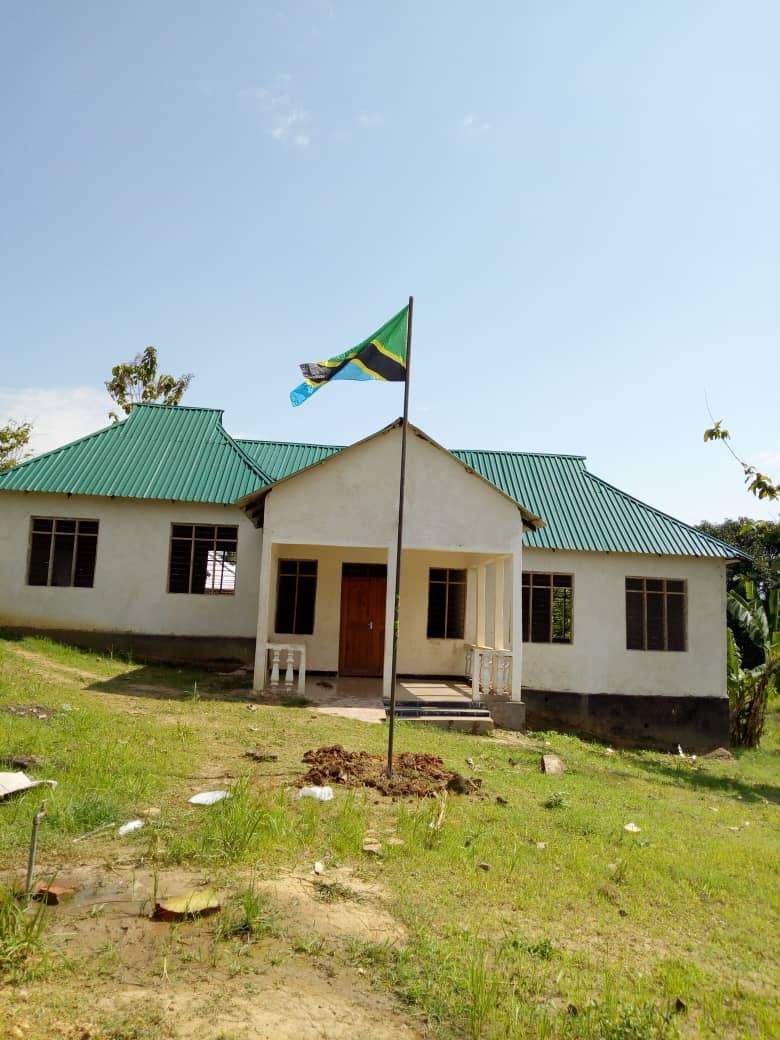
Mvomero District Education Officials Visiting Kibogoji Experiential Learning Inc


Today KELI made another milestone in improving access and quality education in rural Tanzania. Our main goal as an organization is bridge the technological and academic outcome gap that exists between rural and urban schools in Tanzania.

See the pictures from the visit below:

KELI’s Online and Offline EdServices


#1: KELI Online and Offline Services

#Do you know your child’s level in Math, Science, and English or any other subject?

Shouldn’t she or he be on tract?

Unfortunately many of our beautiful children are not on track academically.

That’s where KELI comes in. Our customized and individualized online and offline services can fill any academic gaps your child is experiencing.

Our focus is on the pre-primary and primary school education. We believe a stronger academic foundation is the key for success in schools and life.

Here is our plan:

1. We will give your child a diagnostic test so she or he knows exactly where s/he stands.

If s/he is deficient in any of the core subjects, we will provide him or her with the appropriate resources and help to close the gap through a customized and individualized intervention education program.

2. Enroll your child in our online or offline K-7 enrichment education program – self driven ( all subjects K- 7).

In addition, We Advocate for your special need child as well for better learning environment and outcome.

#Will help your child close the gap in any subject.

3. At a small fee, Will will prepare your child to take competency tests such as SATs and ACTs required for most Colleges in the United States.

Our Work is to Prepare your child Close their academic Gaps in any Subject.

Ask Us How by emailing to sfundi1@gmail.com

Kibogoji Experiential Learning, Inc (KELI) Update 2018


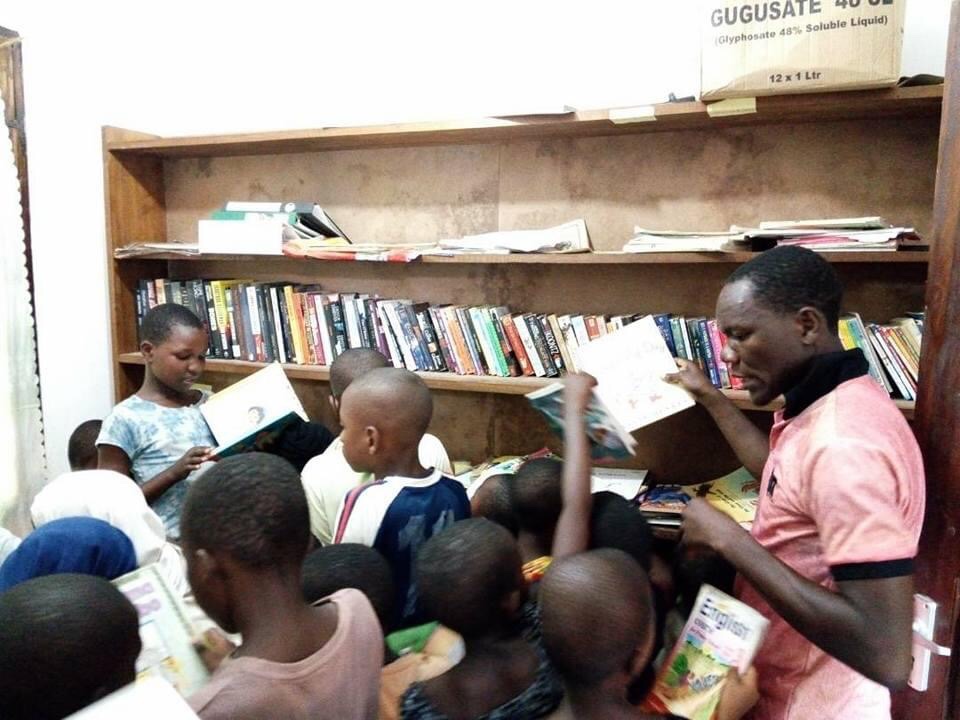
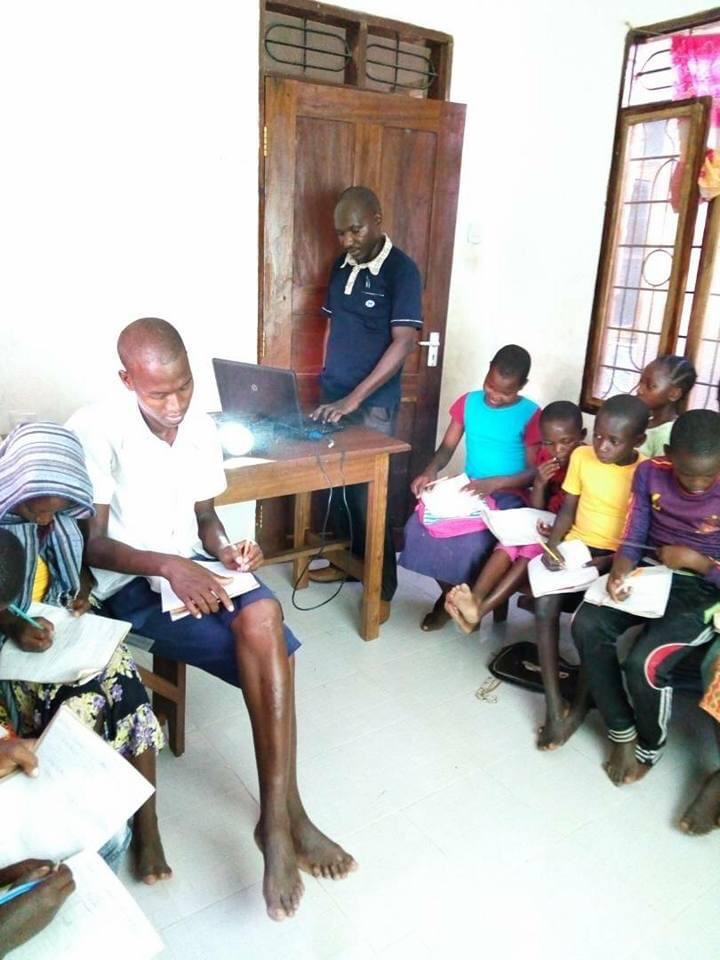
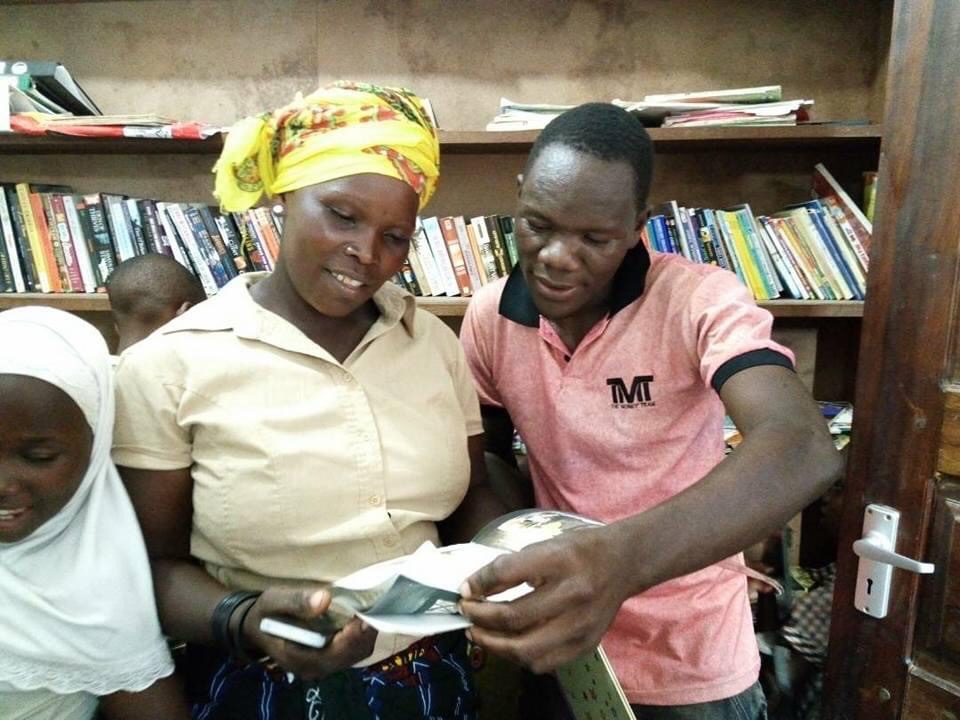
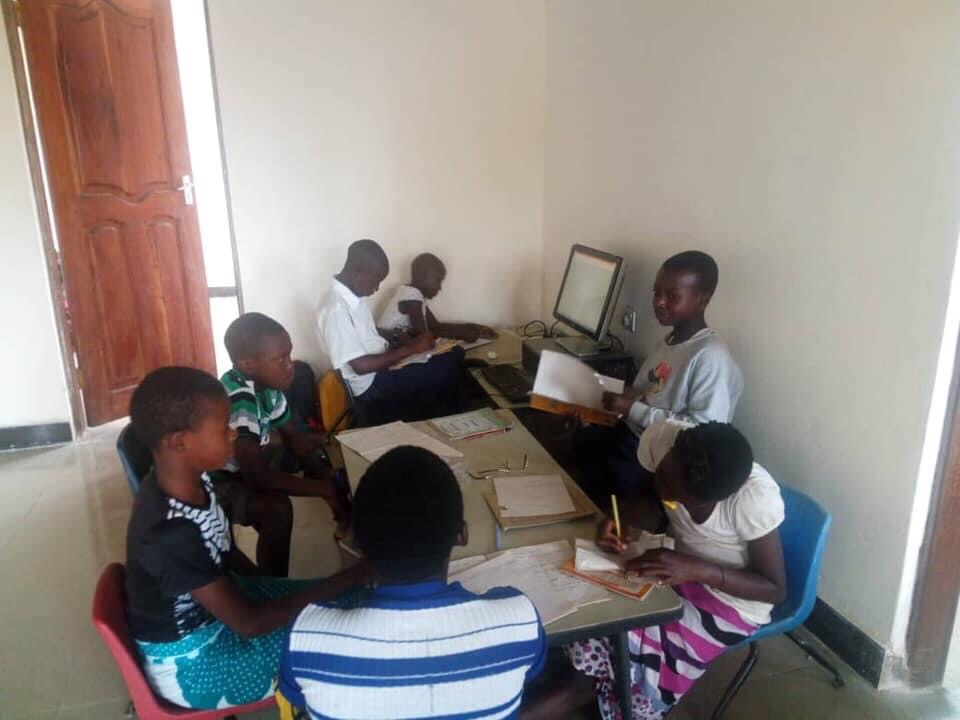
There is a Swahili saying that says, “Ndo Ndo Ndo, Si Chururu.” The saying can be translated into English as, “Drip Drip, Fills the Bucket.” That is exactly what has happened at KELI. KELI started two years ago with 25 students in the backroom of my mom’s house. It was a simple gesture to help kids in my community get a library stocked with reading and technological resources aimed at bridging instructional and technological gap that exists between rural and urban schools in Tanzania.


It was a small project.

I had no idea how important it would be?

Or, how useful it would become?

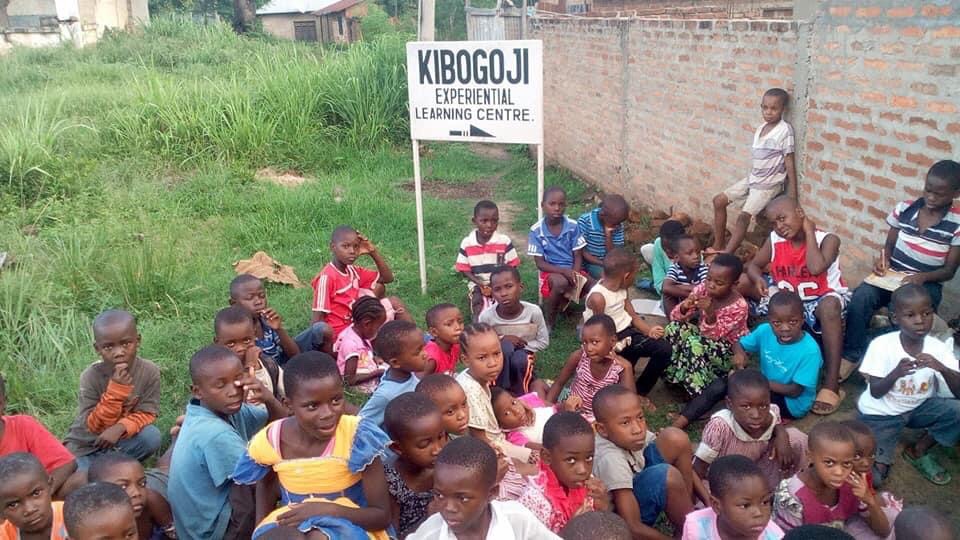
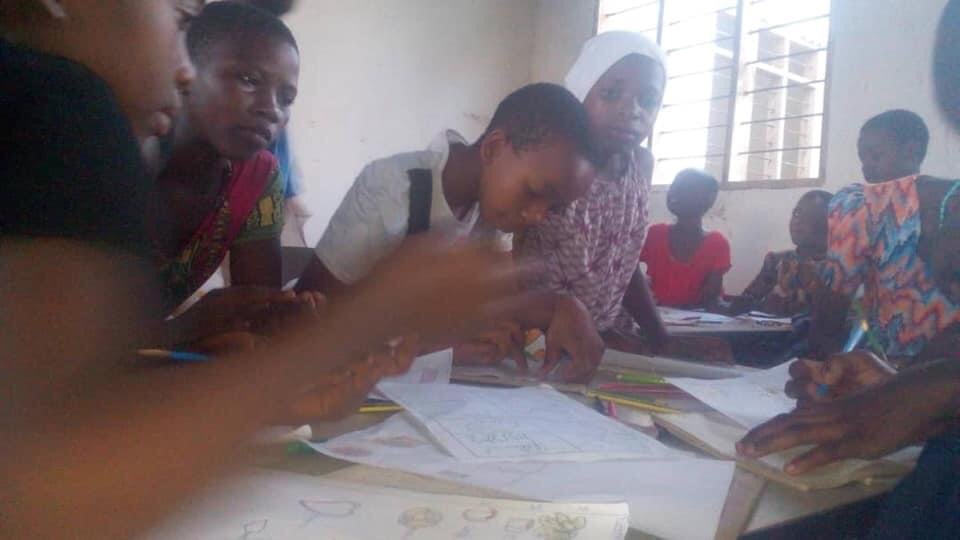
Since KELI’s opening in January of 2016, the project has reached over 1000 kids in its after-school academic enrichment programs, in the tutorial help for math, English and computer skills development program, and through its experiential learning field trips to various businesses and government organization in the area.

The experiences have been truly wonderful and positive for the children.


Because of the successes we have had. The demand for the program has increased exponentially. The center became too small to accommodate all the children interested in our programming. Thus, I made a decision to grow, increase space and capacity to accommodate a greater number of children in the community.

In November of 2017, KELI’s expansion started.


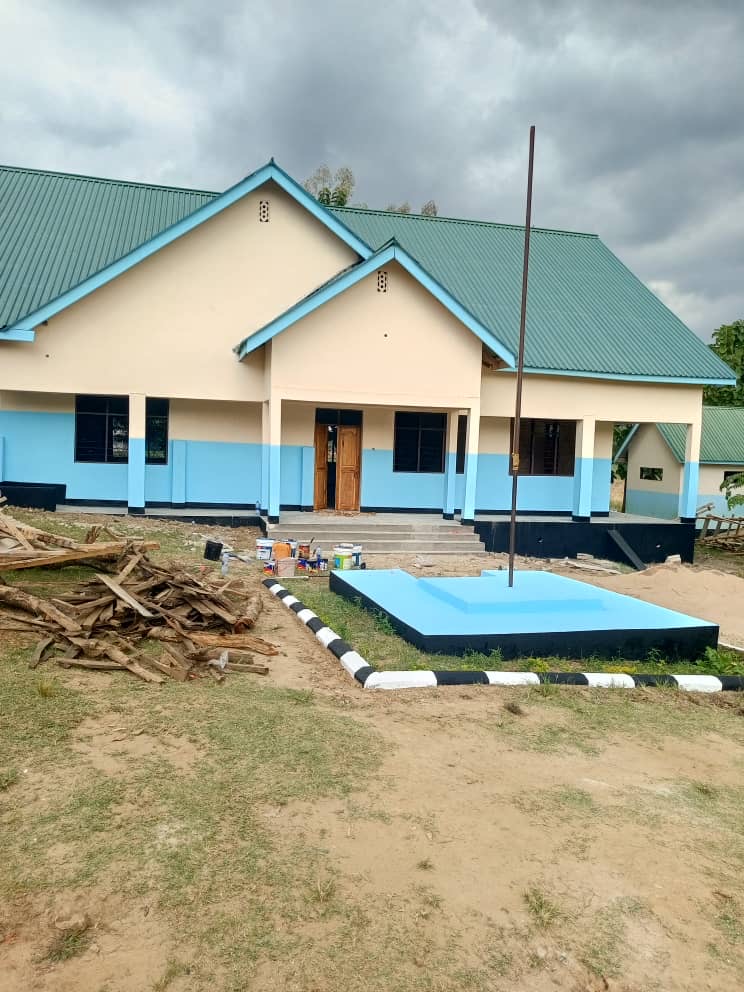
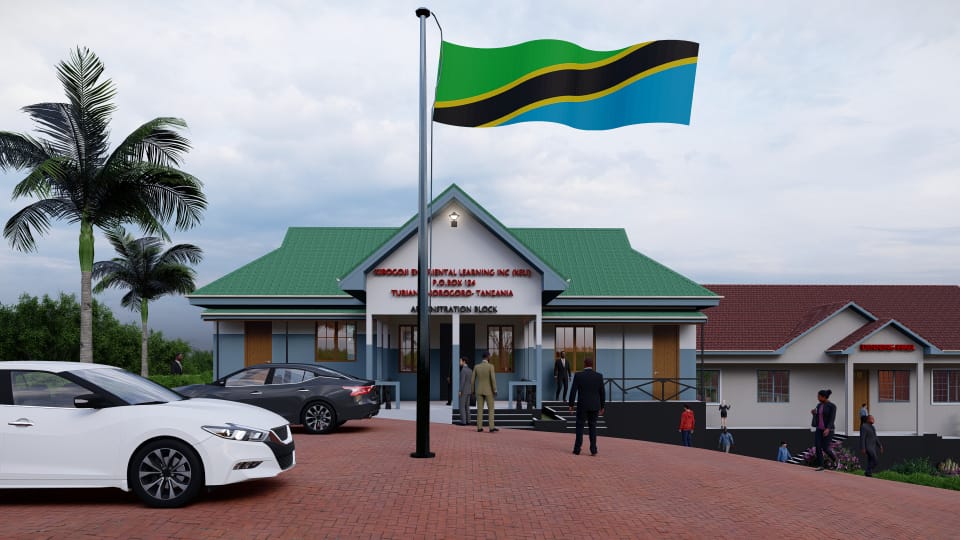
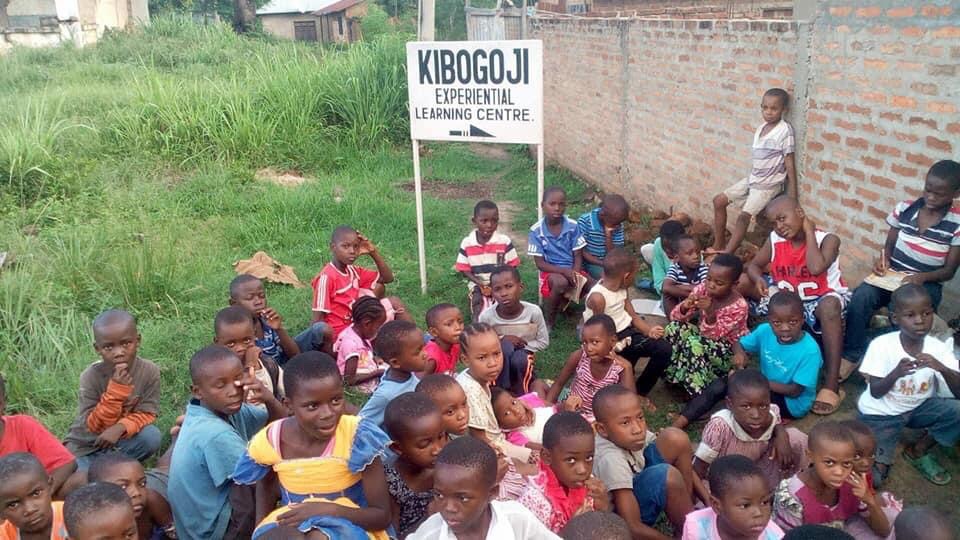
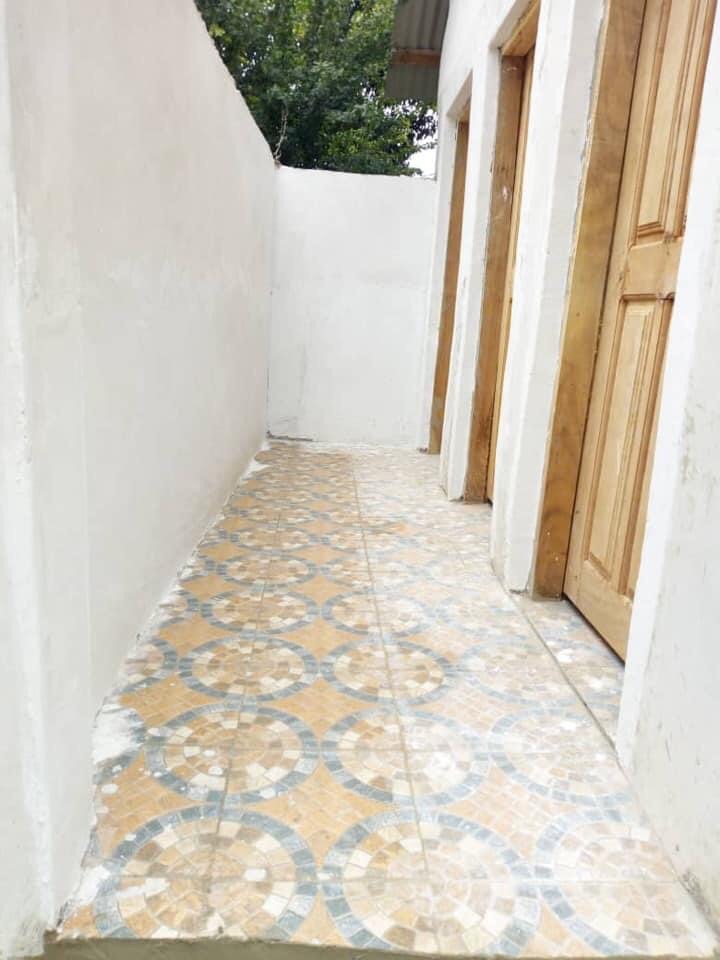
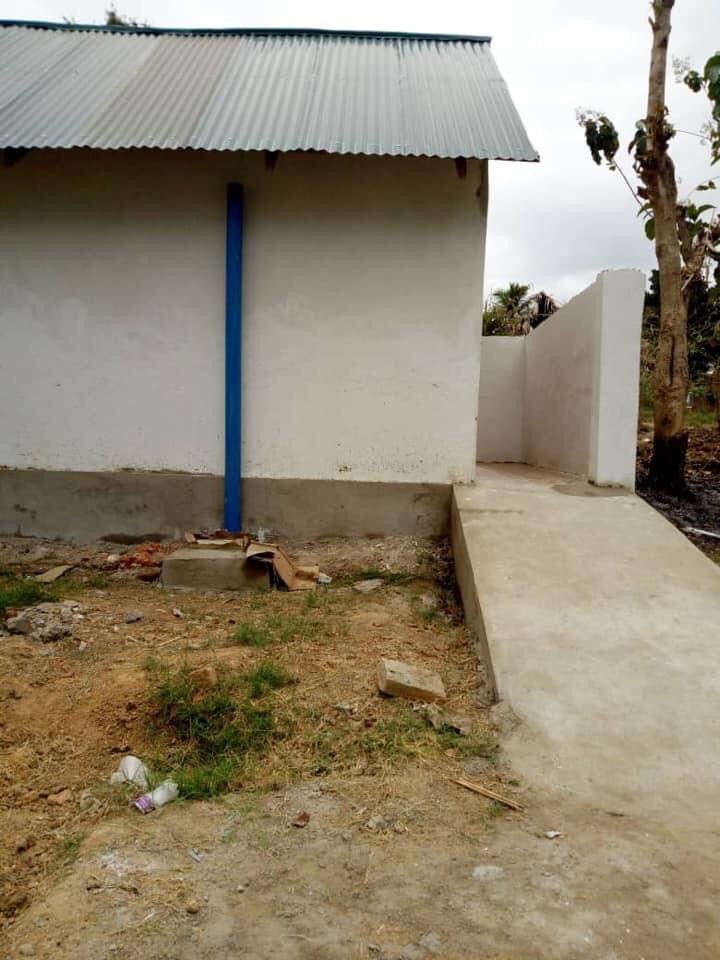
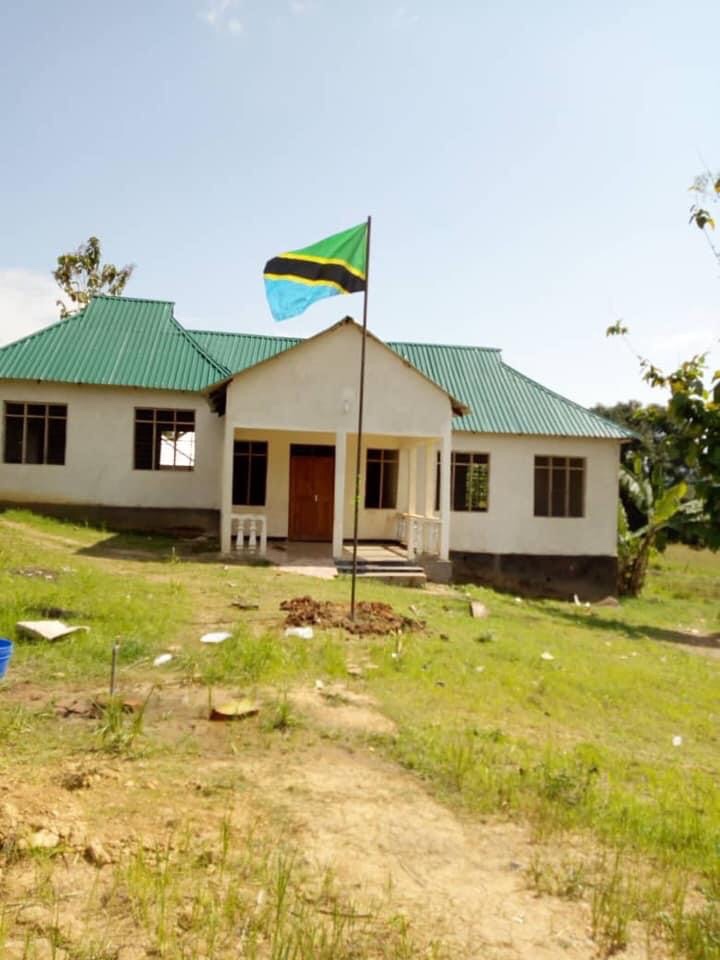
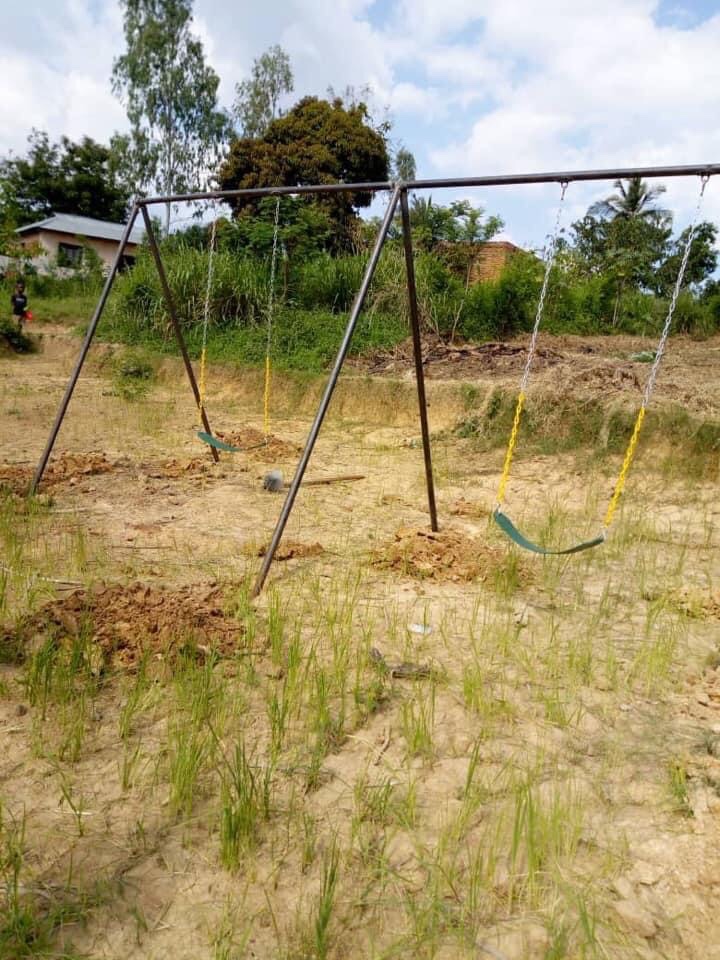
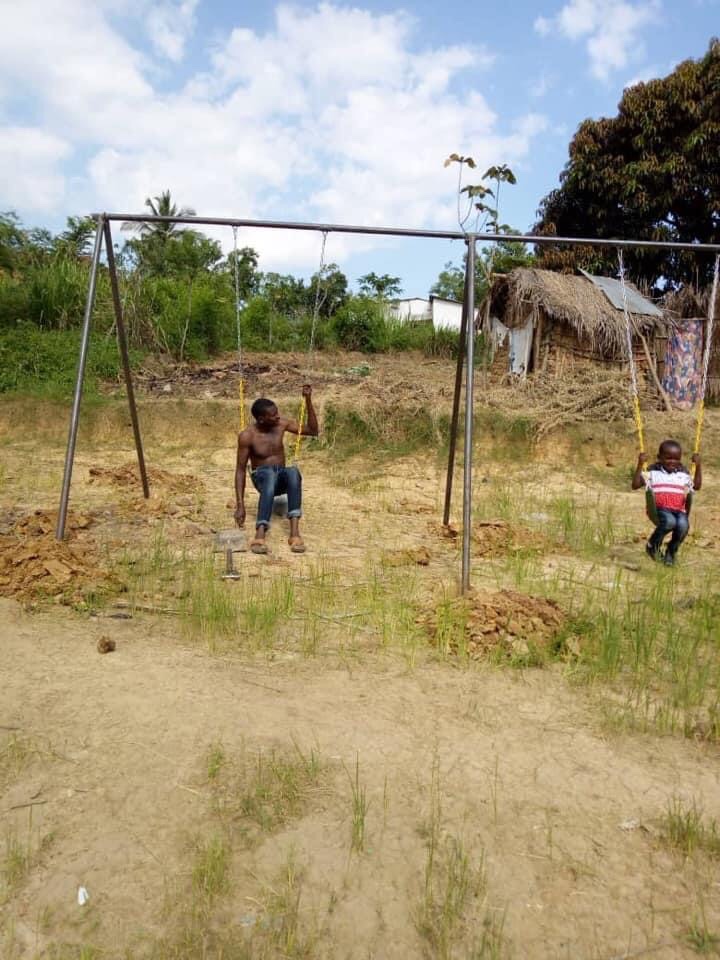
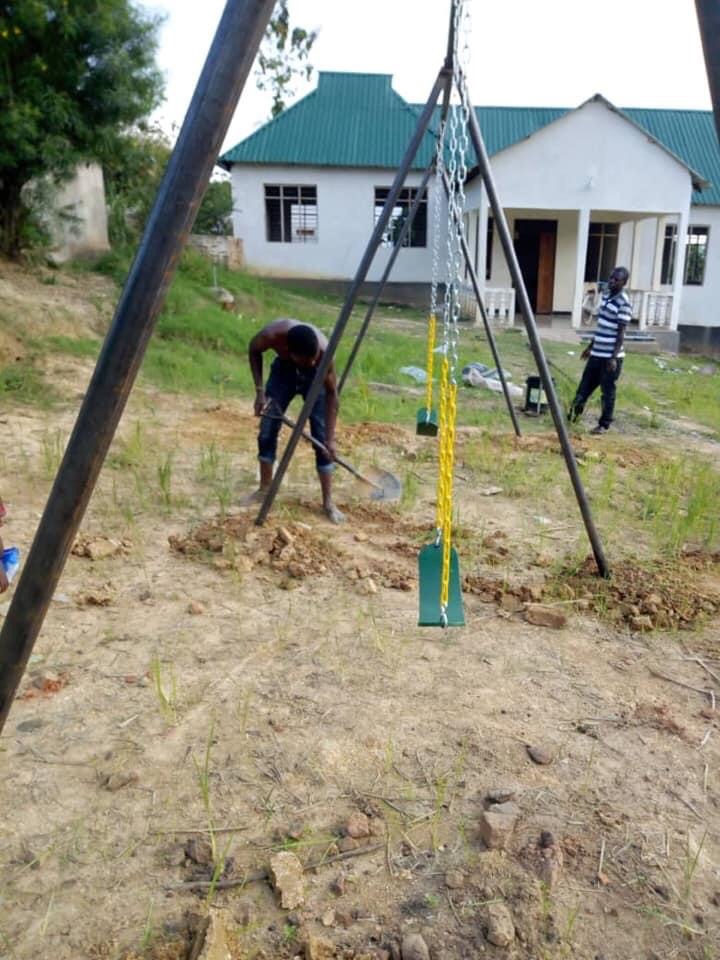
At the moment, thanks to our generous supporters such as yourself, we have been able to complete two classrooms, a toilet, and a teachers’ office. By understanding the role play, plays in learning, KELI wishes to construct a state of the art playground at the center. We hope you will partner with us to make this dream of ours a reality. We currently need $1500 to have the playground constructed and installed. We hope you will support our vision by donating to this cause.

So far, we have raised $350 on Facebook and $55 on GoFundMe page.

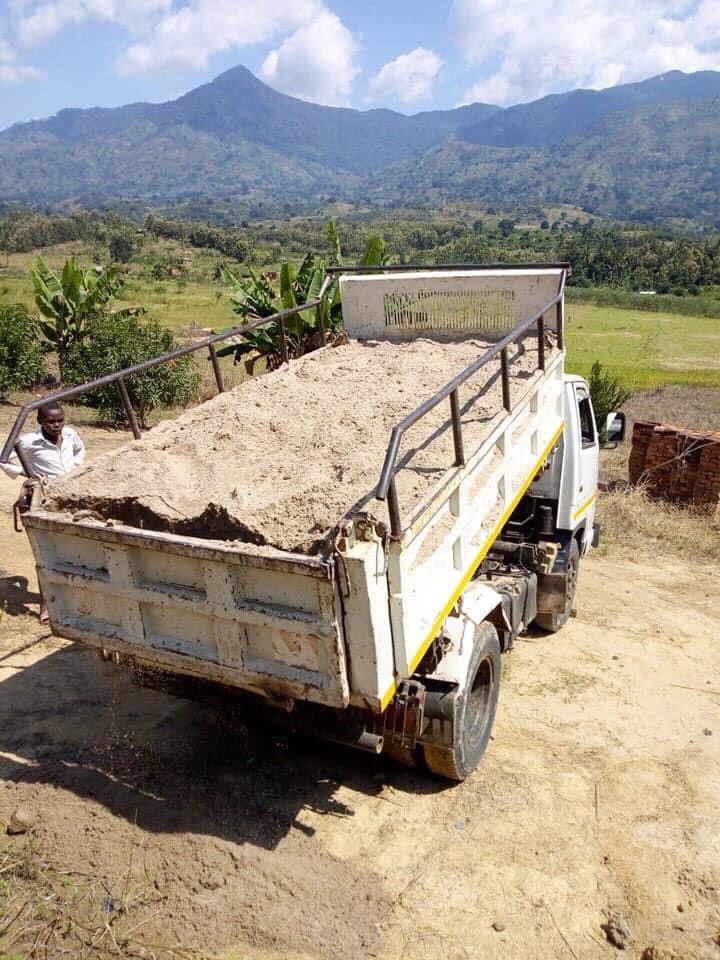
Below are some pictures showing the progress we have made constructing the main building (two classrooms and teachers office) and toilets. We hope you will be so kind to help us reach the $1500 goal for a playground.


To support this project, please click here

Analyzing Mv. Spice Islander’s Investigation Report in Light of the Mv. Nyerere Ferry Sinking in Mwanza Region of Tanzania.


According to the report, “MV Spice Islander” had a maximum human loading capacity of 600 passengers. However, at the time of its sinking, it was carrying 2470 passengers. That is four times the maximum allowed. Further reports says, 941 passengers survived, 203 passengers lost their lives and 1326 passengers are still missing. I’m saddened by the magnitude of human loss.

The report further states, the cause of the accident was “severe levels of negligence.” Nine (9) people have been arraigned in connection to the accident. The dead and survivors of this accident will be compensated at a rate of Tshs 125,000 for 80 months which is equivalent to Tshs 10,000,000 per person.

The suggested figure is what I have issues with.  I feel like the figures are too low and will not work as a deterrent for future man-made accidents. My understanding is that human life is priceless. To save it, stiffer penalties must be imposed as a deterrent.

My questions are:

  1. Why payments are based on the basic salary levels?
  2. What made the commission to assume that all these people were going to die in the next 6 years and a half (80 months)?
  3. Why not use established income earning potentials for each of the passengers and life expectancy figures to figure out the payment?

This was an opportunity to severely punish those involved so that it will be a lesson to them and for others currently benefiting from this kind of behavior. Don’t let this incident be another missed opportunity like MV Bukoba. This should be a wake up call to shipowners, bus owners, and everyone involved in the transportation business. They needs to understand that “if you cause an accident due to negligence” leading to a loss or loss of lives; severe consequences will follow. The “kazi ya mungu” excuse should not be be the norm.

Once a person purchase a ticket, it’s a contractual agreement between the two parties and that the latter will transport the former safely from point A to point B. These contracts need to be honored. Maybe in the future (“that means now”) the government could implement a system that forces bus, ship and any kind of transportation business owners to declare the insurance value of a passenger and luggage on the back of the ticket in case an accident happens.

My belief is that if the owners are subjected to stiff penalties whenever accidents happens and are starting to see that their profits are being eroded; they will make sure that accidents due to negligence will not be a daily occurrences in Tanzania. To make them change their minds and put safety measures before profit, you have to hit them where it matters most—profits.

In addition to a deterrence on the part of the ship, buses, and any-other type of transportation owners. Citizen awareness campaign regarding overcrowding in public transportation needs to be carried out. It seems people are not learning from these incidence. More campaigns on road safety and problems associated with overcrowding are severely needed.
I will end you with this, “the definition of insanity is doing the same thing over and over while expecting a different outcome.”

The Killing shall continue……..
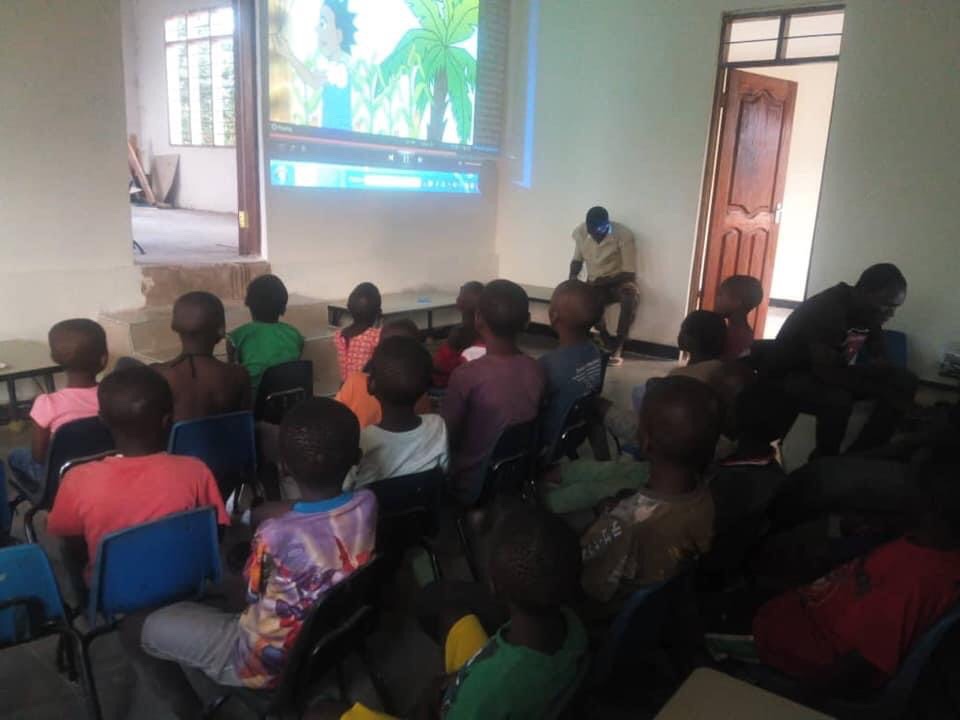
Volunteering Opportunity at Kibogoji Experiential Learning, Inc (K.E.L.I.)


VOLUNTEERING OPPORTUNITY IN RURAL TANZANIA

EDUCATION AND OUTREACH PROGRAM AT KIBOGOJI EXPERIENTIAL LEARNING, INC (KELI) IN TURIANI, MOROGORO -TANZANIA (JANUARY 2019)

Who Are We?

Kibogoji Experiential Learning, Inc (KELI) is registered Not For Profit Organization in Tanzania. Its mission is to bridge technological and instructional quality gap between urban and rural students of all levels in Tanzania.

Location:

Turiani, Mvomero District, Morogoro Region

Duration:

1 – 12 months

Volunteer project:

The project is organized in support of our pre-school and after school education enrichment programs. Kibogoji Experiential Learning, Inc (KELI) promotes early childhood education and Universal Primary Education. The increase in enrollment has increased the load to our staff and other workers to deliver quality services to the children. We currently serve a population of more than 100 children with only three teachers.

Volunteers are needed for teaching, training teachers, and in our outreach programs. We hope our volunteer will also help in fundraising and grant writing to secure more funding. Therefore, if you have passion for children, have worked in fundraising and are a successful grant writer, we welcome you at KELI.

Project theme:

Improving school learning environment and quality education.

Language:

English and Kiswahili.

Duration of the project:

1 to 12 months. The program is running throughout the year with vacation breaks in June and December.

Accommodation:

Kibogoji Experiential Learning, Inc (KELI) will provide accommodation for the duration of your stay. You will be given separate living quarter with own private entry. There is shared fridge, microwave, flat tv, and a range oven (GAS AND ELECTRIC COMBO).

Location:

Turiani, Mvomero District, in Morogoro Region.

Age range:

5 – 19 years old.

Participation fee:

$750

Extra fee:

$450 for 1 month; $650 for 2-3 months; $950 for 3-6 months; $1200 for 6-9 months; $1500 for 9-12 months

The extra fee is intended to support the local host. It is due upon arrival.

Contact Us: sfundi1@yahoo.com