The Turning of Leaves Color in Atlanta


Leaves changing color

Once again, fall is upon us-the temperature is dipping
by the day.  I saw a weatherman today, predicting the temperature will continue to fall and by next week’s end we might be in the 20’s. It is amazing how temperature changes here, without notice we will be back in the 20F’s again and walking to our mail boxes in the after-work hours to pick up those astronomical winter gas (electricity) bills. It seems like there is no end.

The summers are extremely hot in the Hotlanta, and the winters are mildly colder. Hence, there is no break from Georgia Power. I was just thinking (wishful thinking here) maybe fall should stay for awhile. That will indeed give us a break from these back to back gas (electrical) bills.

On the other hand I feel like we put ourselves in this situation. What happened to just owning homes that are relative to our family sizes?  Less space equals to lesser space to warm up during the winter and less space to cool down during the summer months. What I am trying to say is that, Atlanta has a median of 3 people per family. Surprisingly, the average house in Atlanta suburbs has a median of 4 rooms and 3.5 bathrooms. Why do we need all this space? OR Just filing-up our egos I presume.!!!

I guess it is a choice people have to make, but in this one I truly didn’t have a choice.  I just had to swallow it, as there are no in betweens. I am one of those people who think dollars and cents before doing anything. I am among the people who would criticize people who drive huge SUVs (bad for the environmental, taking up two parking spaces and all the other tree huggers’ cries) but I have fallen with the masses in this one.  Why? Even if I chose to buy a small house where would I find it? Everything is big here-cars, motorcycles, bicycles, human and even cats and dogs are all big.

Am I complaining? Not even close.  I do really love my house except for them “summer and winter” electrical bills. Thinking of it, TANESCO would be a welcome  break here. But, Georgia Power is always on and so are their bills, always on time.

This slideshow requires JavaScript.

Neutrinos: Is “physics as we know it” nearing an end???


By: Shaaban Fundi,

The end of Einstein era?I read with interest the article by Charles Krauthammer on the www.nydailynews.com today about the discovery of neutrino particles that travels faster than the speed of light.

If this experiment and the discovery happen to be correct, then most–if not all of the Einsteinian theories in physics will be absolute. It will set a precedence to the dawn of new physics laws and theories.

It is hard to imagine that what we have been made to believe for almost 100 years was (or might be) fundamentally incorect. What is next for physics? Are there other flaws to other sciences that we’re unaware of?

It is the waiting game now for more scientists to replicate the experiment and come up with same or different results.

At the end, we will always love you Einstein (in Whitney Houston’s Voice).

Click here for original article.

A Ship Wreck in Tanzania:Again?


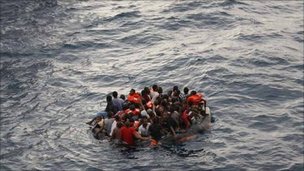
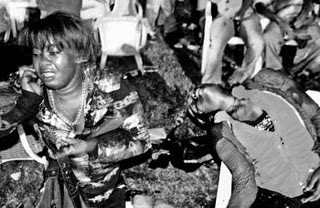
People waiting to be rescued
Another maritime tragedy in Tanzania
It is with sorrow I write this as my countrymen and women are grieving the loss of another too many lives wasted. My deepest condolence are to those who lost their loved ones.

A word of mouth from the survivors ……..” many of the people who died in the accident are  children and women.” Thus, many of the died are going to an early grave.

I write with the realization that it is hard to supervise and monitor all marine and fresh water means of transportation in Tanzania. But, the facts still remain — we should at least have learned our lesson from the MV. Bukoba accident that killed over 1000 people in 1996.

While all this is happening, and after the fact–we hear that the Tanzania government is thinking about creating a “National Emergency Preparedness Task Force”.  Don’t we have one already??? This should have been created and/done with — in 1997 after the MV. Bukoba catastrophic accident. Did we learn anything from accident?

In my views I do not see the need for another bureaucratic organ. It is indeed not needed considering the amount of resources available. We do have a traffic police force and road accidents are happening in a daily basis. The issue here is not lack of an organ to rescue people but lack of enforcement of the preventive steps to insure accidents do not happen in the first place. That is what is lacking!

What needs to be done is concentrate more on the prevention side of the preparedness and enforcement of the already established prevention measures such that accidents rarely happens. Having routine ship engine checks, ship body checks, life boat checks, making sure that ships owners adhere to loading capacities of their vessels etc, etc should be the first priority.

Always–prevention is better than a cure and it is cheaper at the same time. Most of the accidents that are happening in Tanzania are avoidable. It’s just common sense. Why do they allow un-maintained, over-loaded-ships to operate on our waterways?

How many accidents will it take for the “senses” to be “common” again?

Maybe  ship-owners need to carry high premium insurance for the cargo and human life they waste every now and then. That would put them on notice and on the right path thinking-wise. They need to be taken to court and if found guilty–spend time in jail and pay both the dead and the injured handsomely.

I believe their bottom-line (profits) is merely affected when these types of accidents happens—because when people die due to negligence the people who profit from these types of negligence are not taken to account. This in turn creates no incentive to change what they are currently doing–that is killing indiscriminately in the name of accidents.

It is not Allah or Jesus that kills in most of these accidents, it is just negligence and negligence needs to be seriously confronted.

This accident has happened in the Zanzibar route which is a much safer route than the Mtwara –Dar Es Salaam route. It is quite common for ships in this route to stall (engine actually lose power in high seas) sometimes two times in a one way journey from either Mtwara –Dar or vice versa.  Ill-maintained ships, over-loaded passengers and excess cargo are a norm in this route as well.

It is just a matter of time an accident like the one in Zanzibar will happen in this route as well if necessary preventive steps  like the ones mentioned above are not going to be taken sooner.

In Pictures: The Zanzibar Ferry Disaster–Source BBC News.

Note: I use the word accident very lightly here as most of these so-called accidents are avoidable.

Tanzania: President Kikwete Denies WiKiLeak Cables


1.In an outrageous cable reported by Wikileaks, the former US Ambassador to Tanzania, Michael Retzer is reported to have said in his cable reports that President Jakaya Mrisho Kikwete has accepted gifts from the owner of the Kempinski Hotel chain, who is a citizen of the United Emirates.

2.This is, according to Ambassador Retzer, from a conversation he had with the Manager and Publicity Director of the former Dar es Salaam-based Kilimanjaro-Kempinski Hotel, Miss Lisa Pile.

3.This cable is as untruthful as it is outrageous. It is full of lies and innuendoes seeking to tarnish the good image and name of the President. It is unfortunate and highly disappointing that an ambassador worth his name could engage in this kind of lazy gossip.

4.The Directorate of the Presidential Communications would like to deny these lies in the strongest terms possible as follows:

5.We would like to state categorically that there has never been a time when the President received gifts from Ali Albwardy. This is definitely an outrageous claim and if there is evidence to the contrary, we would like to challenge Mr. Ambassador Retzer to produce it for the public to satisfy itself that what he is claiming are mere lies.

6.That there has never been a time, ever, when His Excellency Jakaya Mrisho Kikwete, during his time as Foreign Minister or currently as President of the United Republic of Tanzania, was flown by anybody to London on a subsidized shopping expedition to buy five suits. All his travels to London or any other places in the world have been duty assignments paid for by the Government of Tanzania. The matter of him being flown to London for subsidised shopping of five suites is outrageous.

7.That during his entire life, as Foreign Minister or as President, the President has never met in London nor travelled with Ali Albwardy to London on a shopping expedition. In any case as Foreign Minister he is given adequate clothing allowance. And, now as President his clothing is the responsibility of the state. He does not therefore need to be flown by anybody for subsidized shopping of suits.

8.That the President was not responsible for raising nor receiving campaign funds for CCM Party during the 2005 General Elections. He was simply the flag bearer of the Party. However, he is privy to information that Kempinski Kilimanjaro Hotel was never asked nor contributed a single cent towards CCM campaign. Therefore the allegations that Kempinski Kilimanjaro Hotel contributed one million (USD 1,000,000) toward CCM campaign are baseless and unfounded.

9.That the Government permission for possessing of the Kilimanjaro Hotel by Kempinski Hotels and the subsequent permission to Kempinski to build two new hotels – one on the edge of the Ngorongoro Crater and another on the Serengeti plains overlooking the main animal migration routes were issued by the Third Phase Tanzania Government and not by Mr. Kikwete’s Administration.

10.However, President Kikwete declined to grant permission to Kempinski Hotels permission to build on the right of the Ngorongoro Crater on the strength of environmental concerns. How come then that the President who had been offered so many favors such as suits and election money, took this principled position? This therefore testifies to the fact that, claims that the President has received favours are a concoction with malicious intentions from the authors.

11.That it is a lie that Mr Kikwete has frequented Kilimanjaro Kempinski Hotel in his personal capacity. The records are very clear; the President has never, ever on his own visited that Hotel except on official duties or when he has escorted official state guests or attended meetings.

12.It is unfortunate that the distinguished Ambassador would believe and transmit such baseless lies and hear-says from a single source. The Office of the President takes strong exception to such behaviour which seeks to tarnish the name and person of the President.

Here is the link to Swahili version of same.

Released by:

Directorate of Presidential Communications,

State House,

DAR ES SALAAM.

05th September, 2011

Telephone: 255-22-2114512, 2116539

E-mail: press@ikulu.go.tz

Fax: 255222113425

P.O. BOX 9120,

DAR ES SALAAM.

Tanzania.

Suggestions for Teaching English to Native Swahili Speakers.


Shaaban Fundi,

Last week I conducted several interviews with Swahili speaking students at a local community college in Atlanta. Amongst the interviewees: three were from the Democratic Republic of Congo, one from the United Republic of Tanzania and four were from the republic of Burundi. The eight students spoke Swahili with different dialects.

By definition, Swahili or Kiswahili is a “Bantu language spoken by various ethnic groups inhabiting a large Indian Ocean Coastal stretch from Mozambique to Somalia”. The countries include: Tanzania, Kenya, Uganda, Rwanda, Comoro, Burundi, Malawi, Zambia, and Congo DRC.

I learned from the interviews that Standard Swahili has 5 vowels phonemes. The vowels are: a, e, I, o, u. And that the vowels are never reduced, regardless of stress. The vowels are pronounced as follows:

“a” is pronounced like the “a” in pasta
‘e’ is pronounced like the “e” in bed
‘i’ is pronounced like the “i” in ski
‘o’ is pronounced like the “o” in “or”
‘u’ is pronounced like the “oo” in “bassoon”.”

I also learned that like in numerous Bantu languages, Swahili arranges nouns into a number of classes. The ancestral system had 22 classes. Counting singular and plural as distinct according to the Meinhof System. Most Bantu languages share at least ten of these noun classes. Swahili employs sixteen nouns classes: six classes usually indicate singular nouns, five classes usually indicate plural nouns, one class for abstract nouns, one class for verbal infinitives used as nouns, and three classes to indicate location.

Some examples of the nouns classes are presented below:
“class semantics prefix singular translation plural translation
1, 2 persons m-/mu-, wa- mtu person watu persons
3, 4 trees, natural forces m-/mu-, mi- mti tree miti trees”

As seen above, Swahili is a very complex language and differs significantly from the English language. The vowels are pronounced the way they are written while in the English language the vowels carry different sounds from the written expression. This difference in particular causes a huge challenge to students who are learning English as a second language from the Swahili speaking cultures. Students from Swahili speaking countries struggle with intonation and word sound relationships in English because this is a very different system from that of Swahili or Kiswahili.

Implication in the classroom instruction

It is very important for educators to understand the linguistic similarities and differences between Swahili and English to have an opportunity to help students like the ones I interviewed. In addition, Swahili has a different system for singular and plural to that used in the English language. The addition of vowels to words does not exist in the Swahili language. Thus, making it harder for Swahili speakers to learn the English language.

Opportunity in classroom instruction:

It would be helpful to educators who teach content specific course to understand the linguistic similarities and differences between Swahili and English. This understanding will help them to anticipate when and where Swahili speaking students will have challenges learning the English language. This understanding will provides educators with an opportunity to help students for Swahili speaking nations to be engaged in their own learning and also in using the new language for other content specific courses.

Educators need to develop lessons that will focus more in helping students new to the English language understand the differences and similarities between the two languages and use the opportunity to highlight how to overcome those differences. For example, educators can start by teaching the students the English alphabet, vowels and word sounds. This will help the students to understand where the two languages are similar and where they differ.

After students have mastered word sounds, educators can go further into reading, writing and comprehension of the English language. The step by step instruction will help many ESOL students to become fluent English speakers and writers and in turn this will have a significant impact on how the ESOL students excel in the content classrooms.

References:
1.Prins, A.H.J. 1961. “The Swahili-Speaking Peoples of Zanzibar and the East African Coast (Arabs, Shirazi and Swahili)”. Ethnographic Survey of Africa, edited by Daryll Forde. London: International African Institute.
2.Prins, A.H.J. 1970. A Swahili Nautical Dictionary. Preliminary Studies in Swahili Lexicon – 1. Dar es Salaam.
3.Whiteley, Wilfred. 1969. Swahili: the rise of a national language. London: Methuen. Series: Studies in African History.
4.Brock-Utne, Birgit (2001). “Education for all — in whose language?” Oxford Review of Education 27 (1): 115–134.

An Old Primary School Right of Passage.


The first thing I heard from the Head Teacher when I went to register to start my primary school education was— “raise your right hand over your head and touch your ear on the other side.” It was a heart breaker for many children those days. If your right or left hand couldn’t touch the tips of your ear on the opposite side, it meant you was not old enough to start a primary education.

It actually happened to me twice before I was formally registered. Two years in a roll, going to that long line, with my peers and being rejected at the end of the line—just because my fingers could not touch the tips of my ear. I guess the first time I was a little younger, but the second time I was really 7 years old. It was humiliating in both cases.

My mother was and continues to be a law abiding citizen. Most parents whose kids were rejected due to the hand over head to ear rule, would go to the district office and just buy a birth certificate for their kids. My mother kept me home for two years so that I could start primary school at the right age.

I knew all my A, B, Cs for gods sake! I could count to a hundred in Ones and in tens in Swahili, but, that was not enough. I had to touch the ear, because that was the rule of the land. For most of us who did not have a birth certificate to prove that we were indeed 7 years old, we had to wait for the next round–which was next year. The lack of birth certificate was very rampant during those days. Even though I was delivered in a regional Hospital “Kitete Regional Hospital” I still lacked one.

It is still a mystery to me to why we had to do that? I have not been able to find any logical explanations to collaborate the relationship between age and hand over head touching your ear on the other side preposition. If you know anything as to the origin of this rule—please share!!

Random Thoughts!


Girl Peeing on the side of the roadWhile holidaying in Tanzania I had to take the bus from Mwanza to Shinyanga. The bus was going all the way to Dar Es Salaam. We left Mwanza before sunrise and we had to travel for about an hour for the sun to start coming up. It was a beautiful morning, there were No clouds on the horizon. You could see the sun rising from the ground-up, first pinkish-yellow in color, then slowly turning into that warm red African hot sun. It was simply beautiful!

The bus was traveling at a very high speed. Everyone had a seat and some of the seats on the back of the bus remained empty. We continued to stop here and there picking up passengers going to Dodoma, or further ahead to Dar Es Salaam. I was in a bus, comfortably seated, the passengers spoke loudly and I could hardly understand the language. It was mostly Sukuma mixed with some Swahili words. I could see the pride in them, these people were very proud to be Sukumas.

Before we arrived at Old Shinyanga, we stopped for all the passengers to go out and relieve themselves. Everyone jumped out of the bus and off into the side of the road’s bushes. Some went further afield; I guess some were “taking a dump” and some were just going out to pee. I was just wondering what you would do if you really had to go poop in the bushes while you had forgotten to pack your toiletry?

I remember when I was a kid; we used to use tree leaves or corn cobs to wipe our asses with after we went pooping into the bush. I remember in those times, you would go into the bush and hold on a small bush trunk to let it out. Grab some tree leaves “soft ones off-course” and wipe your butt with. I am not exactly sure how clean you would get while doing this, but it was how things were done back then.

No digging holes to poop in, just on top of the dirt. The hole in the ground type was a way to advanced sanitation system. The hole on the ground toilets were 5-10KM away sometimes. I just had to do what I had to do! answering mother nature’s call.

This post is inspired by the little girl taking a dump at the side of the road on my way to Shinyanga from Mwanza. The father (seen on the picture) did exactly what I described above. He picked some young tree leaves and used them to wipe the kid’s bummy after she was done pooping. It was hilorious to see that done on the side of the road.

Raising a Blood Alcohol Limit to Solve a Drunken Driving Epidemic.


I did not follow closely the conversation and debate between the democrats and the republicans over the issue of raising the debt limit in the United States. There were fears of a default and economic Armageddon if the debt limit was not raised by August 2rd, 2011.

Looking at how the market “wall street” has performed since the passage of the debt limit bill, one could easily conclude that the America economy is slowly walking to a train wreck. It was running towards it before the bill passage as some have suggested. The bill has just put some temporary brakes on the inevitability.

The American deficit or the difference between what the U.S government collects and what it actually spends is approximately 1 trillion dollars. That is, the U.S government is spending approximately 15 trillion dollars a year and collecting only 14 trillion dollars in the same time span.

In my little understanding about economics, what the raising of the debt limit is doing is analogous to raising the blood alcohol limit when you’re trying to curb a drunken driving epidemic. That is to say, you can still drink and be drunk before you breach the legal limit and/or before the cops can legally stop you. In the same token, the government now can continue to over spend without taking serious measures on the actual debt that the U.S government is currently carrying.
http://www.hulu.com/aol/http%3A%2F%2Fwww.hulu.com%2Fwatch%2F258670%2Fthe-daily-show-with-jon-stewart-men-of-a-certain-rage/embed/pJyx3bpXUie3QSCLCnXQ0w

Dar Es Salaam Life Exposed.


This is what life is for most of the Dar Es Salaam residents. Lack of water, electricity, healthcare, educational opportunities and jobs are a reality. Watch the video to see the real life of the majority of Dar Es Salaam residents.

Nairobi Westgate Mall Bombing, Kenya


This is what I wrote two years ago about Somalia. Is it still relevant?? Is this a continuation of the indecisive political capitals in East Africa? Is Dar Es Salaam prepared for the incoming terrorist act?

By Shaaban Fundi,

I deeply regret the loss of lives and the senseless injuries caused by the bombings in Kampala. I wish the injured a speedy recovery and the dead mercy from the creator. And to the relatives of the victims, time will heal the wounds and sorrows. The killing of innocent people should be forcefully condemned.

What should Uganda do now? The issue of dealing with al Shabaab should not be left to Uganda alone. If they can bomb Kampala, then they are indeed capable of bombing Nairobi, Dar es Salaam or Kigali at any time in the future. It should be a collective gesture by the East African Community to show al Shabaab that East Africa is fed up with this barbaric and nonsense killings of innocents.

Somalis terrorists have now become a regional nuisance that needs to be dealt with decisively. Forces should be combined (Tanzania, Kenya, Uganda etc) to uproot them from their bases in Mogadishu and wherever they might be hiding in the countryside. Their acts and existence are destabilising the region and hindering further investment in East Africa from outside investors.

As East Africans are trying to build an integrated East Africa, we can’t lose sight of the problem of piracy, terrorism and refugees streaming from Somaliland. It is in the interest of East African nations to deal with this problem now, once and for all. These resolutions after resolutions by the AU of sending peacekeepers to keep nonexistent peace in Somalia should end.

We East Africans actually need to go into Somali, create peace by disarming all the fighting factions and then keep the peace until Somalis are ready to lead their own county.

We have been watching Somalis kill each other for far too long, over 20 years in fact. The fact of the matter is they seem incapable of figuring out solutions to their problems. It is now time for neighbours to intervene. We are not going to intervene just because it is morally right, but because we will also be preventing future attacks.

If Tanzania, with the support of Ugandans, was able to uprooted the ruthless regime of Idi Amin Dada, three countries or more in the East African bloc should be able to do the same in Somalia with the help of moderate Somalis.

This is our problem and we need to deal with it as East Africans. America and the West will not be fully engaged in this as their interventions around the world usually involve the presence of oil or minerals resource in the country in question, and Somalia has neither.

As the AU head of states gather in Kampala from July 25, this issue needs to be at the top of the summit’s agenda. The Somalia problem cannot be left to take its own cause any longer and needs to be dealt with forcefully and conclusively.

Atlanta Public Schools Cheating Scandal


By Shaaban Fundi

It has been all over the news channels for the most part of last and this week. It is a huge scandal involving 178 teachers and administrators in 44 different schools.  Some of the accused have already confessed to changing student’s test answers and doing special arrangements to raise students’ achievement in their schools.

In following this issue, I came across an article on the internationalguy’s blog that talks in detail about what happened (an inconvenience truth in his views). I do not agree entirely with the author but there is some truth on what he is saying (despite some racist vernom in his writings). Read the article here and arrive at your own conclusion.

A story about appreciation


Unknown Author,

One young academically excellent person went to apply for a managerial position in a big company. He passed the first interview; the director did the last interview, made the last decision.

The director discovered from the CV that the young man’s academic achievements were excellent all the way, from the secondary school until the postgraduate research, never had a year when he did not have high scores.

The director asked, “Did you obtain any scholarships in school?” the youth answered “none”.
The director asked, “Was it your father who paid for your school fees?” The youth answered, “My father passed away when I was one year old, it was my mother who paid for my school fees.

The director asked, “Where did your mother work?” The young man answered, “My mother worked as clothes cleaner.

The director requested the youth to show his hands. The young man showed a pair of hands that were smooth and perfect.

The director asked, “Have you ever helped your mother wash the clothes before?” The youth answered, “Never, my mother always wanted me to study and read more books. Furthermore, my mother can wash clothes faster than me.

The director said, “I have a request. When you go back today, go and clean your mother’s hands, and then see me tomorrow morning.”

The youth felt that his chance of landing the job was high. When he went back, he happily requested his mother to let him clean her hands. His mother felt strange, happy but with mixed feelings, she showed her hands to the kid.

The young man cleaned his mother’s hands slowly. His tear fell as he did that. It was the first time he noticed that his mother’s hands were so wrinkled, and there were so many bruises in her hands. Some bruises were so painful that his mother shivered when they were cleaned with water. This was the first time the youth realized that it was this pair of hands that washed the clothes everyday to enable him to pay the school fee. The bruises in the mother’s hands were the price that the mother had to pay for his graduation, academic excellence and his future.

After finishing the cleaning of his mother hands, the youth quietly washed all the remaining clothes for his mother.

That night, mother and son talked for a very long time. Next morning, the young man went to the director’s office.

The Director noticed the tears in the youth’s eyes, asked: “Can you tell me what have you done and learned yesterday in your house?”

The youngman answered, “I cleaned my mother’s hand, and also finished cleaning all the remaining clothes’
The Director asked, “Please tell me your feelings.”

The young man said, Number 1, I know now what Appreciation is. Without my mother, there would not the successful me today. Number 2, by working together and helping my mother, only I now realize how difficult and tough it is to get something done. Number 3, I have come to appreciate the importance and value of family relationship.

The director said, “This is what I am looking for to be my manager. I want to recruit a person who can appreciate the help of others, a person who knows the sufferings of others to get things done, and a person who would not put money as his only goal in life. You are hired.
Later on, this young person worked very hard, and received the respect of his subordinates. Every employee worked diligently and as a team. The company’s performance improved tremendously.

A child, who has been protected and habitually given whatever he wanted, would develop “entitlement mentality” and would always put himself first. He would be ignorant of his parent’s efforts. When he starts work, he assumes that every person must listen to him, and when he becomes a manager, he would never know the sufferings of his employees and would always blame others.

For this kind of people, who may be good academically, may be successful for a while, but eventually would not feel sense of achievement. He will grumble and be full of hatred and fight for more. If we are this kind of protective parents, are we really showing love or are we destroying the kid instead?

You can let your kid live in a big house, eat a good meal, learn piano, watch a big screen TV. But when you are cutting grass, please let them experience it. After a meal, let them wash their plates and bowls together with their brothers and sisters. It is not because you do not have money to hire a maid, but it is because you want to love them in a right way. You want them to understand, no matter how rich their parents are, one day their hair will grow gray, same as the mother of that young person.

Student Wasting Valuable Time in Tanzanian Schools.


By Shaaban Fundi

If education and how we educate our children is paramount to you, you may find Mr. Daudi Msseemmaa’s (of lenana blog) excellent analysis of Twaweza recent report to be very insightful. Kudos to lenana blog for sharing this very interesting report and story.

Uranium Mining in the Selous Game Reserve, Tanzania


By Shaaban Fundi


Selous National Park

Once again the government of Tanzania is embarking into Uranium mining without a sound environmental impact assessment. While environmental impacts associated with the construction of a highway through the Serengeti National Park have not been completely and dully resolved, the same government is now proposing the mining of Uranium in the Selous Game Reserve which is one of the very few world heritage sites in Tanzania.

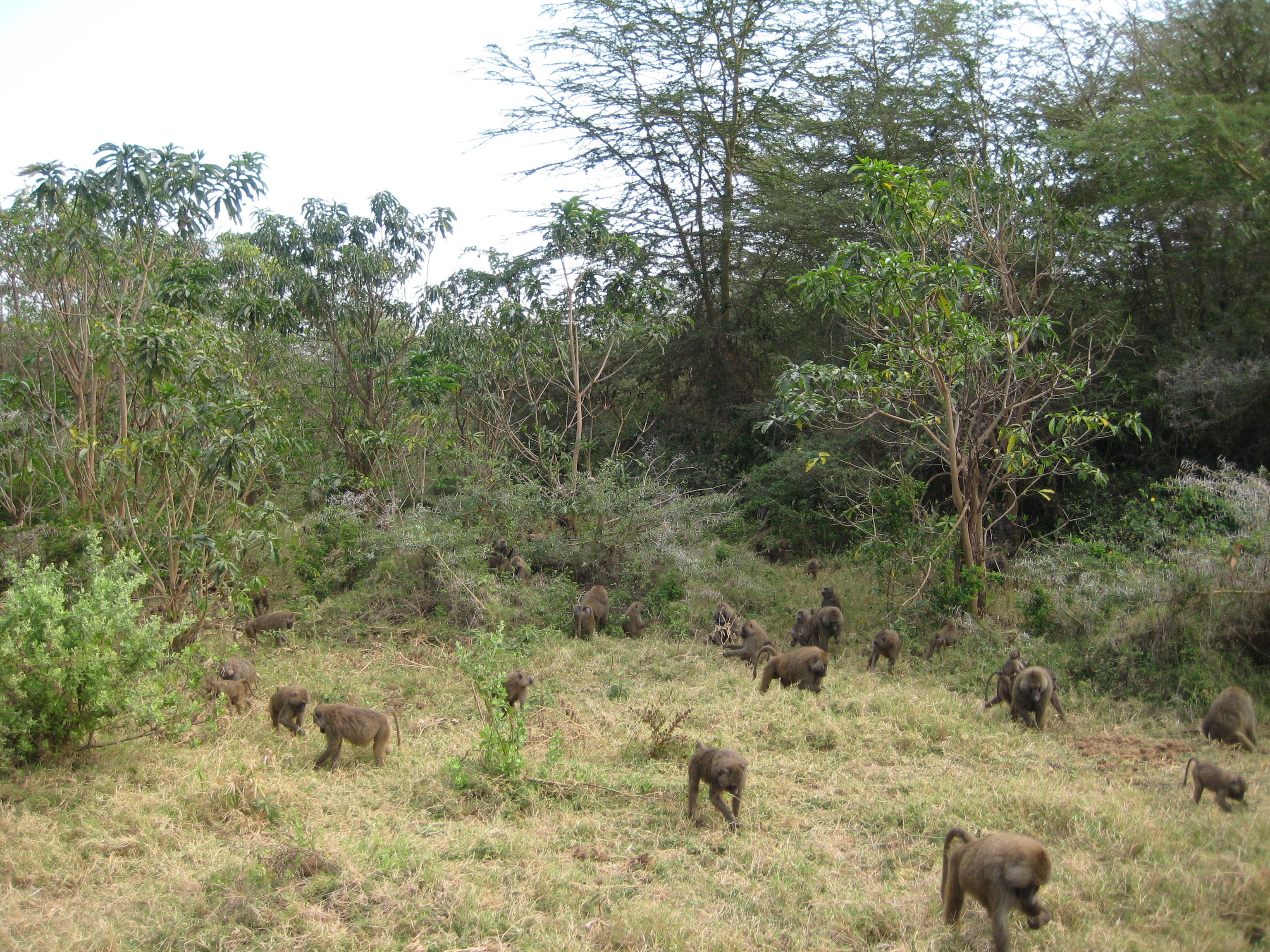
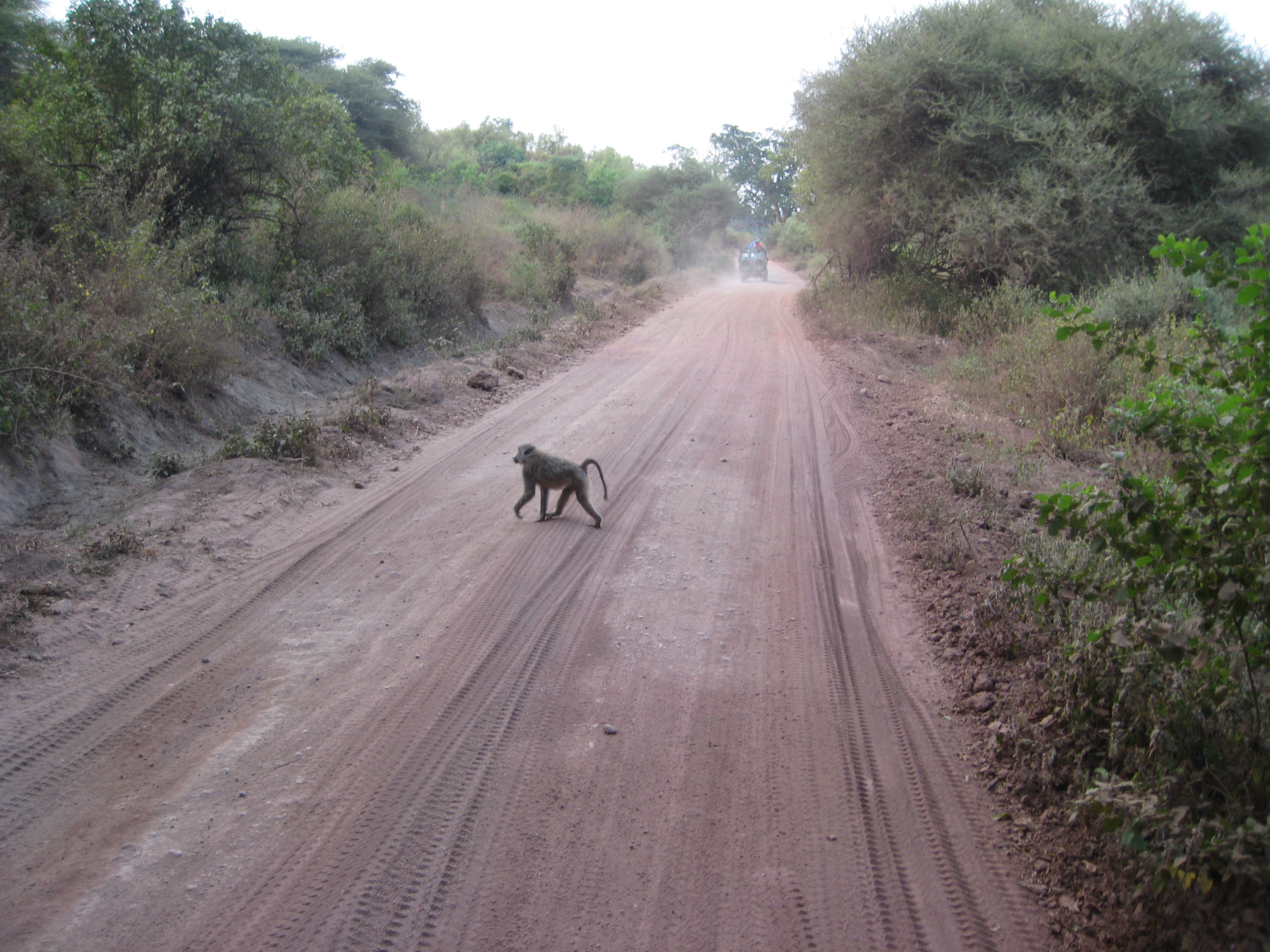
Monkeying around
Monkeying around

Just to recap the facts. When mining uranium, even the utmost grade deposits have less than 1% . Therefore,  to obtain enough and useful amount of uranium, a vast amounts of ore have to be processed.  In addition, the leftover (waste) rocks also known as tailings are nearly as radioactive as uranium itself. These tailings need to be secluded from the environment to avoid a cancer epidemic for 25,000 years or more.

roads to the park
roads to the park

I guess the minister in charge is not aware or chose to forget the facts.

Moreover, one of the elements along the uranium radiation chain is radon, a radioactive gas which can travel for hundreds of kilometers prior to decaying. Radon gas contamination issue actually happens at the mining site and its surrounding environment and not when uranium is enriched. Mine workers, villagers and animals near the mining site who breathe in this gas risk developing lung cancer and other kinds of lung diseases. Some vivid examples of health issues associated with uranium mining “tailings” are still evident in the Grand Canyon Region of the United States today.

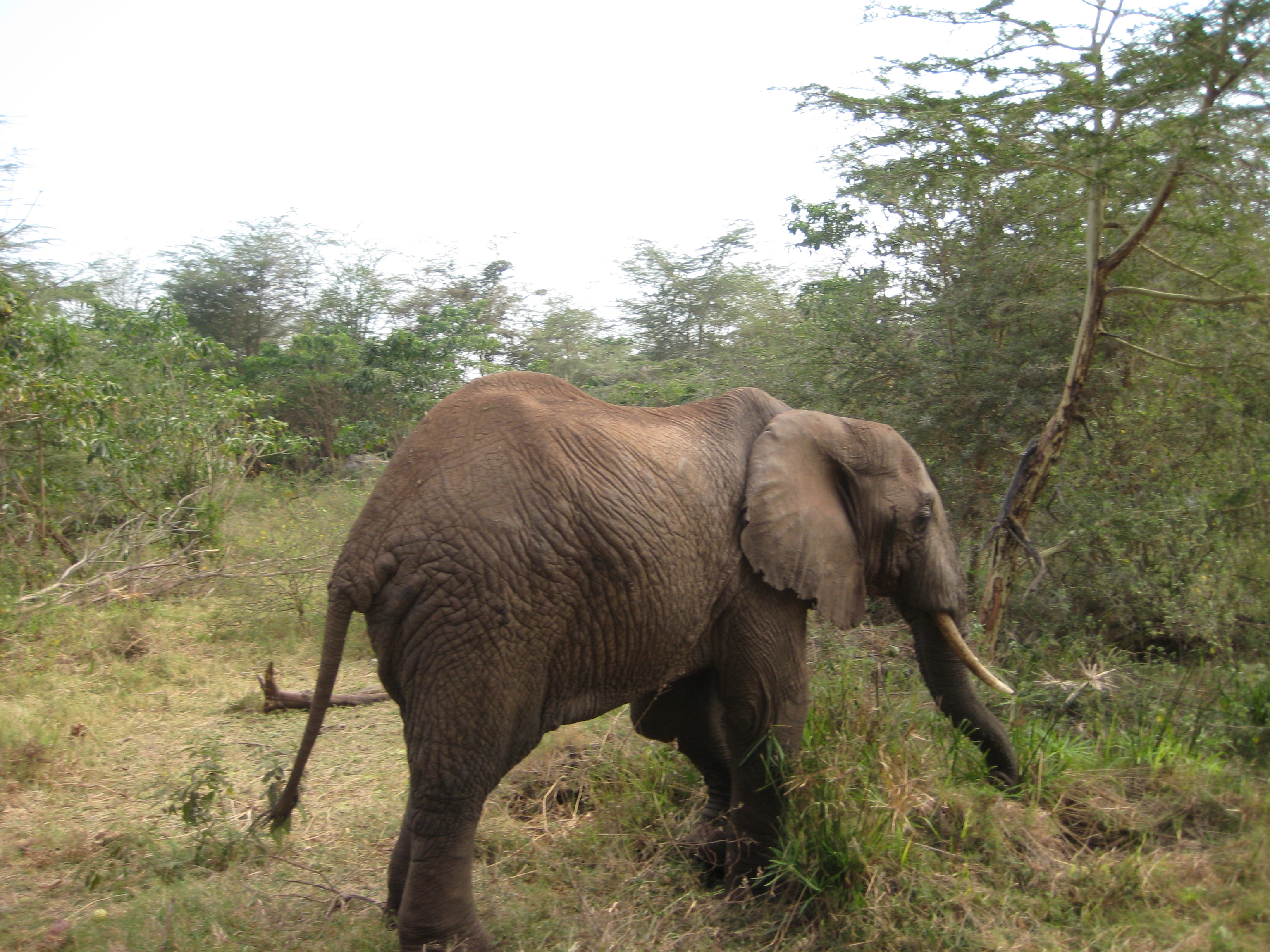
One member of the so called big five

In addition to polluting the air, water and earth with radioactive chemicals and heavy metals which can never be completely cleaned up, Uranium mining is also related with poisonous process chemicals, heavy metals and the use of vast quantities of water (read my previous article entitled “Uranium Mining Resource or Curse for Tanzania” to understand more about the water issue).

In the short-term, uranium mining sites ruin the ecology of the local region; in the long-term they pose a risk to a much wider area for thousands of years to come.

elephant zone
elephant zone

The health risks of uranium mining are by now fairly well-known, although still highly disputed by governments and the mining industry itself. It is a known fact that, uranium miners, the locals and the animals near the site suffer the maximum radiation doses of all in the nuclear fuel chain.

The major problems are inhalation of dust and radon gas, which leave alpha radiation emitters lodged in the body where they can do serious harm. As the pollution from the mines spread away from the mine site, local people and animals are also exposed to contamination. While uranium mining is highly related to cancer, low-level radiation is also associated with birth defects, high infant mortality rates and chronic lung, eyes, skin and reproductive illnesses.

What plans does Tanzania have in place to make sure that all these dangers are addressed, avoided or minimized before mining commences? What are the short and the long-term plans to mitigate or reduce the impact to human health, the environment and the beauty of the Selous Game Reserve?

Again…..just me thinking!!!!! What are your thoughts?

http://www.dailymotion.com/embed/video/xgsedy
Gabon:The impact of Areva’s uranium mining by france24english

What’s what?


By Shaaban Fundi

I know. A whole week has gone bye bye and I have not had the audacity to write anything. Speaking of audacity, since when have I had the audacity to write anything worth reading anyways.

Yes, sometimes it is hard to write. I have had my ears on the ground all these days but nothing seems to be worth my comments. I usually watch, listen and view things to get my inspiration to write. Nothing appears to inspire me this week!!! What’s the hell is going on?

To the tree huggers like myself and all those who have abstained from this habit. I would like to pass on a thought provoking interview from author of The Failure of Environmental Education (And How We Can Fix It), Charles Saylan. Take a look and tell me what you think? Click here for the interview.

Just think!!! You might learn something new today. Hahahahah!! I seriously dought it.

Serengeti Road No More: Victory or Not?


By Shaaban Fundi

Lion
The king of the jungle eating
Serengeti Road No More: Victory or Not? The letter presented to UNESCO by Mr. Ezekiel Maige clearly states that the SERENGETI HIGHWAY will be constructed on both ends of the Serengeti National Park (click the link above,for the letter and the proposed Serengeti Highway Map at the bottom of the linked document).

According to the letter, the only portion of the road that will not be paved is the 53 kilometers through the Serengeti and will remain under the supervision of TANAPA. This means in layman’s term that only TANAPA vehicles and tourists related transportation would be allowed to use the roads within the park.

Some of the questions I have with this new plan are: 1) why build a highway that is cut in the middle? 2) What will happen to the cars and trucks on both ends of the highway?(since only TANAPA and tourists vehicles will be allowed in the park), 3) Are the cars and trucks going to fly to get to the other paved side of the highway so that they don’t interfere with the already fragile ecosystem?

I feel like this (kiini macho) is just a joke! It all means that the highway will in some way get completed sooner or later. The cars and trucks on both ends will be allowed to circulate within the TANAPA supervised roads (the unpaved portion of the highway) and hence dramatically affecting the wildebeest migration and the Serengeti Ecosystem as a whole.

This road will have even a higher impact on the Maasai people living traditionally on the Serengeti plains. More people will move in, near or close to the park and therefore adding pressure to the subsistence means of living that many of the Maasai people in this area depend on. The gradual diminishing of the subsistence means or lack thereof, will force most of them to leave or join the ranks of many Maasai working as guards (Walinzi) in many cities and hotels across Tanzania. I can’t wait for the time to come (very soon) when the proudest tribe in Africa is turned into beggars by blind governmental policies.

English as a Second Language of Instruction in Tanzania


By Shaaban Fundi

English language learning in the Tanzanian Education System can be characterized as being “problem-solving” oriented. The type of problem solving that does not include exercises that cultivate higher-order thinking skills.

The main goals are: 1) to obtain enough knowledge of English to reach a minimal level for a specific purpose, such as obtaining a position doing menial work, 2) to help students pass standardized exams. Noticeably absent is the goal of real learning and/or authentic learning.

Fixating on Standardized Testing

When students focus on passing exams, they lose sight of authentic learning. Especially for those that English is their second, third, or fourth language. Most students in Tanzania falls in this group.

Equivalently, when educators fixate on having their students pass exams, they may neglect authentic teaching. Educators should certainly work to comply with the country’s learning standards and prepare students for standardized tests, however, these formalities should be placed in the background and place authentic learning in the foreground. If students are truly learning, they will pass standardize tests ANYWAY.

As educators, one question we need to ask ourselves is this, “Do we want to teach our students to just survive, or to flourish?”

The Cycle of Learning is Important

Along similar lines of reasoning, educators need to grasp the need for cycles of Question-Answer-Question instead of merely Question-Answer. For that matter, educators should not be the only ones asking questions. Instead, students should be afforded the opportunity to ask and answer own questions. If educators are to treat students as “explorers”, rather than “plants” that absorb information, and provide space for their voices, students should be able to pose their own questions and problems and seek solutions themselves with the facilitation of the educator, as needed.

The idea is to break the orthodox of what is called in education as “The Pedagogy of the Oppressed,” in which educators control learning and “deposit” knowledge into students. This is quite rampant in the Tanzanian education system.

Sharing the Expertise Stage

Similarly, educators cannot be the only expert in the classroom. To deny students their own expert knowledge is to dis-empower them. Let the students ask and answer their own questions.

When working with English Language Learners, it is especially important to help build students’ confidence. Adapting these ideas would hopefully create an environment rich in learning. In that students would learn from each other and the teacher and the teacher would learn from the students.

Competing Ideas in Resource Poor Countries

These ideas may be difficult to accept and implement in teacher dominated classrooms. They require educators to relinquish some or most of their powers. Implementing these ideas sometimes leads to classroom management issues in the beginning. Thus,  such classrooms and students would need adequate practice in instructional conversation and class discussions. I do realize the fact that most classes in Tanzania are extremely overclouded. This could lead to other issues including how to group students for group activities. Moreover, enrichment activities that feature language learning would likely require increased efforts on the part of the teacher to construct and execute, as compared with implementing lessons grounded in straightforward test preparation and grammar drills.

Ideological Shift

Yes, fostering real and authentic learning will require a lot of work. However, instructional practices and broad structural changes are necessary.  Real change cannot occur until we drastically modify our ideological framework.

Expectations make all the difference. That is, if all that is expected from the educator is that students pass the standardized exams or obtain jobs in the menial labor industry, than learning goals and instructional practices will reflect such aims, and at best, that is merely what students will learn and do.

Should Tanzania change the language of Instruction? In my humble opinion, I believe that there is no need to switch from all English instructional delivery in secondary and tertiary schools as of yet. However, changing the way we teach English to second, third or fourth language learners in Tanzania will take us a long way, modifying our ideological framework will also help, and raising our expectations for what our students can learn and do will increase tremendously higher-order-thinking skills of our students. In my view, at present time, the Swahili only educational delivery model is flawed to say the least.

Tanzania, Tanzania, Nakupenda kwa Moyo Wote!


After spending three weeks in Tanzania and seeing people from all walks of life, I am taking this opportunity to reflect on my experience. Generally, Tanzania is a great country with tremendous potential and opportunities. The country is endowed with a vast amount of natural resources (lakes, oceans, rivers, trees and minerals) and huge chunks of untapped land that is readily available for all sorts of development activities. It can be used for tourism, agriculture, fishing, and all other sorts of entrepreneurship.

However, a small group of Tanzanians are getting richer beyond recognition. Some of the rich Tanzanians are actually vacationing outside the country to far lands such as Europe and the United States. Whereas the majority of  Tanzanians face serious hardship putting a roof over their heads and food on the table. It is an interesting contrast.

I care less how people spend their hard earned cash. But, the issue here is that most of these rich Tanzanians actually work for the government. With government salaries alone, these people would not be able to afford to take their families to Kigamboni(FunCity), not mentioning Stone Town, Zanzibar. It is the corruption and embezzlement of public funds that is so open and publicly accepted that allows for all this to happen.

Actually I somewhat believe it does not matter how well you pay a Tanzanian (a grain of salt here), s/he will definitely find a way to embezzle public funds anyway. In my views, low wages is not the singular reason for why people steal from wherever position they have.  The culture of corruptness and the societal expectations that comes along with it contribute directly to this problem. For example, it is openly accepted that if you have a good position in the government or wherever; you should be able to have a nicer car, a gorofa, and many other stuffs. If you won’t do that people in Tanzania will start asking questions. Does s/he have a mental problem? Why is s/he not stealing?

Everyone is.

Fact of the matter is when you steal the allocated funds for development projects to build your lavish gorofas and beach front three storey houses, the expected development projects remain idol and incomplete. The people who suffer the most are those who depend on government social services who are indirectly reinforcing this societal norm. No wonder, there are no roads to accommodate all the cars in Dar Es Salaam not to mention the hinterlands, no stationary to write statements at most police posts (you have to provide your own 10 sheets of paper to write a police statement on), no gloves for midwives to deliver babies in most, if not all hospitals and the list goes on. It is a pathetic situation.

Changing this culture is one of the solutions to Tanzania’s problems. Issues like the Members of parliaments (MPs) having to receive three salaries {regular salaries (Tshs12, 000,000 per month), seating allowances and per diems) is absurd, but it all stems from the same societal culture of expecting too much from little to no work at all.

And, all this is happening at the time when the government is completely and entirely bankrupt. The government cannot afford to carry out its obligation due to lack of funds. Donors please help my fellow Tanzanians to finance their misplaced priorities and expectations. LMAO all the way back to the ATL.

This slideshow requires JavaScript.

The Rock City, Mwanza


By: Shaaban Fundi

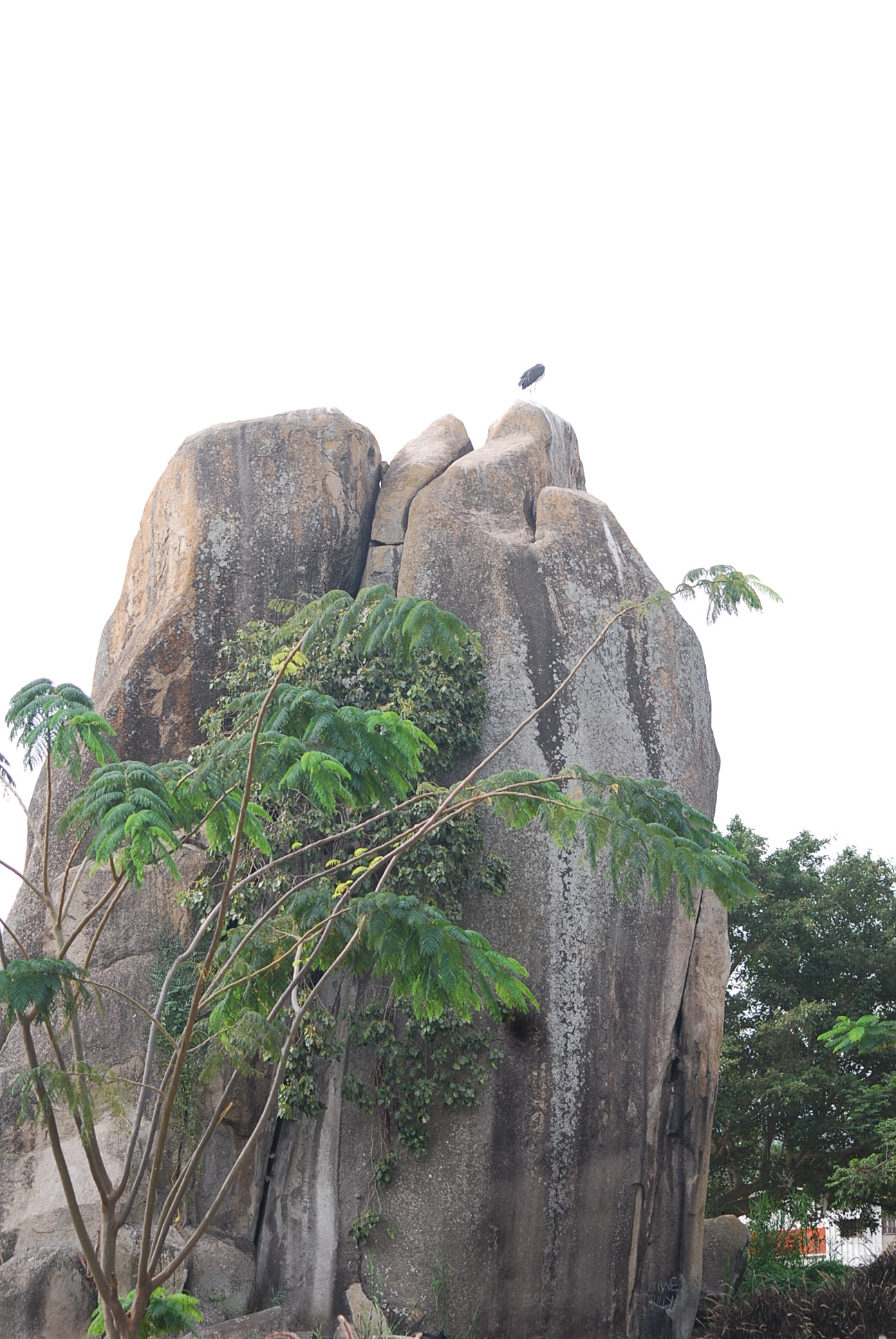
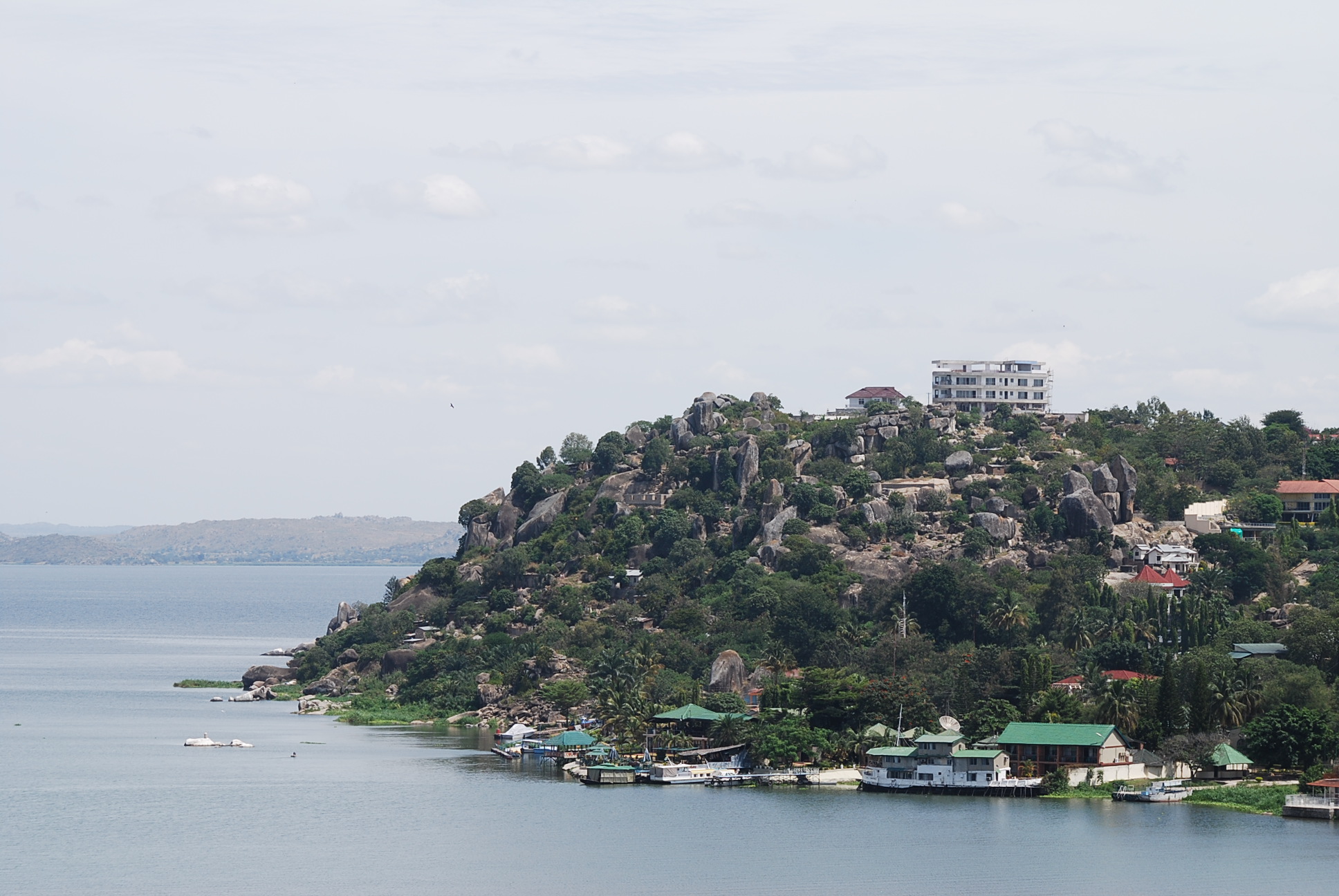
Mwanza: The Rock City

After spending a week on the beautiful beaches of Zanzibar (Nungwi in particular), you would think that nothing can top those amazing “wow” moments. However, Mwanza is stunning on its own right.

Arriving in Mwanza, you fly on top of Lake Victoria. The first things you will see are those cropping up rocks on hills around the city.

It is very beautiful here.

The city is very relaxed. As opposed to Dar ES Salaam, the traffic is light and the temperature is just right. It feels like you are in a place worth visiting. You can reach any part of the city in moments’ notice.

Mwanza
Mwanza

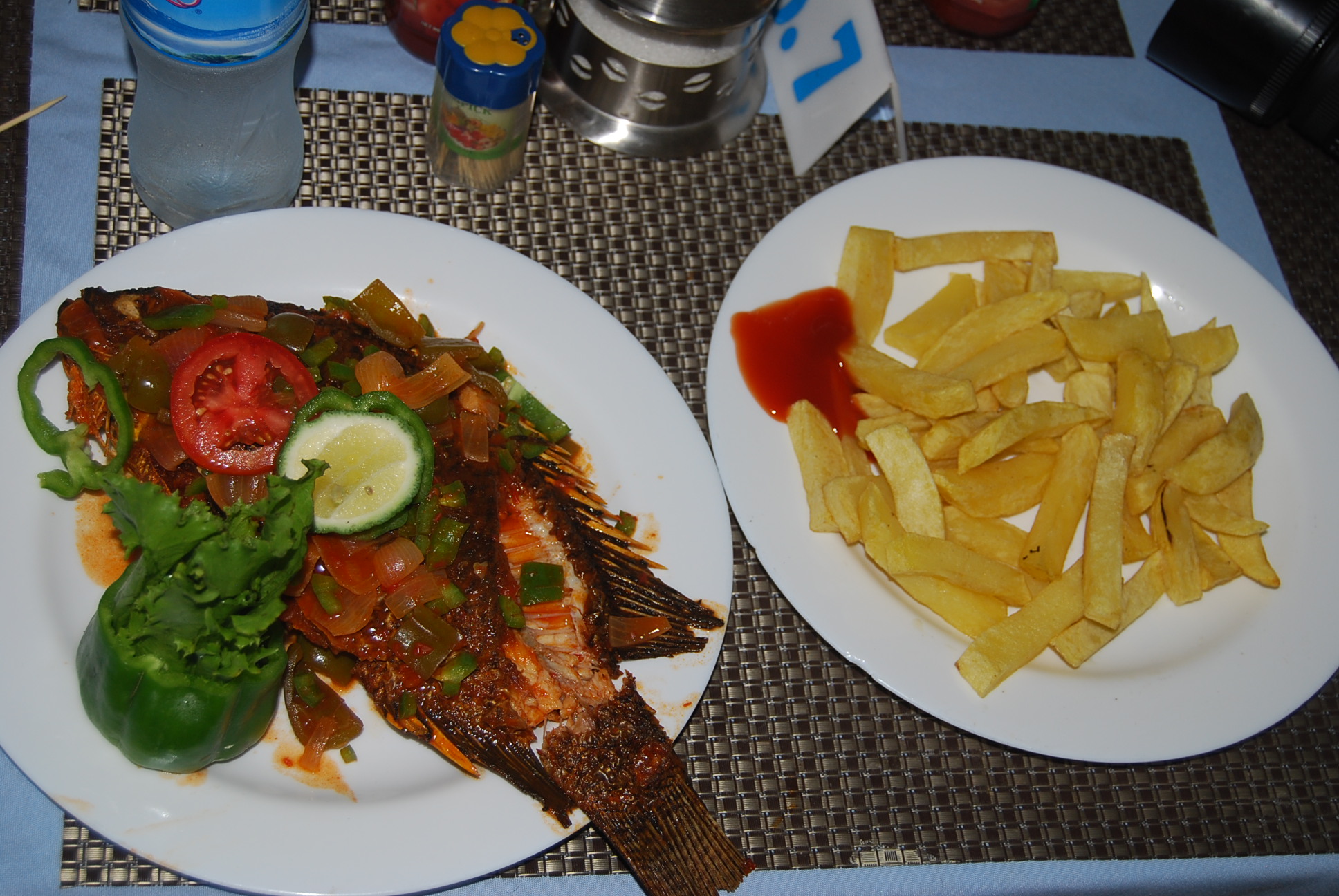
In addition, most people are very friendly and welcoming here. They want to show you where the “it” in Mwanza is…..places for good foods, night clubs, swimming, and the likes. Furthermore, the way they cook Samakis (fish) here is just beautiful; nothing compare to a lake fish…nicely cooked!!!.

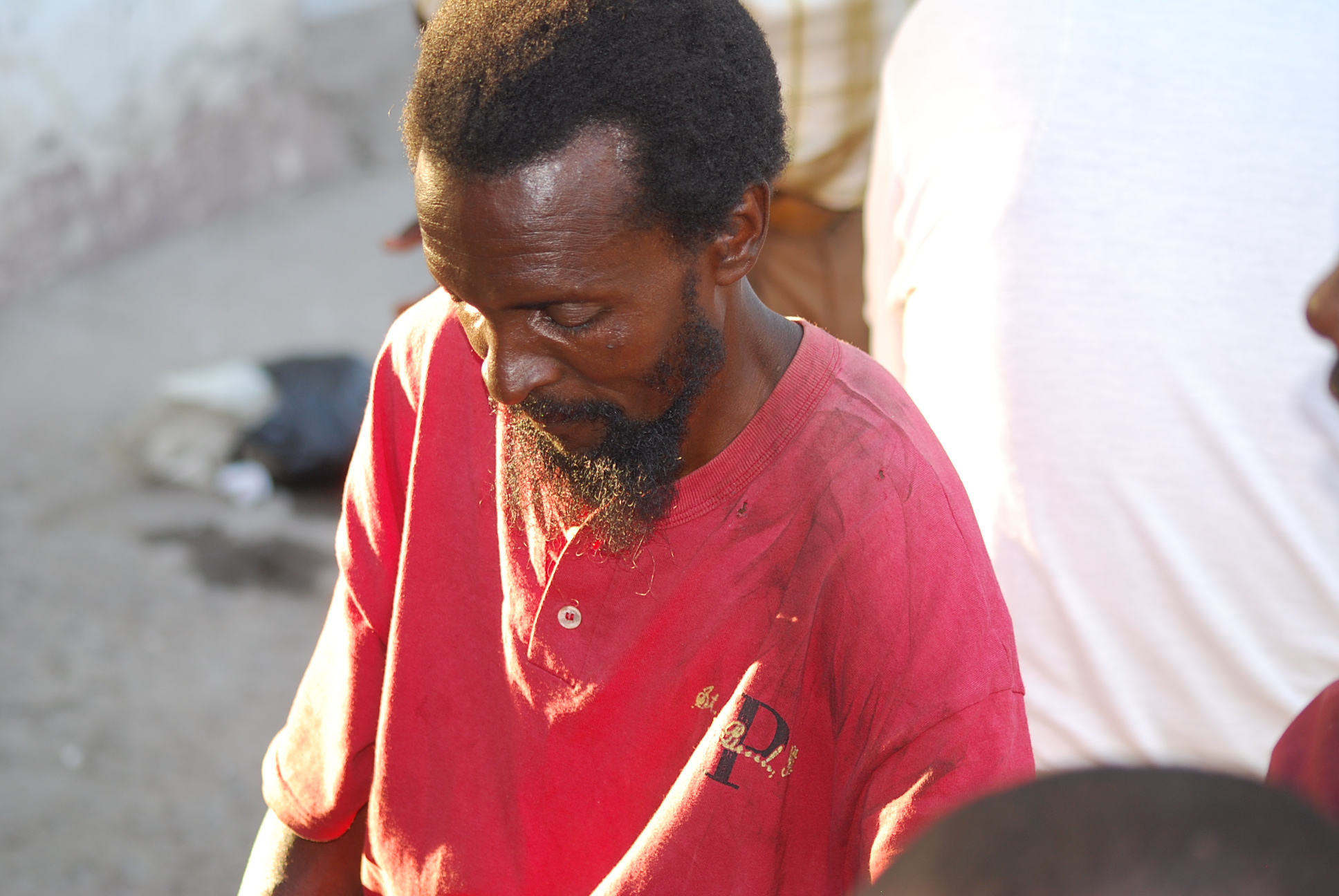
I played "draft" with this guy and lost
I played “draft” with this guy and lost

Pictures of Mwanza will be coming as soon as I find a place to download my pictures. Enjoy…!!!!!!

My first meal in Mwanza
Lake Victoria View
Lake Victoria View

Dar Es Salaam, Zanzibar & Nungwi


This slideshow requires JavaScript.

E-Learning on my way to Morogoro, Tanzania


Finally I am in Morogoro. Further away from the hustle and bustle of the Tanzanian economic engine, Dar Es Salaam. Before I left Dar I attended the E-Learning Conference at Mlimani city. A very nice set-up for people interested in e-learning. Most of the discussions were centered around the theme “how e learning is going to shape education delivery in the Africa of tomorrow?.”

Participants represented the entire African continent and beyond. The place was packed and there was a lot of enthusiasm from the different stake-holders.

As usual, many of the African conference participants were absent. They took this paid opportunity to come to Dar Es salaam to indulge themselves and buying gifts and touring the city. I saw many of them spending at Mlimani City Mall and not attending the sessions. Another, donor’s money wasted.

This slideshow requires JavaScript.

The Dar Es Salaam Bajaj Experience.


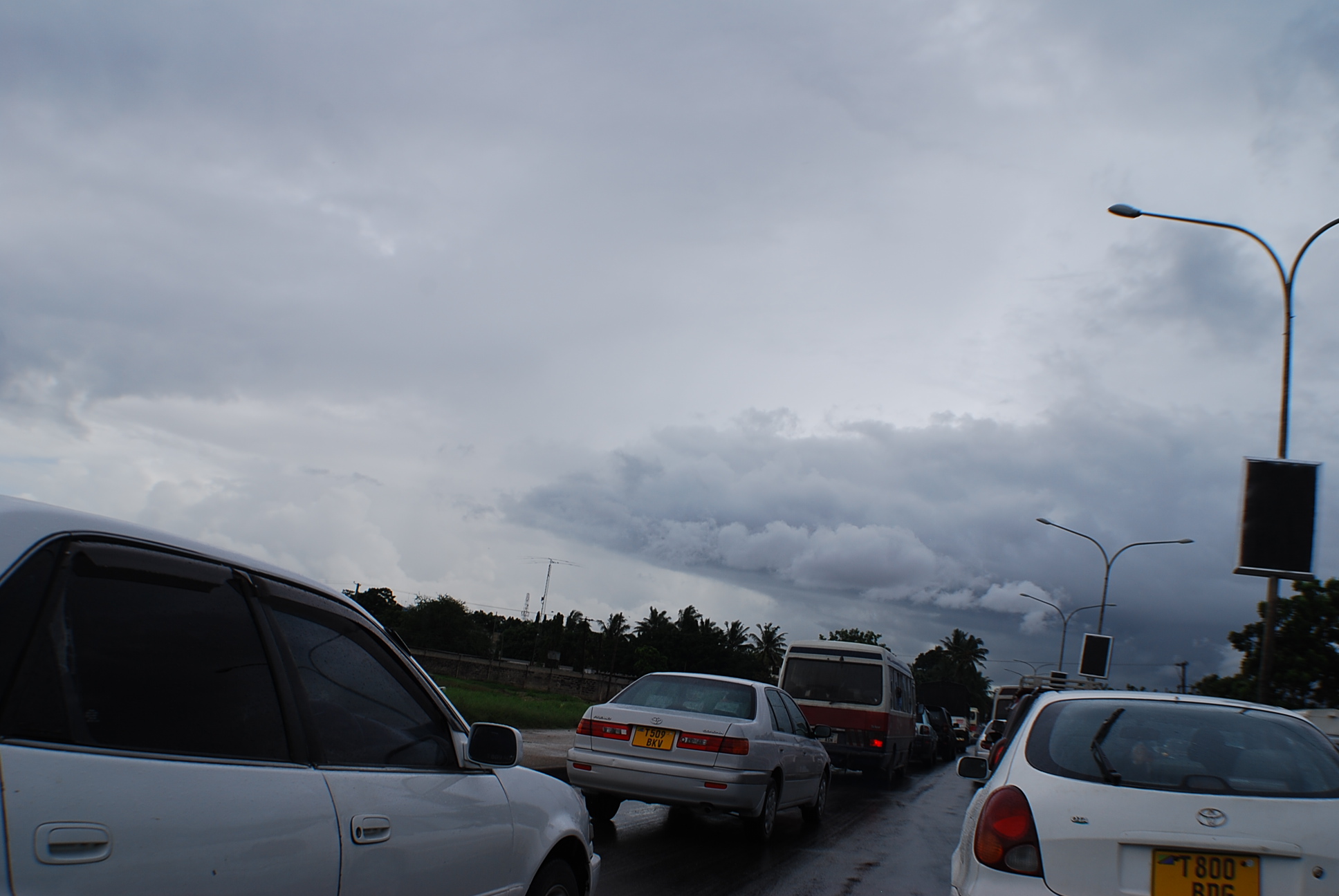
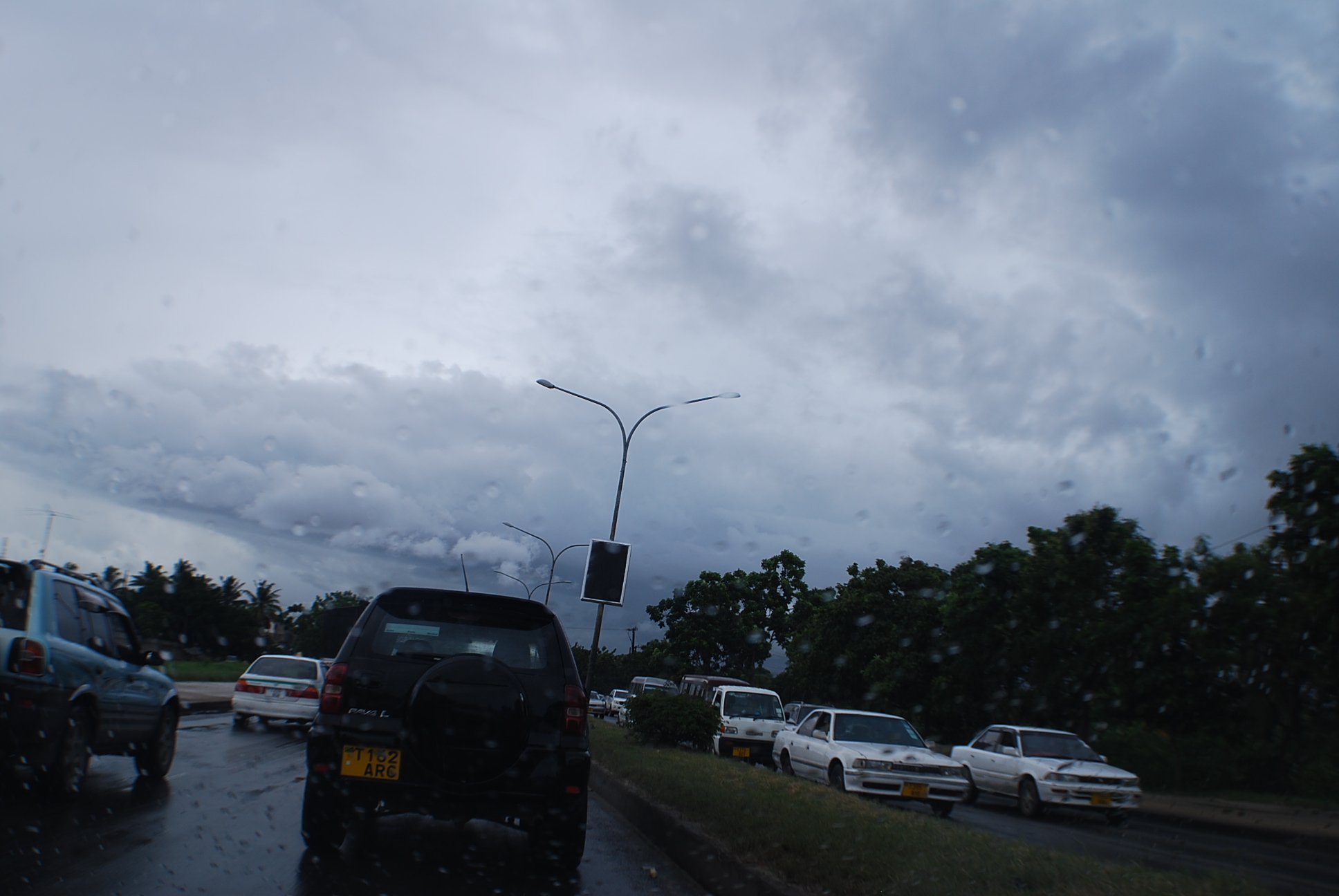
I am here in Dar for a few days. The rain is coming down every other hour and on the hour. The potholes are filled with greenish and/or yellowish colored water with brownish intonation to signify how long the water has been in those holes. The swarming mosquitoes are everywhere. No wonder, with all this stagnant water around, what else could happen? cholera?

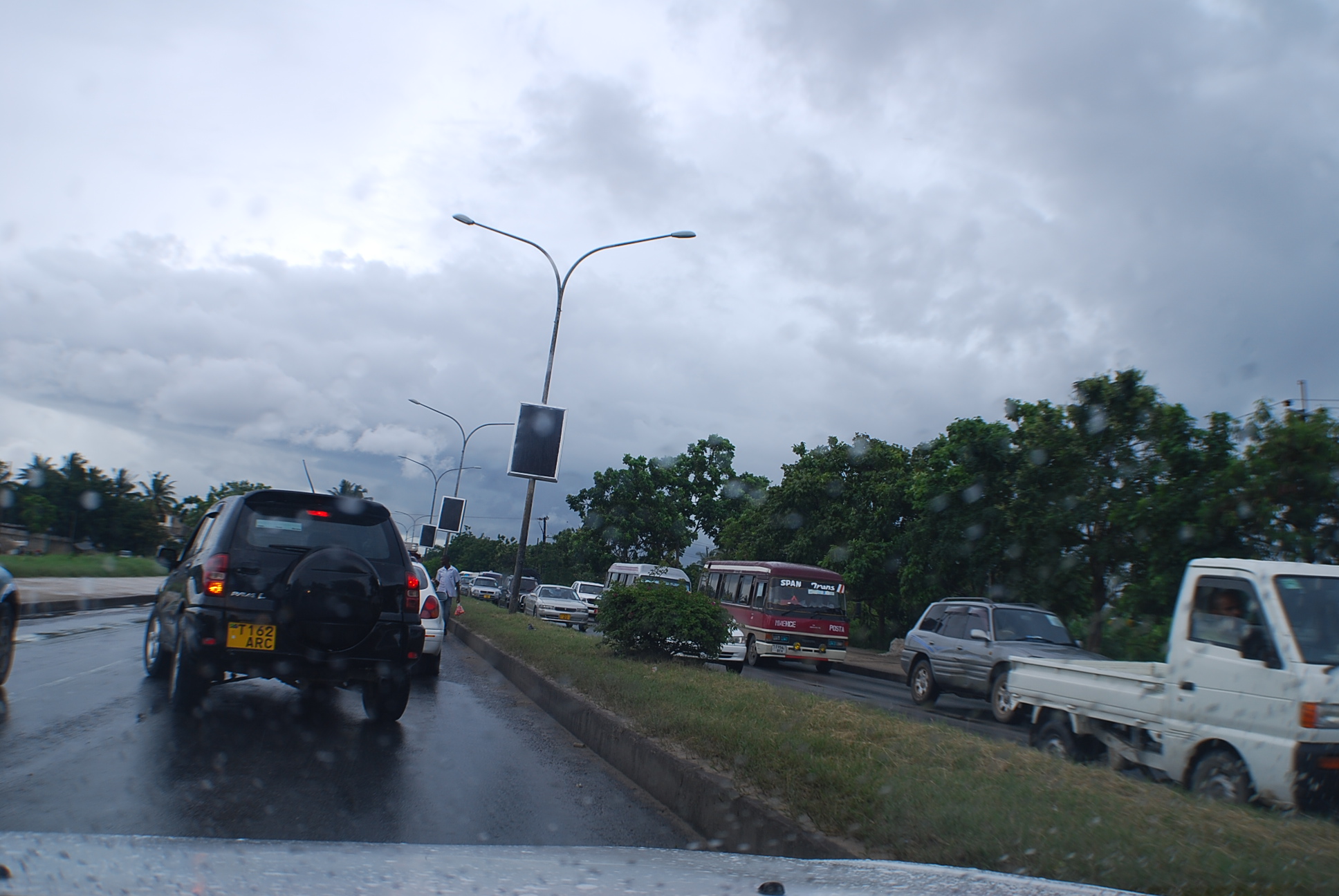
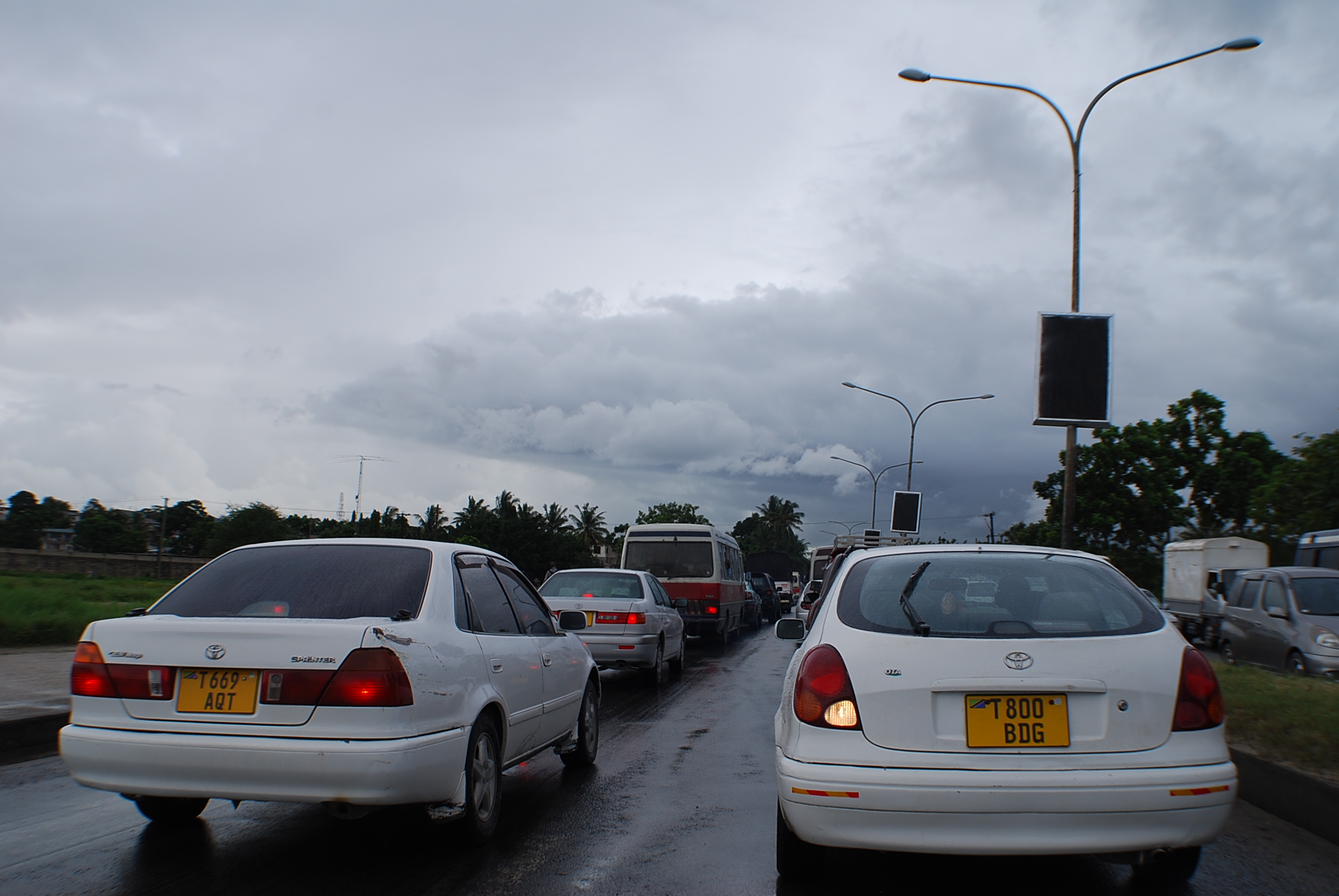
The traffic is just horrendous. It is pitty that unplanned development is showing its colors here. The roads of the 70s are supposed to consume the increased motor-cars ownership in Dar. The population has exploded over the years, the so- called middle class is booming and along with it comes car ownership. The only thing that is lagging behind is roads….and I mean lack of roads and maintenance of the few roads that are available.

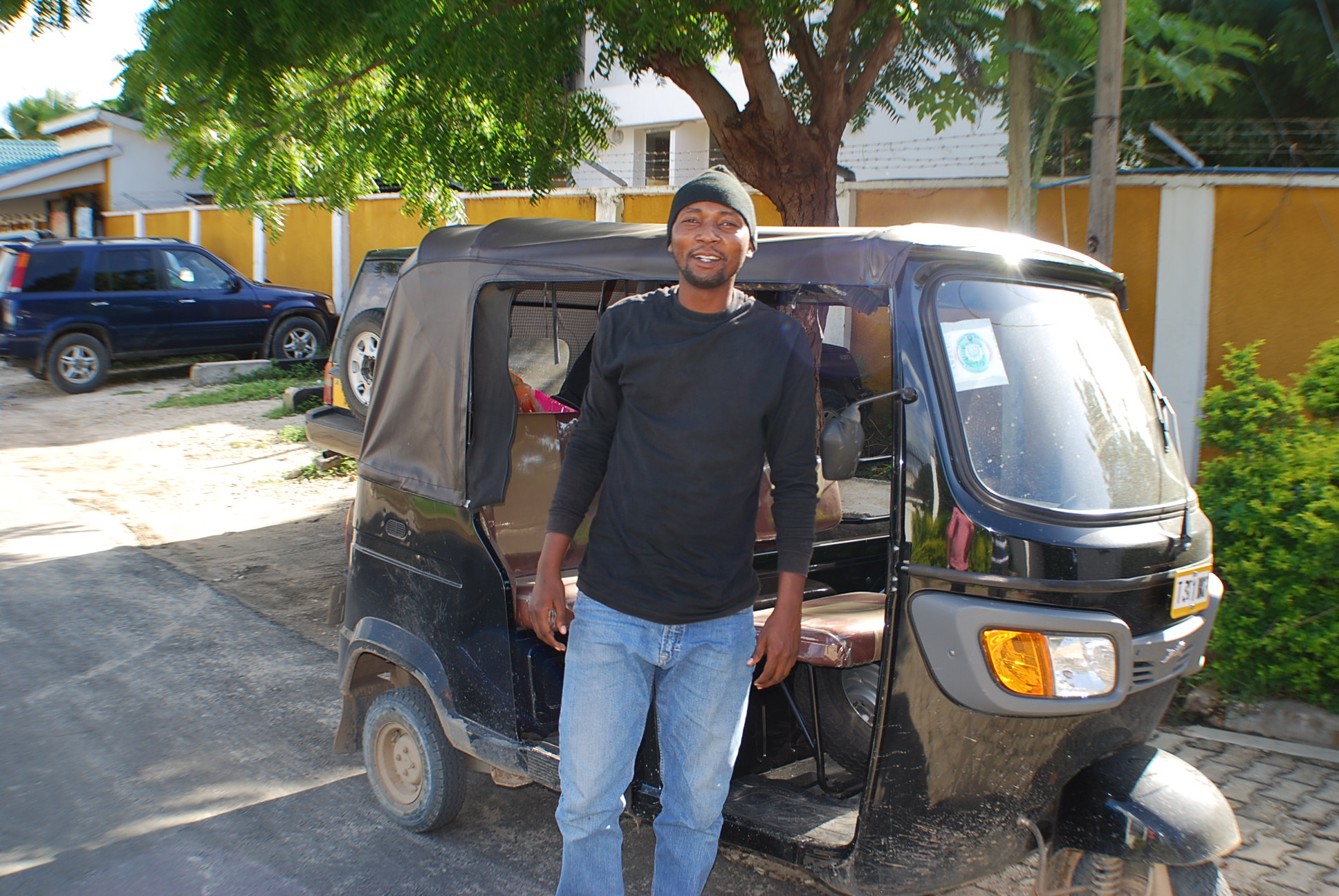
So…here comes my experience with Bajajis. Great invention from the country called India. Just me guessing from the name Bajaj. I have no idea which country is actually making them. It could be Bangladesh for all I care.

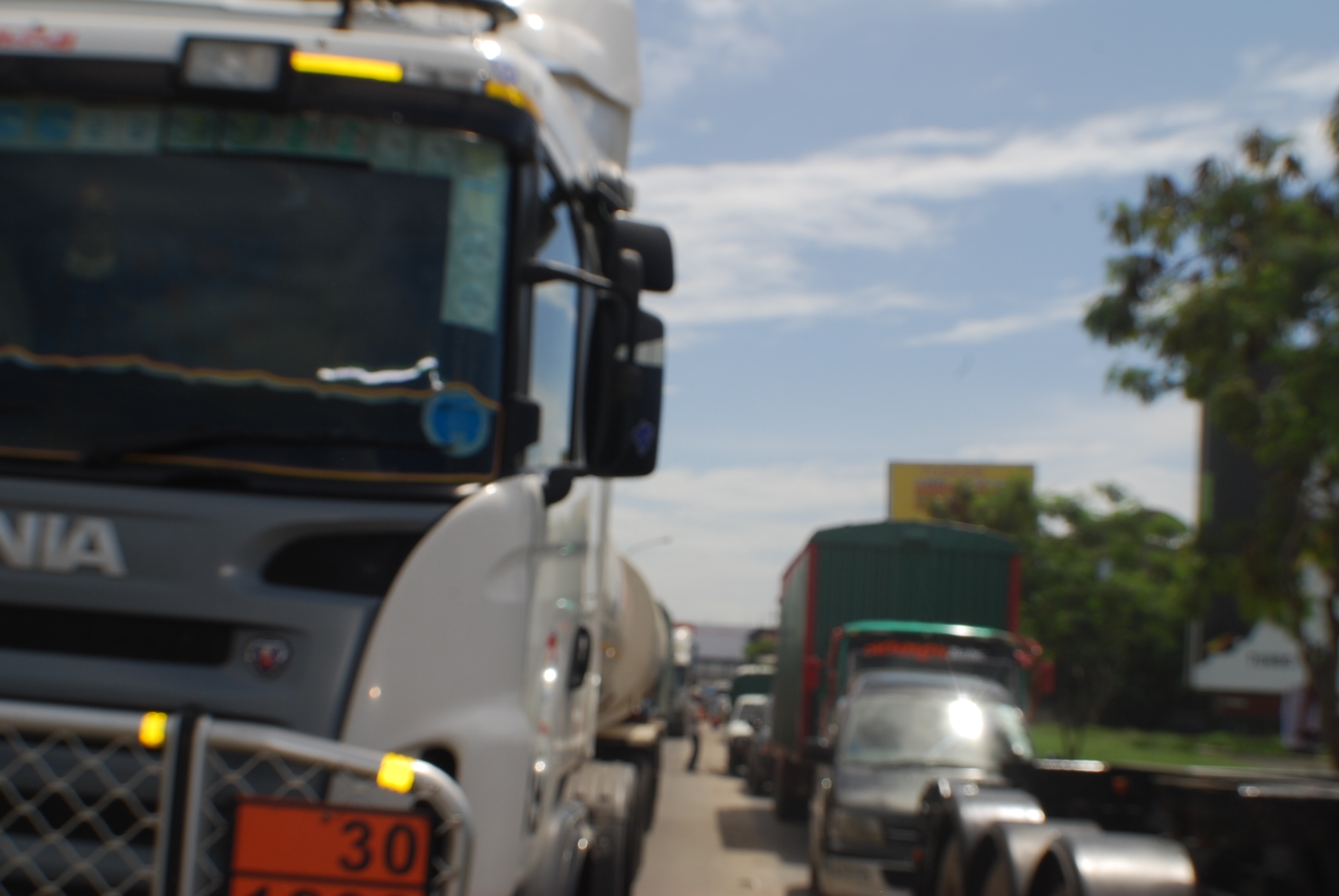
Today, I found myself in Mbezi beach around 11.00am and wanted to go to the airport. The one way trip took me literary two and a half hours. I lost 6 f**cken hrs of my vacation time on Dar Es salaam roads today. I am just gonna call call them parking lots. Yeah, this is development in my Nyamwezi behind.

It is a serious problem. People lose many hours going to work and coming home from work. In addition, the pricey gas that is wasted everyday on those roads/parking lots and the air pollution it is causing. How much money and hours are wasted everyday, every week, every month and every year?

This slideshow requires JavaScript.

Soweto, South Africa (2011).


This slideshow requires JavaScript.

SOWETO

Many many years ago I had an opportunity to read a book called Mine Boy by Peter Abraham. The book was one among several other books on the reading list of the Secondary School English Curriculum in Tanzania. Since reading Mine Boy, I have had an u-n-d-i-m-i-n-i-s-h-i-n-g thirsty too see the Soweto township.

Today I am glad I took the time to see the township where 4 millions South Africans call home. I had the chance to walk proudly in the city where Nelson Mandela and Archbishop Desmond Tutu still have homes from the apartheid era. I am not sure if they live in them at the moment or not, however, it was an exhilarating experience none the less .

If you find yourself in Johannesburg (Jozi) and have time to burn, call Chipo Chibememe. She is a South African tour-preneur and also a SOWETO native. She arranges tours to visit the township (half day and full day) on any day of the week. She is very knowledgeable about SOWETO (she lives in SOWETO). I truly enjoyed the tour she gave me of the township. For more info click her website

A Kenyan Movie: The First Grader


National Geographic Entertainment “The First Grader Movie” was released yesterday May 13, 2011. The film was launched in New York and Los Angeles and will be expanded to other US cities in the forthcoming weeks. The First Grader, based on a true story, is set in a remote primary school in the Kenyan bush where hundreds of children are jostling for a chance for the free education promised by the new Kenyan government.

One new applicant (an old man) causes astonishment when he tries to register for a spot in the elementary class. Witch hunting and political correctness on resource allocation and use follows after that.

Find out where to watch it in your city. The movie has received favorable reviews from various movie reviewers. Below is the official trailer. Enjoy!!!!!

The Beautiful Gold, Tanzania.


I just found this video by the Barrick Gold Founder, Peter Munk. He is talking about how barrick is filling in the employment and income gap in places where none exits. Watch it and arrive to your own conclusion.

In addition, a new report was released yesterday by an investigative journalist(Zahra Moloo) who visited the North Mara Gold Mining Operation by Barrack. You can read the entire report here.

Be A Friend of the Mutombo Dikembe Foundation


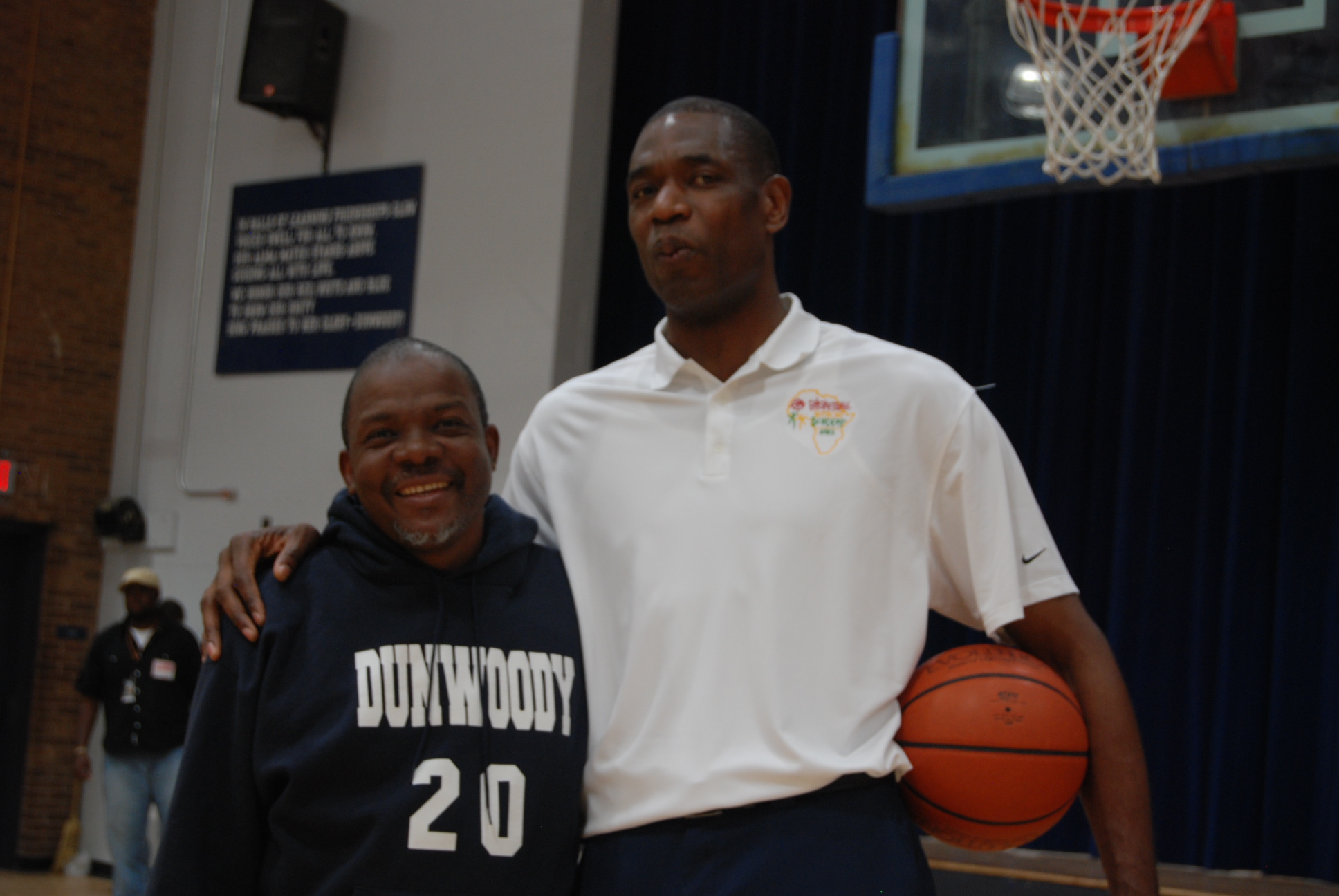
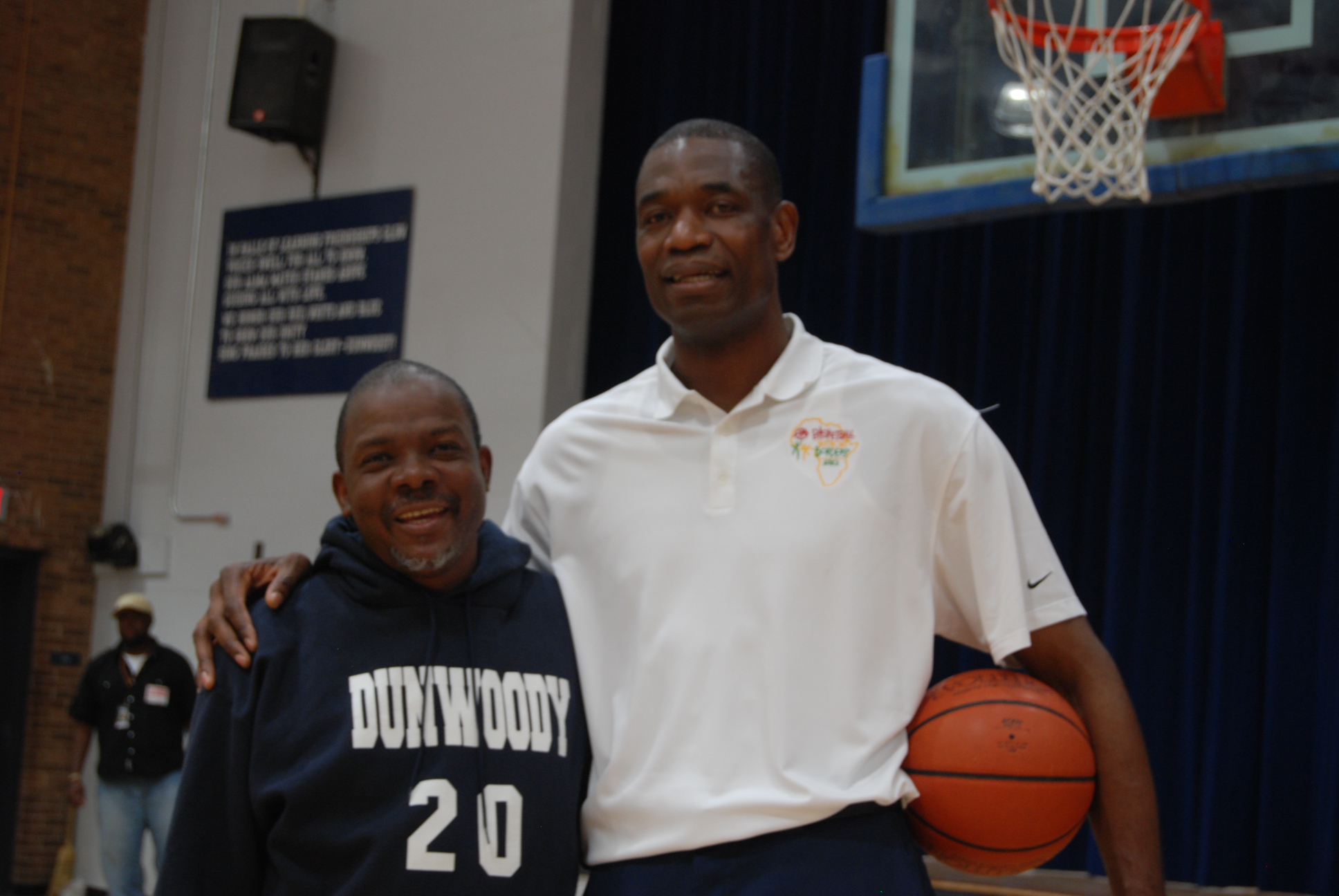
Enjoying himself.I am 6 feets tall, but Mutombo id towering me like am a baby

Talking about the diaspora and africa connection.
It was a great morning at Dunwoody today. The man was waving his middle finger all-over the basketball court. Not to offend anyone, off course.

It was an international awareness day and a morning to raise funds for the Dikembe Mutombo Foundation. The work he is doing is magnificent. I wish more successful people of african descent (athletes included) could do the same or more to save lives or just help the development of Africa. Watch a video of Dikembe Mutombo’s accomplishments here.

I was in the mist, having a conversation with Mutombo Dikembe on how the diaspora can contribute to the development of Africa through charity and social entrepreneurship.

He (Mutombo Dikembe, a very humble man) was like “ Your country is doing very good Mr. Fundi, I was with your president in Europe a few weeks ago. He spoke very positively about Mr. President (Kikwete) and the positive things he is doing for Tanzania. He also mentioned his meeting with our Balozi Mrs. Mwanaidi Maajar and spoke highly of her as well. Kudo to ya’all Tanzanian politicians.

If you want to know more about the Mutombo Dikembe Foundation and the work “he” and the foundation is doing and how you can help, click here.

This slideshow requires JavaScript.

The Loliondo Technical Report is Out, Read it!!! Tanzania


Loliondo_Technical_Report[1]

I was very enthused to read the long awaited “ Loliondo Technical Report” on the “Murigariga” miracle cure prescribed by Babu in Samunge Village, Loliondo, Tanzania. The scientists who conducted the study concluded that the miracle cure cup is safe (toxicity-wise) and also has activity against most of the chronic diseases including diabetes, HIV, blood pressure and many more. Maybe there is light at the end of the tunnel afterall.

I am not going to spill the juicy nature of the report, but I find the recommendations made by the scientists who conducted these investigations and wrote this report to be quite intriguing.

By the way, don’t forget to sign up to participate on a study to medically follow up patients receiving the remedy. The study will monitor progress of patients under babu’s miracle cure treatment. The head researcher is Dr. Malecela. Help this investigation by filling out the attached consent form at the end of the report if you have embibed the cup or are planning to in the near future. Good luck ya’all.

To read the entire report and/or sign up for the study, click on the link below or above:

Loliondo_Technical_Report[1].

Youth in Kenya: Infinity possibility or Definite disaster?


Interesting video about the explosive population of young people in Kenya and how that will affect issues like employment, education, health care, political participation, entrepreneurship and numerous others.

Is the explosive number of young people in east africa an asset or a burden to the countries involved (Tanzania, Rwanda, Burundi and Uganda)?

All these countries are experiencing the same issues facing Kenya right now.

Is there a lesson to be learned from this video by the young people themselves and people who are making policies that affect the lives of these youngsters in our communities?

Watch the video and am open to disussing your opinion on this………

Celebrating?!!? 30 years of HIV.


As we celebrate 30 years of HIV and Aids (Did I say celebrate?) this year, stigma is still a major issue for those affected or infected with this horrible disease. Check out www.thebody.com website for more information on the treatment advances and other cutting edge developments in the treatment and care for those with HIV.

Click on the link below to watch a video of someone who has lived with HIV for over 20 years explaining her encounter with stigma, sex and other issues related to living positively with HIV/AIDS. The title of the video is: Laurie: Overcoming Stigma and Fear

http://www.thebody.com/content/art61172.html#top

The Ironicalness of Loliondo, Tanzania.


Obama Family
Mr. President, I hope you are doing great and continuing to lead this huge and cumbersome nation. I am writing this not because of those huge responsibilities that you presently have (you know the drama in Libya, Afghanistan and the rest). I am writing because your neighbors on the southern border (I don’t mean Mexico, but south of Kenya) have discovered a miraculous cure for many of the incurable diseases. Diseases such as HIV, Diabetes, Hepatitis, Cancer and many more can now be cured by Babu’s (grandpa’s) cup of the miraculous cure in Loliondo, Tanzania.

I know you are a very busy man (with what is happening here at home and abroad) and you cannot spend your very limited time to indulge yourself on some crazy stories happening in Africa.

This is nothing like other stories coming out of Africa. I want you to pay attention to this one because there is a potential for money to be saved on your Global Aids Programs. If the retired Pastor in Tanzania (which the Tanzania Government has said the drink is safe for human consumption) can cure all these incurable diseases just for 500Tshs (.30$, 20p) a cup, I think it is imperative that the US Government cut or reduce the Global Aids Funds for Africa and use that money here to implement the universal health care for all Americans.
(By the way, how many good and hard working Americans who do not have or cannot afford a health Insurance? Oooh!! And most of them cannot afford to travel all the way to Loliondo either).

Or you can actually call those IRS people today and instruct them to lower my taxes as the money for global aids funds will no longer be needed. I assure you, I will spend the extra money to stimulate the local economy in my neck of the woods so that a “brother” somewhere on the Westside-or-Eastside of the city can have a job. Many of them don’t have one as I write this. The implications of joblessness are serious and are breaking down the fabrics of the “blacks” togetherness everywhere.

I am sure you already know how that will help to eliminate (not too fast, maybe just reduce) the thuggish image of black folks in the old US of A. When black people have a decent job and can provide for their families, there will be less gang related killings, divorce rates will go down, and many of our brothers will not be shown on TV every evening “News Hour” Killing one another at our dinner table time. You know we really hate seeing that!! Don’t you?

To help them (Tanzanians) fast track the distribution of grandpa’s cup miraculous cure, you can build them a plastic bottle packing facility (with a fraction of the global aids funds) so that the cup content can be easily stored and distributed throughout Africa. Imagine what an ingenious idea that would be? Tanzania can even turn that village into a tourist destination and capitalize on tourist dollars as well. The lack of toilet facilities and places to sleep at the village will be a major attraction for the tourists. A win-win situation indeed!!!

If you beg to differ with my sarcastic views on the Loliondo saga, leave a comment!! You know I will be waiting to hear from you.

Messob Authentic Ethiopian Cuisine, Atlanta.


Samson and Chuchu, The owners.
Have you ever tried ETHIOPIAN food? Well I guarantee you will be addicted to the spicy and complex flavors in the dishes that are served at the Messob Ethiopian restaurant. This restaurant is owned by an Ethipian couple from Addis Ababa and they make all the meals from scratch.

If you live in Atlanta or visiting the city, stop by and taste their beautifully prepared dishes. Check their website here and face book page to have a look at their menu and also for directions. You might find me there on the corner drinking Ethiopian coffee (buna) with a samosa on my hand. Hope to see you there!!!!

East African Fellows Program


The Acumen Fund has opened up a fellowship program specifically for the East Africa Region. If interested click this link

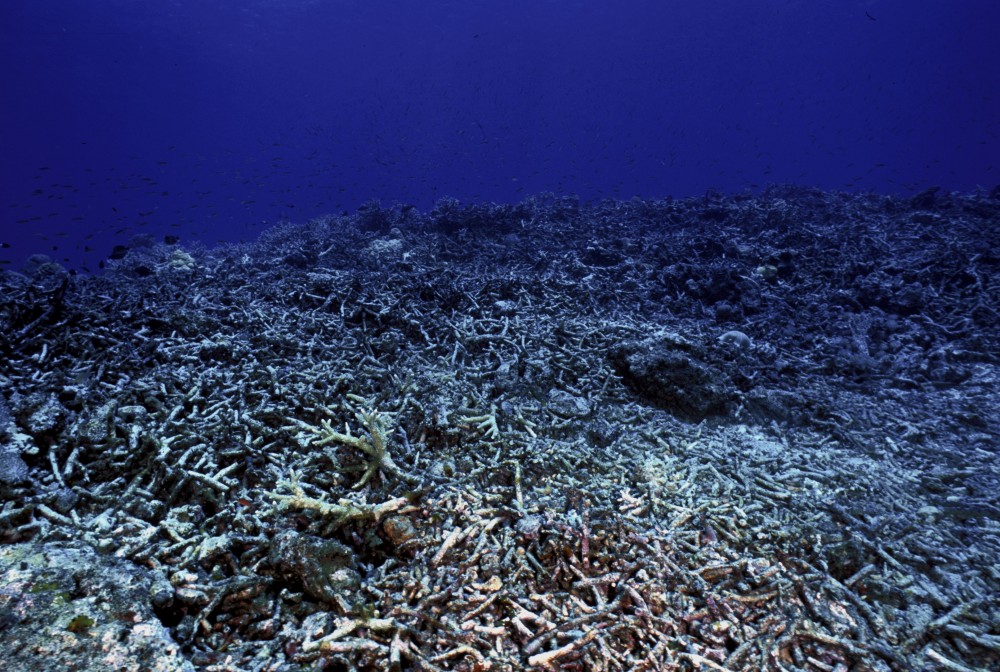
Tanzania: Dynamite Fishing Returns, Unabated!!!


Photo credit: Wolcott Henry

While working for Frontier Tanzania in the late 1990s I saw firsthand the devastating impact dynamite fishing had on coral reefs, the lives of the fishermen, and fish abundance in southern Tanzania. As an Asistant Marine Reserach Coordinator, I collected baseline data on the levels of biodiversity and habitat destruction using various marine survey techniques. The data collected was used to propose and finally lead to the opening-up of Mnazi Bay Marine Park in Luvura, Msimbati, Mtwara.

During my time with Frontier-Tanzania, together with Dr. Vicki Howe, Dr. Jean Luc Solandt, Dr. Jennie Mallela, Simon, Ian, Paul and many groups of research assistants from across the globe–we organized and facilitated a marine environmental education program for 12 primary schools 2 secondary schools and 1 teachers college on marine resources and conservation methods that included 365 students and 76 teachers.

In addition, we organized and facilitated a marine environmental education program for 19 local fishermen and 2 fisheries officers on marine resources and conservation, coastal zone management, power boat handling, and the collection and handling of fisheries data.

Furthermore, we developed the first bilingual (Swahili and English) environmental  education teaching and learning manual for secondary schools. The teaching and learning manual hard information on coral reefs, mangroves, and sea grasses. The manual was intended to spear-head marine and environmental awareness in the coast areas of Tanzania.

The program target was environmental awareness to children who were more likely to become fishermen when they grew up. It helped the coastal resources users to understand why destructive fishing methods such as dynamite fishing are not good for the environment and to themselves. It also provided experiential learning and teaching materials to teachers and fisheries officers. The hope was that these efforts could be replicated elsewhere in the coastal communities.

It is very disheartening to hear that after all efforts and money from various donors and commitment from various organizations (Tanzania Coastal Management Partnership and the like) that dynamite fishing has returned to Tanzania with a vengeance.

To read more about dynamite fishing in Tanzania, click here.

Kikwete Did It Again: Serengeti Road gets a go ahead!!


Serengeti High Way
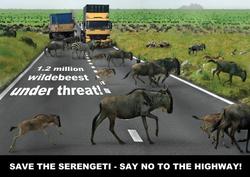
I am not going to discuss the pros and cons of the recently approved road that will cut through the Serengeti Nation Park in Tanzania. This road (the northern circuit road) is only projected to serve about 2 millions Tanzanians compared to the Southern route which will serve about 10-12 millions Tanzanians. If the main reason for building the road is to impact a bigger segment of the Tanzanian population, then why not build the southern route? It’s a no brainer to me.

If you want to learn more about the negative impacts this road will have on the Serengeti and Maasai Mara National Parks, click here and here and here. These websites have a collection of the projected pros and cons and I do not see the reasons to waste my energy duplicating the same information.

One serious impact of the just approved Mara-Arusha Road through the Serengeti would be the cutting off of the wildebeest migration. This is one of the major factors that attract tourists across the globe to come and spend their hard-earned cash in Tanzania and Kenya every year. The road will not only impact the Serengeti ecosystem and tourism industry in Tanzania but also in Kenya. I am just wondering what the Kenyans are doing to influence a different outcome?

I thought we are building an East African community that is going to embrace and protect the interests of its fellow members. Building this road will not help to foster the East Africa integration which is the aspiration of many East Africans. It will actually damage Tanzania’s standing on that regard….. Period!!!

Is this freedom of expression or something else?


The definition of freedom of expression goes like “ The right to express one’s ideas and opinions freely through speech, writing, and other forms of communication but without deliberately causing harm to others’ character and/or reputation by false or misleading statements. Freedom of press is part of freedom of expression’’.

But, do some people go overboard with their interpretation of freedom of expression? Look at the picture below and don’t forget to let me know what you think?

Drinking Safari In Tanzania


http://www.hulu.com/embed/NuQLf6jEKTMQPO1_EI-h2w

When Is Summer Coming Back?


When is summer coming back? My daughter kept asking all week long. Yes, It is winter time and I am definitely cool with that? Mmmh!!! I guess not. It is cold, snowing now and then and definitely nothing much to do outdoors. The whole of last week, we were snowed in, the roads were first covered with snow, then ice and there was no way you could drive and/or walk anywhere. It sounds terrible doesn’t it?

I feel you Pili. I, myself thought moving from Baltimore, Maryland to Atlanta, Georgia, the south, I will be able to run away from this KIND OF WEATHER but the snow keeps following me. Next time I will move all the way to Florida…follow me then, SNOW!!!!

Believe me the first two days were fun…no work, yeah, sledding, building a snow man and all that cool winter stuff. But after those initial two days, the whole perspective changes and it starts to dawn on you.

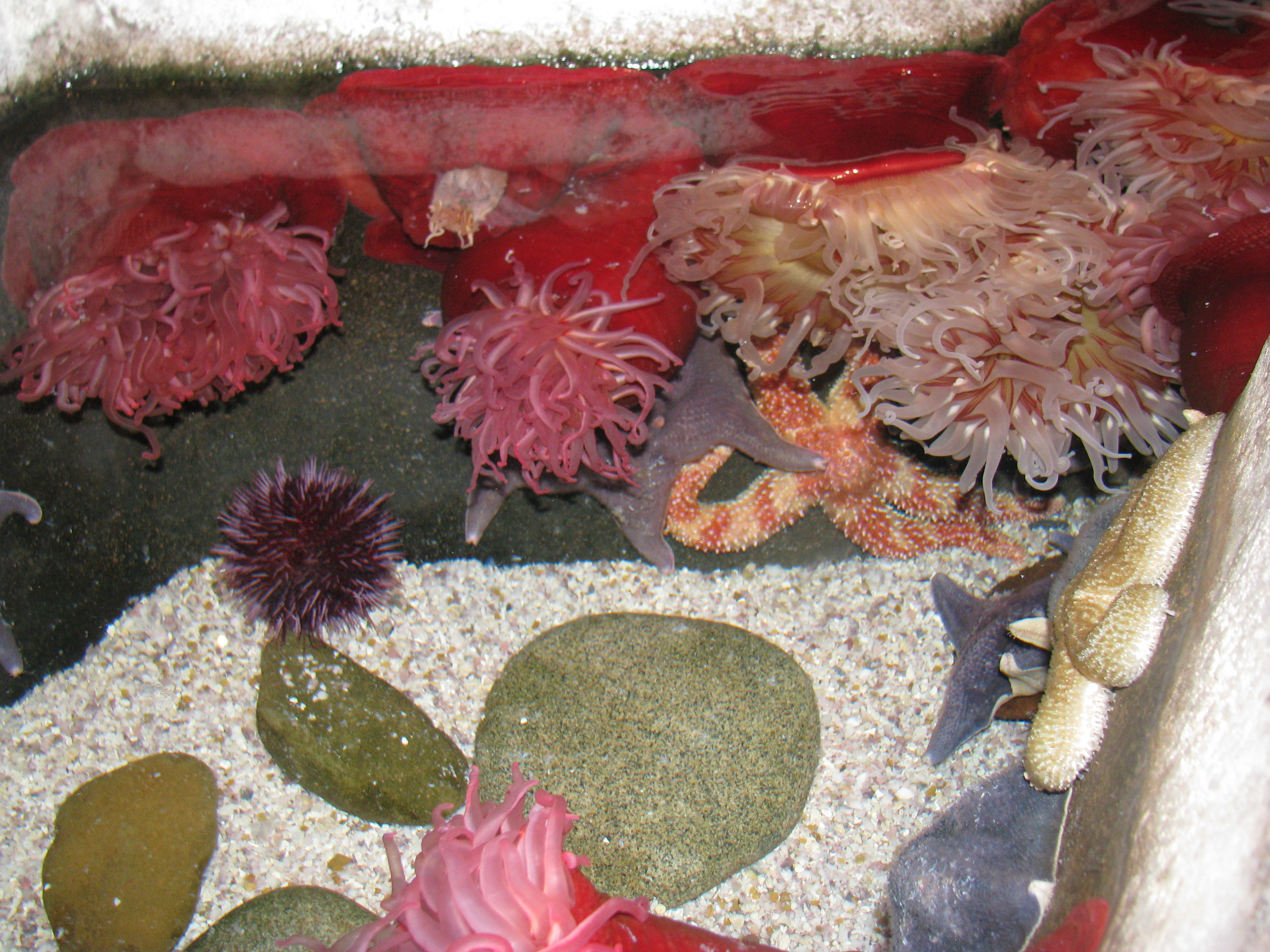
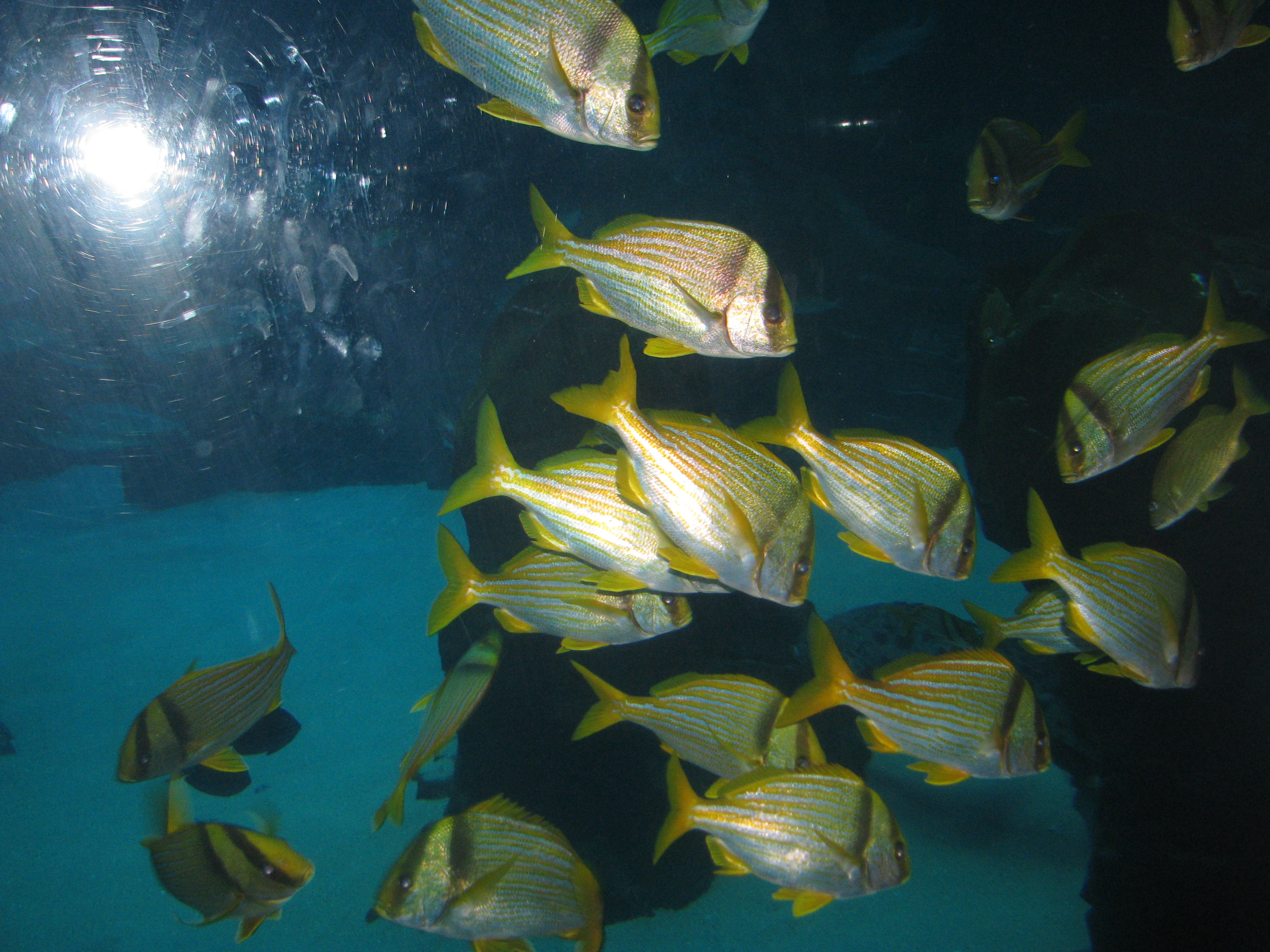
To brighten the winter mess, I took my daughter to the Georgia Aquarium today. How fun it was to see all the tropical fish again. It reminded me of all the good times I spent in the scotching African hot sun diving 2-3 times a day in Mtwara Bay, Mnazi Bay, Kilwa, Mafia Island and Nungwi. It was so cool to see the fishes again.

Here are a few pictures from the GA aquarium to warm you up for those in the northern hemisphere. Those in the tropics, just enjoy the pictures….there is no way I can make the January HEAT disappear FOR YOU!!!

Happy Birthday Martin Luther King, Jr.


By Shaaban Fundi,
As I seat here reflecting on the life of the great African American Civil Rights leader Dr. Martin Luther King, Jr., I cannot stop wondering how righteous and selfless this guy was. At the tender age of thirty-five, Martin Luther King, Jr., was the youngest man to have received the Nobel Peace Prize. He turned over the prize money of $54,123 to the furtherance of the civil rights movement. He accomplished so much in his short life than many people who have had the opportunity to become centenarians.

This weekend, people of all colors across America and beyond are celebrating the life and work of this incredible worlds’ figure. I was not born or raised in America, but I am benefiting from the work MLK and other civil rights leaders did and died for. I appreciate all you have done to stop (reduce) segregation in America and for that I will always be grateful. Thank you!!!!

There is still a lot of work that needs to be done in the post civil rights America. In black communities across many cities in America i.e. Baltimore, Philadelphia, Washington DC, Detroit Los Angeles and many other, life for black people is unbearable. There is anger and frustration that boils beneath the surface in some of these communities that manifest it-self through violence, gangs, school drop-outs, incarcerations and drugs.

There are also many positive things that came out of the civil rights movement such the increased participation of blacks and other minority groups in politics, in the movie industry, and in many aspects of the American life.

Snowed in, can you repeat that?


This is me trying to solve my food crisis.
Yes indeed the ATL is snowed in today. We had a couple of inches of snow last night which resulted for everything to come to a standstill. It is seriously cold and the roads are impassable, therefore has been a good day for staying inside…catching up on movies, writing, sledding, making snow men and other winter activities.

I heard about the winter weather warnings the whole day yesterday. But because I am inclined to experiential learning, I did not head the call to stock up on supplies. I woke up this morning to mountains of snow outside and an empty fridge. The fact that the roads are not drivable made my situation even worse.

Penye nia, pana njia as the Swahili saying goes. I had to be creative to get my refrigerator re-supplied.

WikiLeaks Cables: Tanzanian Official Investigating BAE ‘fears for his life’


WikiLeaks cables: Tanzania official investigating BAE ‘fears for his
life’

Prosecutor Edward Hoseah voiced safety fears over inquiry into ‘dirty
deal’ involving sale of radar system to government

By: David Leigh
Monday December 20 2010
The Guardian
http://www.guardian.co.uk/world/2010/dec/19/wikileaks-cables-tanzania-bae-fears
The Tanzanian prosecutor investigating worldwide misconduct by BAE,
Britain’s biggest arms company, confided to US diplomats that “his
life may be in danger” and senior politicians in his small African
country were “untouchable”.
A leaked account [http://www.guardian.co.uk/world/us-embassy-cables-
documents/116436
” title=”] of what the head of Tanzania’s anti-
corruption bureau, Edward Hoseah, termed the “dirty deal” by BAE to
sell Tanzania an overpriced radar system, is revealed in the US
embassy cables.
BAE is to appear in court in London tomorrow, when their system of
making secret payments to secure arms contracts, exposed by the
Guardian, will be officially detailed for the first time.
Every individual involved in the BAE scandal in Britain and Tanzania
has escaped prosecution.
But the arms giant agreed with the UK Serious Fraud Office (SFO) to
pay ?30m in corporate reparations and fines, provided the word
“corruption” did not appear on the indictment. A corruption conviction
would debar the company from EU contracts.
The former overseas development secretary, Clare Short, said at the
time: “It was always obvious that this useless project was corrupt.”
Hoseah met a US diplomat, Purnell Delly, in Dar es Salaam in July
2007, and claimed (unrealistically it turned out) he would be able to
prosecute guilty individuals in the BAE case. The US cable reports:
“He called the deal ‘dirty’ and said it involved officials from the
Ministry of Defence and at least one or two senior level military
officers.”
Hoseah spoke gloomily about the prospects for Tanzania’s anti-
corruption struggle and his original hopes to prosecute the “big fish”
of corruption.
“He told us point blank … that cases against the prime minister or
the president were off the table …” The cable then details
allegations against former leaders and their inner circles, saying
they would be “untouchable”.

“He noted that President Kikwete does not appear comfortable letting
the law handle corruption cases which might implicate top-level
officials.” The cable then says Kwitke “does not want to set a
precedent” by going after any of his predecessors.

There were “widespread rumours of corruption within the Bank of
Tanzania”, Hoseah said, and the island region of Zanzibar was also
“rife with corruption”.

The diplomat noted: “Hoseah reiterated concern for his personal
security … saying he believed his life may be in danger … He had
received threatening text messages and letters and was reminded every
day that he was fighting the ‘rich and powerful’.”

He might have to flee the country. He warned: “He said quietly: ‘If
you attend meetings of the inner-circle, people want you to feel as if
they have put you there. If they see that you are uncompromising,
there is a risk.’ ”

The US embassy noted in a “cynical” aside, that probably the only
reason Hoseah felt obliged to attempt a BAE prosecution was because
the SFO had presented him with “a fully developed case file, brimming
with detailed evidence”.

Today’s court appearance by BAE is the culmination of lengthy attempts
to bring the company to justice since the Guardian exposed its
worldwide secret payment system.

The prime minister at the time, Tony Blair, intervened in 2006 to halt
an SFO investigation into payments to members of the Saudi royal
family.

The US department of justice has had more success than the SFO,
forcing BAE to pay $400m (?260m) in penalties under the US Foreign
Corrupt Practices Act.

?28m radar deal ‘stank’
Tanzania, on Africa’s east coast, is one of the poorest states in the
world, formerly controlled in turn by Arab slavers, German colonists
and the British.

At the time of the radar deal, life expectancy was 45.

Tanzania was forced to apply for debt relief from the west and was
heavily dependent on aid. It is ravaged by HIV/Aids and its GDP per
head is just $723 (465).

President Benjamin Mkapa, whose regime did the deal, was succeeded in
2004 by his political colleague Jakaya Kikwete.

Tanzania, which has no air force, bought the military air defence
radar from BAE in 2001 for ?28m.

It was claimed the Commander system, which was portable and festooned
with anti-jamming devices, could also be used for civilian air traffic
control.

The country borrowed the cost from Barclays, adding to its debt
burden. Both the World Bank [http://www.worldbank.org/” title=”World
Bank] and the International Civil Aviation Organisation [http://
www.icao.int/” title=”International Civil Aviation Organisation]
called the purchase unnecessary and overpriced.

In London, the then development secretary, Clare Short, temporarily
blocked aid payments in protest. “It stank,” she now says of the sale.

She urged an export licence be withheld, but was overruled by Tony
Blair himself. Robin Cook, then foreign secretary, recorded bitterly
in his diary that Dick Evans [of BAE] seemed to have “the key to the
garden door of No 10 [Downing St]”.

In January 2007 the Guardian disclosed that BAE had used an offshore
front company, Red Diamond [http://www.guardian.co.uk/world/2007/jan/
15/bae.armstrade?INTCMP=SRCH
” title=”Guardian disclosed that BAE had
used an offshore front company, Red Diamond], to secretly pay ?8.4m,
30% of the radar’s ostensible price, into a Swiss account.
The account was controlled by Tanzanian middleman Sailesh Vithlani.
His “consultancy” agreement was, it is alleged, formally signed off in
London by Evans.
guardian.co.uk Copyright (c) Guardian News and Media Limited. 2010

Will Uranium Mining Be a Natural Resource or Curse to Tanzania?


Dr. Shaaban Fundi

Will Uranium Mining Be a Natural Resource or Curse to Tanzania?

Tanzania will soon be joining African countries like Namibia, Niger, and Malawi as uranium exporters if proposed uranium mining projects are approved by the government. Short term benefits of uranium mining include job opportunities for thousands of Tanzanians and tax income for the Tanzanian government. These benefits cannot be ignored. However, the long-term health and environmental consequences associated with uranium and all other mining activities also need to be seriously evaluated.

One important environmental consequence of uranium mining is that the process uses enormous amounts of water. A recent estimate by a mining company in Namibia, Canadian Forsys Metal Company, suggested that its mining operation utilizes 1 million liters of water per day. One of the proposed areas for Uranium mining in Tanzania is in Manyoni District in Singida region. Water is already a scarce commodity in this region and it would be very unwise to let one company consume so much water at the expense of current inhabitants.

In addition to using enormous amount of water, uranium mining relies on open-pit operations which leave huge craters once mining activities have ceased. The soils in the remaining craters are usually contaminated with radioactive materials and therefore the soil become useless for many years in the future.Furthermore, radioactive dust particles can travel by wind to larger areas and affect the health of communities surrounding the mining areas. It has been documented that exposure to even relatively low levels of radiation over a long period of time can be extremely harmful to the health of workers and communities living around uranium mines. What plans are currently in place to ensure that the workers and people already living in these areas are protected and will be taken care of if this radioactive contamination should occur?

Current estimates suggest that Tanzania has about 53.9 million pounds of uranium oxide deposits and at the current price of $41 per pound, these deposits are worth an estimated $2.2 billion. Despite the estimated large sum of dollars, Tanzania has no control over uranium pricing variability on the world market. Demand and supply does. Yet very few countries can actually use uranium for energy generation and bomb creation due to its high cost of operation, need for skilled personnel, and international restrictions on development of nuclear programs. If global demand for uranium were to decrease, the estimated value of these deposits would also decrease. Thus, it is unclear how much revenue uranium mining would really bring to Tanzania.

Furthermore, the Tanzania Mining Act of 1998 gives a disproportionate amount of revenue benefits to mining companies. This has meant that the average Tanzanian citizen has seen limited benefit from current mining projects while the vast majority of profits go to mining companies based in other countries.  Take gold, for example. Tanzania is the fourth largest producer of gold in sub-Saharan Africa behind Ghana and South Africa. Yet Tanzanians have failed to benefit from the gold mining ventures in the country. What assurances do Tanzanians have that it will be different for the proposed uranium mining ventures? Given the serious environmental and health impact associated with uranium mining, Tanzania needs a Mining Act that will address the health and environmental concern of its citizens and that will ensure local communities also profit from mining activities. Without a comprehensive legislative framework to deal with all the implications of uranium mining, Tanzania opens itself up to abuse by companies who pursue an agenda of short-term profits and pay very little attention to the long-term health and environmental consequences for the host country and its citizens. Tanzania needs to develop a legislative framework and monitoring program to ensure these companies will protect the welfare of their workers and the environment before allowing mining to start. These tasks require a high level of technical competence and strong political will.

The decision whether or not to proceed with uranium mining in Tanzania should be discussed thoroughly with all stakeholders including the mining companies, the government and the local people residing in the proposed mining areas and in the transit routes. The locals should be told about the potential benefits and consequence of the proposed mining including the increased risk for developing cancer associated with living or working in uranium mining areas. Who will be responsible for their health once they start to develop cancer related illnesses? The water issues also need to be looked at carefully. How can the community and the uranium mines share the water resources so that there is enough water for everyone? How can the community share in the revenue generated by the uranium mines? And finally, who will be responsible to remediate the contaminated soils in the crater that will remain after mining operation ceases? These issues need to be decided before the Tanzanian government approves uranium mining in the country.

Neglecting the poor population will come at a price.


The fact that I am a Tanzanian at heart is something that I value immensely. I do feel that we Tanzanians have been blessed with the openness to discuss contentious issues pertaining to our personal and nation existence with little to no violence. This type of tolerance does not exist in a lot of our neighboring friends and their countries.  It is with this openness and tolerance; I would like to discuss the emerging middle class issue that is currently not openly discussed by many of us young Tanzanians.

Many of young people and some of the well to do old folks think that we are where we are in our careers because of hard work only. Often times we forget to think that the people our parents or relatives knew and/or know and some that we don’t know at all have something to do with it in some ways.

You may ask: What about the sleepless nights from secondary schools through college, does all that not count? Well, they actually do. But so do the hard work and back-breaking work the peasants and most of the poor in our society are doing everyday and getting mostly nothing tangible from their labor.

I have had a flashback recently about the words of wisdom by Baba wa Taifa that used to be ubiquitously displayed in most secondary school dining halls across the country in the 70s and 80s. The words went like “Those who received this privilege have a duty to repay the sacrifice others have made for them. They are like a man or a woman from a remote village……..and it goes on and on to end with …they are betraying our nation” … Do you remember it??.

It is not a coincidence that the political families and the civil servants families are where they are today and the rest are nobody. If you know anything about the theories of social networking you will agree with me. The so-called middle class we are in is hugely a product of our connections as it is of our hard work. Don’t get me wrong, we do need a middle class, a middle class based on the content of our character rather than based on the people we know. The relatively privileged groups who are increasingly seeing themselves and are seen by others as the driver of change whatever that change maybe are not going to exclusively change the status quo of poverty in Tanzania.

We as Tanzanians need to seriously think about evening out the playing field such that a peasant and his/her children can be able to compete with people in the elite and civil servants groups, like it used to be. The peasant group work sunrise to sunset, hard and back-breaking work every day with no vacations, no week ends and very little return from their labor. The fact that they are not represented at the decision table makes it harder for their grievances to be heard and adequately addressed. We make decisions for them without a thorough understanding of their problems and needs. We need their representation at the decision table to create solutions to their unique set of problems. As our policies toward their problems seem to be detached and/or not care enough about their plights any longer.

Kilimo Kwanza is a step in the right direction. We need to embrace policies like Kilimo Kwanza i.e. having Bwana Shambas in the villages, tractor lending stations, and subsidized agricultural inputs to help our peasants’ population produce enough to feed themselves and to generate income. To provide quality education for all children so that they will be able to progressively change their status quo and competently compete with the elite children who go to private/international schools and to colleges abroad. To create equitable systems for buying agricultural produce at competitive prices. Prices that reflect the actual cost of producing the products and that leave the farmers with a profit to invest in farm inputs for the following years. Maybe we can go even further to allow for policies that will facilitate the long-awaited needs for Wakulima to have title deeds to their land and use it to borrow capital to advance agriculture in Tanzania.

These are the right policies in my humble opinion that we need to embrace and put forth to address the fundamental issues of inequity in our society. Inequalities in education, health care, income, power, water na mengine mengi.

The middle class that is currently being promoted and reproducing itself everywhere is entirely based on who knows who and in my views will not uplift the nation and our ‘poor’ people but rather it will uplift itself narrowly and exclusively.

My worries are that many people in the middle class we have today have forgotten those words of wisdom by Mwalimu Nyerere and feels as though they don’t owe anybody for their successes and fortunes. This in itself is entirely not true, because most if not all of us went to school on the shoulders of the Tanzanians peasants agricultural exports based market economy.  As the gap between the haves and have not continue to increase, I am afraid the poor in our society will no longer remain silent as they have been for the past 49 empty promise filled years. The shangingis ”that you feel like you earned by your hard work and Ujasilimali” will be nothing when they finally come asking for a piece of their long-awaited nation’s pie.