







Does The Post Racial Society Really Exists? White Teeth: A Novel By Zadie Smith.
By: Shaaban Fundi

Later in the novel Archie weds a Jamaican bride Clara. In the midst of their marriage, along came their “very interesting” daughter Irie. Achie’s friend Samad also get married, around the same time—to a wife named Alsana. Alsana and Samad were blessed with twin sons, Millat and Magid. After struggling to raise the two sons together, the parents decided to send Magid back to their homeland Bangladesh simply because living in a new country has pressures: 1) new country ways, and 2) the old religious traditions of his homeland was in disagreement with the new country ways. But, they kept Millat in England. However, Millat fell into delinquency and then adopted the ways of the new country which caused severe conflicts in the household.
Since the move, Magid becomes interested in genetic engineering, a science that Samad and Alsana rejected. Within the novel, Smith contrasts Samad’s faith in providence with Magid’s desire to seize control of the future. She involves all of her characters in a debate concerning past, present, determinism, and accidental life. The tooth, half root, half protrusion makes a perfect climax in this novel. She makes a remarkable examination of the immigrant’s experience in a postcolonial world. Dealing with the woes of adaption of a new land, and the principles of what was instilled within them in their home countries and culture.
The first theme I encountered was the marriage of Archie Jones to a black immigrant from Jamaica. This is significant because I considered her to be an immigrant just like Samad, Millat and their kids within the story. This opened up a fascinating tale. Dealing with something very new, verses something that has been instilled within them. The same holds true for their kids–Ire, Magid and Millat were all born in England. However, they are all not acknowledged in their own country because of their skin tone.
Another significant theme I saw in the book was how Magid lost his sense of “Heritage.” He was sent back to Bangladesh to grow up with the culture of his parents’ native land. He wound up more English than the English themselves. His twin brother Millat who stayed in England, was caught up in an ultra-Moslem activist group (with the acronym “KEVIN”). This showed how “brain-washed” he had gotten, even though his parents were just trying to create the best life for their son.
The last significant theme that I thought made the book wonderful was the parallels between the cross-pollination of plants and the random mixing of human genes and cultures. Despite the evident prejudice within London depicted in the book regarding heritage, culture, and ethnic background– the diversity leads to a healthy and strong society in the end. Take home–we all have white teeth despite the color tones on our skins.
Practice Fall Shots.
Many people who are interested in photography like myself understand that often times we miss the opportunity for great shots because we are too involved looking for great photographic moments elsewhere. The moments that we plan for and go searching for are sometimes in our own backyards. And We forget that there are numerous photographic moments to be discovered where-ever we are.
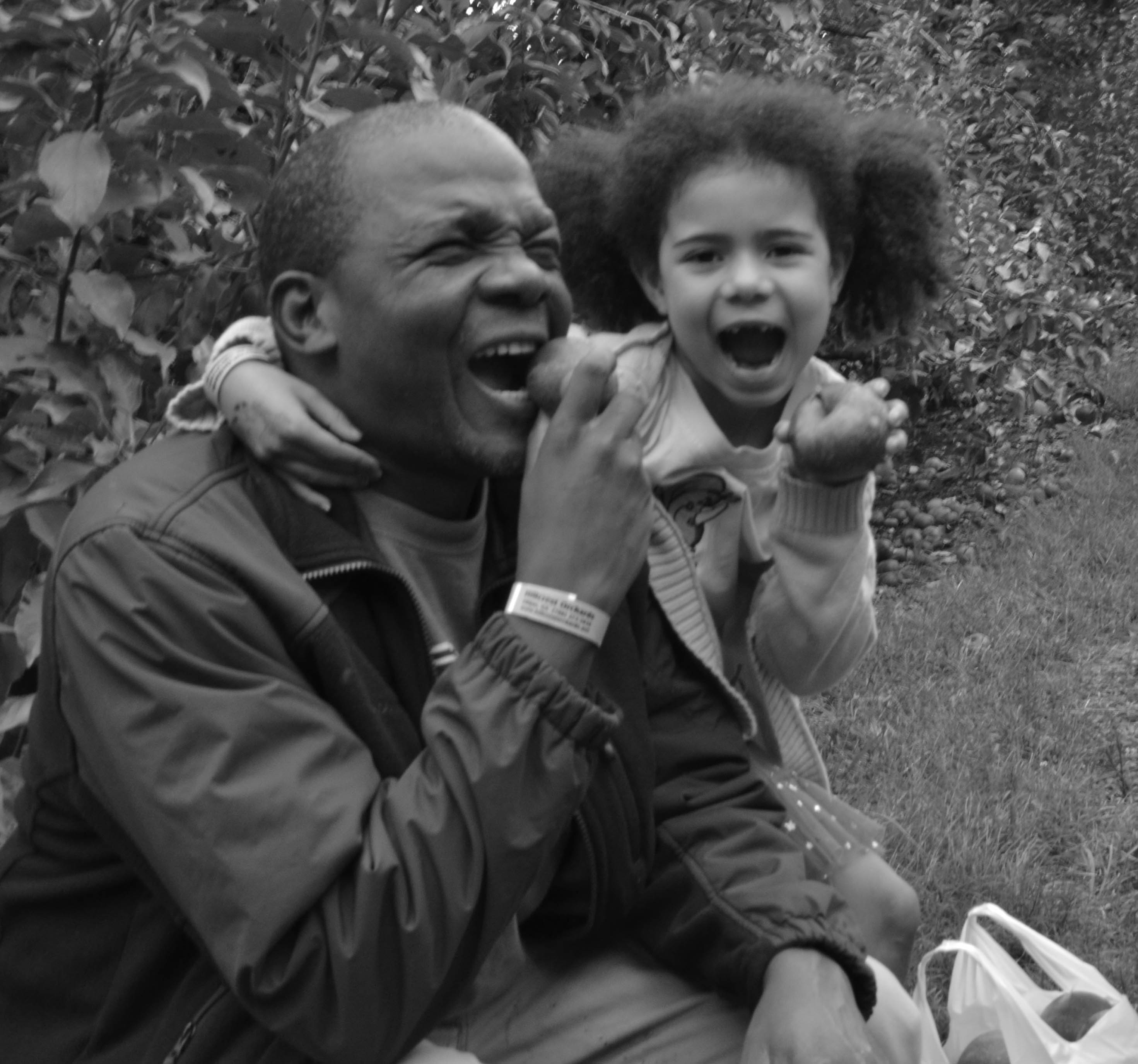
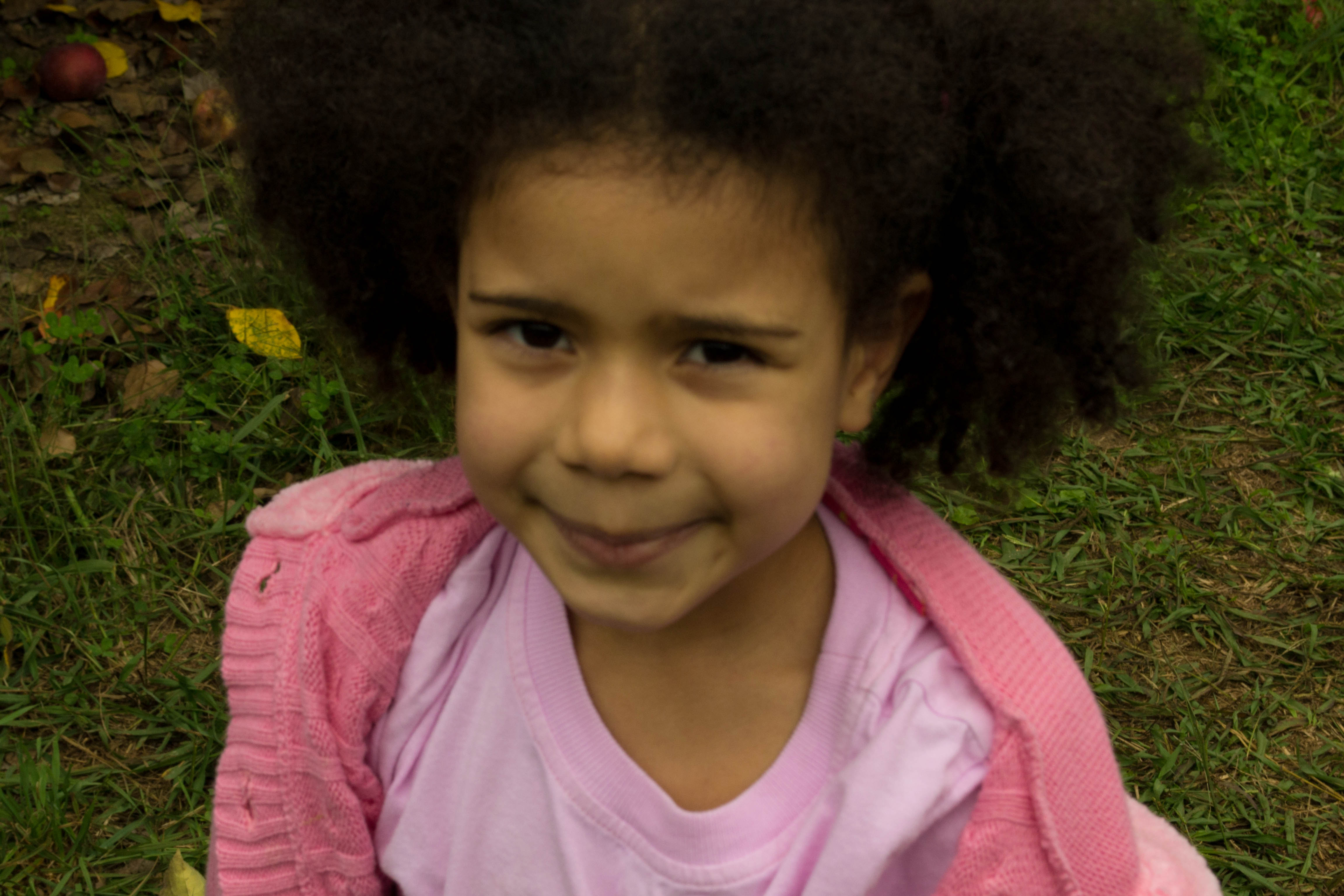
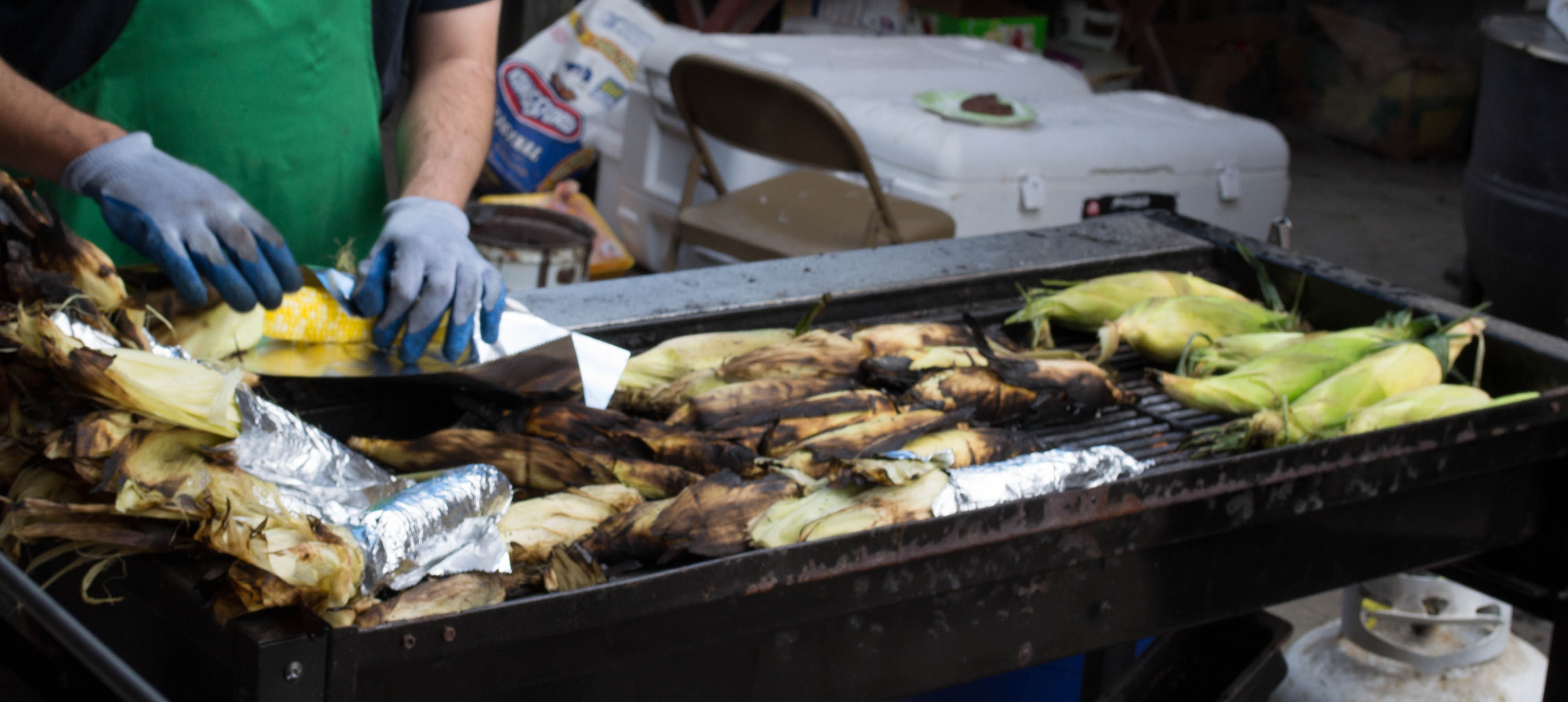
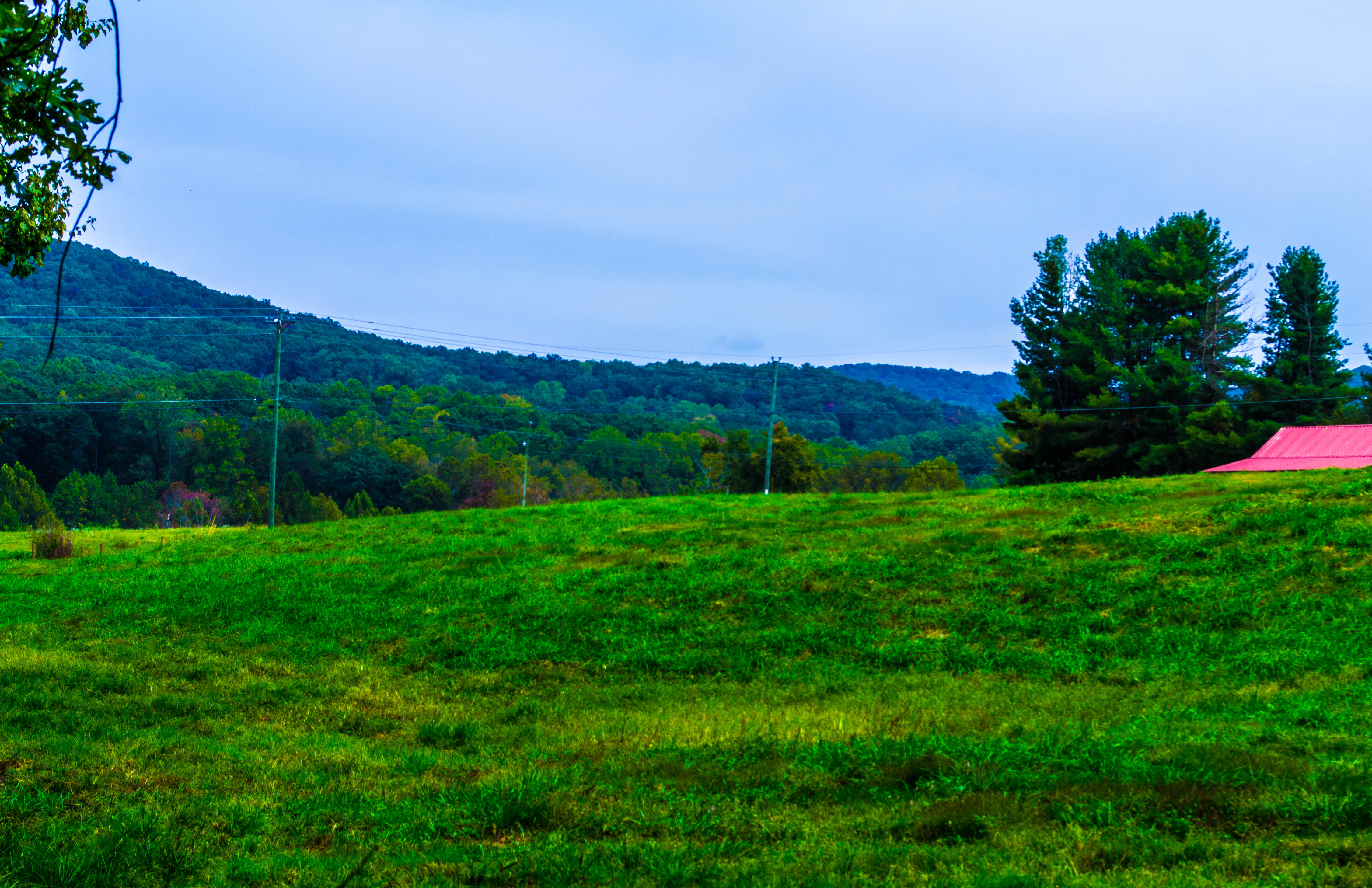
Today, I decided to do something different. I decided to just point my Nikon D3100 to capture “things” around my backyard and see what the products will be. I am really impressed with the pics and the detail I was able to capture in some of them. Here are the shots welcoming the fall season. Enjoy!


















All these pictures were taken by a Nikon D3100 with an 18-55mm lens (The kit lens).
The Unskilled Degreed Graduates: Why Do We Chastise Them?
Shaaban Fundi,
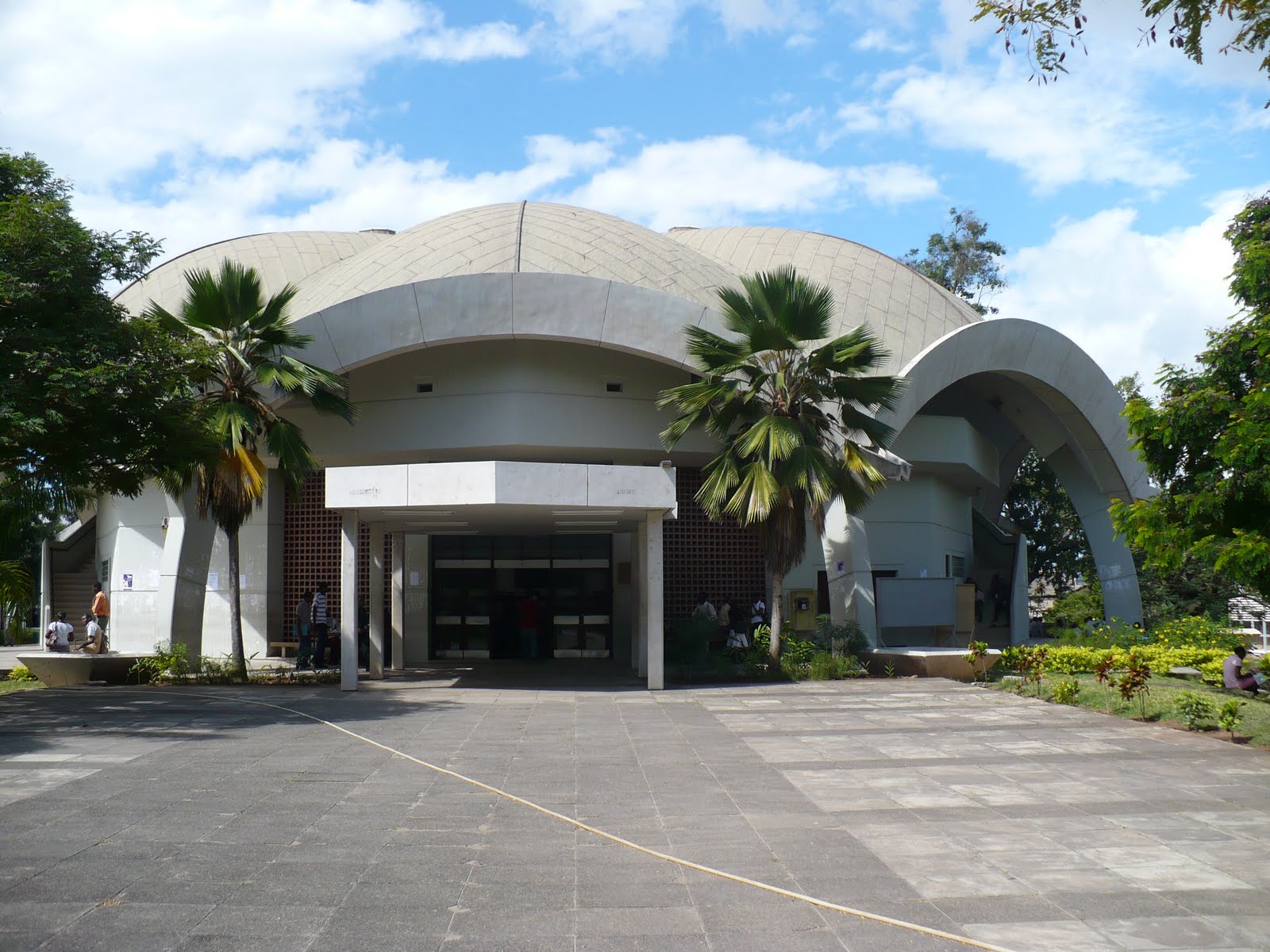
The gaps in science, math and reading literacy (Uwezo East Africa Report 2012) at the root- schools can’t be fixed within the 3-4 years. Most people graduate from colleges in Tanzania with worthless degrees (No offence). They end up not gaining essential and/or transferable skills during their university careers and consequently missing the boat. There is also the gap between degree programs at the Universities and necessary market skills needed at the work place. This gap actually leads to people getting hired and working in capacities where they have no job related skills resulting to poor productivity in the entire work force.
The current trend of changing just the degree program names at the university level to match the degrees needed by the market will not fix this problem. Teaching in these degree programs need to focus more into skills building, “creating an environment in which learner become increasing adept at learning from each other and at helping each other learn in problem solving groups” (Mezirow, 1997) rather than rote memorization of theories, facts and principles. Degree programs need to develop skill sets that are needed to be successful in their gratuates working environment. These key competencies for work place includes “ acquiring and using information, identifying and organizing resources, working with others, interpreting information, and understanding complex interrelationships”(Gonzi et al, 1995). The most important factor for me is teaching learners to become autonomous, this is not the norm in most if not all colleges in Tanzania.
To sum this all up, real fixes need to start from the bottom of the education chain. That is from pre-schools, kindergartens, primary and secondary schools–all the way up to universities and graduate schools. We always seem to look at a college degree holder and dismantle him/her for lack of skills at the work place. Questions such as “where did he/her go to college?” become the norm in our conversation. We often forget this is the same person that came from schools that did not prepare her/him well in becoming an autonomous learner in science, math and writing. If we have to fix this image, the fixing process need to happen throughout the entire education system. Just putting a Band-Aid in convenient places will add up to the problem and will not in any way help to solve it.
A Bus Ride From Hell and BACK!
I always travel from Morogoro to Dar Es Salaam on Aboud buses. This time around I went for a change; a change that nearly ended my life–Literary.
I arrived at the Msamvu bus station about 5 minutes after the on-the- hour Aboud bus had just left for Dar. I did not want to spend the next hour sitting on a bus waiting for departure. Therefore, I decided to take a bus from Mwanza going to Dar Es Salaam.
We left Morogoro 10 minutes after-noon. The bus was weaving and swaying all-over-the place. I realized my mistake pretty right on the spot. We were about to leave the bus station when the traffic cops stopped the bus. The bus tires were badly worn-out. Money exchanged hands and we were allowed to proceed with our journey to Dar-Es-Salaam.
The traffic stop was the first sign. I should have left the bus right there and then. However, I wanted to experience the ride–so I stayed on. We left Morogoro again after bribing the traffic cops. In about a half an hour after we left MOROGORO we had a front tire blow-out. The bus skidded for a couple of second until we finally stopped. We were lucky. Very lucky because we were not speeding at the time of the blow out. We spent about 45 minutes changing the tire.
The saga continued afterwards. We came to near misses on head-on collisions several times afterwards. One was just a few kilometers away from Chalinze and a couple after Mlandizi.
After we had arrived at Kibaha Picha Ya Ndege. I had had enough of the craziness. I asked the bus conductor to let me out. Stayed at the bus station and waited for Aboud bus to complete my Dar Es Salaam journey.
I guess there will be no Mwanza buses for me in the future………….
A Traffic Violation in Tanzania
I am in Tanzania. I’m keeping a very low profile in my village. As is the case, time is running–fast. Faster than I would like it to. I have been detained (at a local secondary school for taking pictures without permission), questioned (at a local dispensary for again taking pictures of the surrounding environment), and asked to tell who I was twice for minding my business. In a one week time living in a rural village in Tanzania, I have been asked to bribe the traffic police officials more than 5 times. If this is not indicative of how corrupt officials are in this country, then, I do not know what is. With my outside eyes, it is quite fascinating to see how things-run over here.
Here is a snap-shot of a conversation I had with a traffic officer somewhere in Morogoro.
Traffic officer: Can I check your motorcycle sir?
Me: Go right ahead sir.
Traffic officer: You are missing one important document sir.
Me: What document? If I may ask.
Traffic Officer: You don’t have insurance sir.
Me: Let me check to make sure that I really don’t have it. I looked on some pockets and fished out an insurance card. Here is an insurance card officer.
Traffic officer: Let me continue to inspect your motorcycle and when I am finished, I will let you go sir.
Me: Take your time.
Traffic officer: The rear indicator light is not working.
Me: okay
Traffic officer: It is a Tshs 32,000.00 (~$20) offence sir.
Me: Write me the ticket.
Traffic officer: Do you understand it is 32,000Tshs?
Me: Yes, just write a ticket. I will go to the police station pay for it.
Traffic Officer: You know you can just pay me a little amount of money and you can go on with your day.
Me: Yes I know. I just want to pay the fine and then, I will fix my rear indicator light officer.
Traffic officer: Can I see your driving license?
Me: Yes officer—here it is.
Traffic officer: Reading my driving license….mmmh! Just give me 10000Tshs and I will let you go. No problems.
Me: I would rather pay the fine officer—just write me the ticket.
Traffic officer: Just find me some money in your pockets.
Me: I don’t have any money with me. I can go pay the fine at the police station if you write the ticket though.
Traffic officer: See me later. You can go now. I became a nuisance to him. He was not able to stop others while I was standing there recording our conversation. In addition, he was not able to ask for bribes from the other motorists he stopped before he stopped me.
Me: Where is the ticket?
Traffic officer: I ‘m not going to write you one. Just see me when you come back.
Me: Thank you officer….and I left him standing there. He has not gotten any money out of me. I was very proud of myself.
Zitto Kabwe: The Bottom 30 Millions.
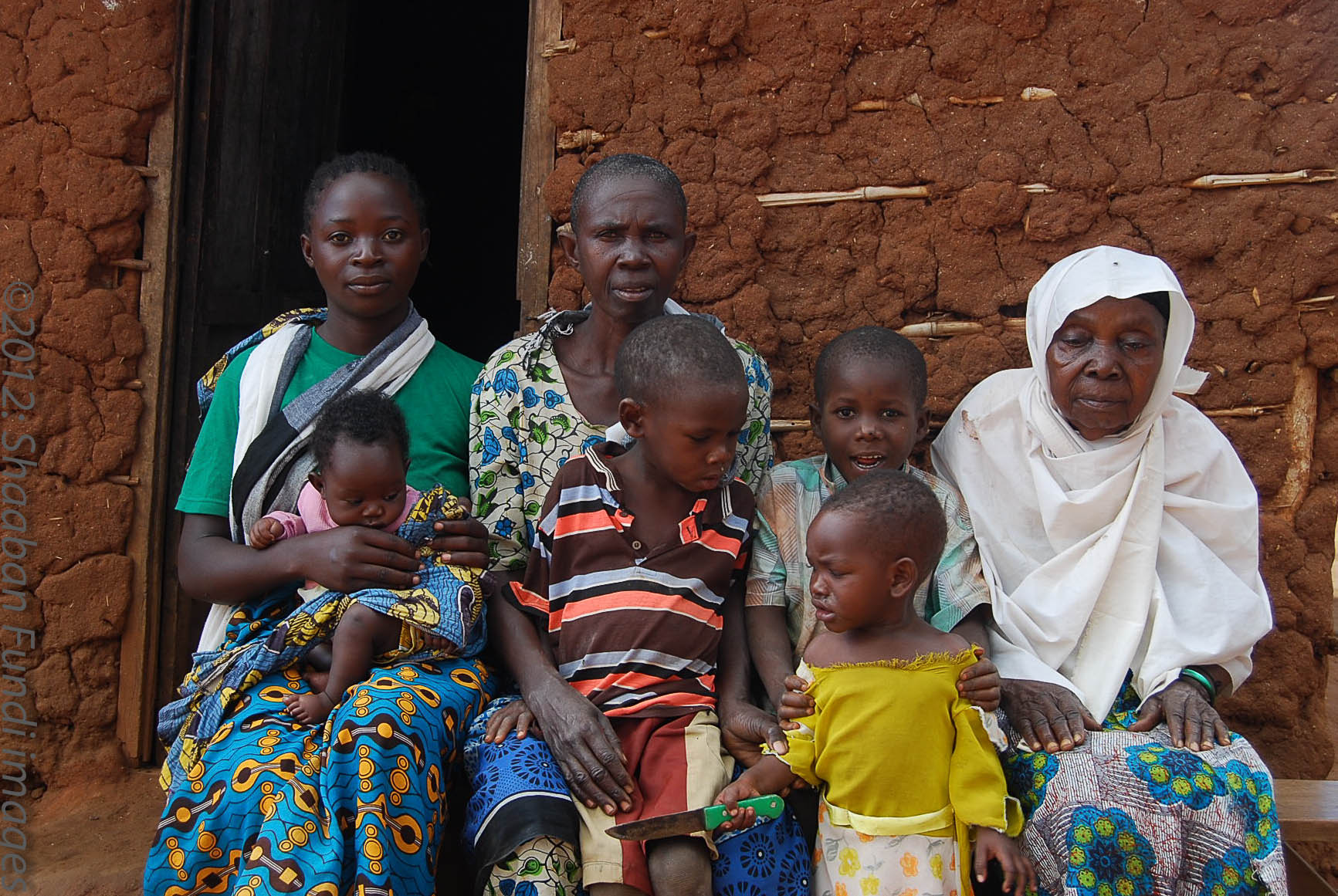
A few weeks ago Mr. Zitto Kabwe wrote an article on his blog “Kabwe na Demokrasia” entitled “The Bottom 30 Millions”. This article gave a succinct analysis of the deliberate policies and priorities put forth by the government at Magogoni that aim to keep the 30+ millions of poor Tanzanians in the rural areas in abject poverty. It is not rocket science to see the facts in their misplaced policies and priorities. If you look at education, the expansion of school buildings and enrollment at the secondary level is commendable but it has failed to meet the quality education delivery expectations of the students and the country. This misplaced policy alone is leaving millions of poor children at ward schools unprepared, uneducated, and unemployable each year. This is what I call a deliberate “mis-education” process of the poor masses in rural Tanzania.
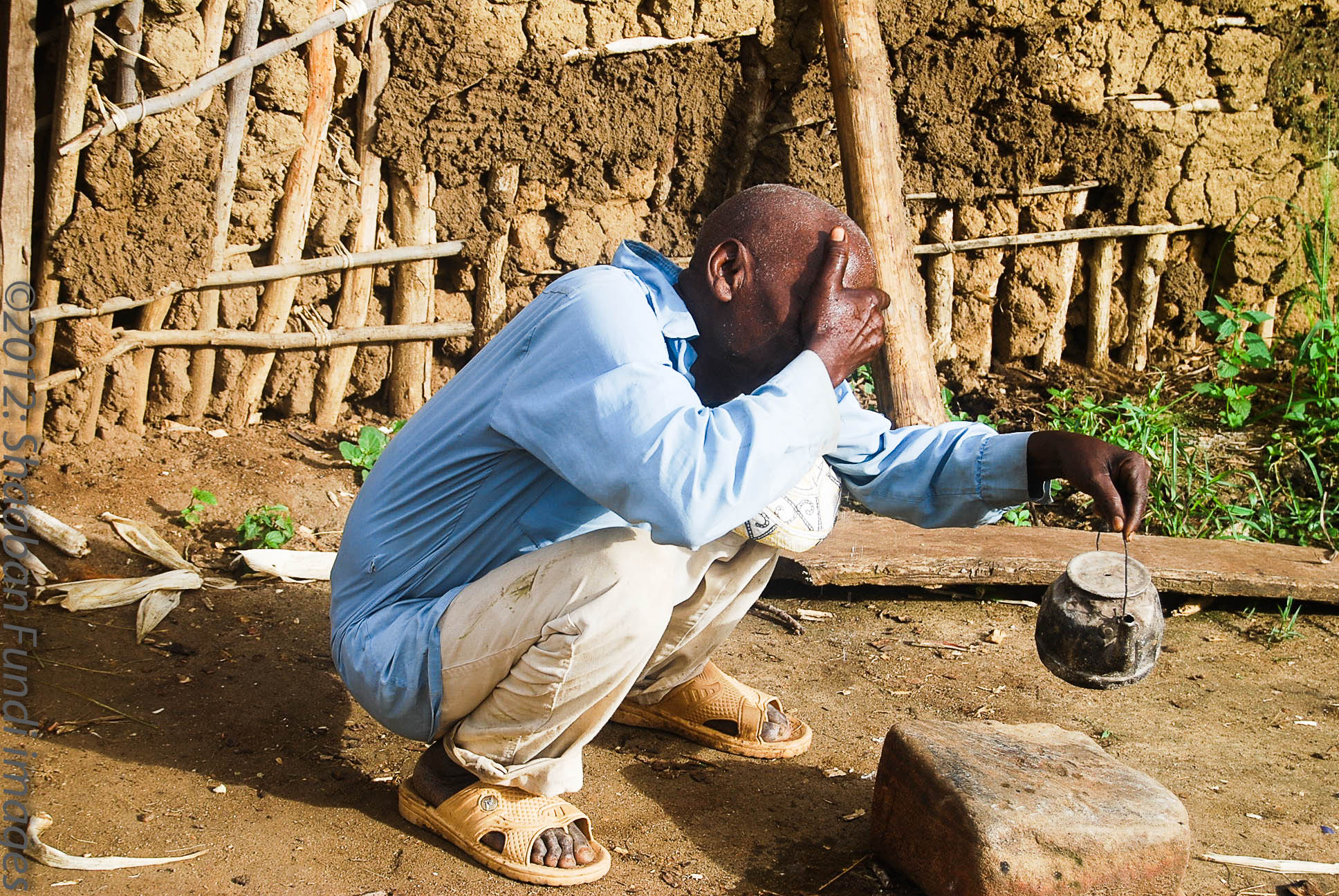
The education policy is just one among many policies put forth by the Magogoni government. Other policies include the famous “Kilimo Kwanza.” This beautiful policy on paper has not been well executed in the rural areas. There are very good languages in the policy like lending farmers tractors and farm implements to help them increase productivity. However, the realities in the villages are quite different. Very few farmers (peasants) can afford to buy a tractor outright at Tshs 30,000,000. Furthermore, many do not know and/or have the information on how the banking system works.

For the banks to lend you money, you need to have collateral. Collateral can be a house or a titled deed of your piece of land. Since many peasants don’t have titles to their land and also don’t have houses that are valuable for the loans—they end up not receiving the tractor and farm implement loans. In addition, it is hard and sometimes completely impossible for the ministry of land employees to come to a village and issue land titles to these poor souls. Therefore the whole policy is self defeating.

To sum this all up, only the rich and the well connected can actually take advantage of the Kilimo Kwanza policies. And they are doing just that. Thus supporting Kabwe’s saying that these policies are deliberately designed to leave behind 30+ millions real people that would otherwise benefit from these policies and in return benefit the nation as a whole. My point here is that–we have seen these shenanigans over and over again. When id enough is enough for gods’ sake? What are Tanzanians doing to change the status quo?
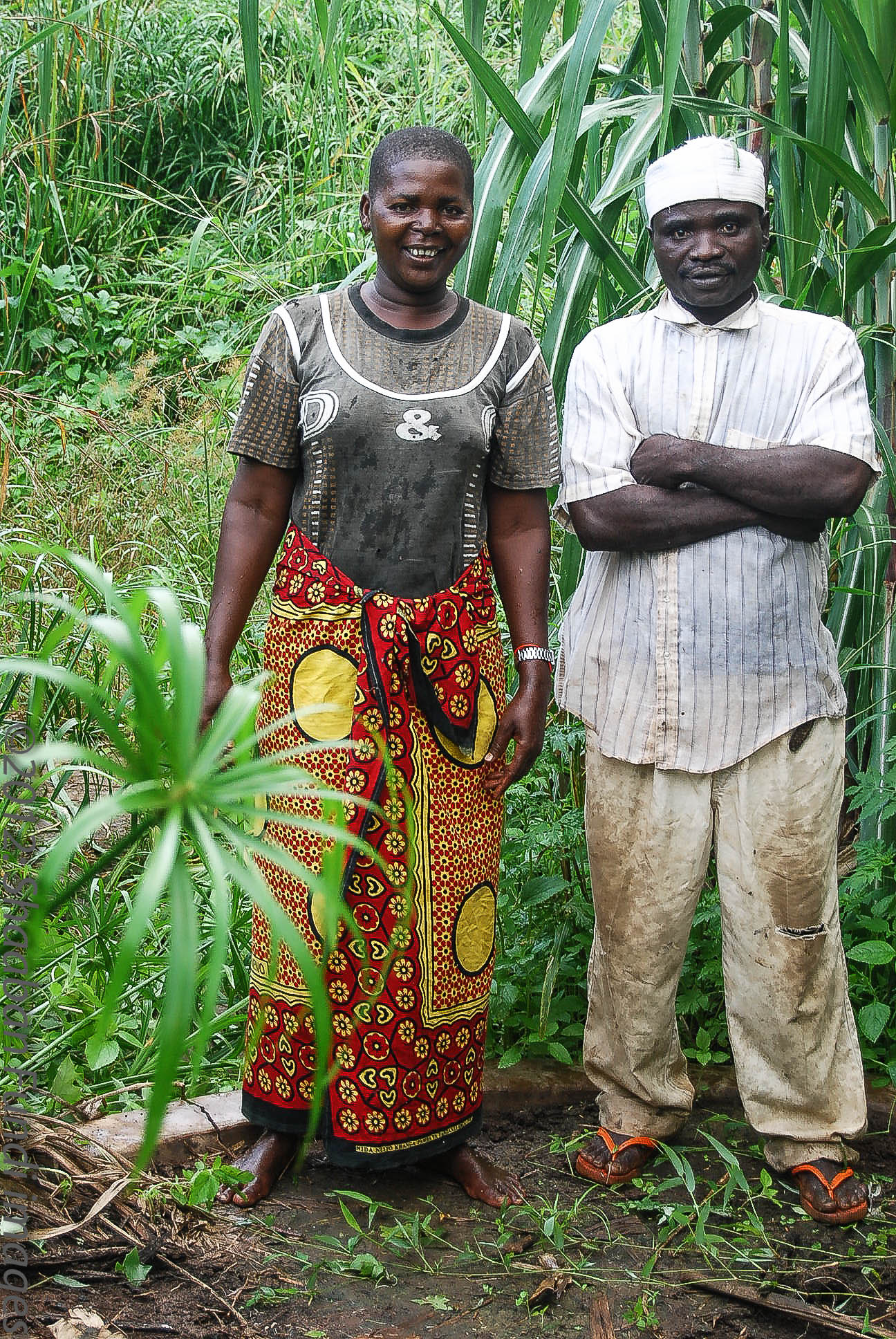
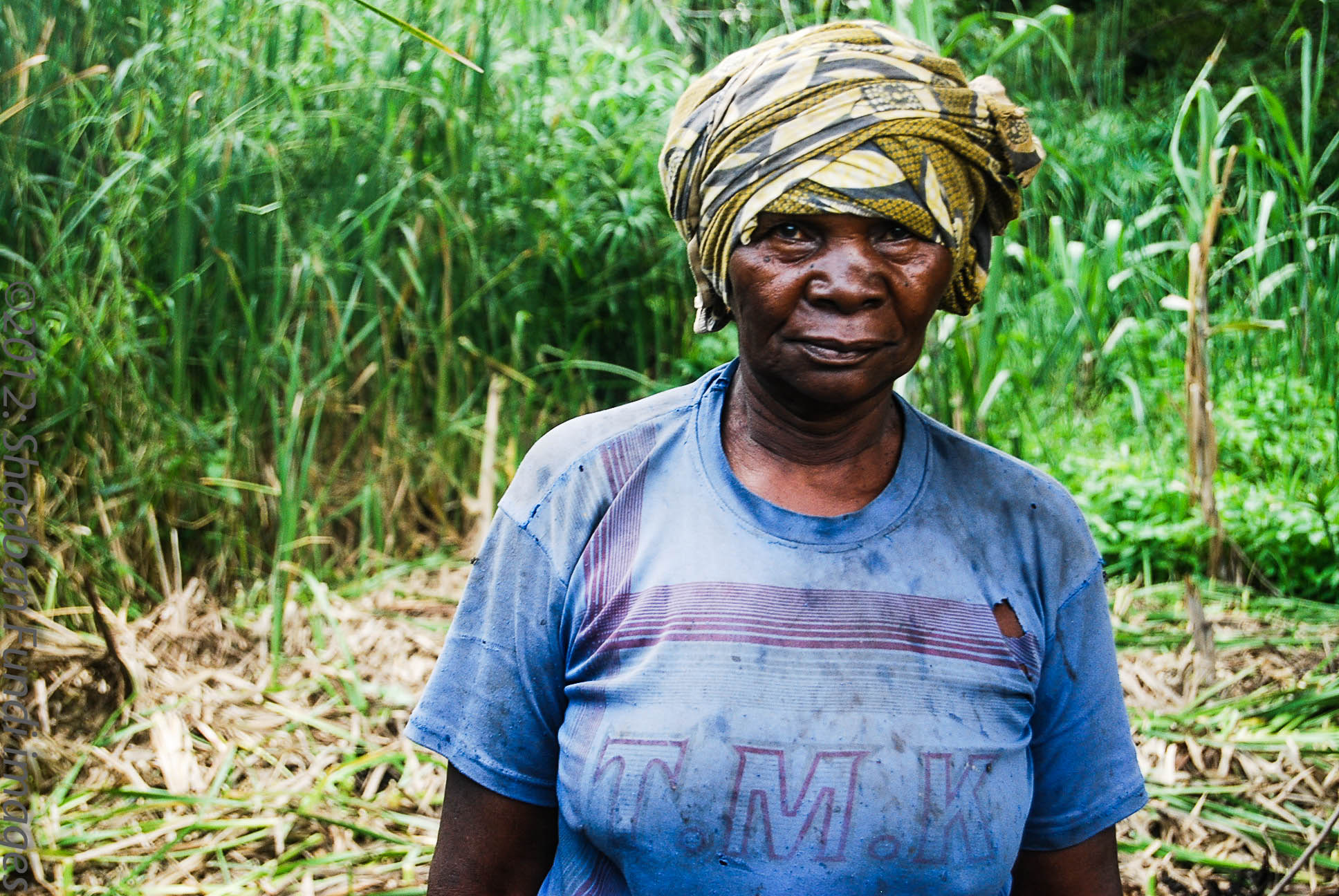
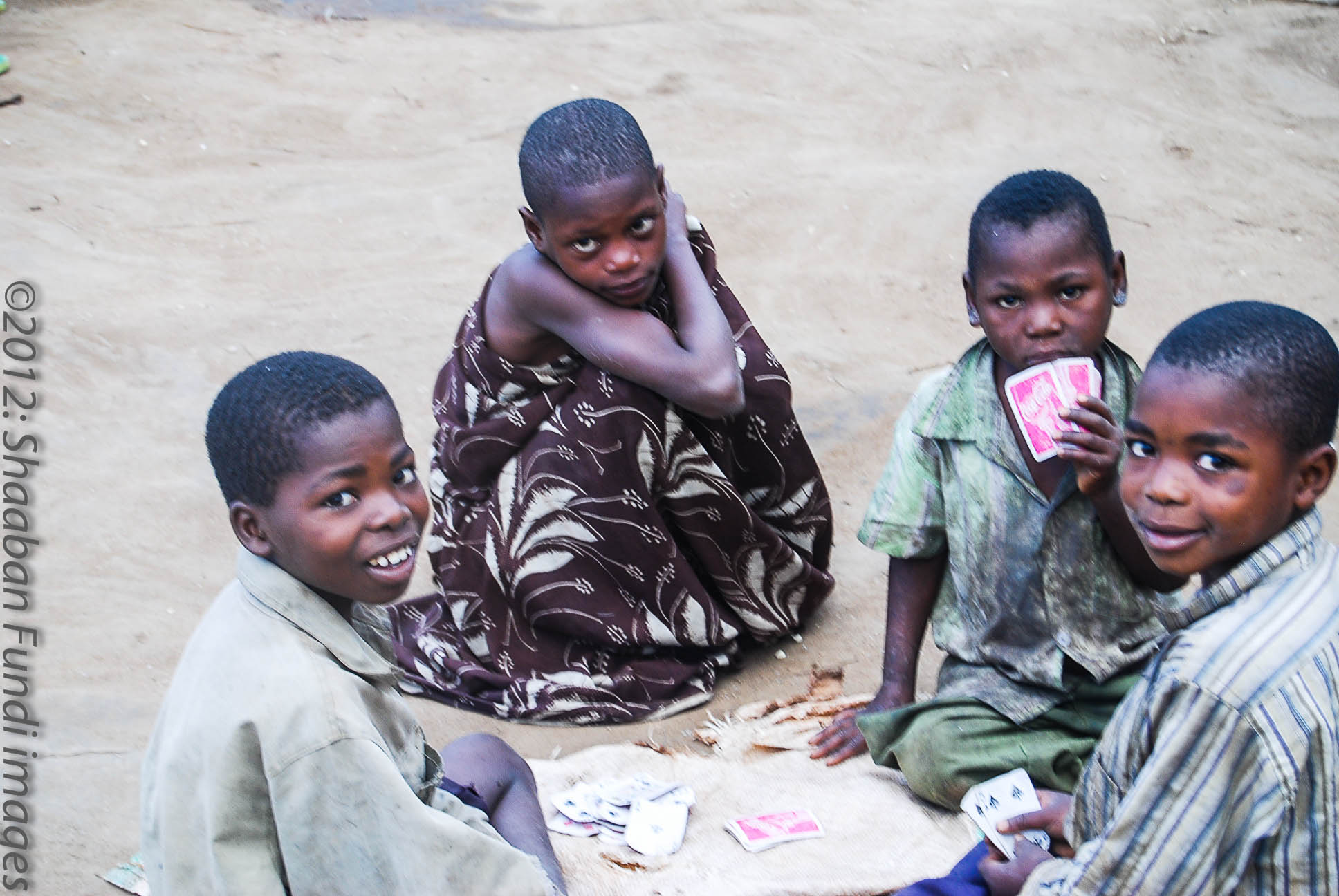
Kibogoji Experiential Learning, Inc’s Brochure: Check it out!
Here is the finalized brochure for our Kibogoji Experiential Learning, Inc in Turiani, Morogoro–Tanzania. If you have old desktop computers (laptops are also accepted) that you would like to donate–I will personally come to pick them up if you live in the Atlanta area. We are also accepting books, magazines, educational dvds, and any educational equipment you may have. Spread the word!
Thank you,
The Kibogoji Team.
Here is the KibogojiBrochure.doc
The Lure for and the Dashed Promise for Quality Education to Poor Families in Tanzania

Education can change people’s lives. And for many, it has done just that. The trans-formative power of education especially for poor rural children is surreal. Numerous examples exists of people climbing the economic ladder due to education in a single generation. The examples are too many for the poor in rural areas not to notice.
But, is this still the reality of today’s education system in Tanzania?
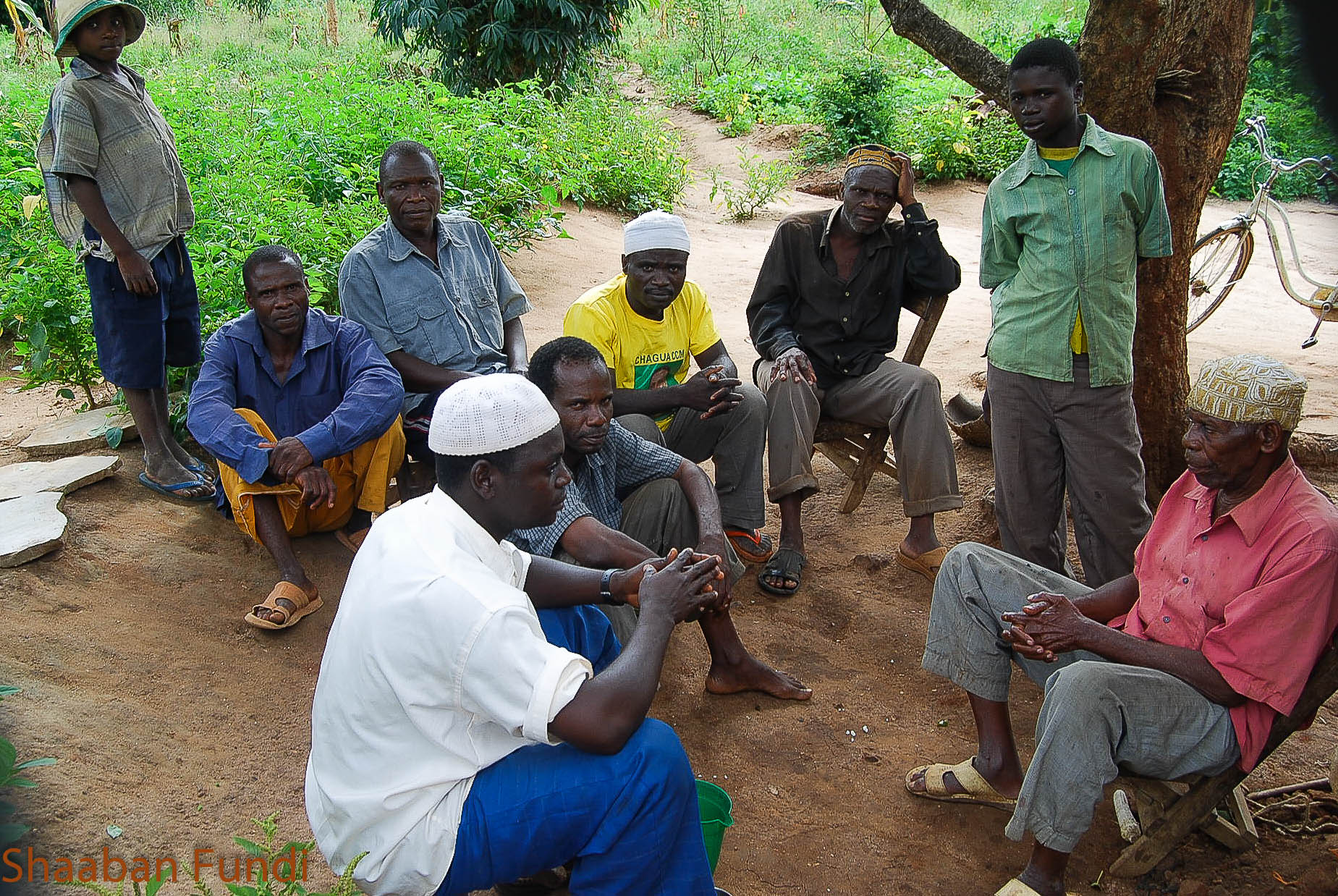
Unfortunately in the past decade, this line of reasoning has turned into a trap for many families in Tanzania.
Many rural families spend a lot of capital to send their sons and daughters to schools following this fallacy. In other words many parents are hoping for a good return on their investments–that is not actually there. They hope to create a “safety net” for themselves because none exist through the government. This is especially true for peasant families that don’t receive any type of retirement income after many years of hard work.
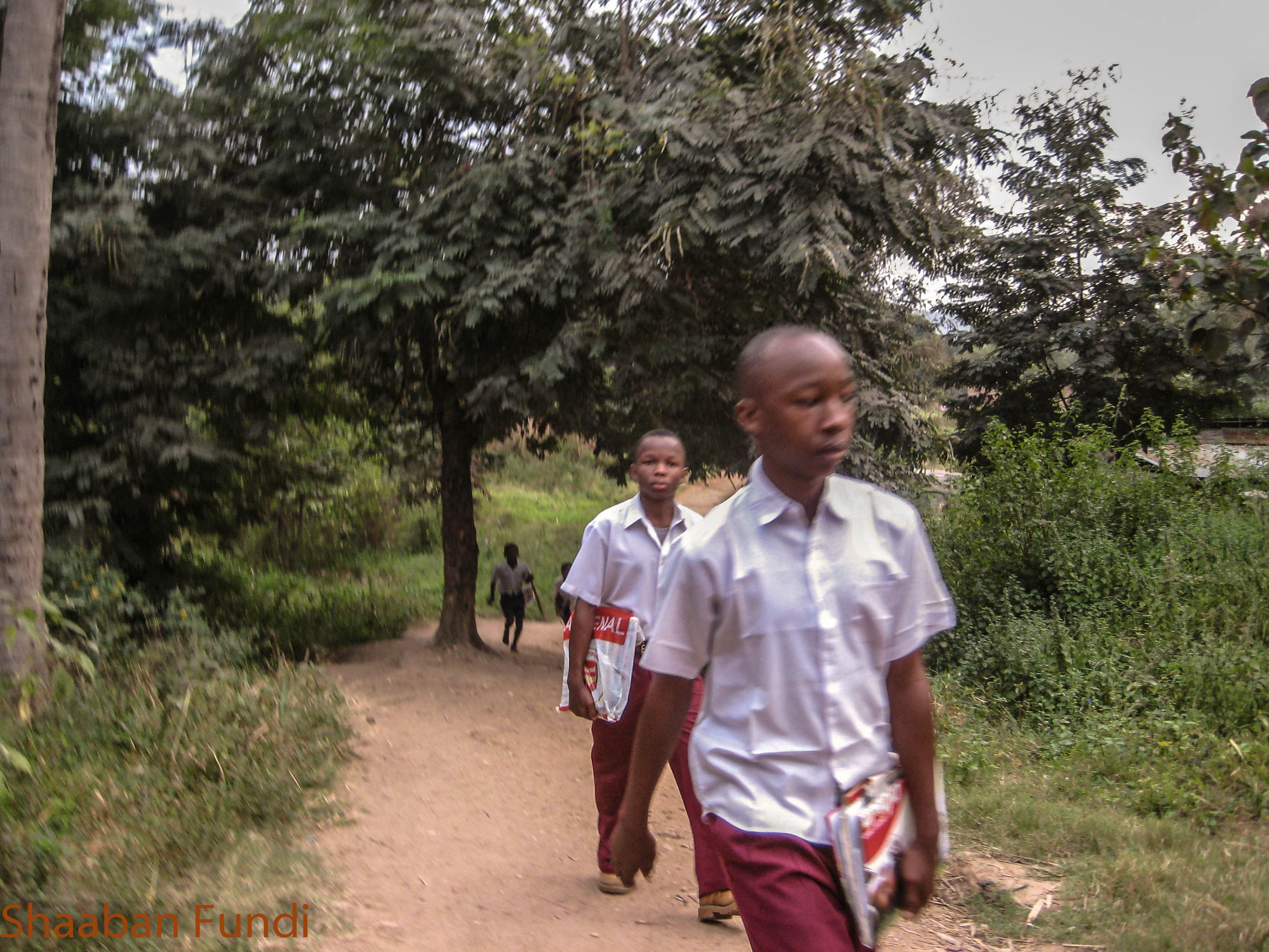
For most of the rural kids attending ward secondary schools, the prospect of ending up with a division zero and/or four “if they are luck” is hanging at 85% according to statistics from the Tanzanian Ministry of Education’s data on form IV pass rates for the past 3 years. All of these failing kids are a retirement investment plan that has gone sour for themselves and their parents. If this was a bank doing this kind of business(education utapeli)–many people will be heading to jail for selling a fake product. The parents are losing money twice in this scheme: (1) a shot at a decent life for their kids and (2) a retirement investment for themselves.
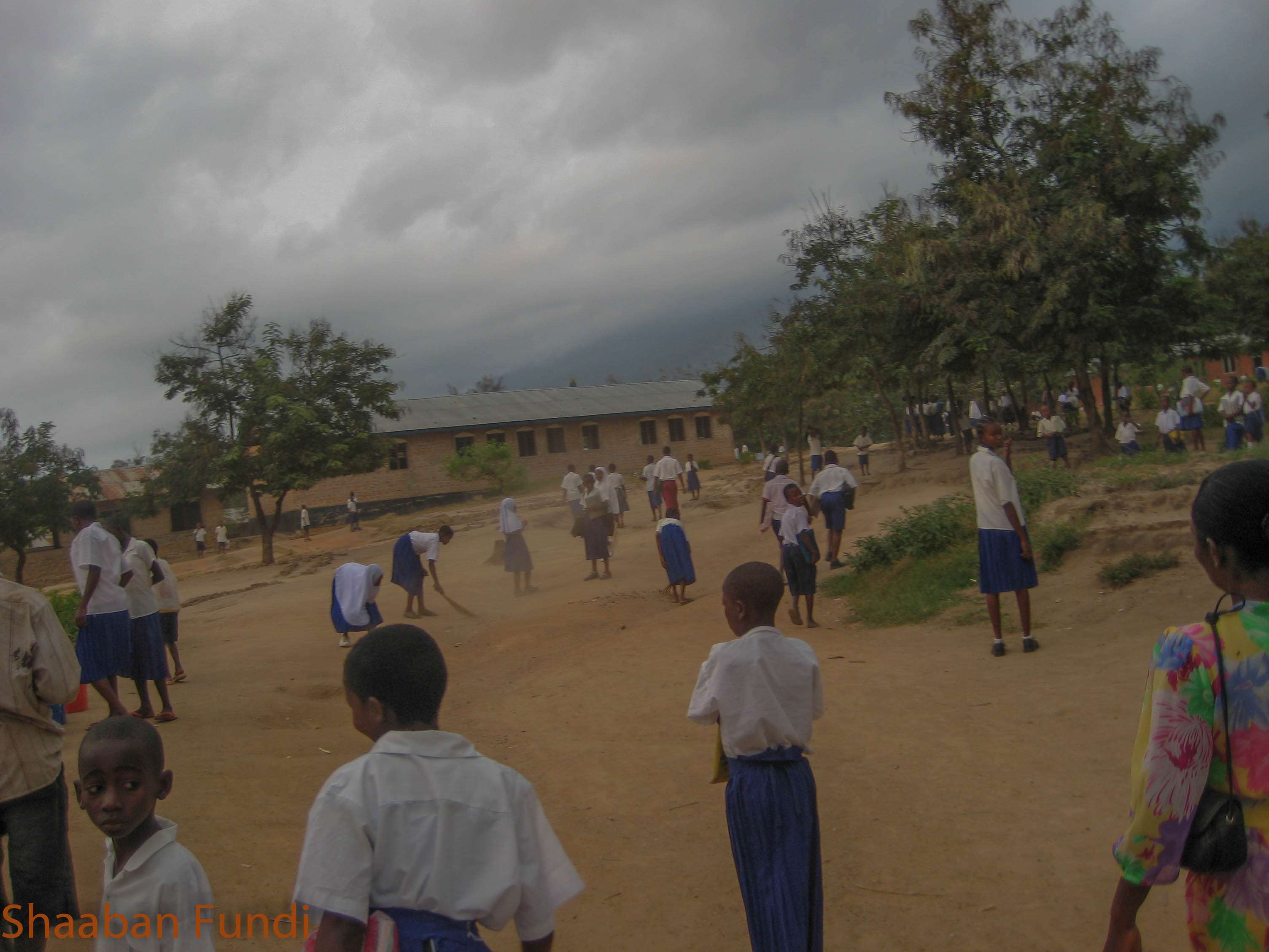
The pathetic state of the schools and the schooling conditions is killing the dream that many Tanzanian families have for their children. And the sad thing is–this was not the case from independence all the way to the nineties. Most of the people you see occupying the high-rise offices in Dar came up from poor families through education. Education then, was a much flatter playing field than it is today.

What has gone wrong here?
Form VI Results 2012 Tanzania
Click the highlighted link to access your form six exam results for the year 2012.
Hadithi Ya Kilonzo na Mkwewe
Na Hadji Helper,
Walipofika nyumbani wakagundua kuwa mengi ya mayai yale yalikuwa yameharibika. Wakarudi mpaka sokoni na kumkuta CHACHA MWIZI akiendelea na uchuuzi wake.
Wakamlalamikia kuhusu bidhaa alizowauzia naye akakubali KUWABADILISHIA na kuwapa MENGINE. Cha kustaajabisha kufika tena nyumbani wakagundua kuwa hata yale waliyopewa yalikuwa yameharibika.
BABA MKWE kwa hekima kubwa akamshauri KILONZO kutonunua Mayai tena toka kwa CHACHA MWIZI kwani inaonekana hana bidhaa nzuri yamkini.
Kama ikibidi basi ajaribu kubadilisha mchuuzi na labda anunue toka kwa mzee CHAMWEMA au hata kwa NASSORO au ikibidi kwa CHAFU.
Hadithi hii inatufundisha mengi sana WATANZANIA, tumefikia wakati sasa WANASIASA wanatuona kama MAZUZU kwenye nchi yetu wenyewe. Ni wakati wa kuamka, kupigania chetu na kudai haki zetu. Bilioni 550 iliyopotea waeleze iko wapi na sio kutubadilishia Mayai kila siku.
Mayai haya yanatakiwa yapelekwe mahakamani na kama siyo yote, baadhi yafungwe na kurejesha mali ya wizi.
Tushajua pakacha zima limeoza.
Inasikitisha na inahudhunisha na ikumbukwe SIASA ni mchezo mchafu sana na hiki utakachopigania leo ni kwa ajili ya WATOTO au WAJUKUU zako. Ni wakati wa mabadiliko ama CHACHA MWIZI abadili mfumo mzima wa upatikanaji wa bidhaa zake au WATU hatununui bidhaa zake kabisaaaa!!!
The Story of Coca Cola
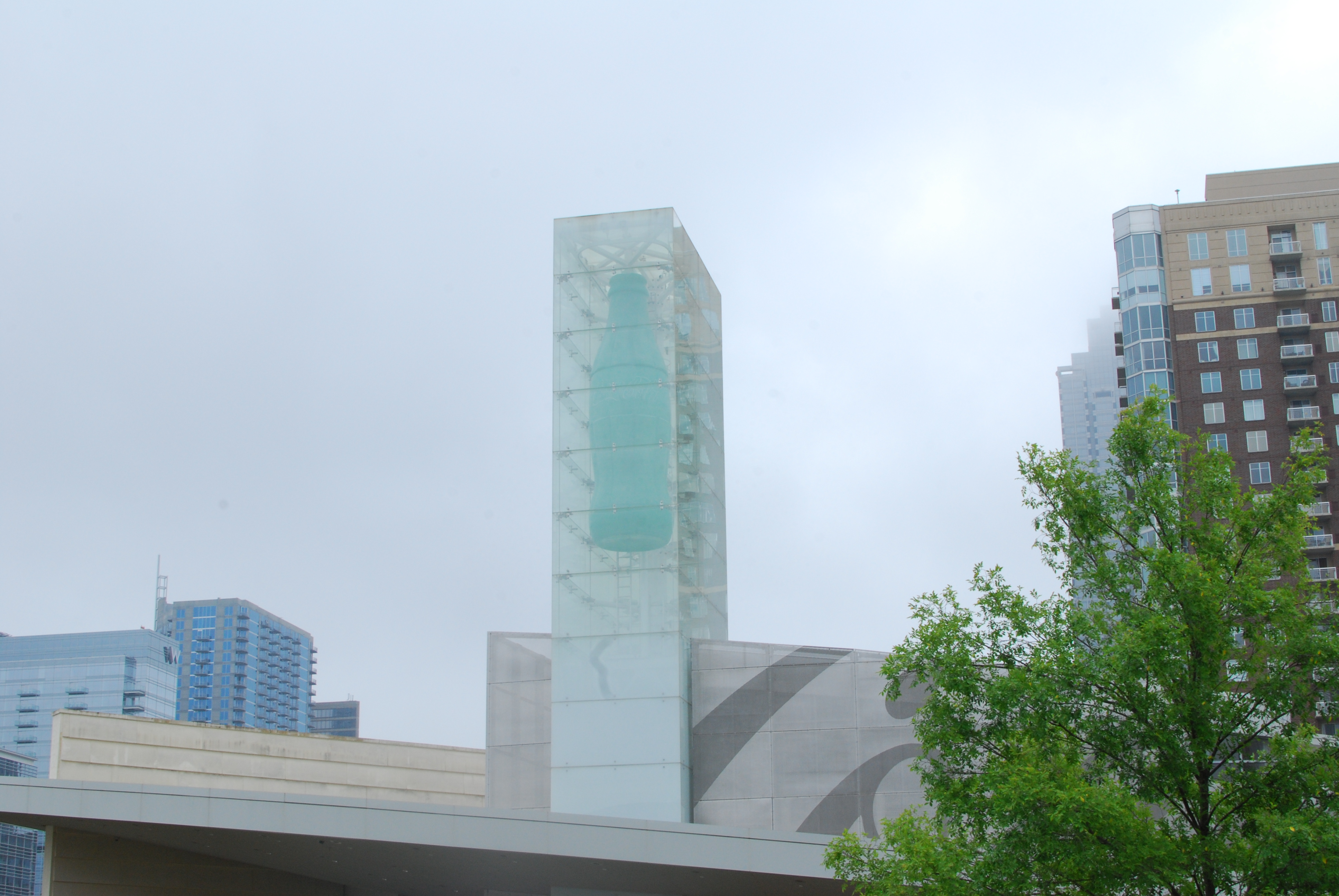 The other day, a couple I had met at the DICOTA Convention in Washington, D.C. showed up in Atlanta all the way from the state of Virginia, and Chesapeake in particular. They just wanted a taste of Atlanta. Being a family, the night life was not in their agenda. Therefore we had to do the day stuffs around the city.
We left the house and drove into downtown Atlanta. In downtown, we decided to buy a city pass and just do the triangle (3) attractions surrounding Centennial Park (Georgia Aquarium, World of Coca Cola and the CNN headquarters) where the 1996 Atlanta Olympic Games was held.
We started with the World of Coca Cola. Here is the story of Coca Cola in pictures.
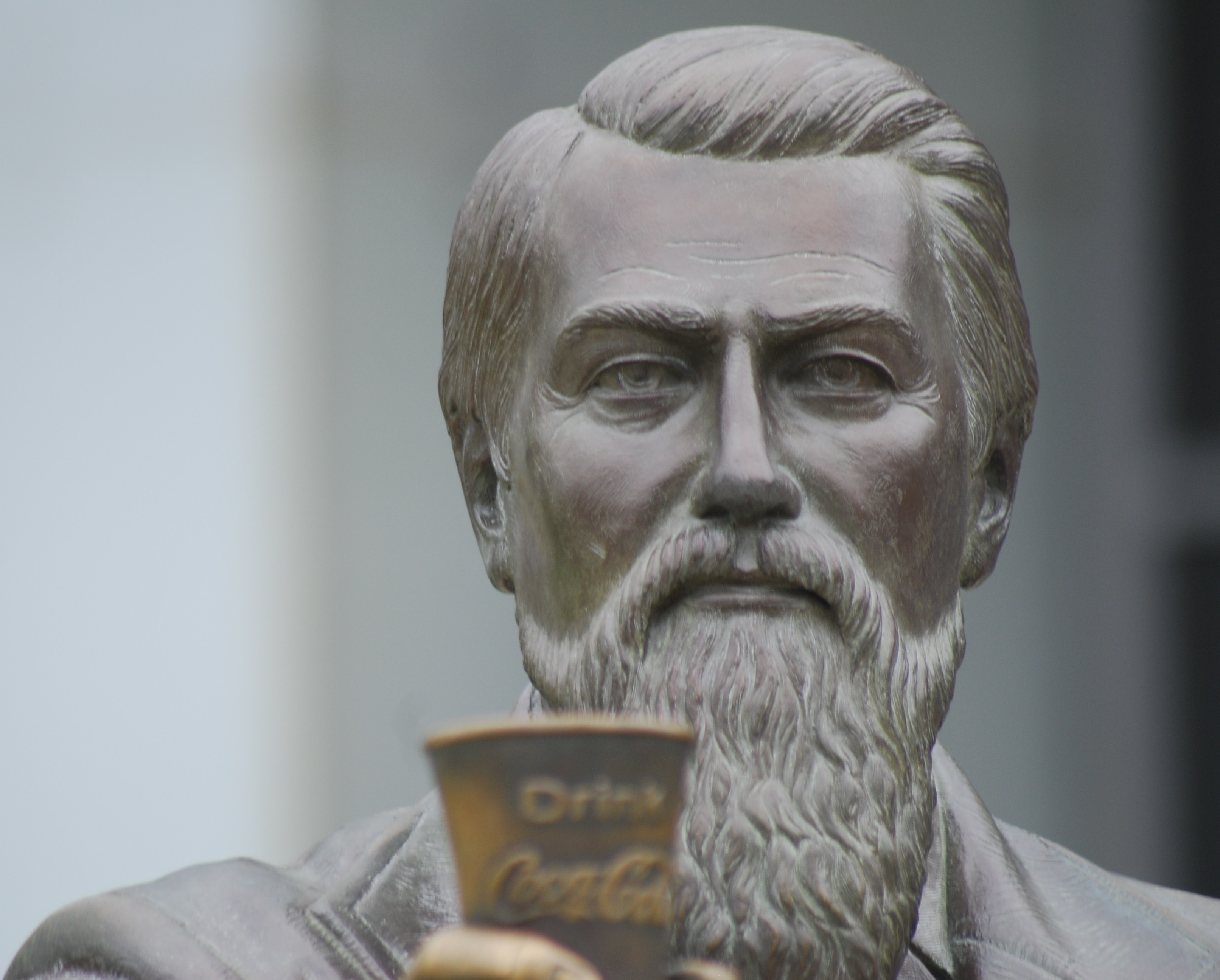





Here are my sponsors for this tour: Mr and Mrs Josephat Mboyi and their son, Jonathan.



Tanzania: East Africa Members of Parliament Selection Process Flawed
The East African Members of parliament selection process will be formalized in the next few hours in Dodoma, Tanzania. The 9 members will mostly come from the party that is undergoing a molting phase—according to party officials.
The process for selecting CCM representative to the EA has been secretive and majority of the selectees have been finger picked by the few top CCM cronies. No announcement or real criteria were given to the many Tanzanians who would have liked to participate in representing Tanzania to the East African community parliament.
This has lead many people to believe that the Urithishanaji process was on the offing. Who can blame them for reaching such conclusion?
To make this process fair and inclusive of all Tanzanian with aspiration for the EA bunge, three things need to happen:
1)Members of the East Africa parliament should not have any party affiliations. They represent Tanzania in EA and not a party.
2)Nine regions need to be created within Tanzania (mainland and Zanzibar) where everyone that likes to be an EA member of parliament can contest for the office.
3)Wananchi should vote for their EA representative. Period. The EA representatives will represent the interest of Tanzania as a country and not a party or a group of cronies or lobbyists.
I wish members of parliament from all political parties in Tanzania will see the obvious and walk out of this sham exercise of selecting hand-picked individuals to represent Tanzania in the East Africa Community. In a democratic society like Tanzania, lets not allow a few individuals to dictate the interest of the country. For democracy to prevail, people and only the people should choose their representative to the EA community.
What are you views on this issues………………………………………?????
R.I.P. Steve Kanumba
 I have never seen your movies.
I have never met you personally.
I have never even heard your name before you accidentally passed away.
Admittedly, you have left a mark in this world through your craft.
Rest in peace Steve Kanumba.
As they put your casket down for the long never to work up sleep
I promised to myself, I will buy one of your movies next time am in Tanzania.
And discover on my own what I have been missing.
If anything .
Anyways, RIP Kanumba “the great”.
Much love and peace!!
Learning as an Objective Within a Structured Risk Management Decision: A Critique
Shaaban Fundi’s Critique of Mcdaniels, T.M. and Gregory, R. (2004) paper titled “Learning as an Objective Within a Structured Risk Management Decision Process” published in the journal of Environmental Science &Technology, 38(7): 1921-1926.
The authors introduce the complexity of issues associated with managing health, safety risks and the environment. They argue that social learning through adaptive management holds the promise of providing the basis for better risk management in the future.
To support their argument, they provided an outline for fostering improved risk management decisions. The outline includes the key concepts such as learning for current and future decisions as one of several explicit objectives for the decision at hand. They view risk management as a policy analytic decision process that is virtually enhanced by the breadth of and/or the value of the information that is available to the stakeholders.
Furthermore, they put forth the advantages of viewing learning as an objective including potential benefits from the view-point of the stakeholders, institutions involved, and for the decision process itself. The authors link learning through adaptive management to the concepts of structured decision aiding involving different stakeholders. One key aspect of decision aiding in this context involves treating learning as one of the several objectives for the policy decision that you are trying to make. They emphasized the role of learning as a means to foster good decision processes within stakeholder groups.
Strength of the paper:
The authors made an unprecedented effort to support their view point that learning be included explicitly as one of the objectives in a structured decision process involving a broader coalition of stakeholders. They used an example from Mcdaniels et al. in which learning is explicitly considered as an objective within a multiple objective decision analysis for a salmon fishery management decision. In this example three steps needed to treat learning as one of multiple objectives in an analytical term were put forward and they include an objective, a performance measure, and explicit tradeoff.
In addition, the authors argued that the use of a structured decision process helps the basis for a better decision. The steps taken in a structured decision process leads to more informed consideration of the tradeoffs arising in selecting among the alternatives. The approach helps frame individual and collective thinking and inform the limited rationality that influences all decision process. The utility value of the decision at hand is also important especially for a structured decision involving multi-stakeholders each expecting and/or visualizing a different set of values to be obtained from the decision process.
The author finally uses Kai Lee’s example to stress the point that learning is accomplished in the world of real politics through informed negotiation and planning in policy formulation processes. Kai lee places emphasis on creating and implementing alternatives to foster learning for managing environmental risks, particularly within the context of stakeholders advisory groups.
Overall the authors have made a very strong case in explaining the benefits of including learning as an explicit objective in a structured decision process involving multi-stakeholders.
Weakness of the paper:
The concept that value is the motivation of every decision regarding risk management processes is crucial and I feel that the authors have failed to link the association between a risk and the value it pertains in decision process. This is with regard to the idea that most stakeholders (laymen) are unaware of the intrinsic values (non utilitarian values) of the biological system at large and it is very difficult to put a monetary value to them. Because of the complexity of these systems, it is more likely for the decision to favor the more informed (industrial group) rather than the local stakeholders.
The other very important issue was that the structured decision process approach does not assume and/or require full knowledge and formal rationality on the part of the participants. It only assumes that participants are interested enough in the consequences of the decision to think through their objectives and the alternatives as well as they can. This to me is not good enough, I believe the value of focused thinking would be a better alternative as it includes the value of information in the decision making process and it does not rely too much on just the interest of stakeholders.
E-Learning in Tanzania: Will it boost students’ performance and understanding of content?
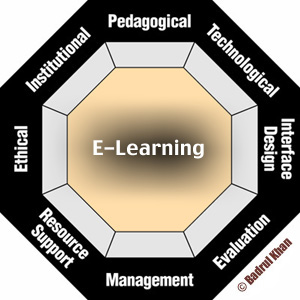
I attended the Africa E-learning Forum at Mlimani City last year in Dar Es Salaam, Tanzania. Most of the participants I spoke with were abuzz with this issue. They explained to me— E- learning could be a game changer for Africans— not just for improving content attainment for our students but also as a resource and a tool that will foster a new brand of African renovation.
I looked at them and said sure!
There are some great examples for E-learning successes in African countries like Ghana, South Africa and Nigeria. All these examples point to the benefits that Africa can and will receive if it invests heavily in E-learning and IT education. Massive work and government commitment is needed for all these pipe dreams to become a reality.
E- Learning programming are very expensive. The infrastructure to support massive data bandwidth is not there yet in most African countries. This situation applies to both rural and urban areas. E-learning will not flourish in a wireless cell phone dependent kind of environment. The wireless environment is simply too expensive for data transfer and is really not reliable.
While I see the need to transfer learning platforms into the E-learning environment, I don’t think Africa should invest blindedly in self-directed E-Learning courses part as of yet. These courses are time-consuming and expensive to design and produce.
There is little to no expertise in this area in most african countries since educated Africans still look at educational expertise as worthless endeavor.
Africa and Tanzania in particular could benefit more if they use ICT’s usefulness as a resource library —to store many articles on a DVD, videos, and pre-saved computer simulated labs or as a practicing tool to help students to learn how to type, to conduct source research and other useful skills building activities using a computer.
In addition, the E learning center could be used by students as resource and skills building centers–where students and the local population could access pre-stored information from the computers’ hard drives or cds and dvds in a as needed basis.
Land Grabbing in Tanzania and Africa.
I had written a year ago about land grabbing issues in Tanzania. I had described “the idle land” argument the government uses to push away poor peasants from their traditional land. Some of this land grabbing phenomenon is having a huge impact in perpetuating poverty for the rural residents in the country.
The new constitution needs to take land away from the governments and back to its rightful owners, the locals in their own villages, vitongojis and the likes.
Some education on land ownership need to be provided to the villagers so that they can make informed decision on what to do with their ancestral land. The crooks from the government should not be allowed to strike land deals with foreign or local investors in any shape or form.
Here is a very good article on this issue. Read it.
Will the “Kiswahili only” Language of Instruction Model be the Answer for the Massive Failures in Tanzania?
This debate come and go every year when the dismal pass rates of our secondary and primary school students are announced. This year, this same debate came with a twist. The guardian newspaper reported recently that the Deputy Minister for Education and Vocational Training Philipo Mulugo and the government of Tanzania are in the process of drafting a new policy to make Kiswahili the language of instruction in both primary and secondary schools in Tanzania.
It is indeed true that the current system is not working. Everyone agrees with this premise. To make this situation worse, there is no ideal solution to the problem. This problem is so complex and multi-faceted.
While I see the value of a Kiswahili only model in improving students’ scores and comprehension for all the subjects matter, I fear that this new system will only perpetuate the already existing stratified education system in Tanzania between the very few “ the haves” and the majority of the “have-nots”. The “haves” will continue to send their children to English Medium Schools while the poor will be stuck with the Swahili only schools, creating a country of masters and slaves in the not too far future. If we are not already there?
Is this what we really want?
the path to improving the system relies on a strengthened bilingual education system model. A strengthened bilingual education system model will put enough resources to colleges to be able to teach teachers the current research based teaching methods which will not only benefit educators but, students as well. To provide professional development opportunities for teachers by improving their working conditions, to pay them a livable wage, and to attract more people to become teachers. Furthermore, to encintivise the good teachers to stay in the profession for a long enough time for them to become competent and efficient educators. Without those kinds of incentives, the change of language of instruction alone will not yield anything worthwhile.
The argument that changing just the language of instruction will yield the desired results is flawed. Don’t we already have English teachers in these schools? Why then are the students not learning English proficiently?The problem impacting the education system in Tanzania is not largely due to the language of instruction. If that was the case, we would see a huge pass rate in primary schools where mostly everything is taught in Kiswahili. The TWAWEZA report on this matter last year point to the contrary. Kids are not learning anything worthwhile in primary school either.
Resources needs to be improved, from teacher quality, the teaching environment, and to teaching tools.
I realize that there is a huge difference between learning English and being taught in English. Switching just the language of instruction will not be the solution to the massive failure rates in both primary and secondary schools. The problem is deeper than that. Huge systematic and policy changes need to happen before we see a real and meaningful uptick in the pass rates. Maybe pairing our existing teachers with teachers from abroad over a long time “ten years” could be something to be explored. The East Asian countries used this model and they are doing very well. Maybe we can learn from them this time around.
Mwaya Secondary School Form IV Result 2011, Tanzania
Here is a an indepth look and analysis of the form IV results by Daudi Msseemmaa of one of the thousands of Ward Secondary Schools in Tanzania. The results are just too painful as he puts it. To read more about his analysis and graphs click here.
This is a waste of time and money for the students and the parents who sell all they have to put their children through Secondary Schools in the hope of a better future for them. For a lot of these parents, putting their children to school is something that will not only change the cause of the future of their children but also their own. This is their retirement plan going to waste.
Maybe Wananchi need to boycott these schools. It is just not right for the entire school to recieve division zeros and some division IVs, that will not help these children to do anything with, after thousands of hard earned money spent.
Presidents’ Day Week End: Chattanooga Night Life.

I am always fond of the secluded night life—a good meal, a quiet night walk and a place to watch some outstanding stand-up comedy— to have a laugh and drink a local beer—before calling it a day. And in the city of Chattanooga almost ALL of the above are—plenty.Everything is located on, near and/or around the Broad Street.
I left the hotel after a hot bath and drove to the nearest restaurant on Broad Street. I took the first open street parking I found close to the Sticky Fingers Restaurant. I checked the meter—it said—parking is free after 6:00pm. I walked in, looked at the menu. I was in heaven on earth.

This place does true justice to food especially the Southern Cooking—barbeques, cone on the cob, collard greens and green beans. What more can you ask for?

The food was simply delicious. The fact that the food is cooked for long hours before you even get to the restaurant makes it to be—an incredible time saver. You get in; you order; and the food is brought to your table within minutes. The time you spent at the restaurant is completely negligible for wherever you have planned for your night life.

I left the restaurant “Sticky Fingers that is” for my nightly walk in a briskly winter night. The whole area around Broad Street, Market Street and Chestnut Street were parked with huge numbers of people enjoying the not-so-wintry cold winter night. Street musicians of all sorts were playing free music on the corners around the city center. The lights all over the place lighted the mood for a beautiful February night in Chattanooga.

The not-so-cold night was finally getting to me. I therefore decided to go to the Hampton’s Vaudeville Cafe for a three hours stand-up comedy show and to also have a taste of some local Chattanooga beers. I had my “plenty of” laugh for the night there. All of the comedians were really funny. The time flew by so quickly, before I knew it, it was over. Back to my hotel for some sleep and another day, tomorrow.
Presidents’ Day Week End: Chattanooga: Day 2.

After lunch, I continued driving down a clearly marked road to the Rock City Garden parking lot. I got to the entrance; exchange my online bar-coded ticket for a ticket with a map of the place. At first, I was not impressed.
I took a few steps down the path and then started to realize the magic of the Rock City Garden. You start the route from a flat surface and within a few steps you find yourself sinking—literary—sinking into the ground. The troughs and gaps between the over exposed rocks invites you down under. Within a few minutes I was wholly swallowed and found myself 15-20 feet underground. And; that was just the beginning.
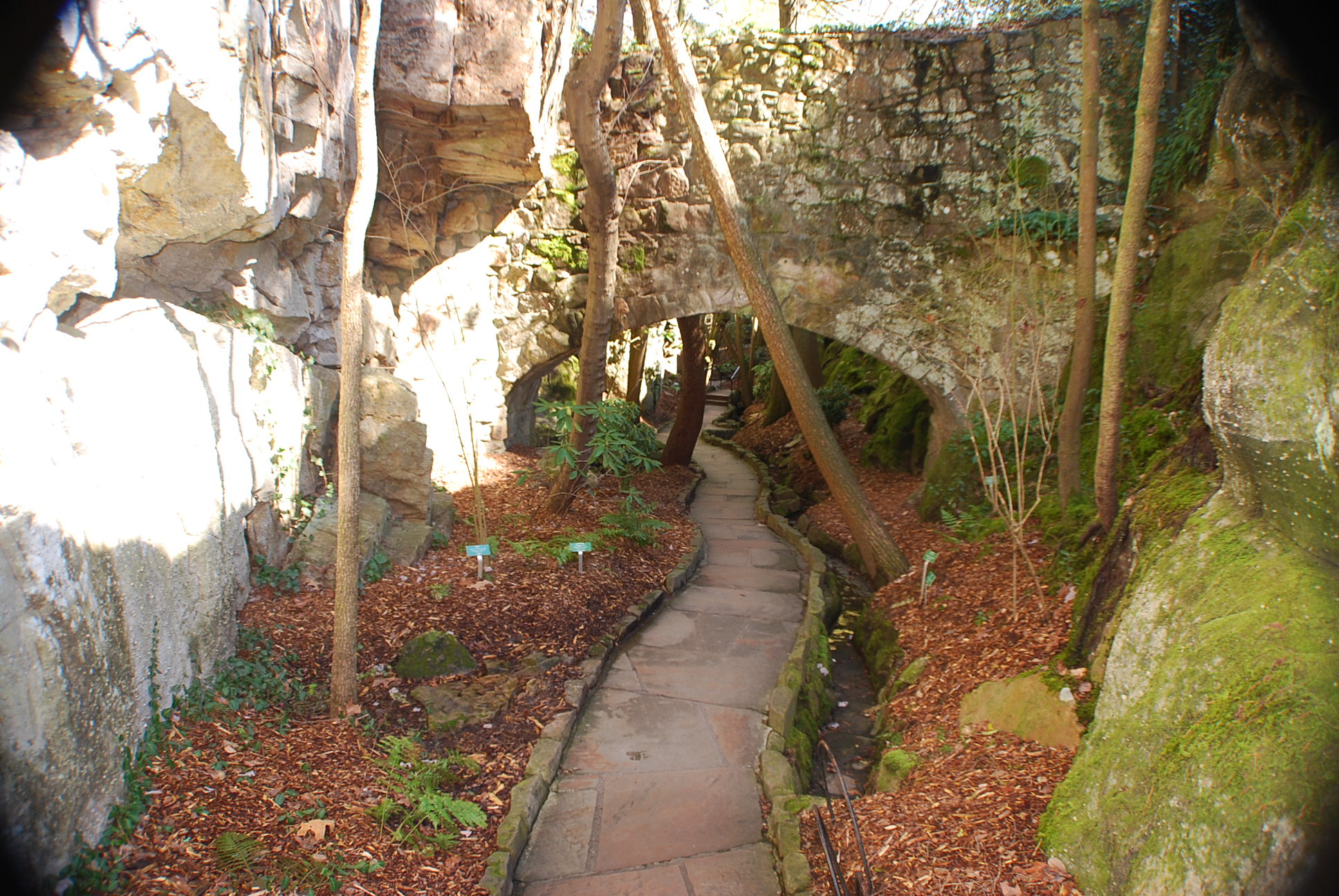
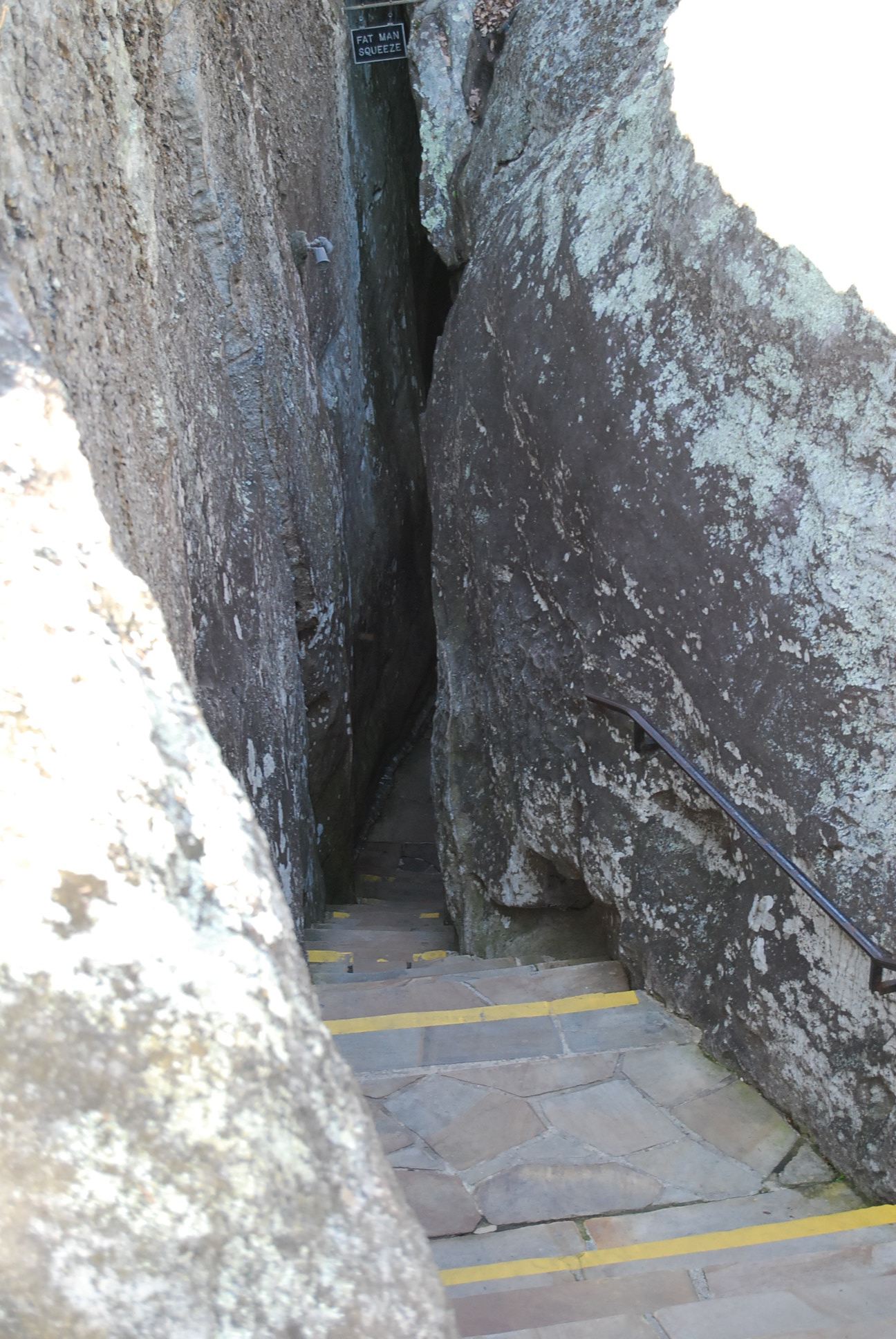
The whole park was just magical. I will highlight a few spots that I found to be beyond amazing. First, was the FAT MAN SQUEEZE—this is really nature’s work of art. The huge rocks on both sides of the path are so close such that if your waist is more than 12 inches in diameter —you won’t be able to go on. You will be squeezed out of the journey—-hence the name fat man squeeze.

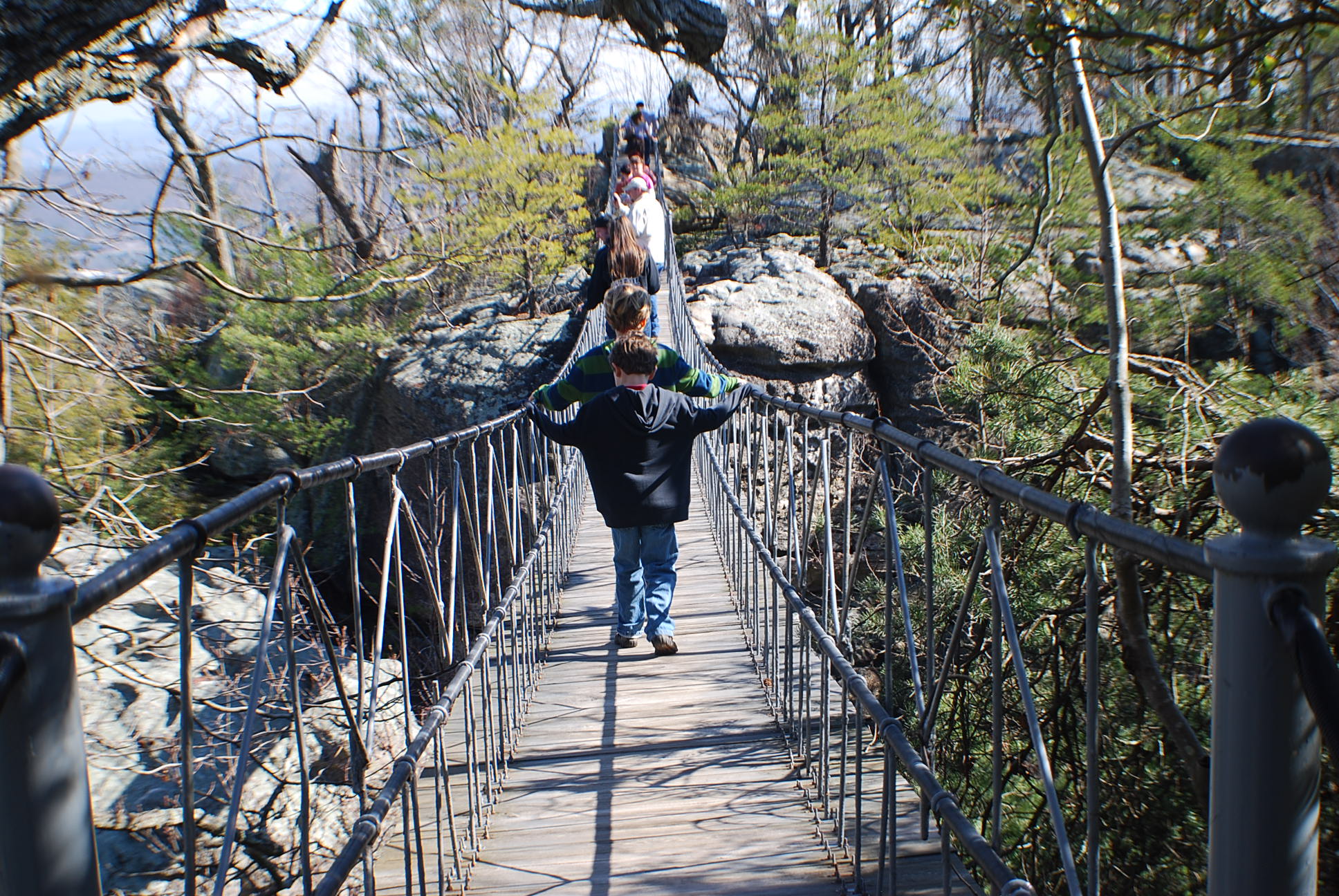
After the fat man squeeze, you come across a hanging bridge about 0.5 miles dangling on the sky. It is beyond beautiful. You could see (without aided eyes) the whole city of Chattanooga down below, providing you with an incredible view beyond any imagination.

Second, was the top flat on the edge of the cliff, from here you could see where the 7 southern states meet. From this vantage point, you could see the states of: Georgia, Tennessee, Alabama, South and North Carolina, Virginia and Kentucky. Just ridiculously amazing.
The waterfall was also spectacular. The water drops about 0.5 of mile down to a pond that is incredibly stunning. At this very point, the legend has it that “one American Indian young man was thrown to his death by members of a rival tribe just for the simple reason that he was in love with a girl of that tribe. The girl was overwhelmed with grief of losing her lover and decided to kill herself by jumping to her death at the same spot”.

To top it all, you end up in an underground wonderland tunnel filled with all the fairies. Here is where human imagination—meets—nature’s work of art.
President’s Day Week End: Chattanooga: Day 1.


This morning I left Atlanta for Chattanooga, Tennessee. It only take about 2 hours to drive there. The drive from Atlanta to Chattanooga is somewhat interesting—the mountains and road bends welcomes you into the heart of the city of Chattanooga down below. After arriving in Chattanooga, we picked up our groupon tickets for the Ruby Falls and the Rock City Garden.

We drove up the mountain to Ruby Fall and waited for our tour to start. Just around 10:15pm we got into the elevator and, started our decent 260 feet underground to start a geological magical journey to the falls. The half a mile walk (a one mile return journey) from the elevator station to the falls is filled will numerous geological formation including various shapes of stalactite and stalagmites.
Near the end of the underground journey, you will hear the thundering roar of the breathtaking Ruby Falls. It is an amazing journey and view and a must see if you find yourself in this part of the world.
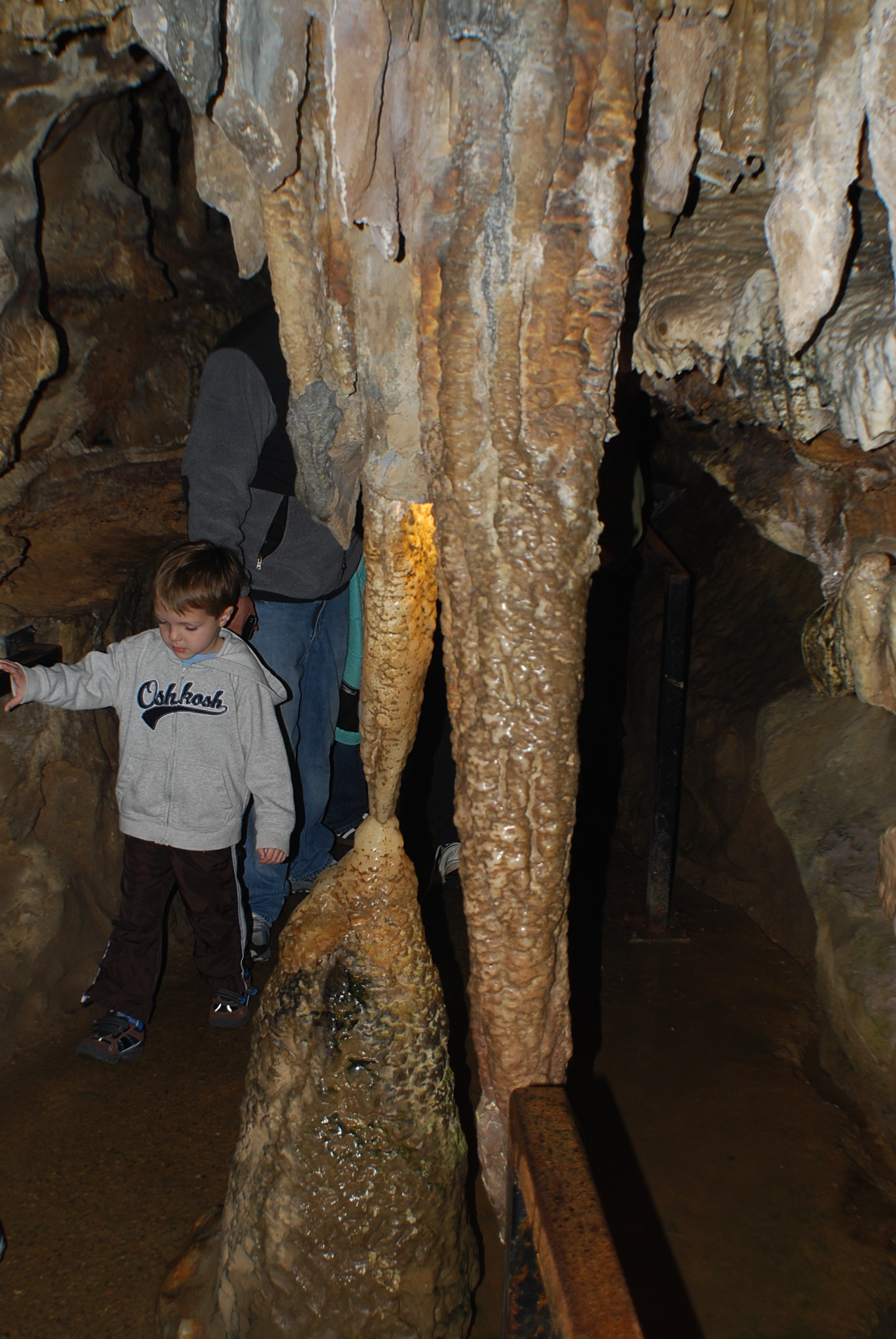
After visiting the beautiful Ruby Falls, we left to catch some lunch and continued on with our adventure to the Rocky city Garden. The details from the Rock City Garden adventure will be added tomorrow.

My First Dad Daughter Dance
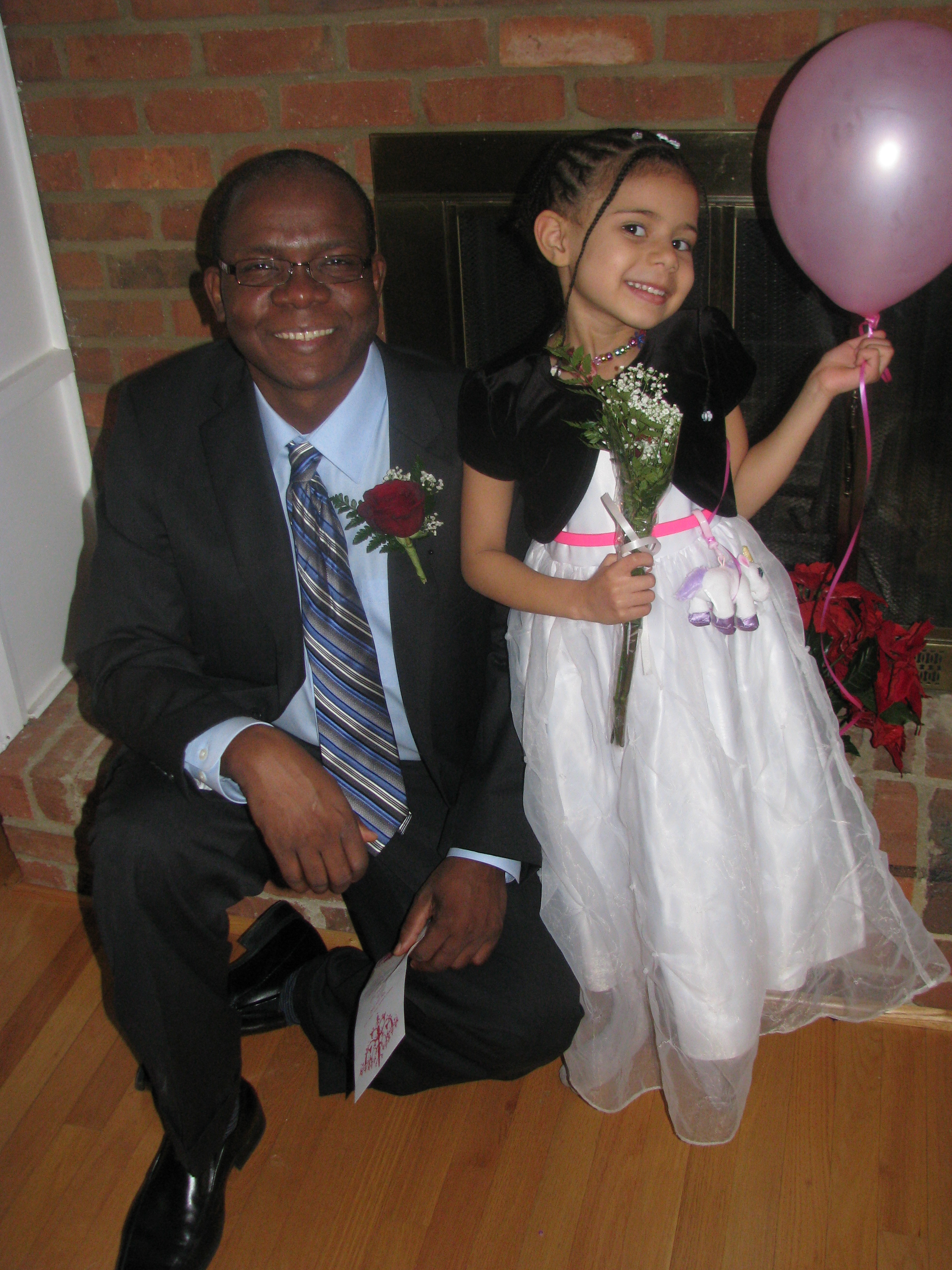
Mmmh what a day? I am kinda not ready for these things but what is a father to say when your daughter asks you to escort her for her first dance? I am sure a resounding yes would be the appropriate answer for all the loving fathers outhere.
Today was my daughter’s school DDD, which is a way to raise funds for extracurricula activities for the school. The place was parked with many fathers, some had one, some had two and a few had three daughters to dance with. It was really fun.

OMG!! The prizes, the music, the glomour and everything was just beautiful. I had a lot of fun I had never had in a while. Watching those kids’ moves was so hillarious.

Tanzania Form IV Results 2011: Abysmal Again.
Once again, it is that time of the year when the Form IV results from the Tanzania National Examination Council comes out. To be specific, the 2011 Form Results were officially announced yesterday. This is the time when I post the snippets of what has happened with the numbers. My prediction looking to the future last year was that, the pass rates percentages will remain largely low in the foreseeable future.
The major factors contributing to the low performance are many. I will list just a few: 1) The Ward school’s lack of well qualified staffs and resources and 2) The social promotion of those who failed Form II Examination is catching up with the ill-advised policy, 3) Lack of English proficiency for the language of instruction for both students and teachers, 4) Lack of content knowledge and pedagogical skills for the teachers (quality instructional practices).
Here is the breakdown (Tanzania Form Four, Pass Rates 2011a) of the number for the 2011 just announced results. Out of 459,324 students who registered to take the examination, 426,314 students took the exams and 53.37% of them passed it. There was a 2.63% uptick in pass rates for this year comparing to last year’s results of 50.74%. The 2011 results are still approximately 20% drop from the 2009 pass rate of 72.51%.
Just looking at the numbers on the attached Excel graph, there is no significant performance improvement graphically speaking. Failure rate stabilization is the correct term to use in this year’s characterization of the Form IV results.
The results provided by NECTA did not provide a meaningful disaggregation of the 53.37 pass rate for this year. Meaningful numbers of the 53.37% who passed the exams; how many got division Ones, twos, threes and fours? Those numbers would offer a better picture than the pass rate comparison that is currently used. Here is graphical representation of the(Kwiro Center Form IV Results 2011 ) in Mahenge-Ulanga, Morogoro.
Maybe the failure rates have hit the bottom, but I would not say that there was a performance improvement in exams results this year. The numbers will largely stay at this level for years to come until the four factors I mentioned earlier have been addressed.
Putting Kiswahili on the Atlanta Map of World Languages.

I will be teaching a 90 minutes Swahili lesson for beginners in Atlanta on July 11th, 2012 from 6:00 to 7:30 pm. Come join me and other international language LOVERS from across this lovely city of Atlanta. This lecture is part of the CASIE Atlanta Language Meet-Up. The Speakeasy is a monthly meeting showcasing a model language lesson taught entirely in the target language.
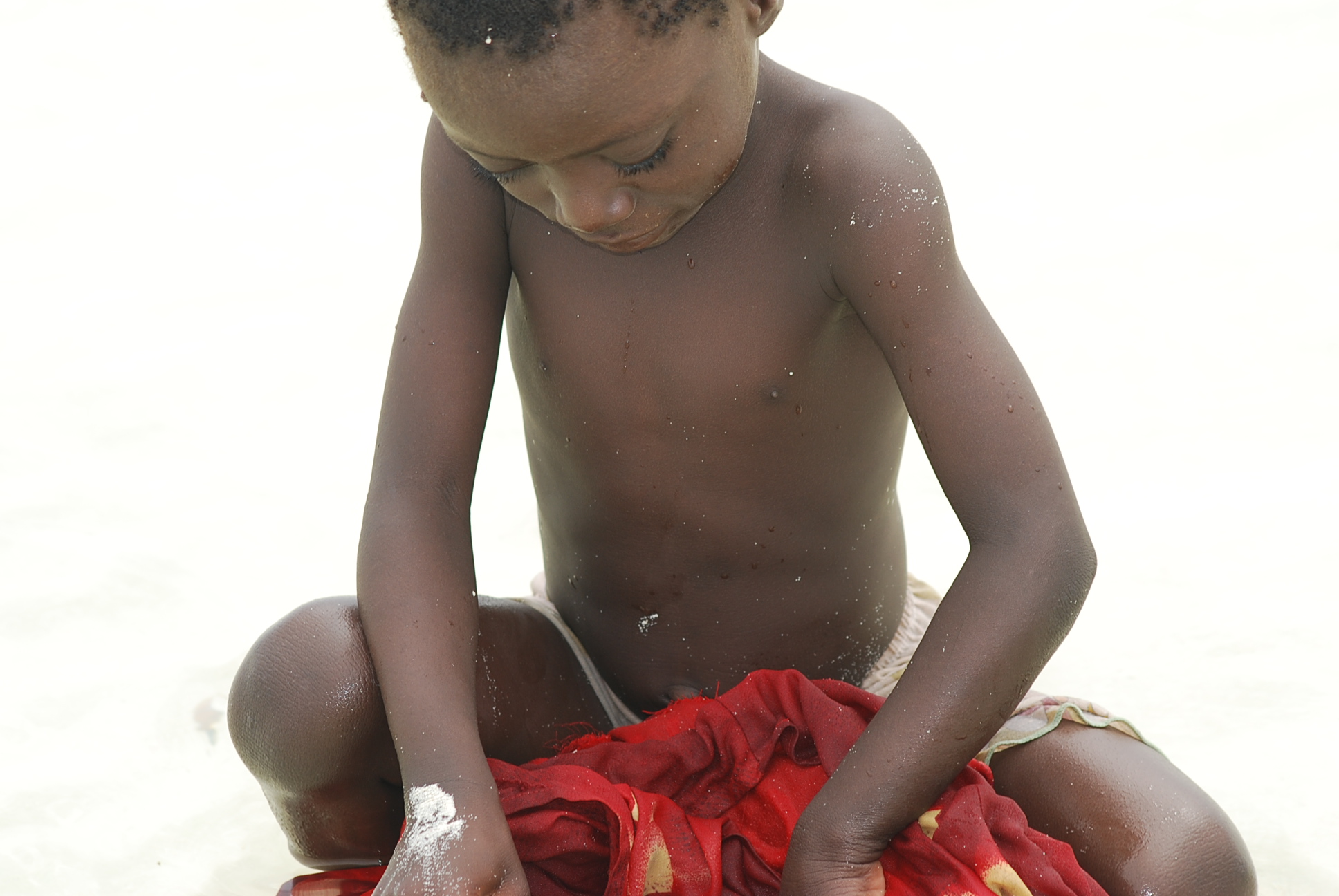
It scares me a little to be speaking and teaching Swahili for 90 minutes to a group of 23 people who have never heard a word of Swahili before other than Simba, Pumba, Rafiki and/or Hakuna Matata while watching the Lion King.
I know it is going to be a challenge. Engaging a huge number of grown-ups for that length of time and building interest in them to learn Swahili beyond the basic greetings is going to be hard to say the least. I do love the challenge though and I will make sure that my first impression will last long enough to make them want to come back and learn Swahili to conversational level of proficiency and beyond.
This is a quote from the CASIE Atlanta website: “There are many organizations who promote languages, but no organizations who offer face to face instruction with a focus on communicative approaches for learning language”. For this and other reasons, I feel it is very important for me to get involved in Atlanta to put Kiswahili language on the map. I know there are many African and other world languages that are spoken in Atlanta, but Swahili is left behind due to lack of promotion on our part and the fact that there was no a real platform before for that to happen.

Therefore, the Speak-Easy Meet-Ups are a great opportunity for Swahili to get the attention it deserves. There are many people who would love to learn Swahili, but the lack of organized classes for them to take and practice with a native speaker sometimes is getting on the way. I believe with this opportunity; we can change all that.
I need help to do this correctly though. If you know anyone who teaches Swahili to beginners let me know. I will be happy to have a phone conversation with them so that I will be better prepared to deliver a good session. Let’s Put Swahili in the ranks with other major international languages here in Atlanta.
DICOTA: “A Missed Opportunity”.
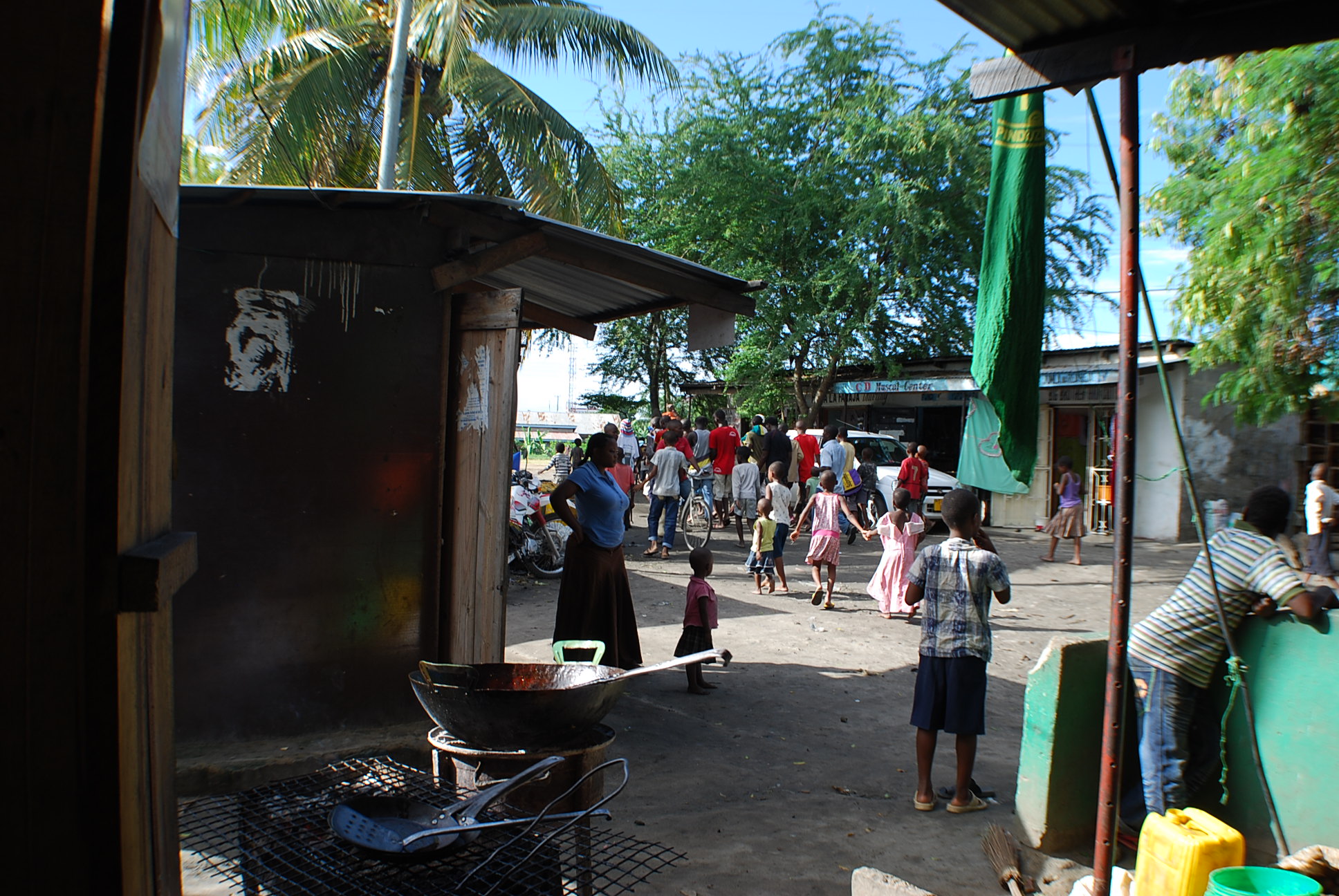
I have been having flashbacks lately regarding the DICOTA convention I attended in September, 2011. The fact that it was a missed opportunity for this organization to do a collective gesture to the common ills that we all know exists back home is still bothering me to date. The basic necessities like books for school children, desks, hospital beds and the like are lacking in all four corners of Tanzania. The conventions could even in a small scale be used to address these nuances.
DICOTA as an organization has several objectives and one of them is to promote the improvement of infrastructure in Tanzania. Thinking of just that, It would have been really nice to have at least a “Harambee” type of event during the allocated convention time where people (DICOTA Members) could be asked to donate money or goods that will be used to fill-those-gaps that we already know exists.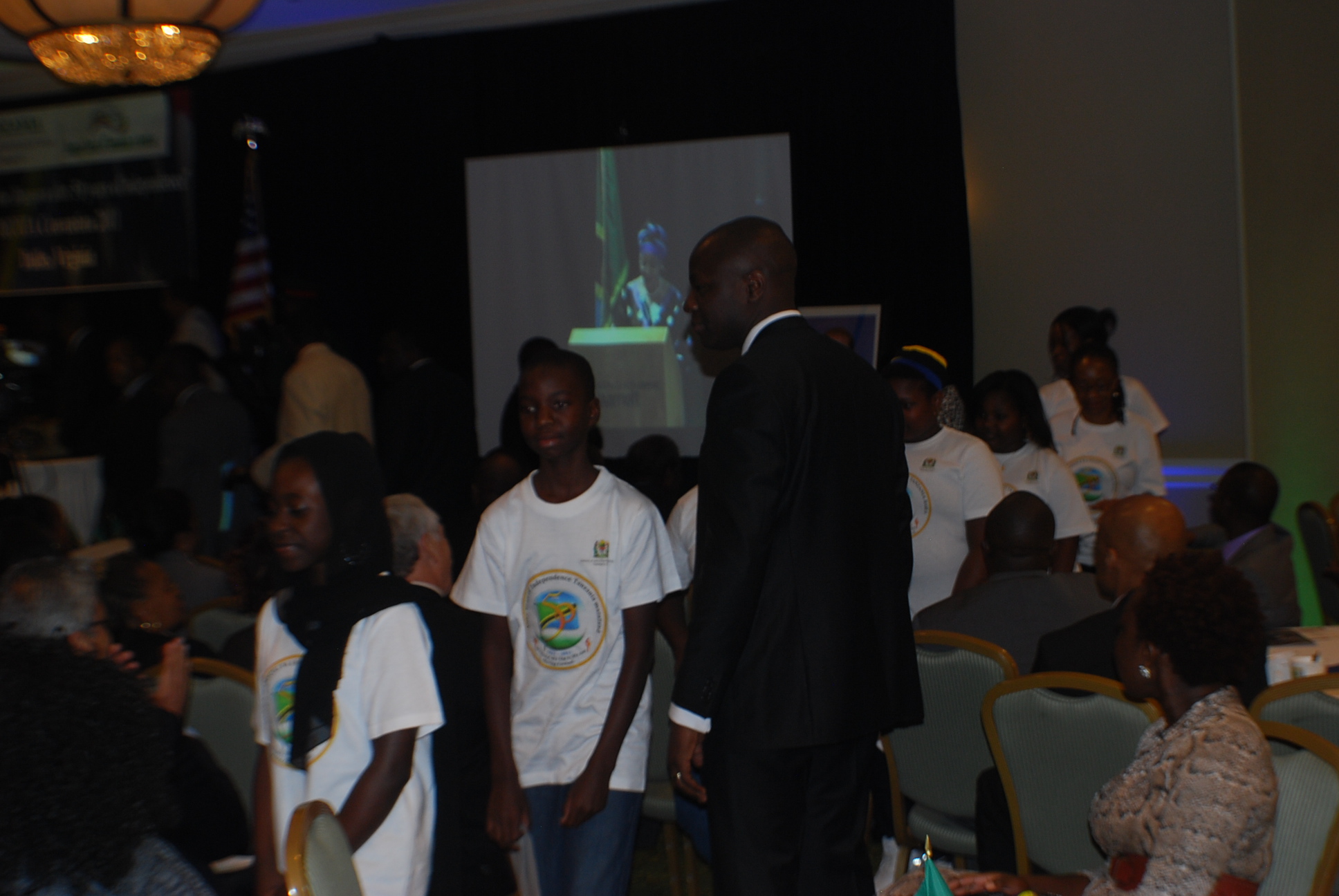
I am not putting any blame to the DICOTA leadership or anything like that, but when opportunities like 600 plus Tanzanian folks happening to be in one place for three or four days, it’s an opportunity that we need to harness. Let’s say all 600 delegates gave S50 each. What is 50 bucks? For most of the folks who attended the convention, it is just gas money these days. That alone would raise about $30,000. Imagine, how many mattresses Tshs 48,000,000 would buy for hospitals or maternity wards in Tanzania?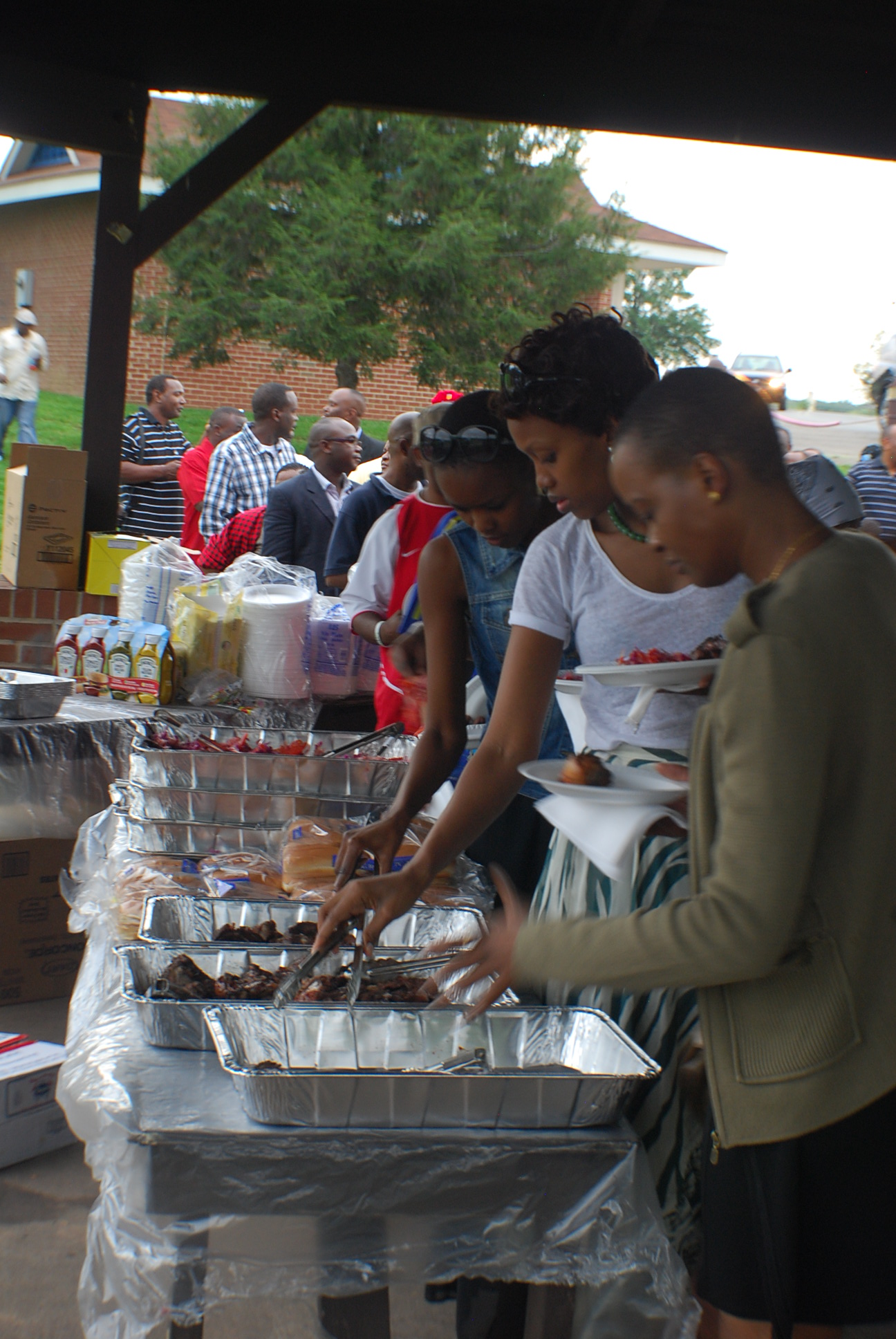
We could even go further and pay for our own lunches for the days we have the convention. The money allocated for lunches from the sponsors could be used to add value to our own harambee contibution. I’m not very sure how much those lunches cost at a Marriott hotel in Washington D.C.? I bet, its not less than 20-25 bucks each.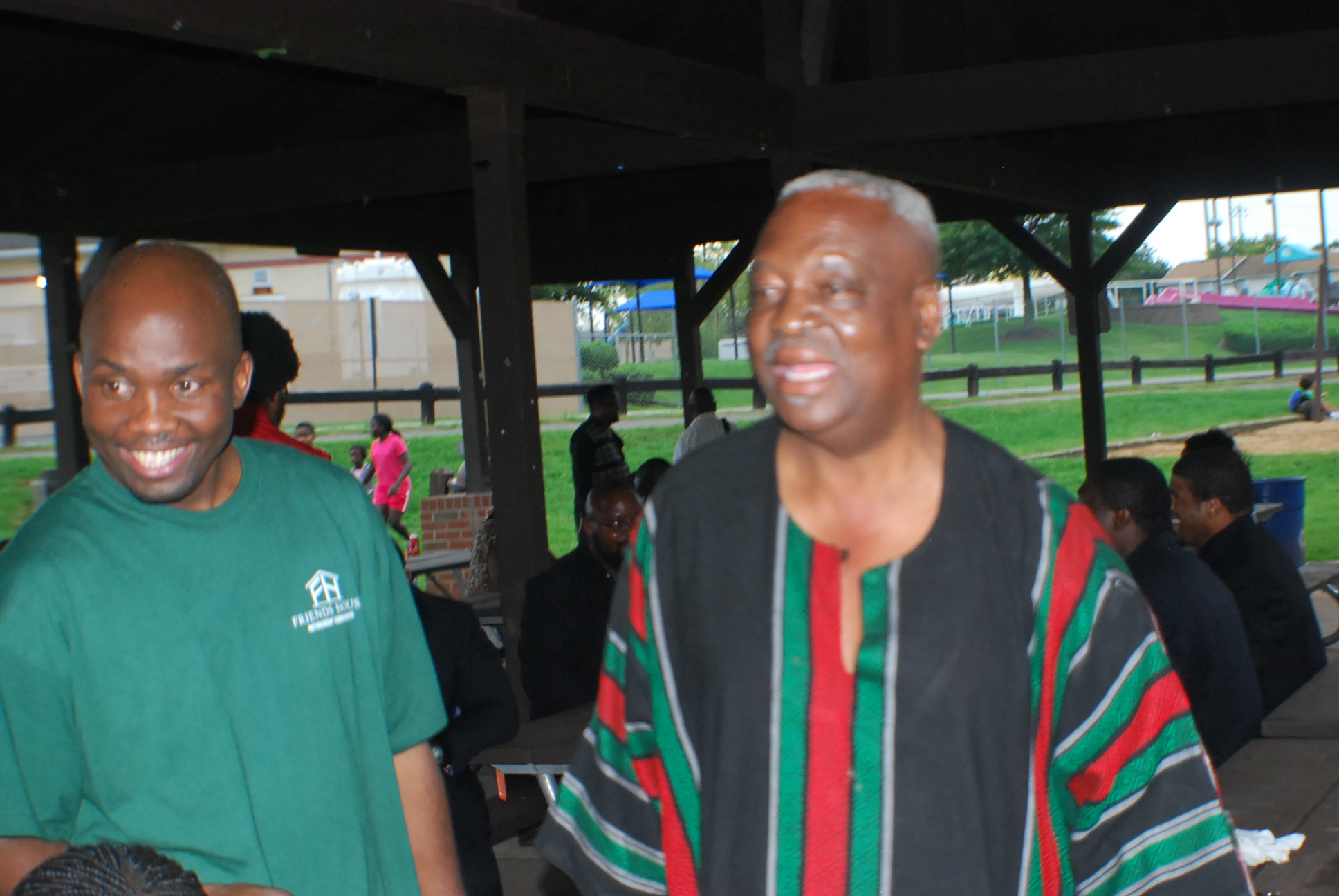
Therefore, for the sake of our image, if we have one and the fact that we care a lot about the lives of the people back in Tanzania—such kind of a gesture will help even our common goal for a Dual Citizenship. We may not be able to build roads and making uninterrupted supply of electricity possible to Tanzania, but we can do a better job that way than nothing at all.
These simple but helpful gestures to our fellow citizens—will go a long way in letting them know that we not just a bunch of people who are enjoying BATAS in the western world and at the same time we happen to want it GOOD in Tanzania as well.
Analyzing the Mv. Spice Islander Investigation Report in Light of Mv. Nyerere Ferry Sinking in Mwanza.
According to credible reports, “MV Spice Islander” had a maximum human loading capacity of 600 passengers. However, at the time of its sinking, it was carrying 2470 passengers. That is four times the maximum allowed. Further reports says, 941 passengers survived, 203 passengers lost their lives and 1326 passengers are still missing. I’m saddened by the magnitude of human loss.
The report further states, the cause of the accident was “severe levels of negligence.” Nine (9) people have been arraigned in connection to the accident. The dead and survivors of this accident will be compensated at a rate of Tshs 125,000 for 80 months which is equivalent to Tshs 10,000,000 per person.
The suggested figure is what I have issues with. I feel like the figures are too low and will not work as a deterrent for future man-made accidents. My understanding is that human life is priceless. To save it, stiffer penalties must be imposed as a deterrent.
My questions are:
- Why payments are based on the basic salary levels?
- What made the commission to assume that all these people were going to die in the next 6 years and a half (80 months)?
- Why not use established income earning potentials for each of the passengers and life expectancy figures to figure out the payment?
This was an opportunity to severely punish those involved so that it will be a lesson to them and for others currently benefiting from this kind of behavior. Don’t let this incident be another missed opportunity like MV Bukoba. This should be a wake up call to shipowners, bus owners, and everyone involved in the transportation business. They needs to understand that “if you cause an accident due to negligence” leading to a loss or loss of lives; severe consequences will follow. The “kazi ya mungu” excuse should not be be the norm.
Once a person purchase a ticket, it’s a contractual agreement between the two parties and that the latter will transport the former safely from point A to point B. These contracts need to be honored. Maybe in the future (“that means now”) the government could implement a system that forces bus, ship and any kind of transportation business owners to declare the insurance value of a passenger and luggage on the back of the ticket in case an accident happens.
My belief is that if the owners are subjected to stiff penalties whenever accidents happens and are starting to see that their profits are being eroded; they will make sure that accidents due to negligence will not be a daily occurrences in Tanzania. To make them change their minds and put safety measures before profit, you have to hit them where it matters most—profits.
In addition to a deterrence on the part of the ship, buses, and any-other type of transportation owners. Citizen awareness campaign regarding overcrowding in public transportation needs to be carried out. It seems people are not learning from these incidence. More campaigns on road safety and problems associated with overcrowding are severely needed.
I will end you with this, “the definition of insanity is doing the same thing over and over while expecting a different outcome.”
The Killing shall continue……..
Tanzania STD 7 Results 2011: The ups and the downs.
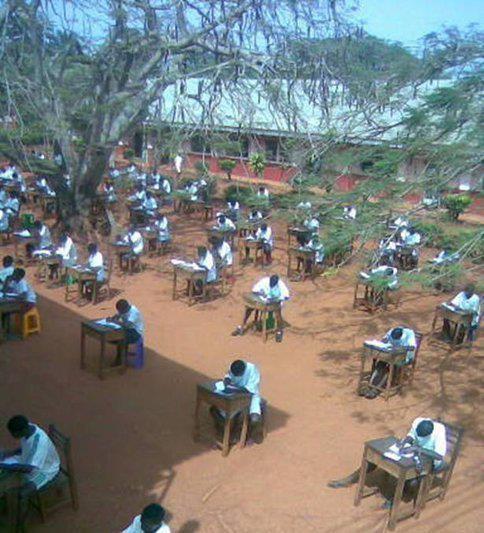
There is a Swahili saying that goes like “when elephants fight, it’s the grass that suffers”. This saying came to my mind today as I was reading articles and comments related to the release of the 2011 Standard Seven Examination results in Tanzania. A total of 983,545 students sat for Standard Seven Examination in 2011. It is true that some gains have been made on the pass rate of standard seven graduates from 2010 to 2011. There has been a 4.76% jump over the one year period from 53.52% in 2010 to 58.28% in 2011. That in itself is commendable.
On the flip-side, cheating incidents have increased 78.5 times over the same period. From 124 cancelled student’s results in 2010 to 9,736 cancelled student’s results in 2011. Student cheating during examination in the Tanzanian education system is not a new phenomenon. Leaking of examination papers goes way back since the time I was in primary school.
The question is “who is leaking exams at the Ministry, the regional, and the school levels?.” There is no need to be complacent. Leaked examination papers always shows up each year close to the testing period. It is a huge business and almost everyone in the education field in Tanzania knows this. At times, three to five exam papers maybe circulating all over the country. Do we also blame the pupils for that? I also find the mass punishment of the pupils and parents caught up in this mess is excessive. Adults need to be held accountable here and not children. However, I do agree with the suggestions to establish a “Form One” entrance exam to all incoming Form One students to assess their abilities in reading, writing, and mathematics.
Radio Tanzania: Reviving the Forgotten Archives.
I am just taking this opportunity to express my sincere gratitude to all those involved in the project to digitize radio Tanzania music archives. This is a great opportunity for all Tanzanians living or studying in the Diasporas and those back home to show support to this project by donating money so that the project will get the funding it needs to go into the next stage. Because of Kickstarter guidelines, if the organizers don’t raise the full $13,000 in the next TWENTY days, they don’t get a dime (about $7188 has been raised up to this moment; therefore only $7812 is needed for the project to be fully funded).
To pledge your support/donation go here.
I am afraid that, the next stage will not be reached if $13,000 isn’t going to be raised in the next 20 days. That’s the reason I ask each and every-one of you to show a hand of support for the project. Wouldn’t it be nice to just go to a website and download those old school Tanzania songs into our I-pads, IPods and computers? Just think about that. That possibility is within reach with your support for this project.
I don’t know about you? I have fond memories of radio Tanzania Dar Es Salaam growing up. I remember those old days when I was in primary school, secondary school and even college. I could remember hearing those old songs blasted on the “277 or mkulima radios” as I left school for lunch breaks-Mchana Mwema. I could hear songs like “Ni Kinda langu ni Lenye Rangi ya Chungwa”, Kifo, Unapenda Dezo Dezo and Asha by Tabora Jazz and many beautiful songs from various Tanzanian bands. I even remember programs like MaMa na Mwana, Club Raha Leo Show, and many more.
We can’t let all that good music and programs disappear.
You can visit the organizers website here, their Facebook page here and Twitter page here. The organizers depend on people to spread the word and share this project with their networks! Even if you can’t donate now, telling a few friends would really help this cause and/or project.
Let’s join hands to preserve and protect our history together.
Help To Digitize Radio Tanzania Music Archives
Dear friends,
Have you ever heard music so beautiful and so alive that you just had to get up and dance? Two years ago, I was lucky enough to stumble upon the Radio Tanzania Dar-es-Salaam archives and found a priceless collection of East African music forgotten by the world for decades. More than 100,000 hours of unique music are sitting on reel-to-reel tapes in danger of being lost forever. For the past few months I’ve been fundraising on the crowd funding platform Kick starter. Now I have a month left, and still about $10,000 I need to raise to make the project a reality!
Here is a quick summary of what I want to do: I want to revive these archives by digitizing them, making them available for online downloads, producing a “Best of Radio Tanzania” CD, and tracking down the musicians whose music is stored in the archives to interview and record them performing. As you know, I’ve lived in Tanzania twice, for a summer in 2007, and for six months in 2009 – 2010, so I know some Kiswahili and I have lots of contacts in Tanzania. I’ve made arrangements with the Tanzania Broadcasting Corporation to set up a workshop to train Tanzanians to help digitize the archives and permanently preserve them for posterity’s sake.
In order to accomplish this project, I am turning to friends, family, and music-lovers around the world. Like I said, I’ve created a Kick starter campaign. To support the Radio Tanzania project, all you have to do is make a secure donation via the Kick starter website. To sweeten the deal, I’m offering a bunch of awesome rewards for people who pitch in. For example, if you make a $25 pledge, you’ll get you a Radio Tanzania mix CD with 21 of the best songs from the archives! For $100, you can get a Radio Tanzania t-shirt, the mixed CD, digital downloads, and more. Here’s the link to the Kickstarter page!
We also have a website (www.tanzaniaheritageproject.org), a Facebook page (www.facebook.com/radiotanzania), and a Twitter feed (www.twitter.com/radiotanzania). Because of Kickstarter guidelines, if we don’t raise the full $13,000 in the next ONE month, we don’t get a dime. We’re depending on people to spread the word and share this project with their networks! Even if you can’t donate now, telling a few friends would really help our cause.
Thank you so much for your time in reading this letter. If you have any questions or comments, please don’t hesitate to reach out to me. I hope you all are well and I wish you all good things for 2012! Also, I’ll be in Tanzania for six weeks getting this project off the ground starting on Monday. If you email me your mailing address, I’ll send you a postcard (writing real letters is my New Year’s resolution). 
Asante sana (thank you very much),
Rebecca Radio Tanzania
– Rebecca Elizabeth Yeong Ae Corey Skype: rebecca.e.corey
You can visit Rebecca’s Blog here.
Source: Life-In-Dar Blog
What Made 2011 Special for Me?
This was an incredible year. I finally had the opportunity to visit Soweto. It was an incredible moment for me to see the houses of both my favorite South African leaders, Desmond Tutu and Nelson Mandela. 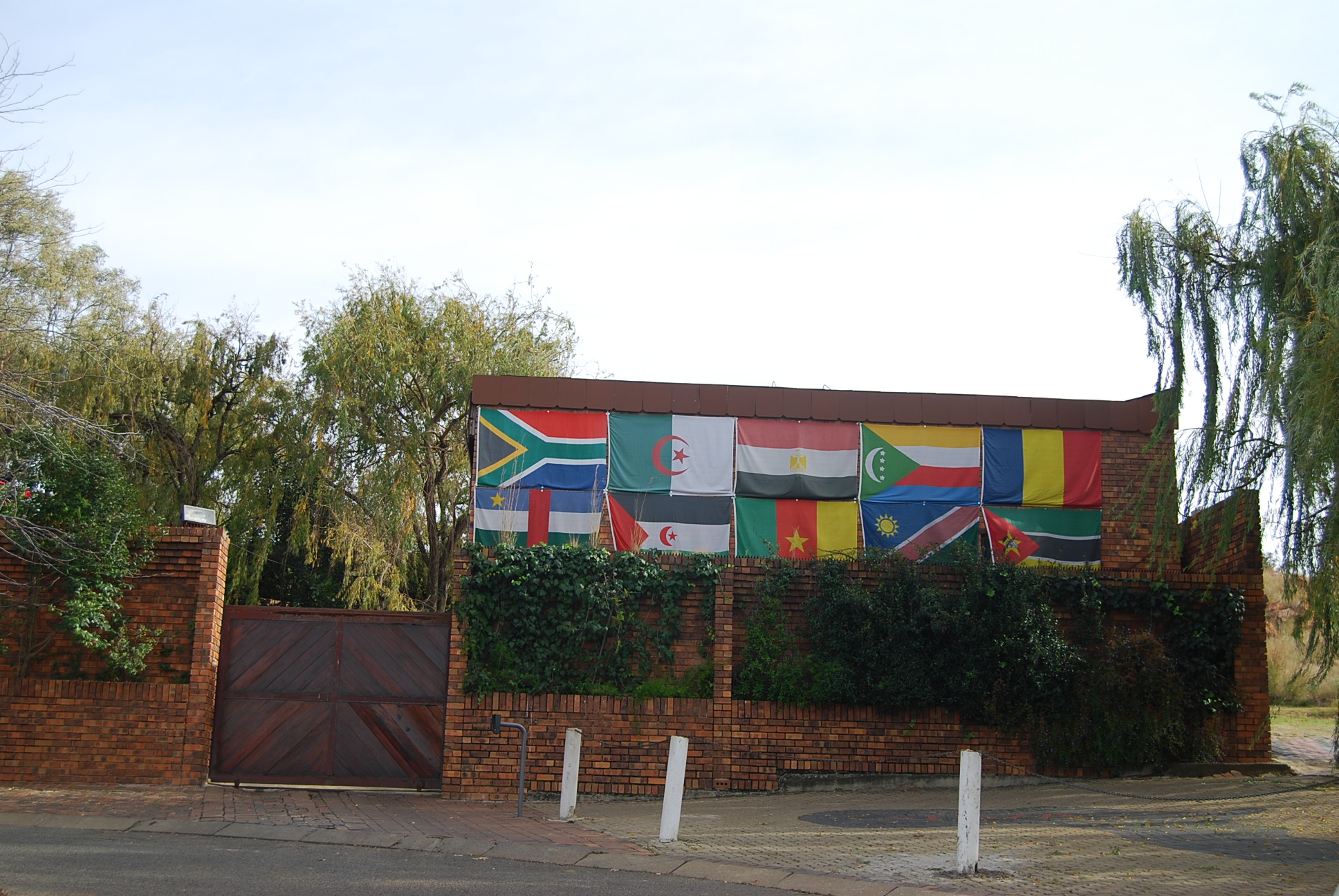
I also had the opportunity to work with my co-workers to organize an event to raise funds for the Mutombo Dikembe Foundation. I have always thought that I was of a decent height, until Dikembe Mutombo towered over me at the event. The whole experience resulted into a sore neck at the end. Is this how short people feel standing next to me?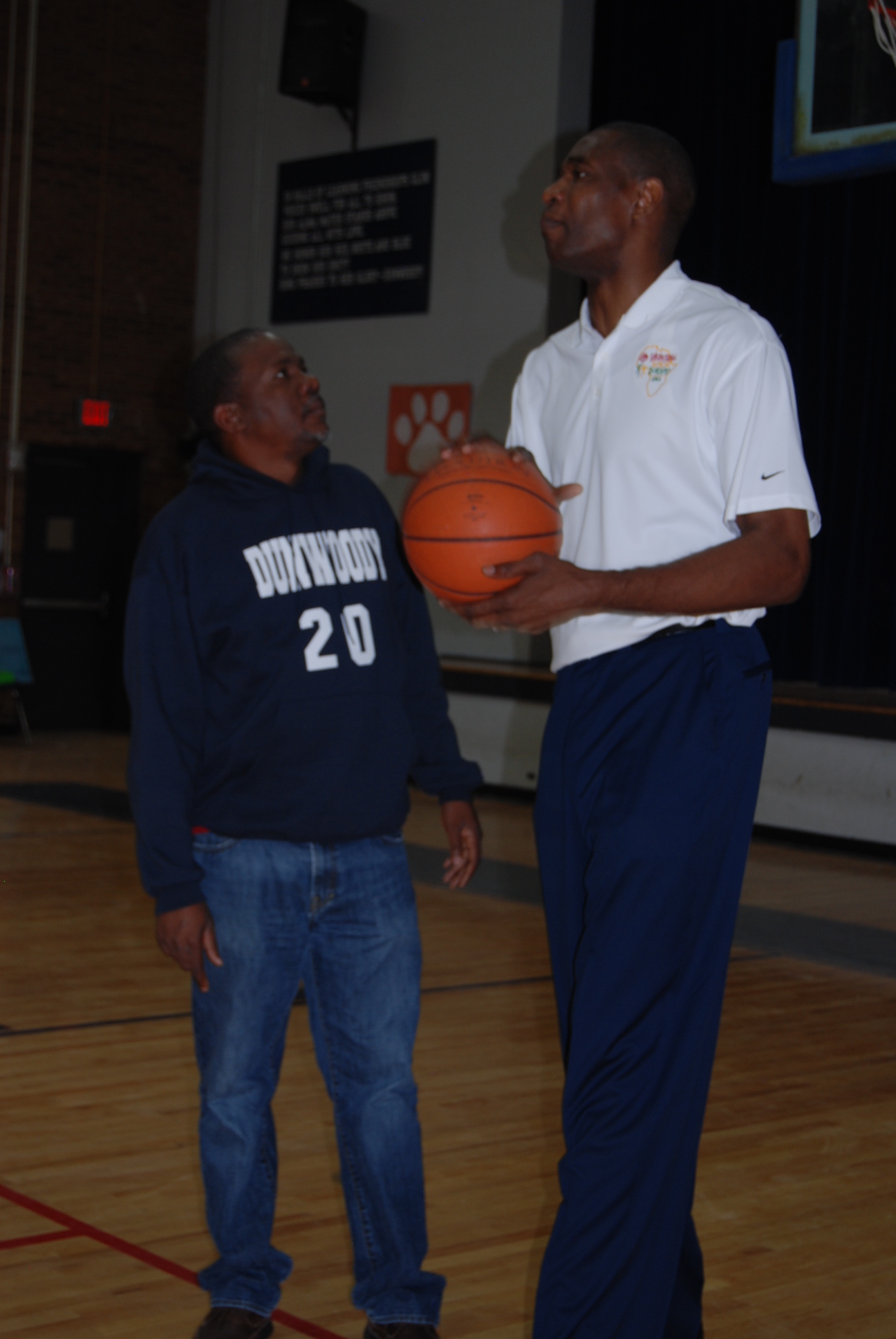
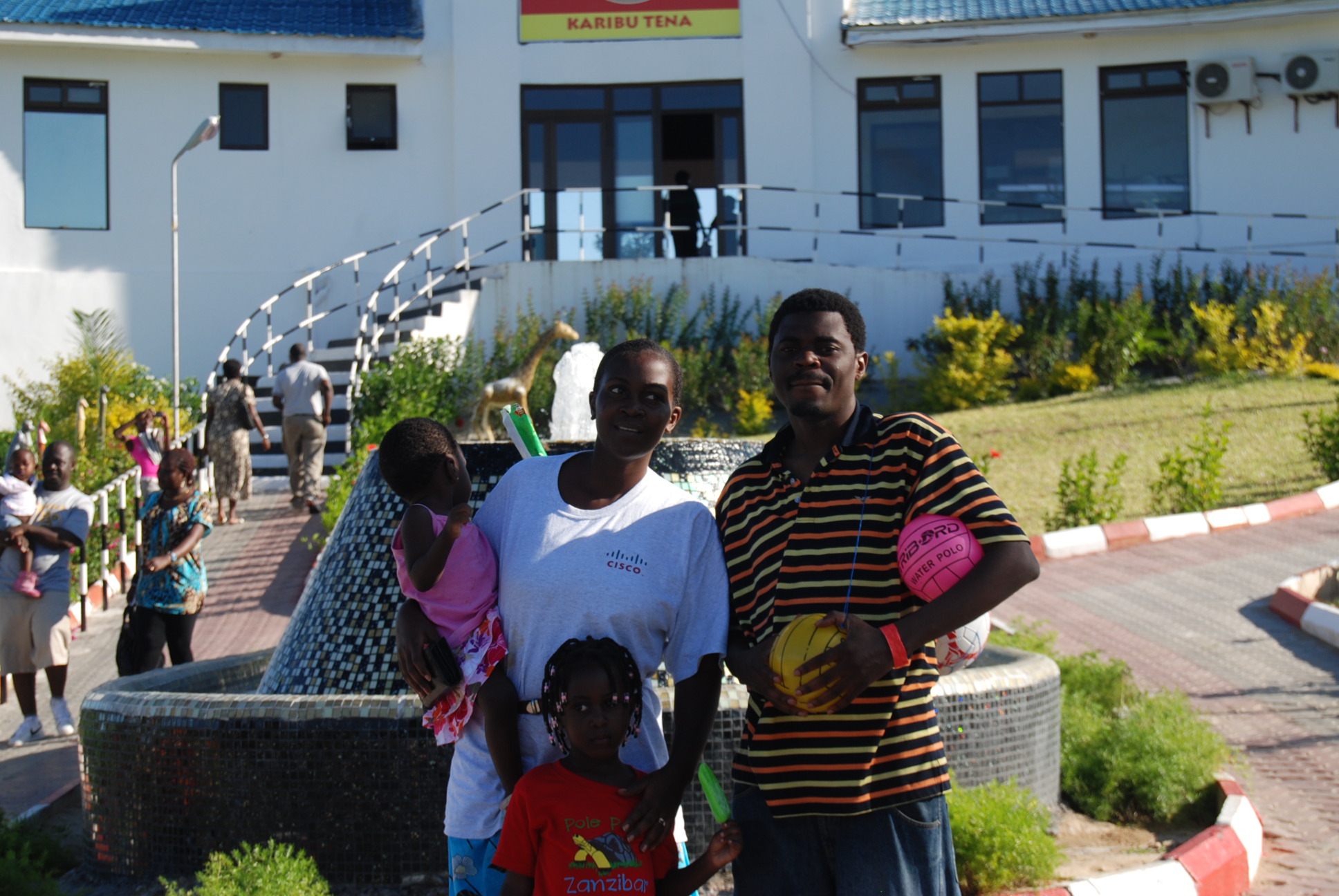
I just had to take this photo. The girls were such a beauty along the side of the beach in Nungwi Village, Zanzibar. Aren’t they cute?

This is the view over a window at the Zanzibar Museum in Stone Town, Zanzibar. It was too beautiful. I had to grab my camera and shoot this amazing scenary.
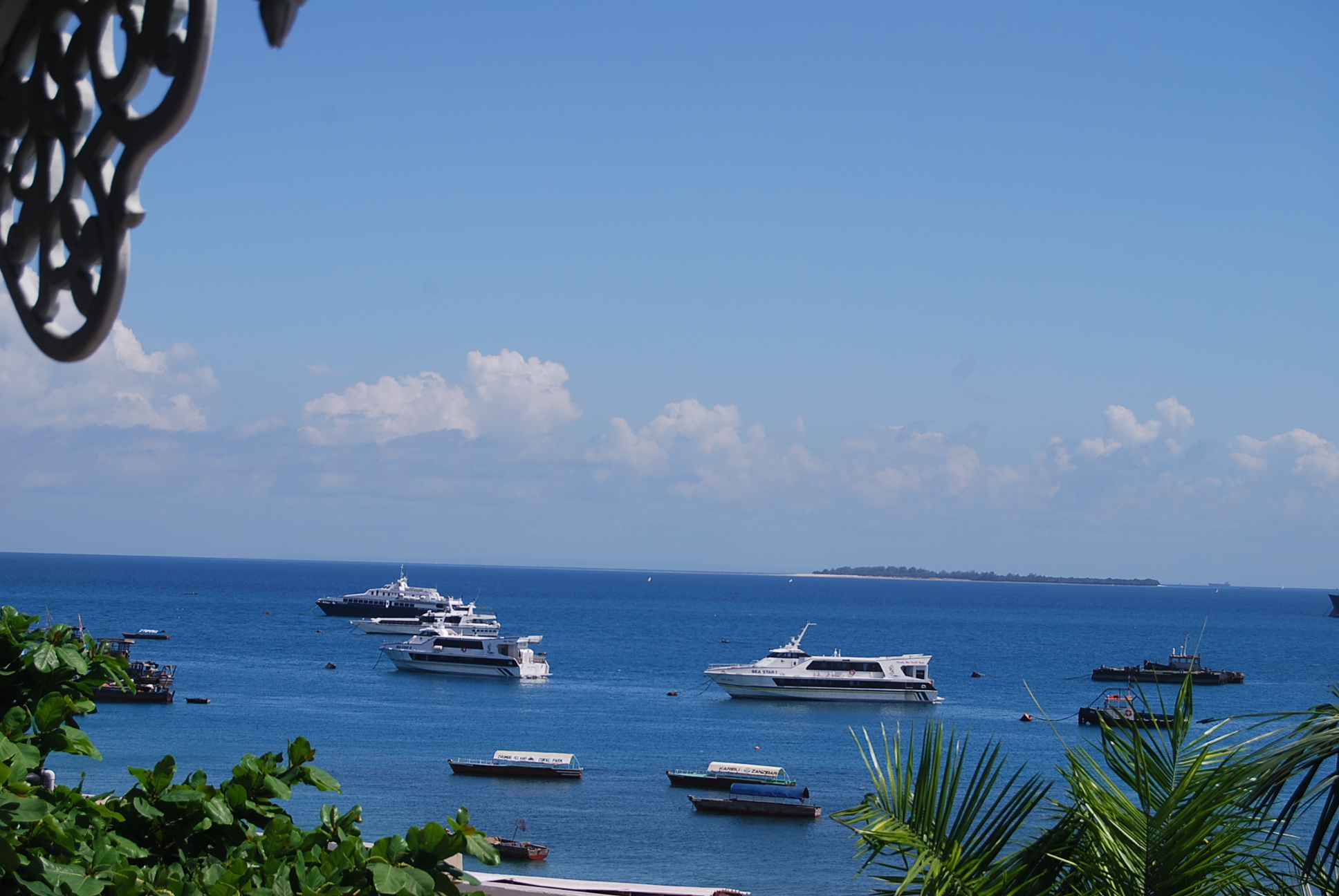

I had an amazing walk in those sweaty and humid narrow streets in Mji Mkongwe (Stone Town), Zanzibar. The shops are everywhere and the shop keepers are eager for you to unzip your wallet. 
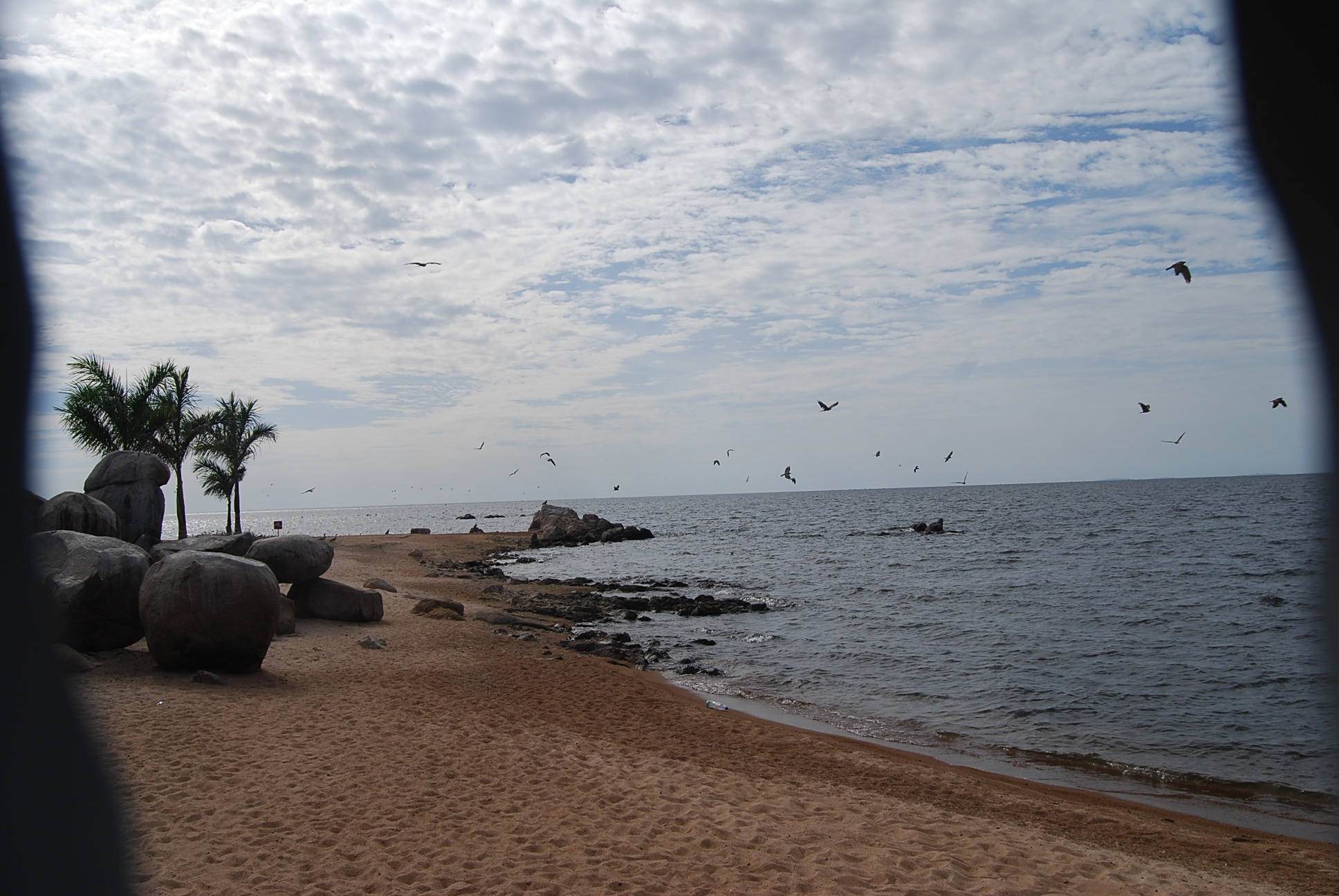
I took the three shots below in the Rock City (Mwanza), Tanzania. I fell in love with Mwanza. The temperature was just right and the price was also right. The city was very gentle to my wallet. I will be here again in the near future.

I just could not resist remembering this small restaurant just on the outside of the main bus stop in Shinyanga. The menu tells it all. I had to test the “LOST KUKU” and amazingly it was really good for the price. I will indeed eat there next time. Hopefully, I will find myself in this party of the country soon.

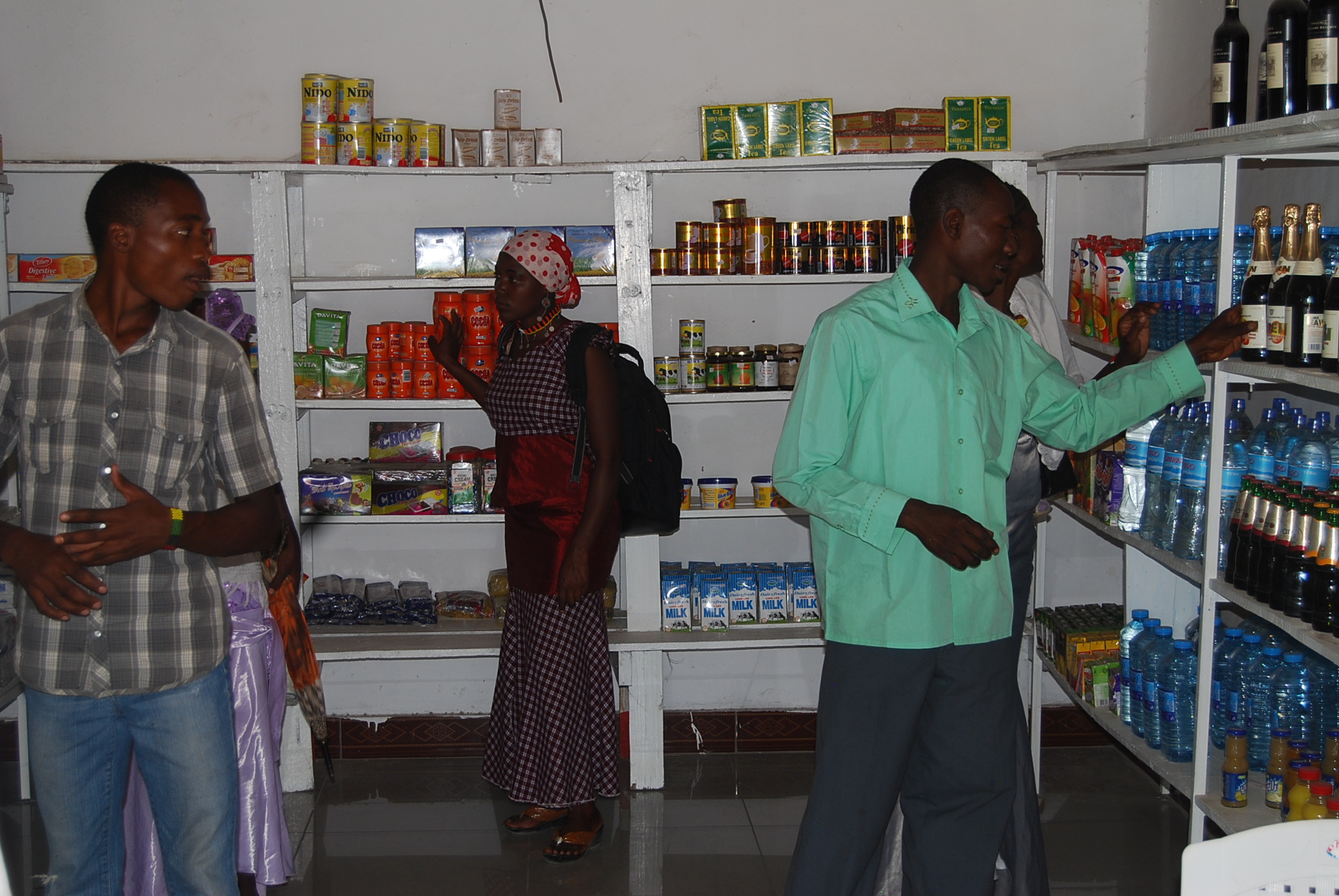
These three shots were taken in Meatu, Shinyanga, Tanzania. This is the only superstore in Town. Despite the lack of necessities in Meatu, I met the friendliest people on earth.
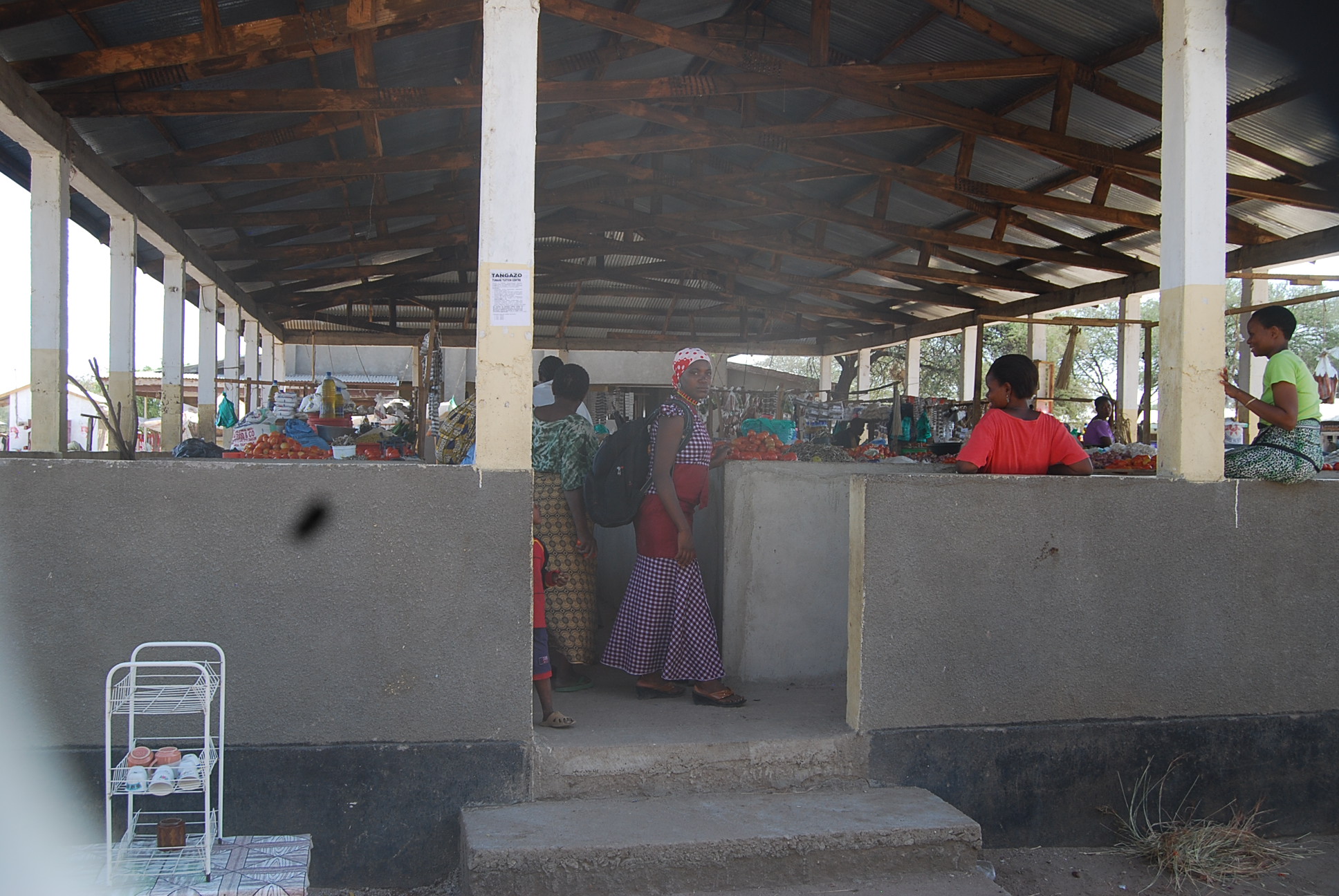
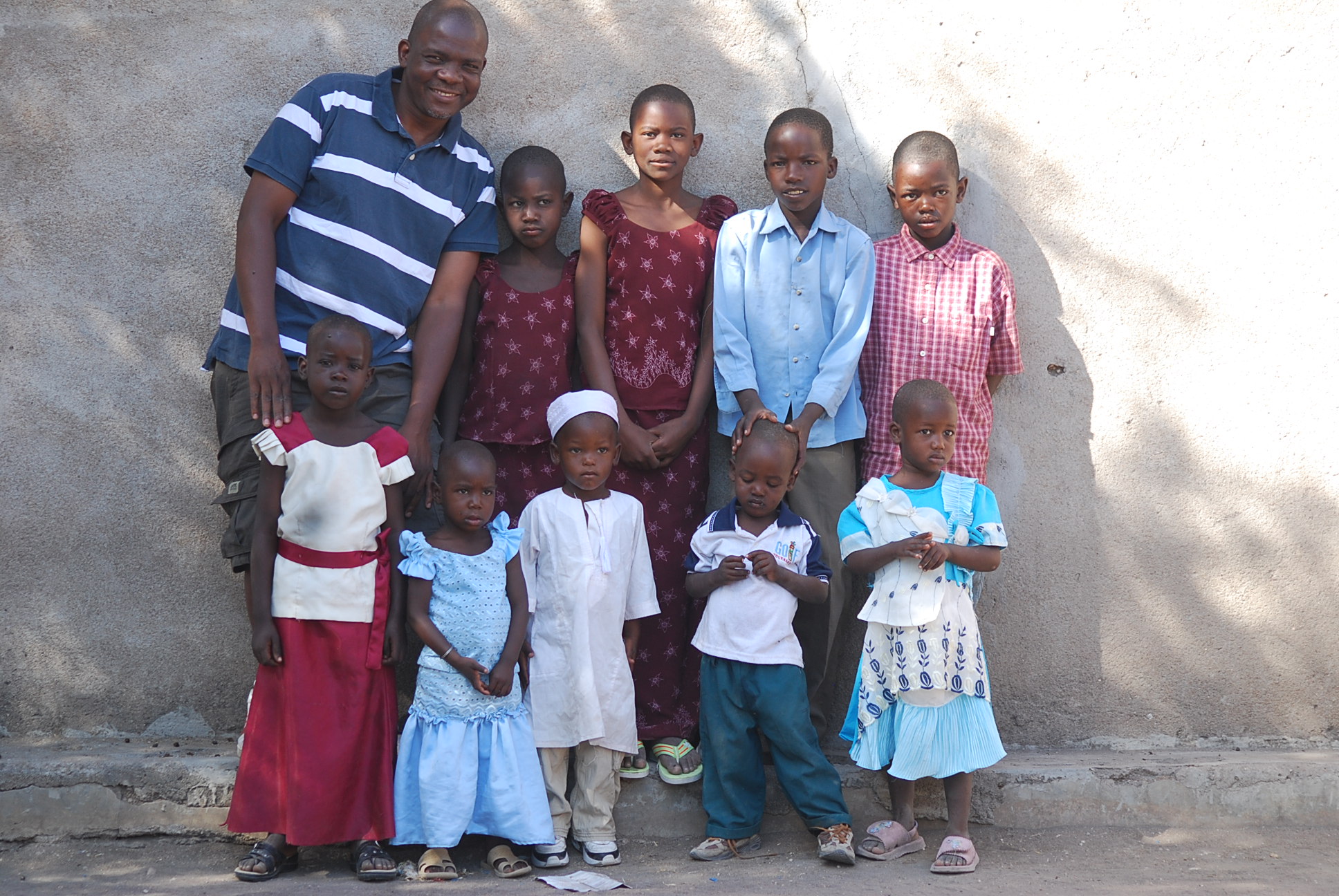
Kibogoji, what else can I say about it. This is the village that I humbly borrowed the name for my blog. The village is located somewhere between madongo poromoka in Morogoro, Tanzania.
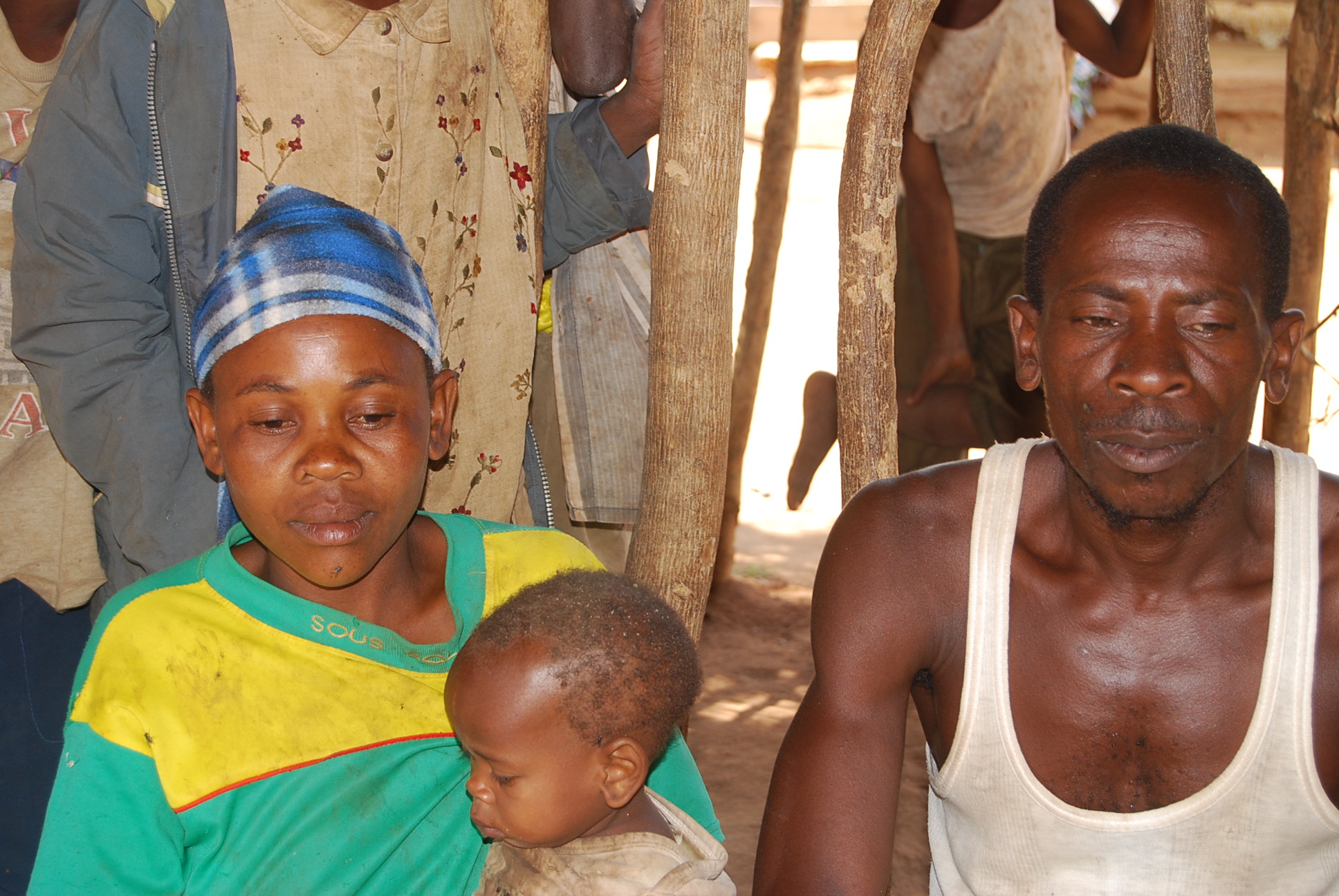


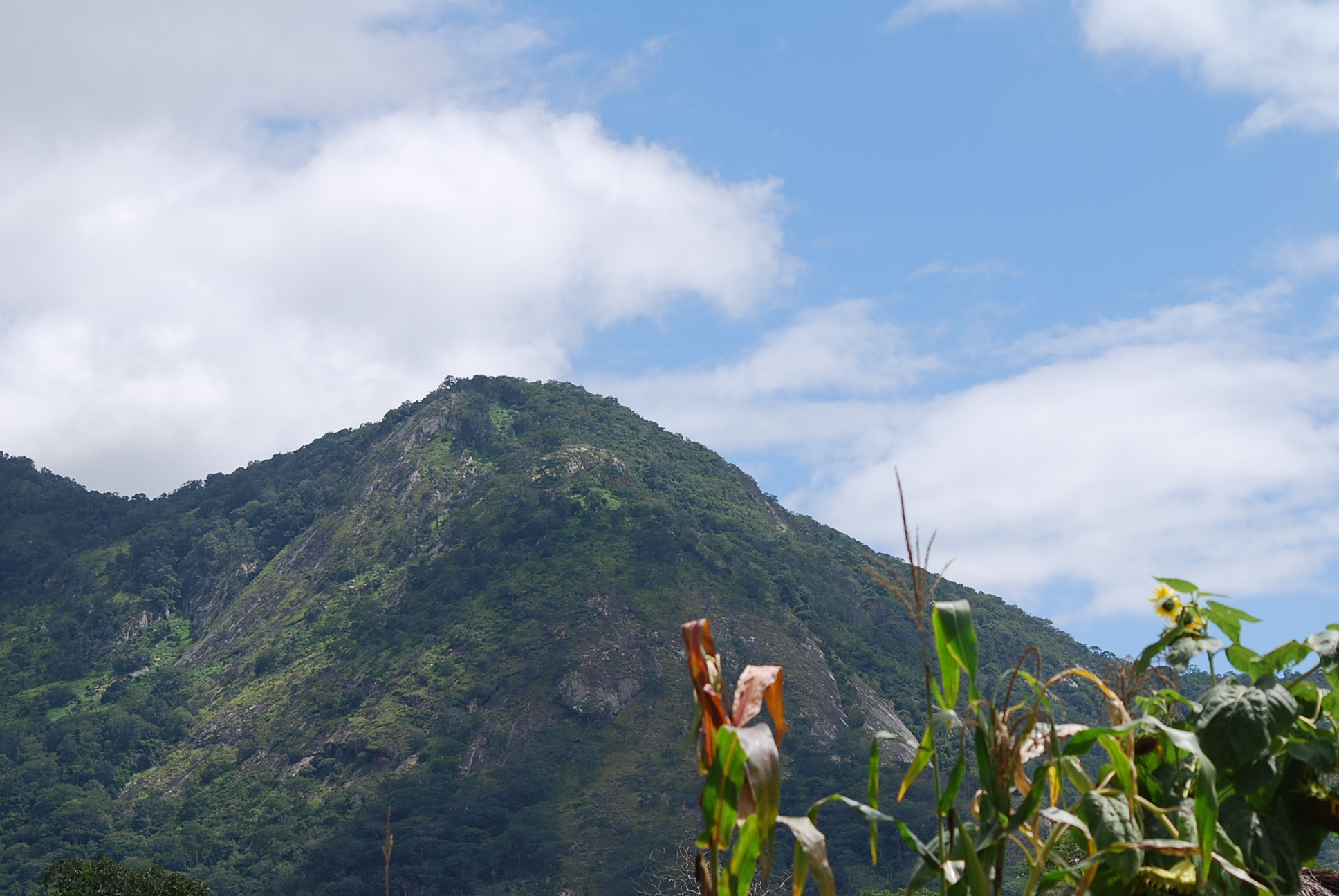
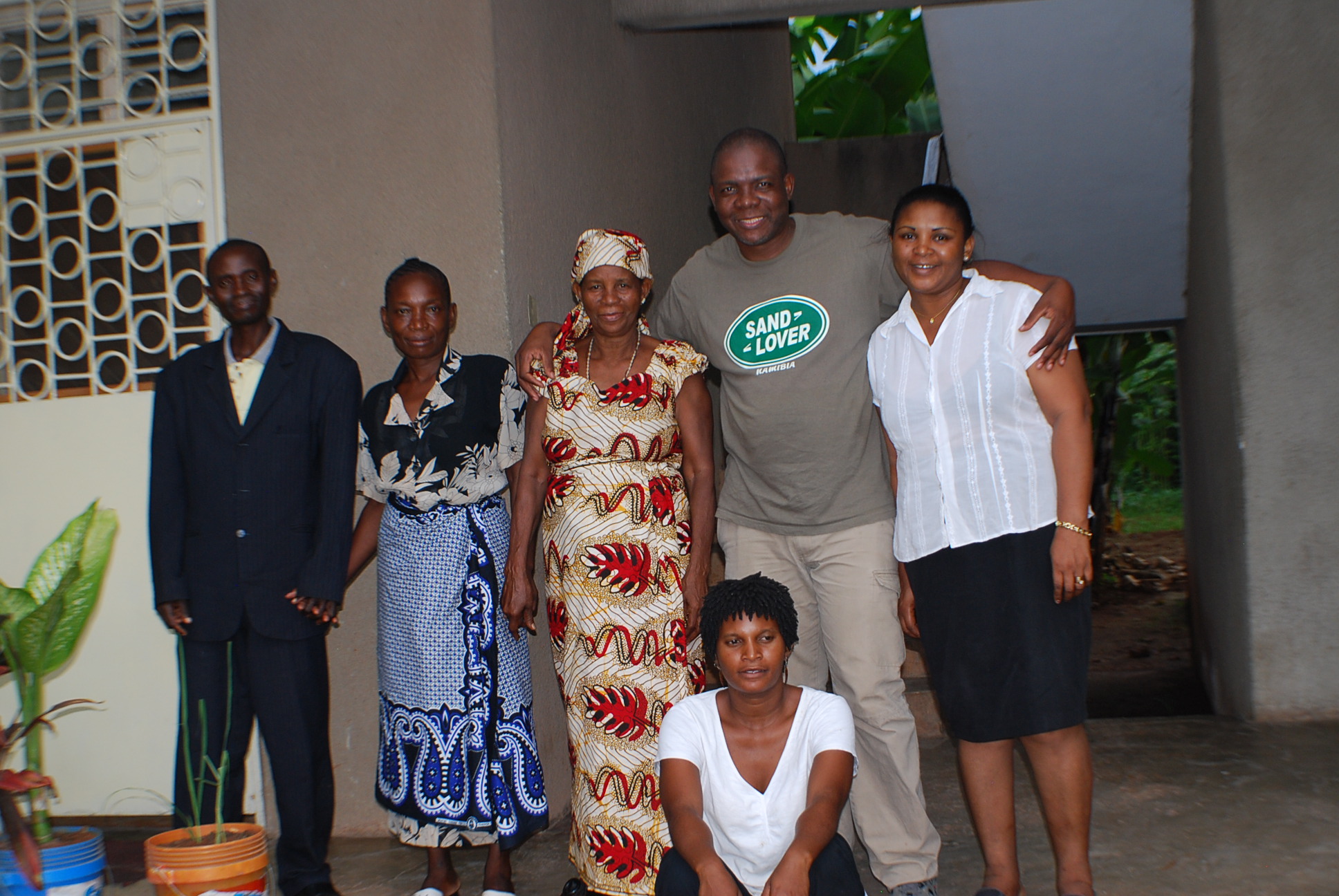
The three shots above shows some of the residents of Kibogoji. The next two pics below shows the mountains surrounding the village of Kibogoji.

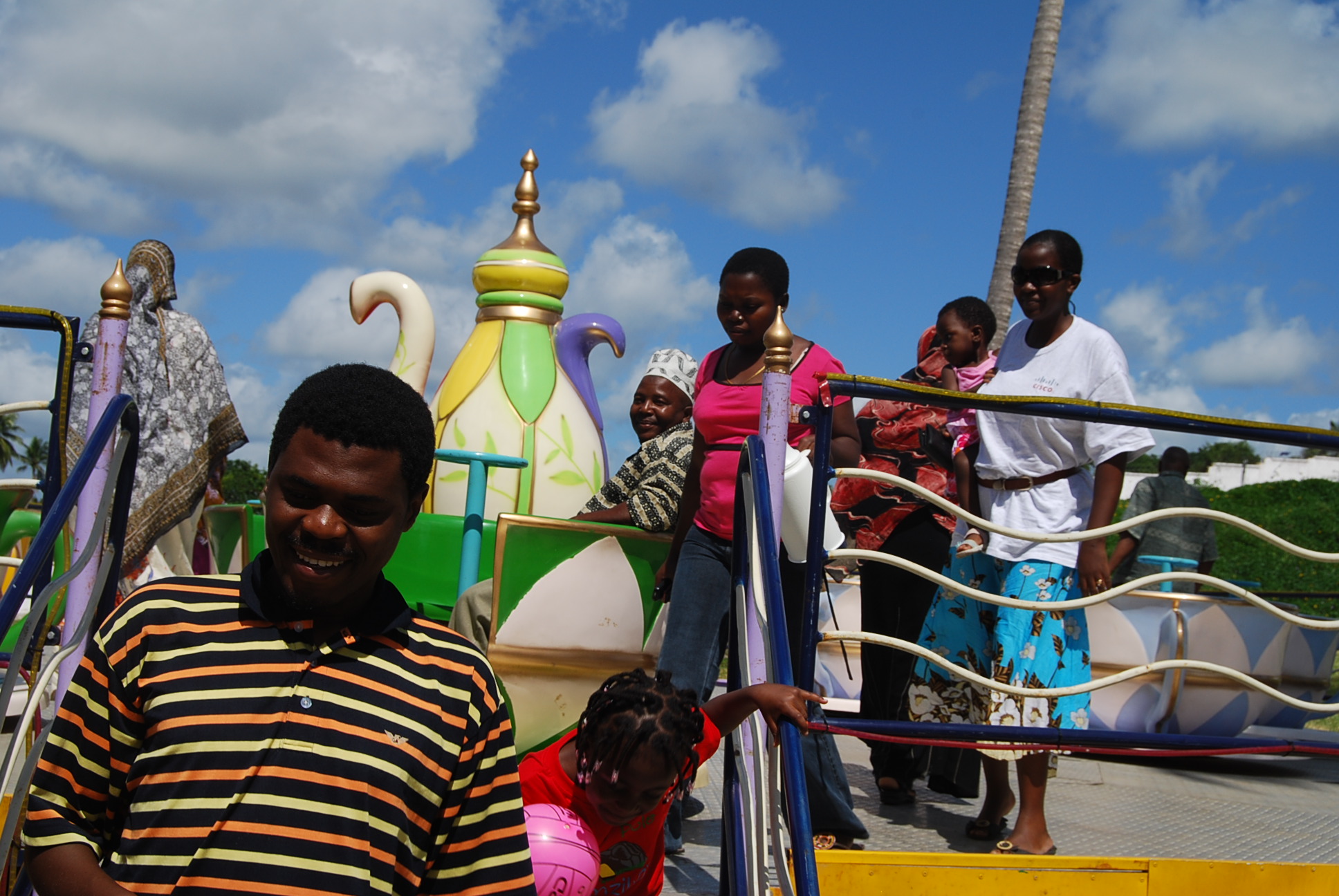
Back in Dar Es Salaam. It was such a joy to meet and take photos of the people I love and remember as the year comes to an end. Merry Xmass, hear!!.
Enough with Tanzania and now back to reality-my reality that is.



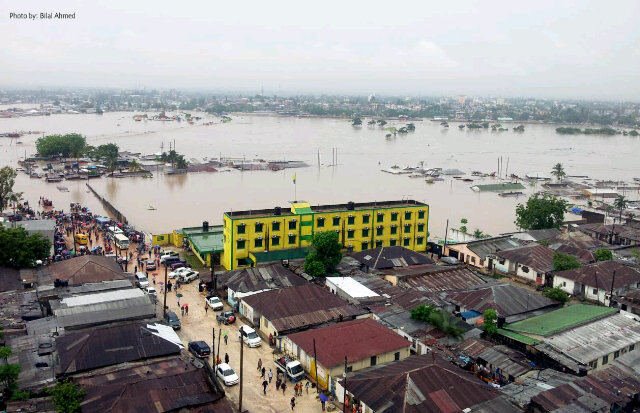
This woman wanted to take a picture of me at the DICOTA convention in Washington D.C. and I was like ooh no babe! I have to take yours as well. I have no idea who she was, but her image is still fresh in my memory.






Michango in the Diaspora Context.
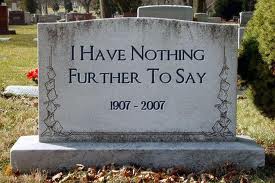
I am now starting to feel slightly disconnected from my own culture. Living in this country for some years and in isolation from the Tanzanian and other African communities make you unaware of a lot of the “things” African. Things like wedding contributions, death michangos, and many “things” of that nature.
The other day, I was invited to go to a msiba, if invited is the right word in this kind of a situation. I had a hard time figuring out what should I bring. The first thing that came to my mind was buying a card. But, being born and raised in Africa, I started to question myself maybe a card without money will not suffice. Then I started to think “Should I bring money? food? drinks? Or what?
If it is money, then how much is acceptable or expected? It’s kinda hard to translate shillings into dollars, especially the significantly depreciated shilling of today.
I was tempted to call a friend to ask. On the flipside, I was like what will he think of me? What have I become–a sell-out? How would I go about asking about this sensitive issue without him noticing my ignorance? Is there a blue book for how much to give? I mean, if I do not personally know the person (mfiwa and/or muoaji) for that matter.
It is really hard to figure these things out—arrgh!!!!
Living here, the only people you feel concern for are your immediate family members. Even to them, you are not expected to offer contribution neither for death nor for a wedding—insurance or planning ahead takes care of all that. I am a little apprehensive about this issue. I would love to be part of all that is going on in my community; honestly I just do not know what to do? What to do? What to do?
Tanzania & Dual Citizenship: Say What??
I know there is a heated debate on the dual citizenship topic both at home (Tanzania) and abroad. My thinking is, if Burundi, Rwanda, Kenya, and Uganda can have dual citizenship, (those are all african countries by the way and fellow east africans)–why not Tanzania?
What is so special about Tanzania? If you know what special mean.
Let me know which side of the fence your on?
Tanzania @ 50: Lets Celebrate??
Tanzania turned 50 years old yesterday. I should correctly say—Tanganyika as there was no Tanzania during the 1961 Independence Day. Tanzania is just a union between two independent states—Tanganyika and Zanzibar (Pemba and Unguja) in 1964.

Enough said. Progress is engulfing my mother land. If car ownership is an indication of how we’re progressing as the country’s president said a year ago, then there are no need for those grim statistics by the world-bank ranking Tanzania as one of the poorest nations in the world—just close to and/or next to Mozambique. The roads are filled with them. Puffing and smoking in their rears. At most times, in a city like Dar Es Salaam—the roads turn into parking lots.
The Tanzania @ 50 UHURU celebrations was nothing short of a short-lived distraction from REALITY. F**ck reality man—let show them how we party despite our poverty, lack of infrastructure, a deteriorating educational system, the lack of proper health care system and the list goes on and on.
Anyhow–who cares if our pregnant women give birth on filthy floors, no stationary at most police posts, operations are suspended in Muhimbili hospital due to lack of oxygen, kids are seating on the floor in roofless buildings in an attempt to learn something worthwhile in their tiny lives. Who the f**ck cares!!!
In addition, we continue to borrow without knowledge of when and how we are going to pay for the debt. The next generation is already in debt up to their eye brow. But, despite all this, let’s go on and spend billions we don’t have to throw a party of the “Kings and Queens” of Zwangendaba –just because we can.
Who cares—-next week we will send our leaders all over the world’s capitals to beg again from countries that are themselves struggling economically. Countries that are themselves cutting wasteful spending through various austerity measures. Any-who, let celebrate.
Who is stupid? It’s the wanainchi stupid!
How do you look to other world leaders in the face asking for money to implement your country’s developmental projects under these circumstances. These other countries collect taxes like you do. It’s the tax money from gays, lesbian, transgendered and straight people who support your budget. You also want to have big balls when you are asked to uphold the rights of gays, lesbians and transgendered people in your society? You can take the cash from gays, but, giving gays protections under your laws is against African culture? What hypocrite?
I would be very embarrassed to wear your shoes, however nice or Italian personally designed they may be.
Sokoine: The Old Leadership in Tanzania
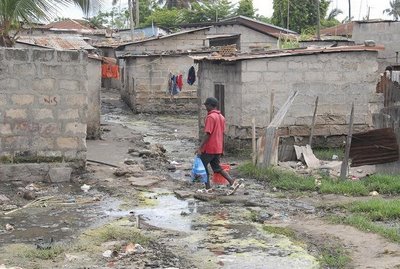
Today, I am taking time to reflect on what is happening to the new order of leadership in Tanzania. I remember when I was little. I mean, when I was very little. Back in the day. The days in the early 1980s.
In those days. A young energetic prime minister tragically died on a terrible car accident close to Morogoro. He died on the-then-newly opened paved/tarmac road from Dar Es Salaam to Dodoma.
I was just a child, thus, my recollection of the events surrounding the accident may not be entirely correct.
However, I have a vivid memory of it all.
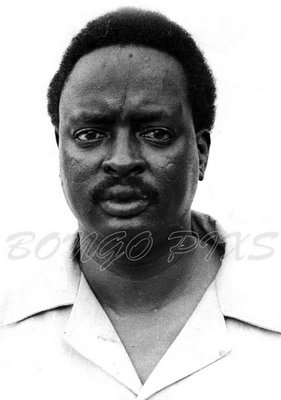
Picha kwa Hisani ya Bongo Pixs
Mr. Sokoine passed away from injury sustained after the car he was traveling-in collided with Dumisan Dube’s at Dumila, Morogoro. Dumisan was a young South African freedom fighter living in Tanzania at the time. In the 70s and the early 80s, many South African freedom fighters lived in camps in Tanzania where they learned general life and military skills aimed at equipping them with necessary life and military skills to fight apartheid once they returned back to their home country.
I have no idea what the court rulings for case were. I do not know whether Dube was found guilty or not.
I sometimes ask myself whom was at fault?
or whom was found guilty for causing the accident?
The accident that caused the eventual death of the Prime Minister.
I have no answers to my own questions.
The whole investigation and court ruling was kept secret.
What I know is this–there is still a huge cloud of suspicion onto the manner in which the accident happened.
The accident happened at the heat of the war against economic saboteurs.
Vita dhidi ya walanguzi.
Was the war against economic saboteur the reason for his death?
or was it just a coincident?
I don’t know.
The one thing I vividly remember to date is this:
When Sokoine died.
The whole country was in tears.
Real tears.
Not crocodile tears we often see now-days.
Everyone was mourning the death of a great promising young leader.
At the time.
It was information overload in a sense. Talking about information overload back then–it was kind of weird.
There was only one radio station on the dial.
Radio Tanzania Dar Es Salaam (RTD) and in some occasions the Kenyan Broadcasting Corporation (KBC).
You had no choice but listen to the never-ending four weeks of the Nation in Mourning.
I mean this in a good way.
I could still remember man’s burial ceremony on the radio.
It was like the biggest super-ball game.
The event is imprinted forever on my mind.
The song “kila mtu atauchukua mzigo wake mwenyewe” was in our 277 Panasonic radio (Radio Mkulima).
The only radio we had in the house.
The burial ceremony was broadcasted live on the radio.
It felt like I was in Monduli that day.
Watching his casket lowered to the ground.
It was surreal.
I was young.
A child.
Like many young minds. I was wondering what happened to dead people.
Do they go to hell (motoni)?
or do they go to heaven (peponi)?
The dichotomy that religion teaches us.
Are there no middle grounds for the dead?
Like.
Half hell.
Half heaven.
The gray area so to speak.
What is it with young people’s mind and death?
Death is sometimes scary to the young mind.
The thought of laying in the grave and being eaten by termites.
I had those thoughts.
The undeveloped thought.
Lack of maturity.
And death is sometimes fascinating to the young mind.
The “goods” of not knowing “too much” of and about what is happening around you.
Of not entirely comprehending the laws of nature.
The laws that suggests the natural cycling of matter in the universe.
That matter is neither created nor destroyed.
That matter has to return back to the ground.
To release the essential elements of life.
Through decomposition.
With maggots
Worms
Bacteria.
Fungi.
So now I wonder.
I wonder what would happen if a leader on the same stature as Edward Moringe Sokoine was ever died on an accident today.
Would the Tanzanians of today.
Full of udaku.
Would they cry?
Laugh?
Celebrate?
Or will they just be consumed with indifference?
I know the current leaders are smart people.
At least that is what they believe.
The Tanzania contemporary leaders.
They have great solutions for everything.
I wonder.
And ask myself.
Would those in power today parade people on the street to show emotion that isn’t there?
How would they do it?
Think of how they buy votes.
Perhaps, they could buy people to cry.
on the street.
For the dead.
Like they do in Ghana.
The crier for hire.
Or will they do what happened in Ethiopia a few years ago when the not so beloved Prime Minister passed away.
Shame.
I feel ashamed.
of myself.
of the people who are being corned.
With the crookedness of the human nature.
corruption.
All for me attitude.
The capitalists attitude.
Materialism.
Wanting more for self.
Nothing else matters.
What happened to human descence
Is it all gone?
I wonder.
And.
I feel like the connection between leaders and their subjects has disappeared.
That connection has completely evaporated.
Disappeared and never to be seen again.
Is it because most of the new leaders have lost touch?
Touch with the people they pretend to lead.
Leadership
In the old day.
In the Ntemi days.
Was being with the people.
Listening to the people.
Working on the people’s ideas.
Finding solutions.
Together.
Nowadays.
Leadership.
Is.
Imposition of external solution.
Solution with no real meaning to the intended communities.
Not organic solution.
Imposing.
Forcing.
Coercing.
And.
The contemporary leaders.
Chose to serve themselves.
Rather than the people who entrusted them with the office in the first place.
Again.
Just me wondering.
Of.
What.
Has.
Gone.
Wrong.
My mind sometimes goes in circles.
Thinking.
Analyzing.
Troubleshooting.
However.
I do not wish for any of you leaders in Tanzania to die.
Of course not.
I am just interested in seeing what will the reaction be?
When.
One of them.
Dies.
Don’t you?
Happy 58 Birthday Tanganyika!!!!
Mimi Sio Mpiga Kura
American Civil War: Kennesaw Battlefields, Georgia.
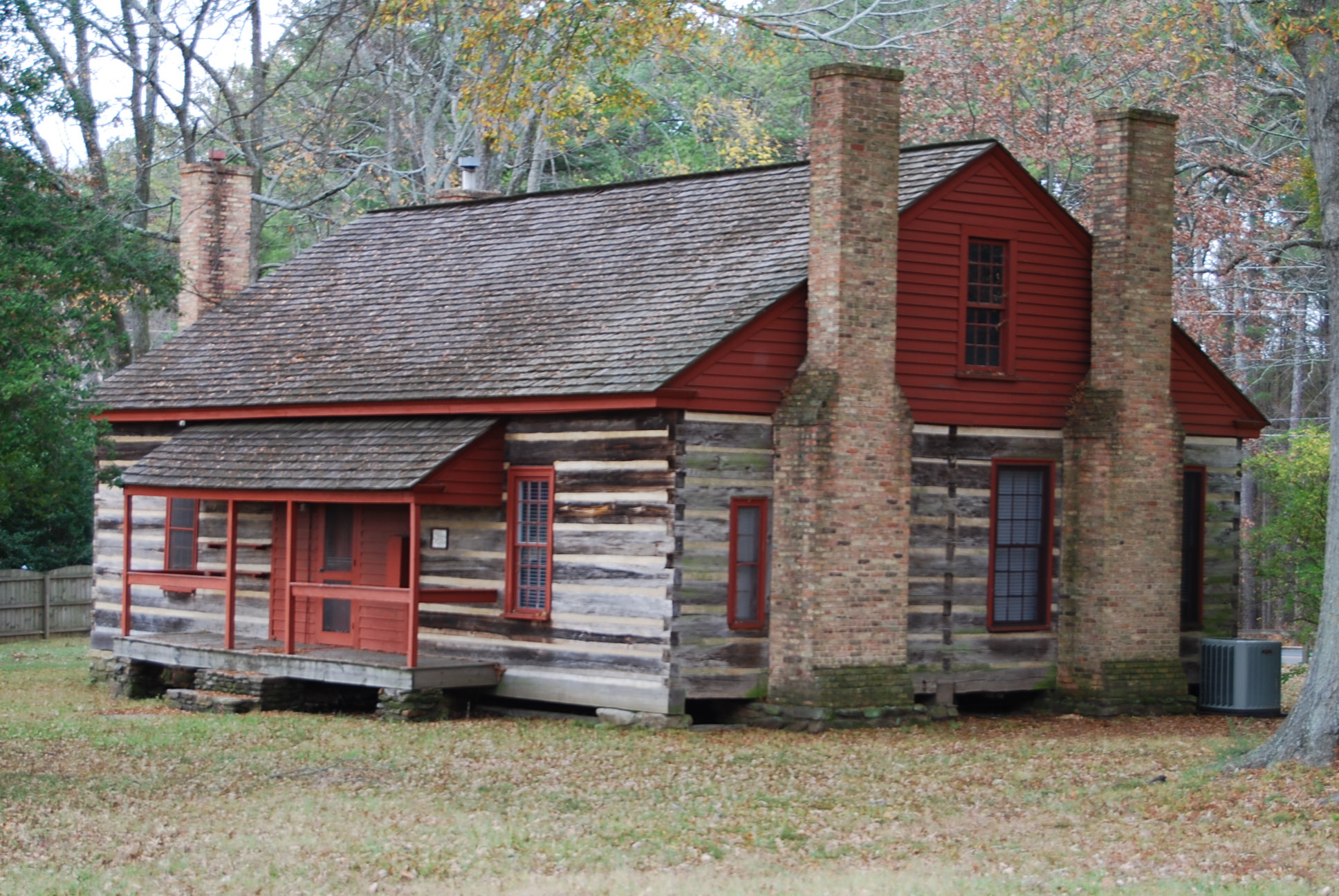
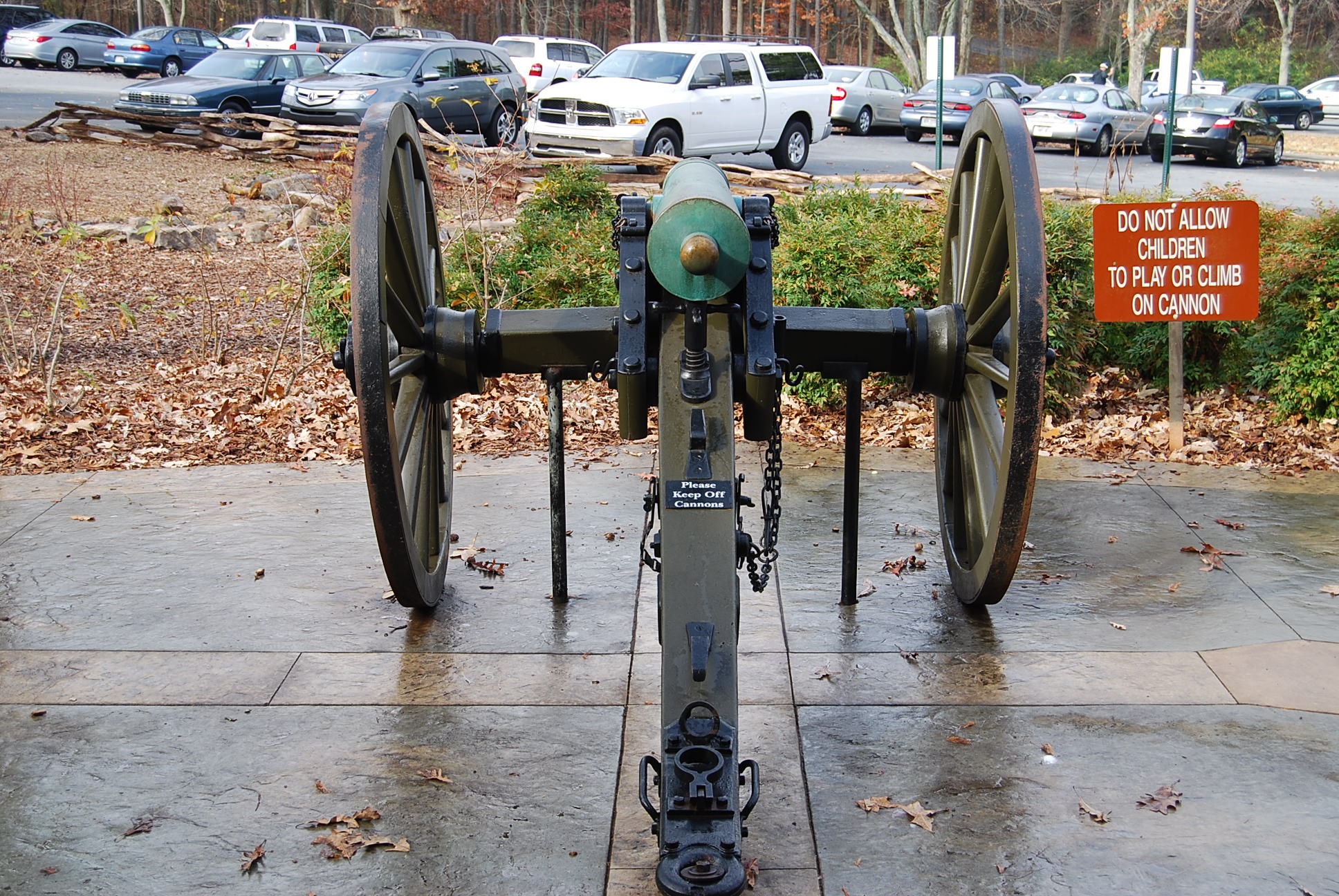
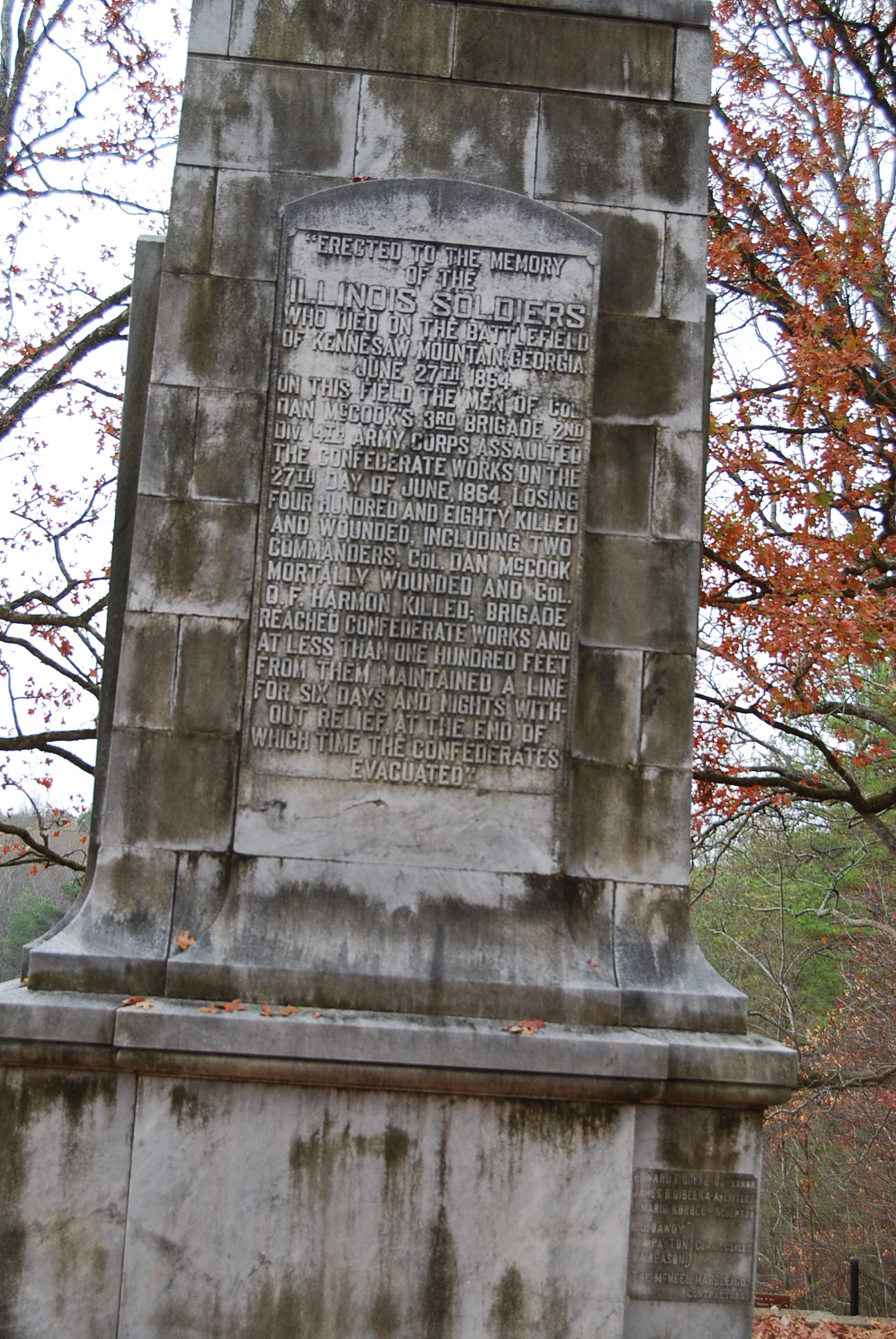
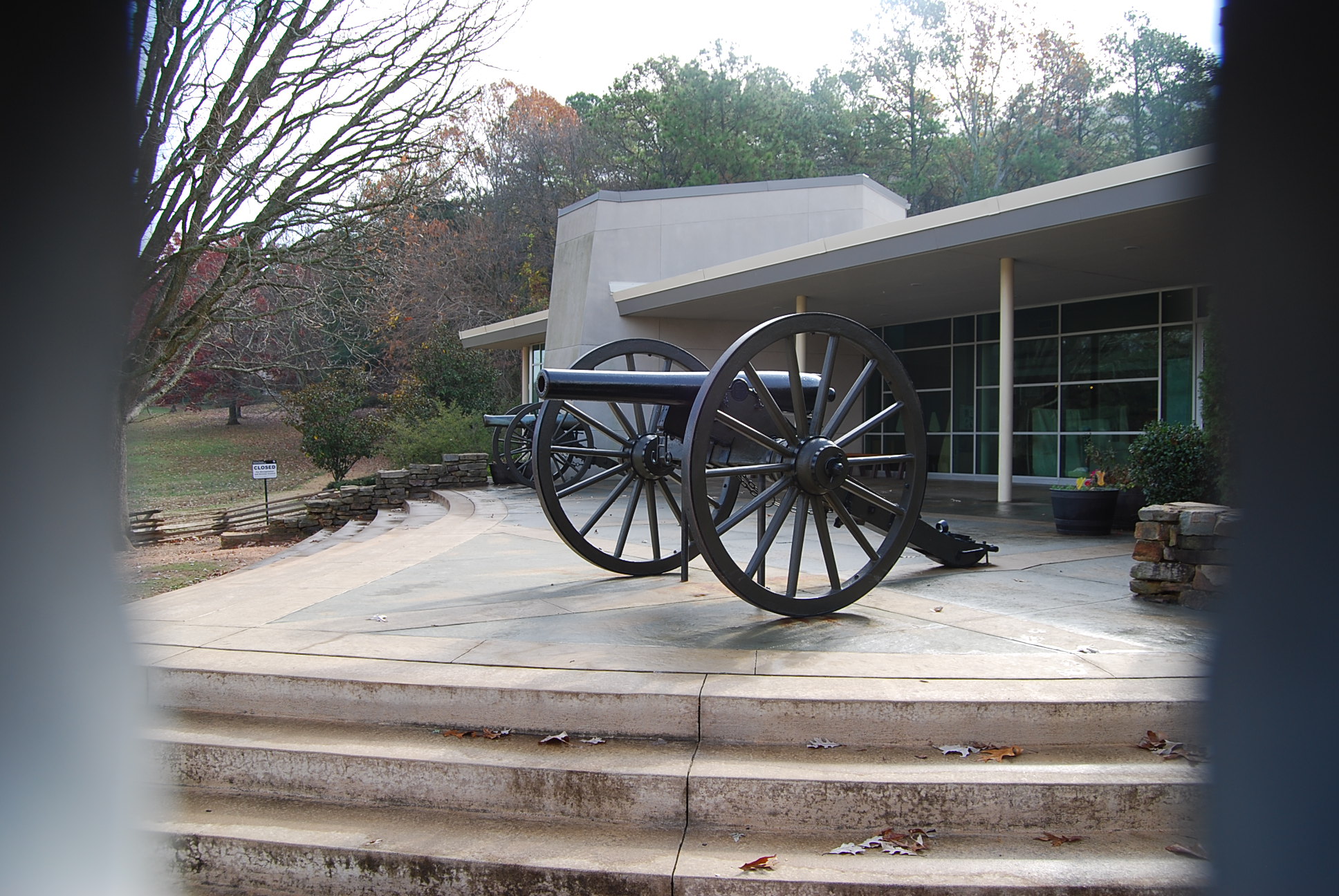
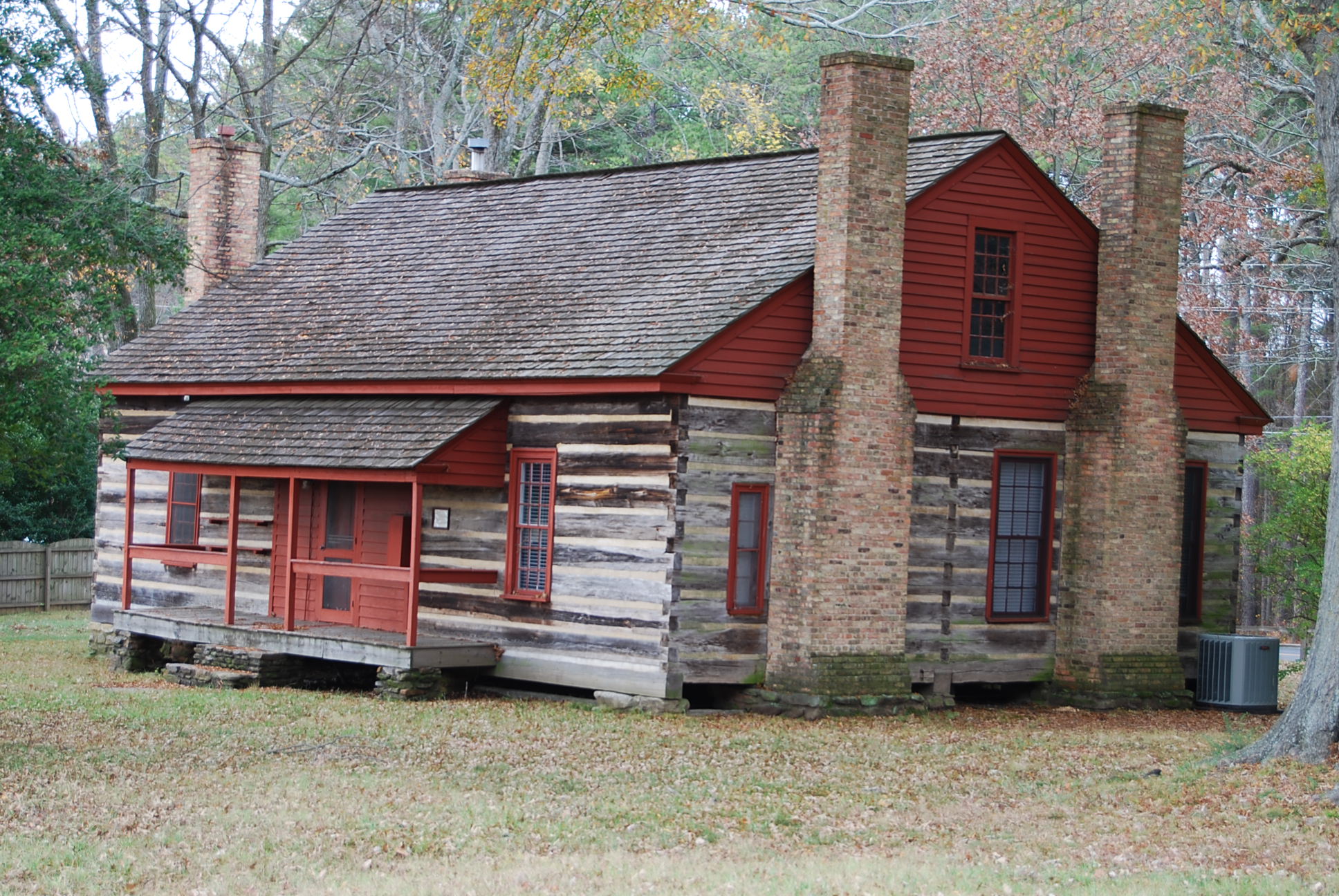
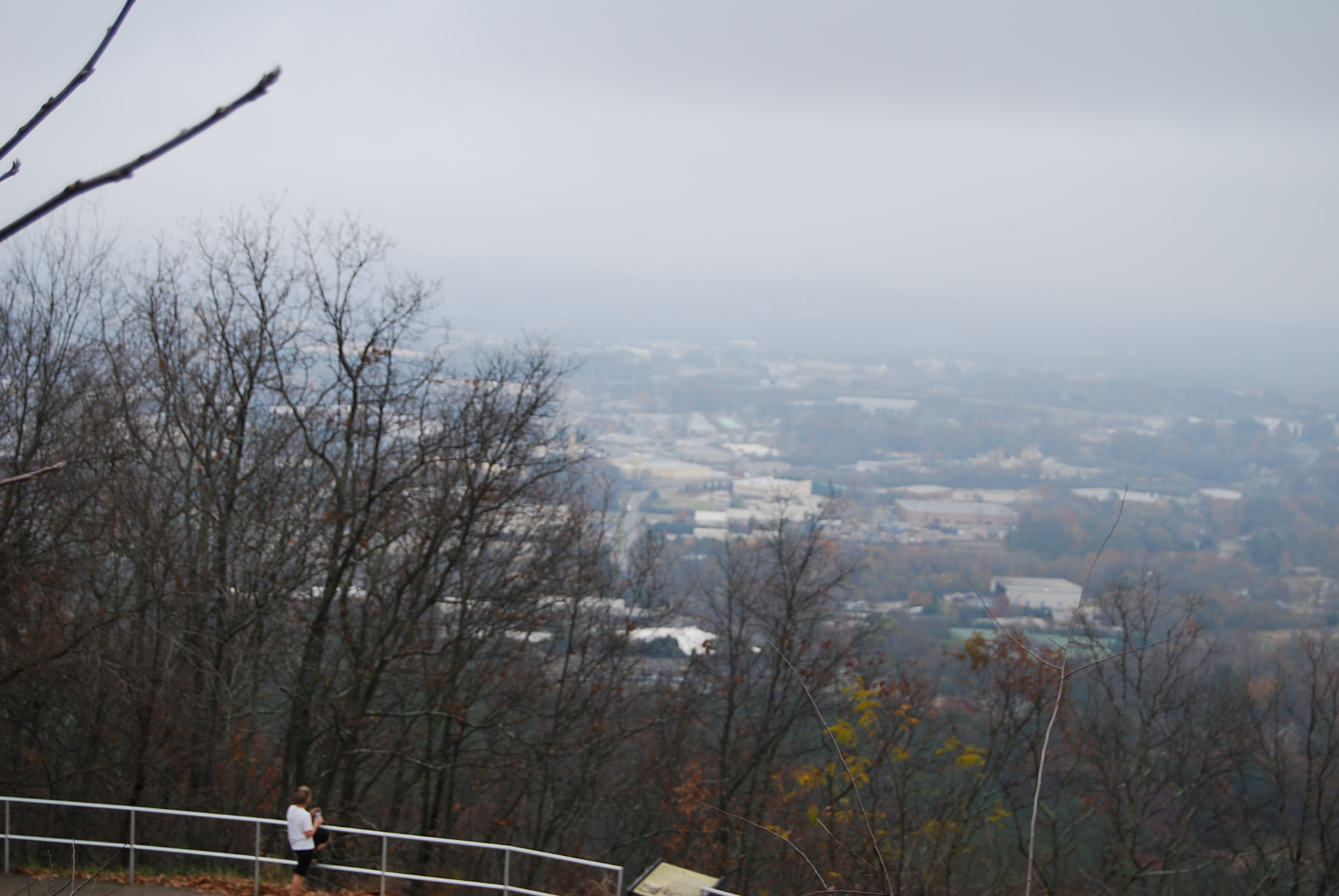
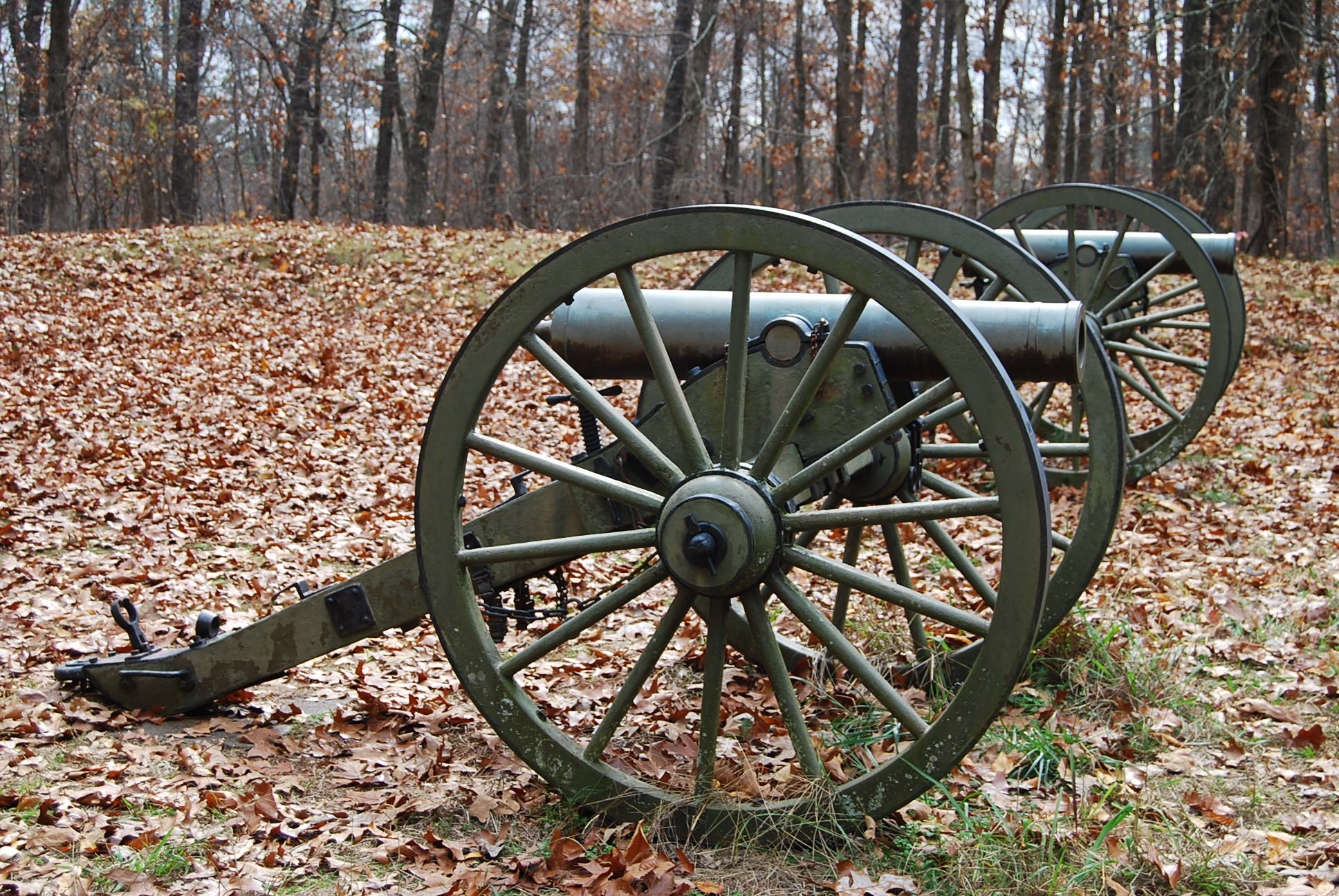
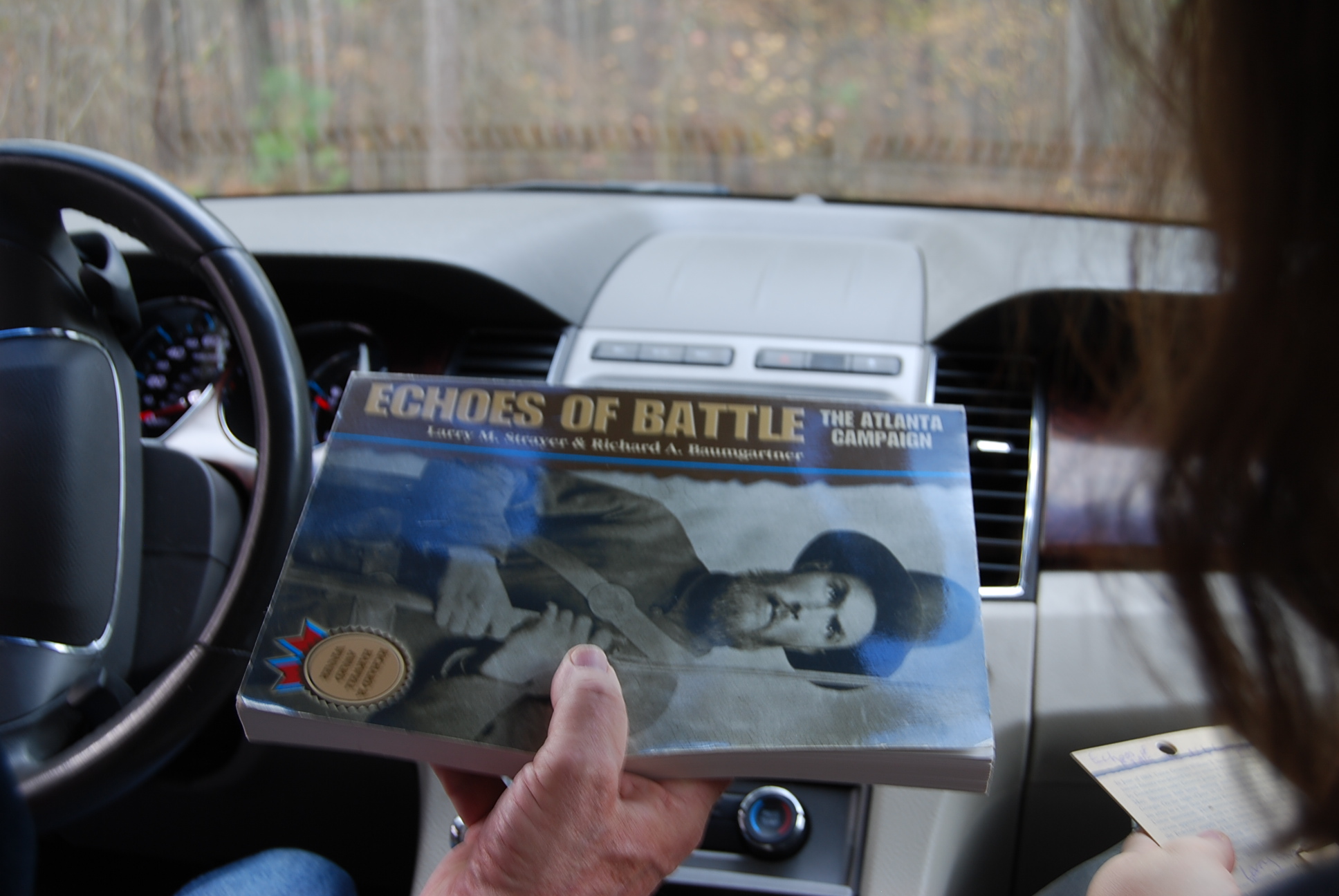
 I have been to several American Civil War Battlefields. I have no idea to why and where I acquired the interest to visit them. I have been to the one in Maryland named Gettysburg Civil War Battlefields, the one in Virgiani named Manassas National Battlefields, and just this early foggy morning I went to see the one in Georgia named Kennesaw Battlefields. These are some of the many interesting battle fields accross the United States depicting what happened during that nasty and bloody American Civil War.
It is amazing to go back to that time and see how those soldiers fought. Nasty and bloody combats. Sometimes losing 1000 and more soldiers in a few hours of a day. I just wonder what these soldiers would think of the Americans of today? Was the ultimate sacrifice they died for worth all that blood?
As we are waiting for thursday to come and give our thanks(with turkey ofcourse) for the brave people who fought for the freedom we are enjoy today, let not forget the injustices suffered by many americans in the past. Here is a crip from the documentary “trail of tears” depicting the forceful removal of the cherokee indian tribe from Georgia just because their land happened to have “gold” in it.
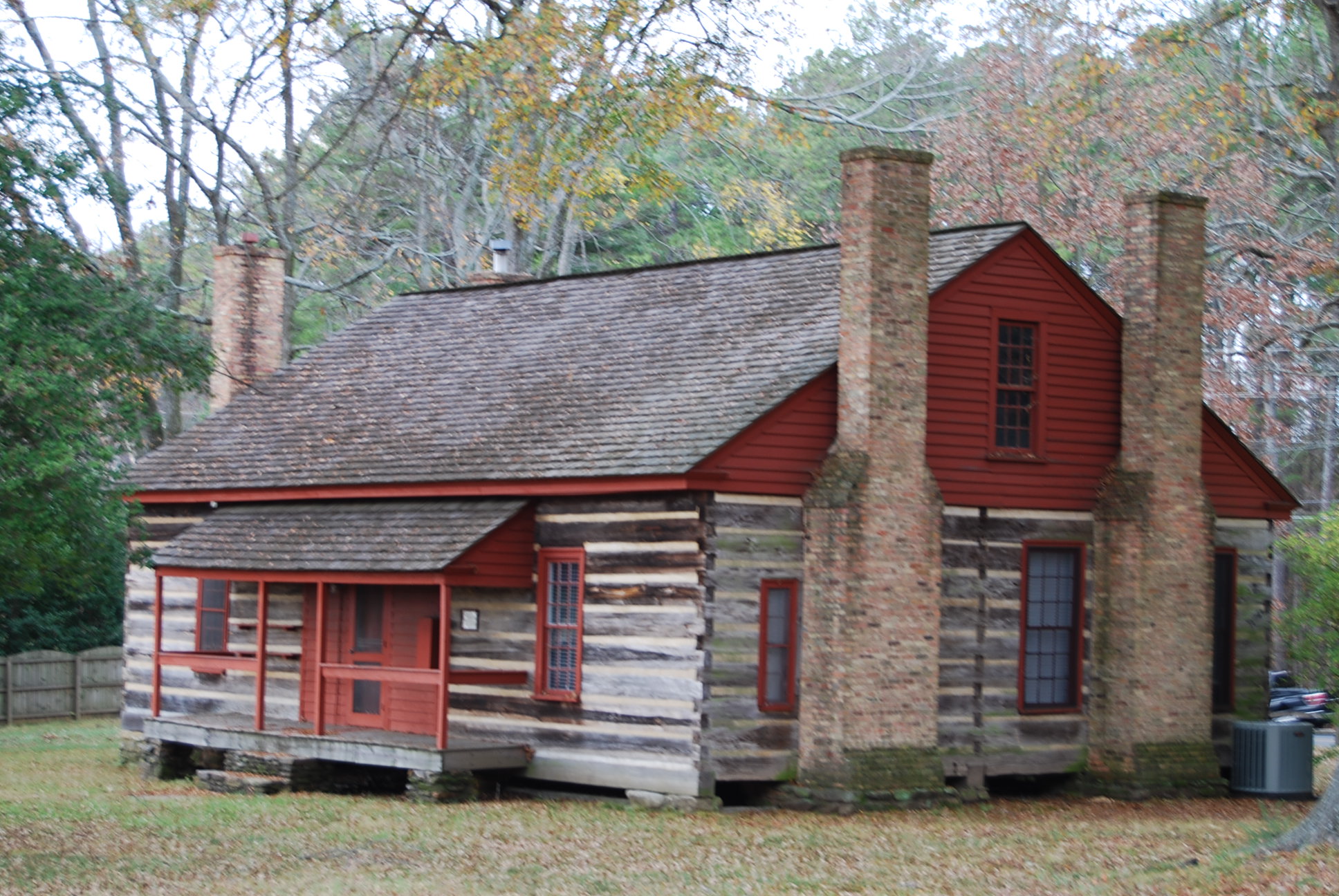
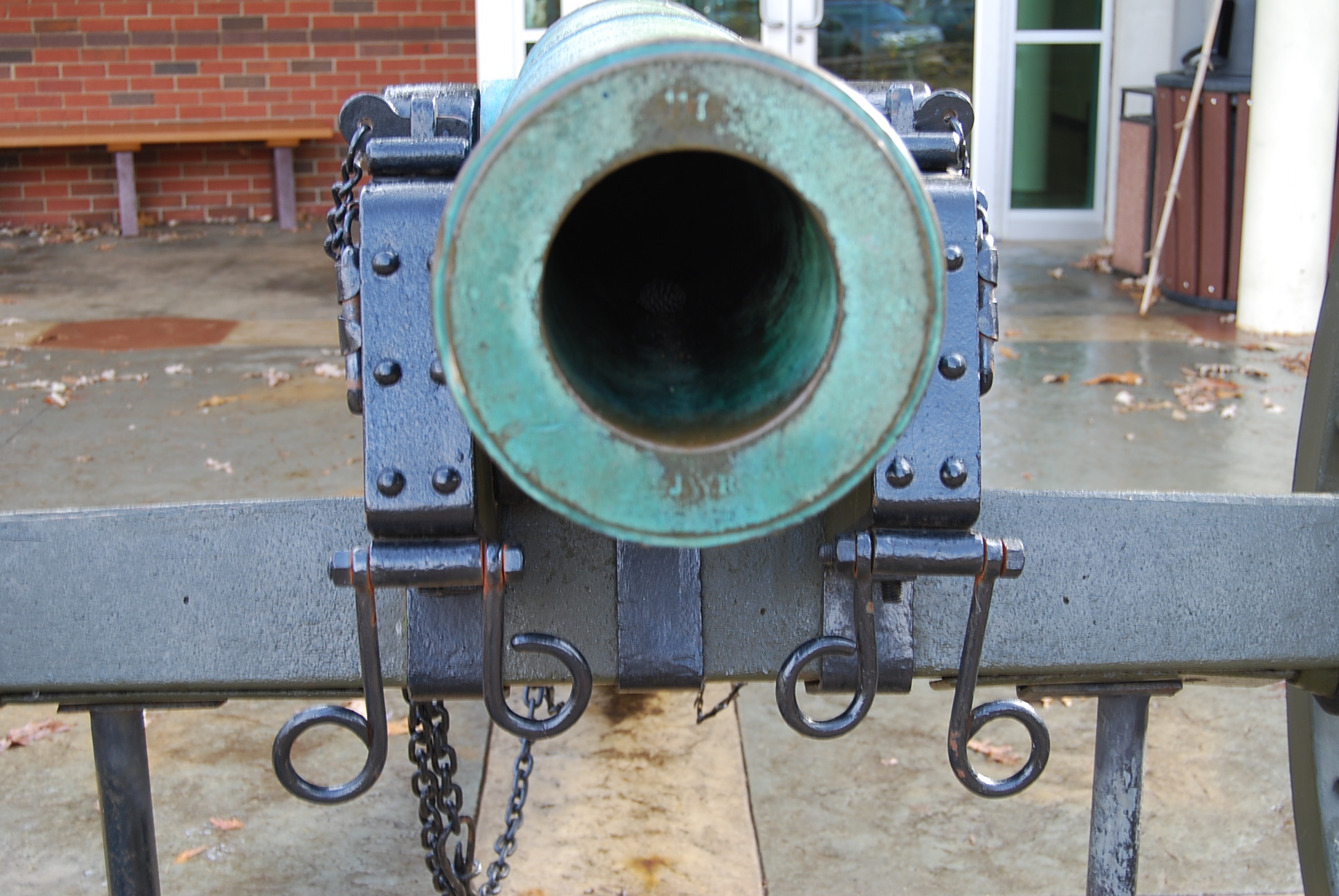
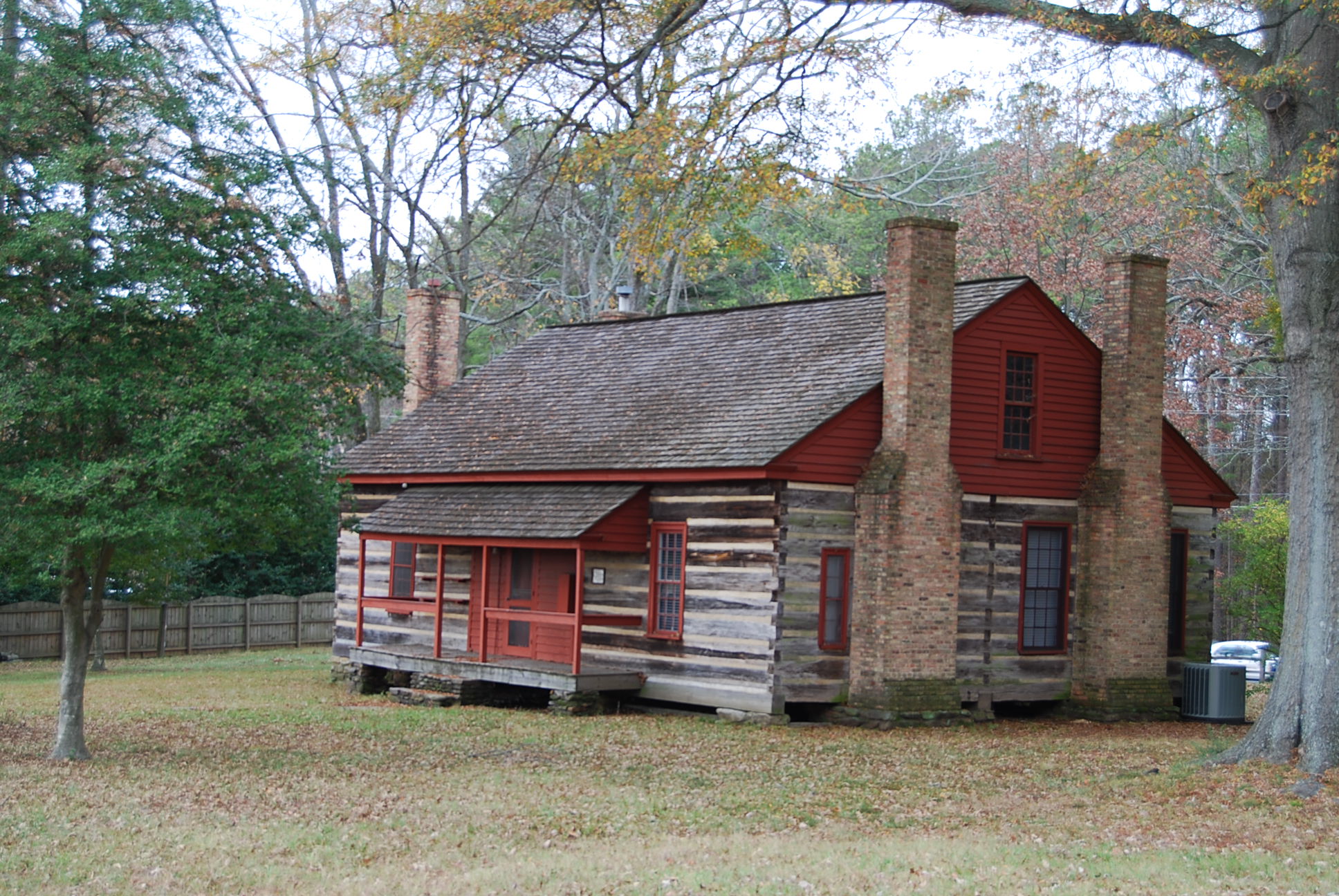
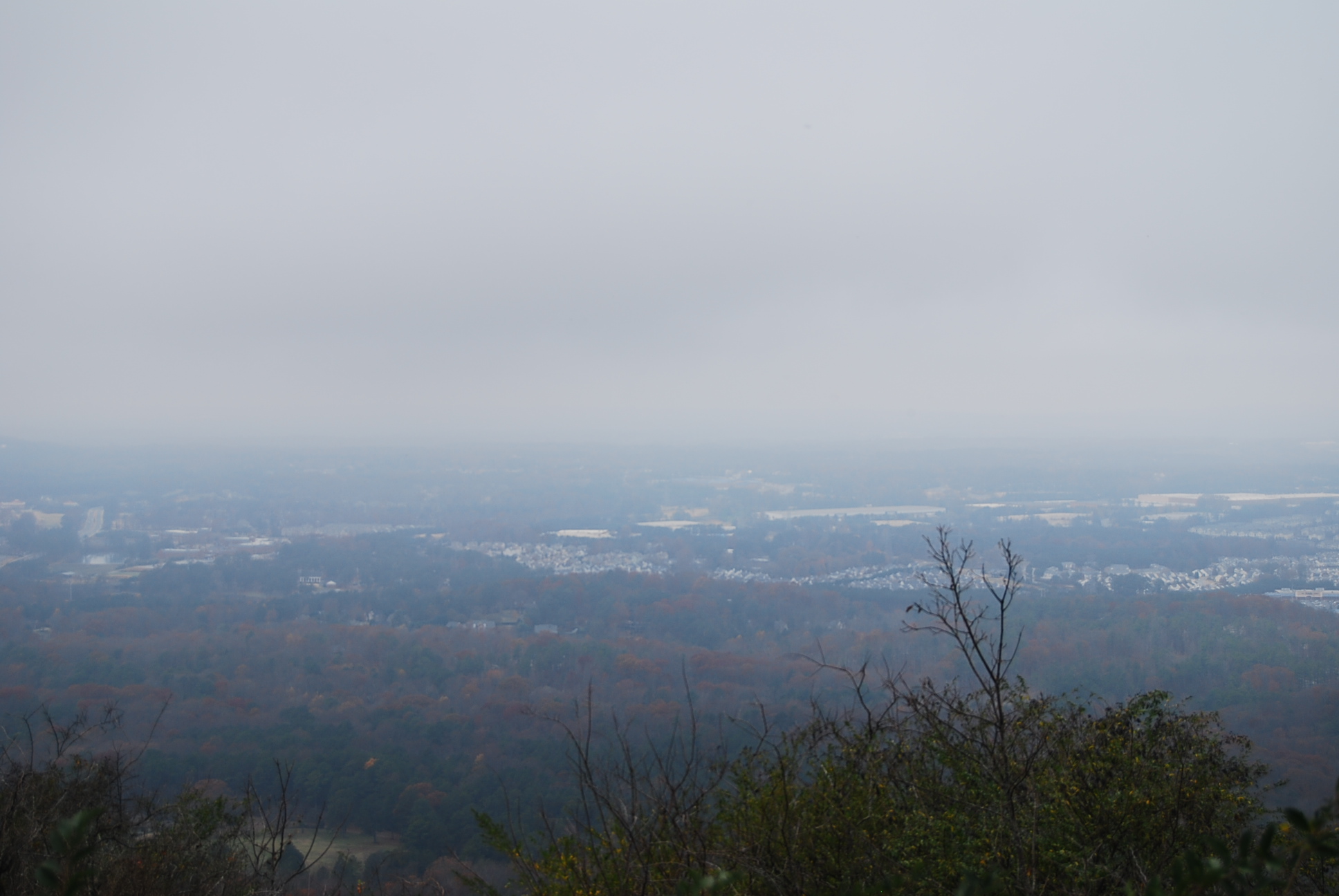
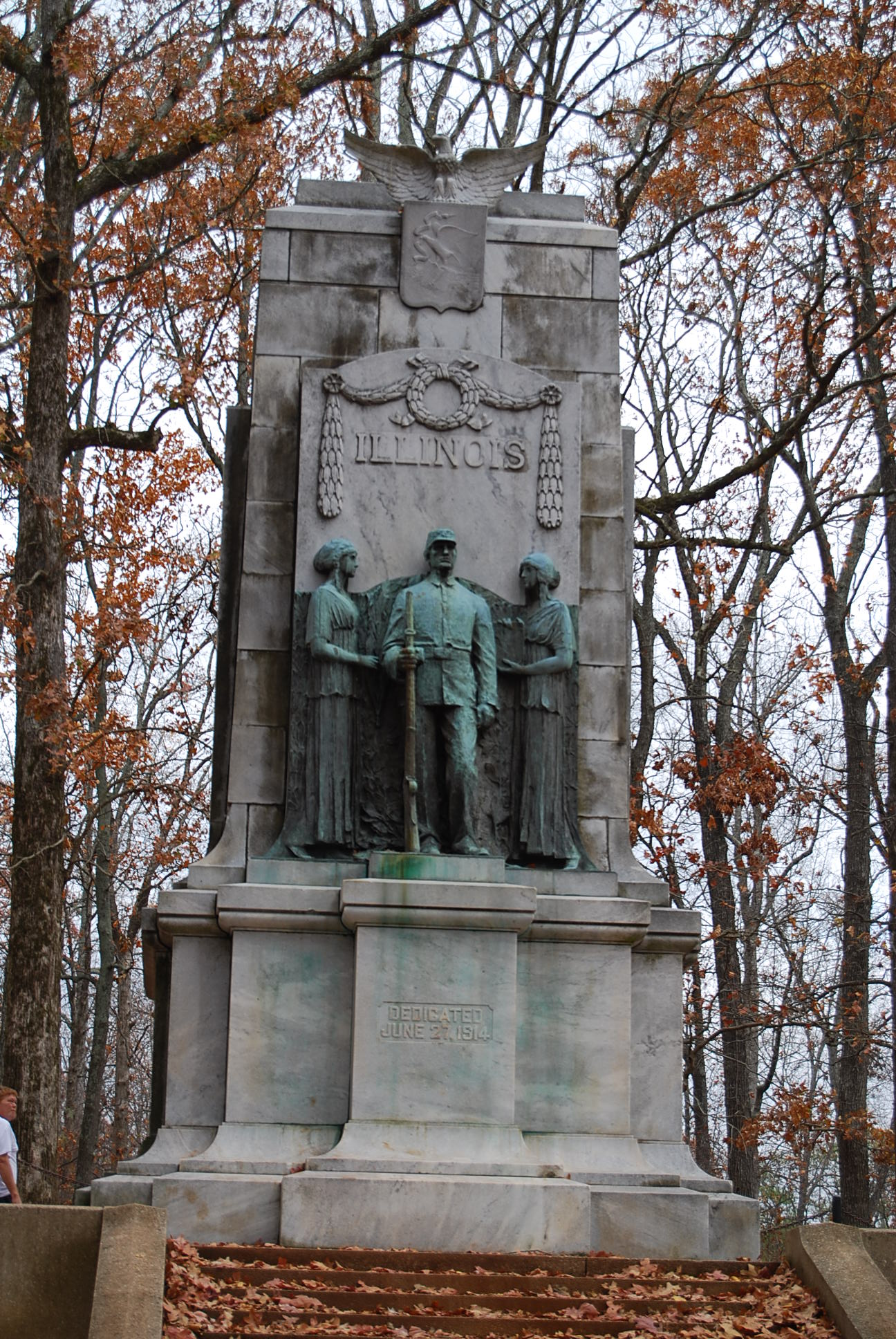
Here are some of the pictures from the Kennesaw Battlefield. Click on the picture to see an enlarged image. Should I say enjoy the pictures??
Happy Thanks Giving Everyone!!!










2004-2005 Garrison Middle School’s Maryland Report Cards.
|
Garrison middle school is a title 1 school in the Baltimore city public school system. 99.3 % of the students were African American according to the school systems website. The rest (0.7 %) were Hispanic, Asian and Whites. 93 % of the students received free lunch and breakfast. The student enrollment for the 2004/2005, 2005/2006 school years were 808 and 876 respectively. The school had a total of 56 teachers.
Garrison middle school was performing poorly in reading and mathematics. The school had failed to meet the states’ Adequately Yearly Progress for three years (2004 to 2006). The data on the table shows the performance levels in reading for the six and seventh graders at Garrison middle school for two years (2004 and 2005).
I believe strongly that the performance levels at Garrison is Influenced largely by the lack of commitment by parents and teachers towards students success. Conducive learning environment where the learning process is uninterrupted by students misbehavior is an essential component for students to demonstrate the highest levels of understanding. When this is lucking, the result more often appear in the students’ mediocre performance in standardized tests at all levels.
The chaotic nature in the classroom is directly linked to how the parents value education. Whenever children are constantly told the strong value of education by the parents…..most often they come to school well prepared and hence allowing the process of learning to take its course. This has been lacking at Garrison Middle school for the past few years and is reflected of the students’ performance on the Maryland State Assessment report-card.
The other factor affecting reading performance at Garrison is student mobility. The Baltimore city school system students are highly mobile and that affects their learning process. They move from school to school with teachers of varying levels of teaching ability. This interferes with their progress in learning.
Furthermore, Garrison middle school is a revolving door for teachers. Most teachers spend one to two years and then move on to do other things or to teach at less stressful schools. This leaves Garrison with less qualified teachers and veteran teachers who are “burned out” and could careless with what is happening to their students in terms of learning.
Garrison had only 45 % of highly qualified teachers for the three years (2004 to 2006). Most classes were taught by unqualified teachers working on conditional certification. This had negative consequences in terms of student performance levels as reflected by the Maryland State report card.
Resources and Opportunities for African-Americans
Here are some great resources and opportunities for African-American individuals to go to undergraduate and graduate school for free to some of the top American Universities. Have fun with it!
1. Wake Forest University has an opportunity for minority students to attend its MBA program for FREE, and so far, the response has been very poor. Please pass along this opportunity to your friends, families. This is a great school and a tremendous opportunity to attend a top graduate school. See the details below, the contact person is: Derrick S. Boone, Ph.D., Associate Professor of Marketing, Rm. 3139 Worrell Professional Center, Babcock Graduate School of Management – Wake Forest University_ WINSTON_SALEM N.C 27109-8738 email:derrick.boone@mba.wfu.edu or visit http://www.wfu.edu phone# toll free (866) 925-3622
2. Black Male Teachers needed. Do you know any Black Males who are seniors in high school who want to go to college out of state for FREE? The CALL ME MISTER program offered by 4 historically black colleges in South Carolina, Benedict College, Chaflin University, Morris College, and South Carolina State University – visit the www.callmemister.clemson.edu/index.htl details online application or call 1.800.640.2657
3. Harvard University is offering free tuition to families of HONOR STUDENTS whose income is less than $125,000 per year. Visit www.fao.fas.harvard.edc or call 617.495.1581.
4. Syracuse University School of Architecture is desperately seeking young women and men of color interested in pursuing a 5 yr. professional degree in Architecture. Contact: Mark Robbins, Dean School of Architecture, 201 Slocum Hall, Syracuse , NY 13244-1250 (315) 443-256 www.soa.syr.edu/indes.php
5. A free pair of eyeglasses from Target for any child ages 12 and under brings a valid prescription for glasses from their doctor. You can find stores with optical departments at www.target.com
6. APPLY NOW – If you have/know young adults between the ages of 18-31 with a High School Diploma. Can earn up to $100,000 and earn benefits. The Federal Aviation Association is taking application for Air Traffic Controller School visit the website www.faa.gov/jobs_opportunities/airtrafficcontroller/
Effective Teaching Ideas from an Educator.
By Shaaban Fundi,
I have summarized the three most effective teaching ideals that I find useful in my daily duty as an educator.
1.People learn to do well only what they practice by doing.
With regard to the above mentioned effective teaching idea, I have always tried to incorporate some hands on activities in my lesson plans and delivery. For instance, last week when my students were learning about the menstrual cycle, I used data from the internet that shows how luteinizing hormone (LH) levels changes before and after ovulation.
This helped my students to not only learn how to draw line graphs but also to interpret what is represented by the data. It was not the perfect way of showing them the hormonal changes associated with the menstrual cycle, but it just help them to visually comprehend the abstract idea I was presenting to them.
2.Expectations affect performance.
I always expect high performance in whatever my students are engaged in. This is not only for my students, I strive to be a better educator for them and I will not accept less than what I am confidence they are capable of.
This should not be translated as lamping all students in the same category but to recognize their individual potentials as well. I do realize that students learn and perform differently, but they all have to conform to the same standards regardless of their individual capabilities in learning. Therefore, whenever opportunity arises I do try to help each and every student to realize their full potentials without demanding for something that they might not be able to achieve otherwise.
3. Use of team approach.
Regardless of my struggle with teaching and learning, I have always tried to involve my students in group work especially during interactive lessons. I believe that it is paramount for students to gain experience for sharing responsibility for learning with each other. I do use name cards for each students with their specialties for that particular lesson in order to reduce confusions and increase efficiency in the flow of the lesson or experiment.
I know the strategy does limit the students to a particular function each day and there is no room for them to explore other functions, but at least the classroom environment becomes less confusing. I will try to rotate the students’ functions as much as possible to be in line with the best learning environment I am developing for my students.
Tainted Waters.

As a part of the experiential learning for the training, the training participants visited the Membrane Bioreactor (MBR) sewage treatment plant. While there, we discussed the advantages of an MBR over traditional sewage treatment plants. In the middle of this discussion, a person asked a question about pharmaceuticals. I vividly remember the question: Do MBR sewage treatment process remove pharmaceuticals in the treated water?
That question actually made me think twice about where the medications (such as pills, injections, topical creams, etc) that millions and millions of people take everyday ends-up. In fact, it is a known fact that what goes in must come out. Which conforms with the law of conservation of mass. Only a small portion of the medication that we ingest is actually metabolized. The rest is released to the environment through our urine, fecal matters, through perspiration, and many other means. The questions I asked myself while reflecting on this issue was: where do the by-products go to after we flush the toilets and/or when dumped in landfills after they expire? Are there microbes or natural phenomenon that break these pharmaceuticals down?
 Pharmaceuticals are the biggest incoming environmental and health challenge of our time. There are millions and millions of people taking a variety of medication each single day. All these pharmaceuticals finally end up in our waterways. In addition, most of the pharmaceuticals have long half-lives (Brausch et al.2012). Furthermore, there are few natural microbes capable of metabolizing these toxic chemicals. Thus, they stay in the environment longer increasing the likelihood that their concentrations in our waterways will continue to increase each passing year and possibly reaching toxic levels in a not so distant future.
The effect of pharmaceuticals to human and other animals is not very well documented as of yet. However, several studies done on fish have shown negative effect to fish population exposed to elevated levels of pharmaceuticals in rivers, streams, and lakes (Daughton & Temes, 1999; Boxall et al. 2003a; 2004a; Floate et al. 2005). Furthermore, some studies have confirmed that in some species male fish have actually turned into female when their habitats were exposed to high levels of pharmaceuticals for long durations(Brodin et al. 2014).
What the low concentrations of pharmaceuticals found currently in drinking water doing to the human body is currently a mystery.
Admittedly, the pharmaceuticals are in minute concentrations right now. However, since none of the water treatment plants can remove them off of our water supply–we are running the risk of their concentration increasing over the next few years to toxic levels and harming us if they are not doing so already.
No Government Plans to Eliminate Pharmaceutical in Our Drinking Water
Right now in America there are no legislation to deal with pharmaceuticals in drinking water or the water that goes into the streams, rivers, and lakes. At the same time, trace amount of pharmaceuticals have already been recorded in many urban and suburban water supply systems.
What is America going to do with this impending health and environmental problem?
I do not know about you, but I would rather not drink unprescribed pills in the water I drink. That’s just me.
With all the hormones, antidepressants, and other different types of medications in the drinking water supplies; no wonder–people can no-longer stand each- other.
And you are wrong even if you drink bottled water–you are still taking in pills!
Educating Black Kids: What Does the Research Say?
I was reading a few peer reviewed articles in my educational research class and found some interesting information that I would like to share with you all. If you are interested in how students learn and the strategies that research has proven to help all students learn, you will more than likely be informed by reading through the annotated bibliography I painstakingly created below.
And, if you are not interested in the process of educating the minds, you will also learn something about yourself through reading these articles as well. All in all, happy reading and I hope you discover something new from the research.
Shaaban K. Fundi
Annotated Biblography
10/26/11
1.Young, Y.Y., Wright, J.V., and Laster, J. (2005). Instructing African American Students. Journal of Education and Urban Society 125(3): 516-524.
This peer reviewed paper identifies and examine research based findings on effective instructional practices in the context of their applicability for classroom teaching-learning situations. The research paper has identified two types of learners, the global learner and the analytical learner. A global learner (right brain) is visual, tactile and kinesthetic. She/He visualizes what has to be learned, touches what has to be learned and also moves a lot during the learning process.
Most, if not all African American students are global learners and tend to be uncomfortable in an academic setting because their learning styles are not met.
Analytical learners (left brain) recall facts and dates with relative easy as well as process information linearly. They can process information that is written or orally. Most analytical learners are American students with European descent. Based on the aforementioned information, this style of learner tends to be comfortable in an academic setting (Angro-American Centered Classroom) because their learning style is most often addressed.
In order to teach African American students successfully, instructional variability is a key. Instructional strategies need to incorporate movement, visual and touching to address the learning style needs of African American students.
2.Castle, S., Deniz, C.B., and Tortola, M. (2005). Flexible Grouping and Students Leanring in a High-Needs School. Journal of Education and Urban Society 37(2): 139-150.
This peer reviewed paper studied the impact of flexible grouping on students learning during a period of 5 years in a high-needs school. The researchers tracked non-transient, below goal elementary students on multiple literacy assessments using flexible grouping strategies. Results from the study showed that the percentage of students attaining mastery increased in 16 of 19 over-time comparisons.
Flexible grouping is a classroom organizational strategy that is designed to address a broad range of students needs within a single classroom. To meet the need of contemporary classrooms that are characterized by widely diverse student population with varying academic, language, social, and cultural needs, need based instruction strategies are paramount. Additionally, grouping students according to their needs is more effective instructional strategy than ability grouping.
3.Westhuizen, V.P., Mosoge, M.J., Swanepoel, L.H., and Coetsee, L.D. (2005). Organizational Culture and Academic Achievement in Secondary Schools. Journal of Education and Urban Society, 38(1): 89-109.
This peer reviewed paper looks at factors affecting performance negatively in lower achieving schools and positively in high achieving schools. The researchers have identified several factors that affect academic achievement of learners. These factors include organizational culture and school culture. Organizational culture seems to be a key factor for under-achievement in schools.
The findings in this research indicate that a healthy and positive organizational culture exists in high achieving schools whereas the same cannot be said for low achieving schools. A positive organizational culture seems to exercise an exceptionally positive influence on the members of a school and is instrumental in directing their behavior in achieving the stated goal of the school.
4.Shulman, V., and Armitage, D. (2005). Project Discovery: An Urban Middle School Reform Effort. Journal of Education and Urban Society, 37(4): 371-397.
This peer reviewed study reports on a 5- year project to improve urban, middle level student achievement through the implementation of two initiatives. (1) Teachers at participating New York middle school were engaged in weekly curriculum planning workshops to reformulate classroom curricula into interdisciplinary, discovery learning oriented activities. (2) Undergraduate college students from urban public colleges were recruited to work as teaching scholars in the middle school.
The results showed a gain in student achievement which was demonstrated by a significant increase in the number of students meeting state standards on standardized test score in mathematics and English.
5.Heystek, H., (2003). Parents as Governors and Partners in Schools. Journal of Education and Urban Society, 37(4): 371-397.
This peer reviewed study looks at parental involvement as a factor for academic achievement of students. Parents and schools are partners in the education of children because schools are a formalized extension of the family. Schools can not function properly void of parental involvement.
In spite of this demand on parental involvement in schools, this research in black schools indicates that parental involvement in school activities is limited. This in turn, leads to low achievement in most of these schools.
An Executive Summary to My M.S. Practicum in Environmental Science.
A Review of the Effectiveness of Lead Abatement Strategies in Reducing Lead Exposure Among Children.
By Shaaban Kitindi Fundi,
Executive Summary
Despite the growing recognition of lead abatement as an intervention for reducing the risk of lead exposure to children, very few scientists have attempted to review data on its effectiveness. This study reviews the current information on residential lead abatement procedures in order to determine whether these abatement strategies are an effective method to prevent lead exposure in children, as measured by blood lead levels.
A standardized protocol for searching, acquiring, and extracting study data and synthesizing results across studies was used. The criteria for studies to be included in the review were: (1) includes children under the age of 6 years, (2) conducted in the United States, (3) published between January 1990 and March 2004, and (4) have a pre/post or multi arm study design. Nineteen studies were found that met the inclusion criteria.
Three of the nineteen identified studies looked at soil abatement, four looked at paint abatement, ten looked at dust abatement, and two studies used a mixture of soil and dust abatement. No studies looking at the effect of monitoring tap water for lead on children’s lead exposure were identified in this review. The studies varied greatly in terms of their sample size, study design, and methods of data collection.
A review of studies looking at the effectiveness of residential lead abatement strategies at reducing blood lead levels in children found mixed results. Soil abatement strategies appear to be most effective when the soil concentration is quite high (>1000ppm) and when children’s exposure to lead is primarily through contaminated soil and not household dust.
The studies regarding lead paint abatement also show mixed results. Amitai, et al. found that doing abatement while children were living in the home actually caused a short term increase in mean blood lead levels. For this reason, it may be more effective to do primary prevention by abating homes before occupancy than to wait to do abatement after the children have already been exposed. There is also evidence that lead paint abatement may be most effective for children with very high lead blood levels (>25μg/dL) suggesting that this strategy may make more sense as a targeted intervention.
Finally, the data suggest that residential dust abatement strategies are most effective when done multiple times as household dust tends to re-accumulate after short periods of time. In addition, carpets and upholstery remain important reservoirs for lead exposure and new techniques need to be developed to better clean these potential sources of lead exposure.
Click Practicum_ShaabanFundi to review the full paper and Practicum_ShaabanFundi_ppt for the power points presentation.
The Turning of Leaves Color in Atlanta

Once again, fall is upon us-the temperature is dipping
by the day. I saw a weatherman today, predicting the temperature will continue to fall and by next week’s end we might be in the 20’s. It is amazing how temperature changes here, without notice we will be back in the 20F’s again and walking to our mail boxes in the after-work hours to pick up those astronomical winter gas (electricity) bills. It seems like there is no end.
The summers are extremely hot in the Hotlanta, and the winters are mildly colder. Hence, there is no break from Georgia Power. I was just thinking (wishful thinking here) maybe fall should stay for awhile. That will indeed give us a break from these back to back gas (electrical) bills.
On the other hand I feel like we put ourselves in this situation. What happened to just owning homes that are relative to our family sizes? Less space equals to lesser space to warm up during the winter and less space to cool down during the summer months. What I am trying to say is that, Atlanta has a median of 3 people per family. Surprisingly, the average house in Atlanta suburbs has a median of 4 rooms and 3.5 bathrooms. Why do we need all this space? OR Just filing-up our egos I presume.!!!
I guess it is a choice people have to make, but in this one I truly didn’t have a choice. I just had to swallow it, as there are no in betweens. I am one of those people who think dollars and cents before doing anything. I am among the people who would criticize people who drive huge SUVs (bad for the environmental, taking up two parking spaces and all the other tree huggers’ cries) but I have fallen with the masses in this one. Why? Even if I chose to buy a small house where would I find it? Everything is big here-cars, motorcycles, bicycles, human and even cats and dogs are all big.
Am I complaining? Not even close. I do really love my house except for them “summer and winter” electrical bills. Thinking of it, TANESCO would be a welcome break here. But, Georgia Power is always on and so are their bills, always on time.
Neutrinos: Is “physics as we know it” nearing an end???
By: Shaaban Fundi,
 I read with interest the article by Charles Krauthammer on the www.nydailynews.com today about the discovery of neutrino particles that travels faster than the speed of light.
If this experiment and the discovery happen to be correct, then most–if not all of the Einsteinian theories in physics will be absolute. It will set a precedence to the dawn of new physics laws and theories.
It is hard to imagine that what we have been made to believe for almost 100 years was (or might be) fundamentally incorect. What is next for physics? Are there other flaws to other sciences that we’re unaware of?
It is the waiting game now for more scientists to replicate the experiment and come up with same or different results.
At the end, we will always love you Einstein (in Whitney Houston’s Voice).
Click here for original article.
Washington D.C. in Pictures.
After the DICOTA convention on last sunday, myself and a Tanzanian couple with their 1 year old son, decided to take a tour of Washington D.C’s attractions.
Below are some of the pics from the tour. Enjoy!!
Dicota Convention Washington D.C.
This week has been such an interesting and uplifting week. The work in Boston went really well and the 50 years of Tanzania’s independence (DICOTA) convention was really informative and well planned. It really showed a detailed plan by all the committees involved despite the one hour fifty minutes we had to wait for the president to show up for his speech. Overall, it was a
great and informative convention.
Enjoy the slide!!!
 www.kibogoji.com