Uranium Mining in the Selous Game Reserve, Tanzania


By Shaaban Fundi


Selous National Park

Once again the government of Tanzania is embarking into Uranium mining without a sound environmental impact assessment. While environmental impacts associated with the construction of a highway through the Serengeti National Park have not been completely and dully resolved, the same government is now proposing the mining of Uranium in the Selous Game Reserve which is one of the very few world heritage sites in Tanzania.
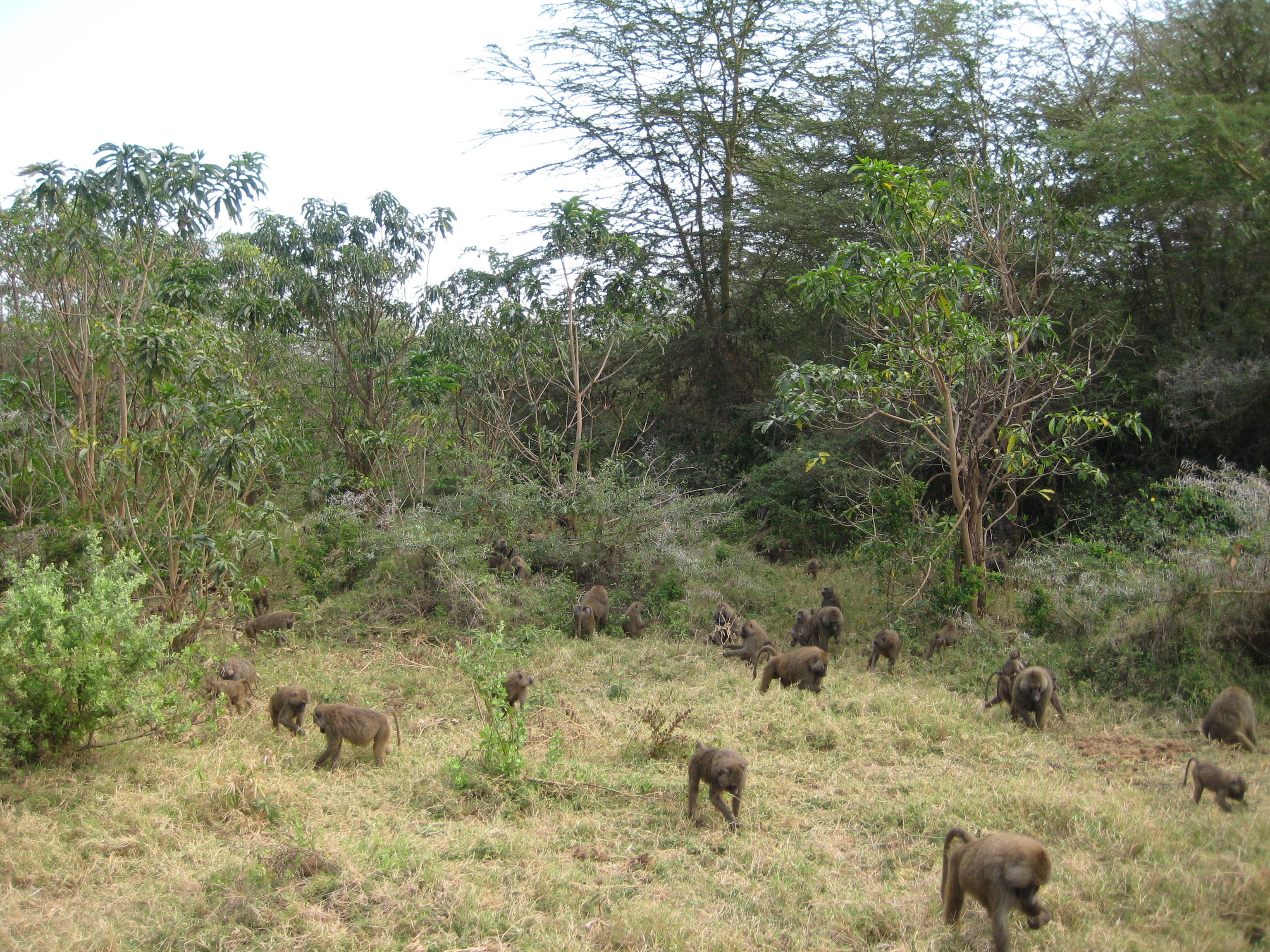
Monkeying around
Monkeying around

Just to recap the facts. When mining uranium, even the utmost grade deposits have less than 1% . Therefore,  to obtain enough and useful amount of uranium, a vast amounts of ore have to be processed.  In addition, the leftover (waste) rocks also known as tailings are nearly as radioactive as uranium itself. These tailings need to be secluded from the environment to avoid a cancer epidemic for 25,000 years or more.
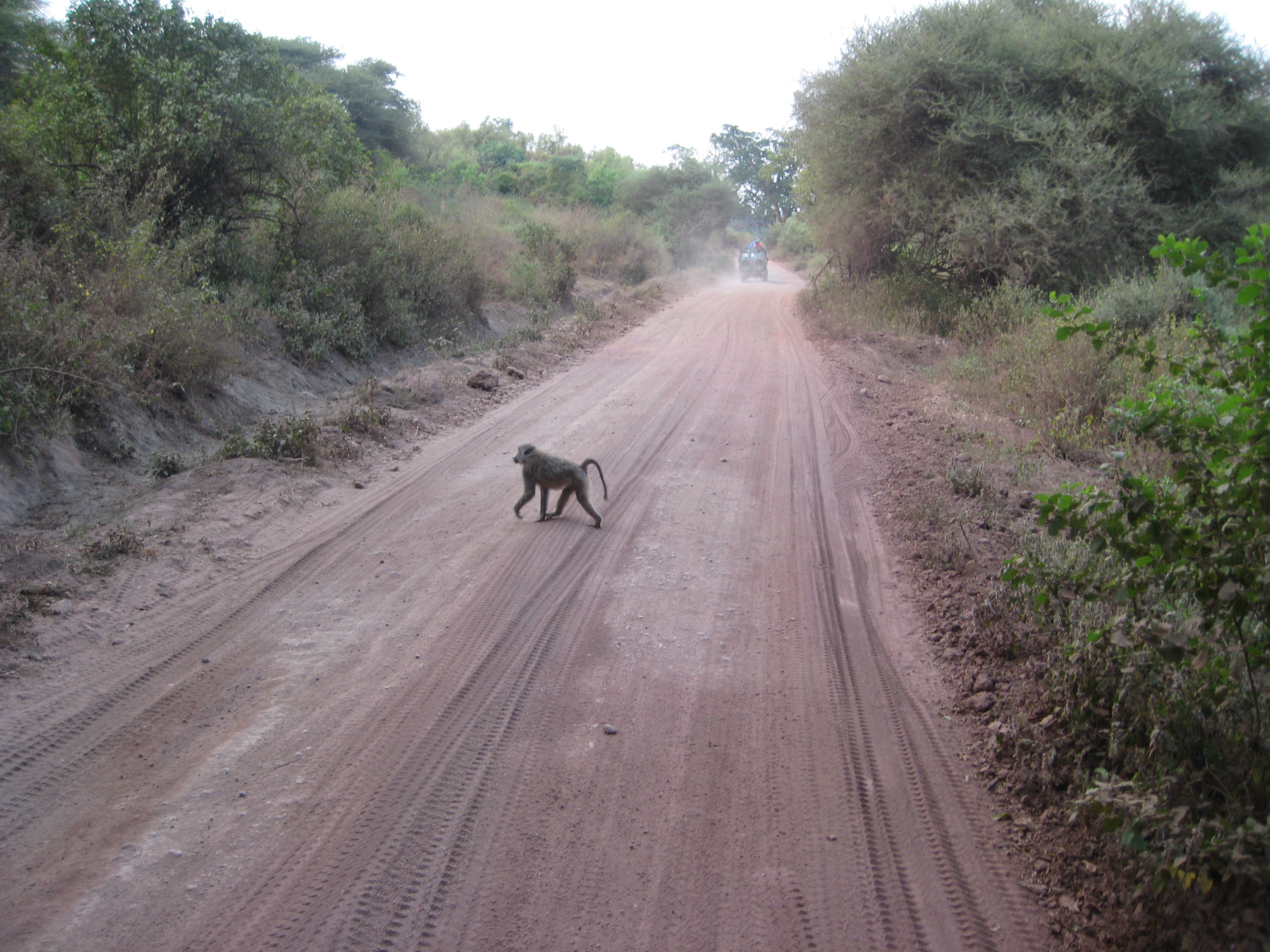
roads to the park
roads to the park

I guess the minister in charge is not aware or chose to forget the facts.

Moreover, one of the elements along the uranium radiation chain is radon, a radioactive gas which can travel for hundreds of kilometers prior to decaying. Radon gas contamination issue actually happens at the mining site and its surrounding environment and not when uranium is enriched. Mine workers, villagers and animals near the mining site who breathe in this gas risk developing lung cancer and other kinds of lung diseases. Some vivid examples of health issues associated with uranium mining “tailings” are still evident in the Grand Canyon Region of the United States today.
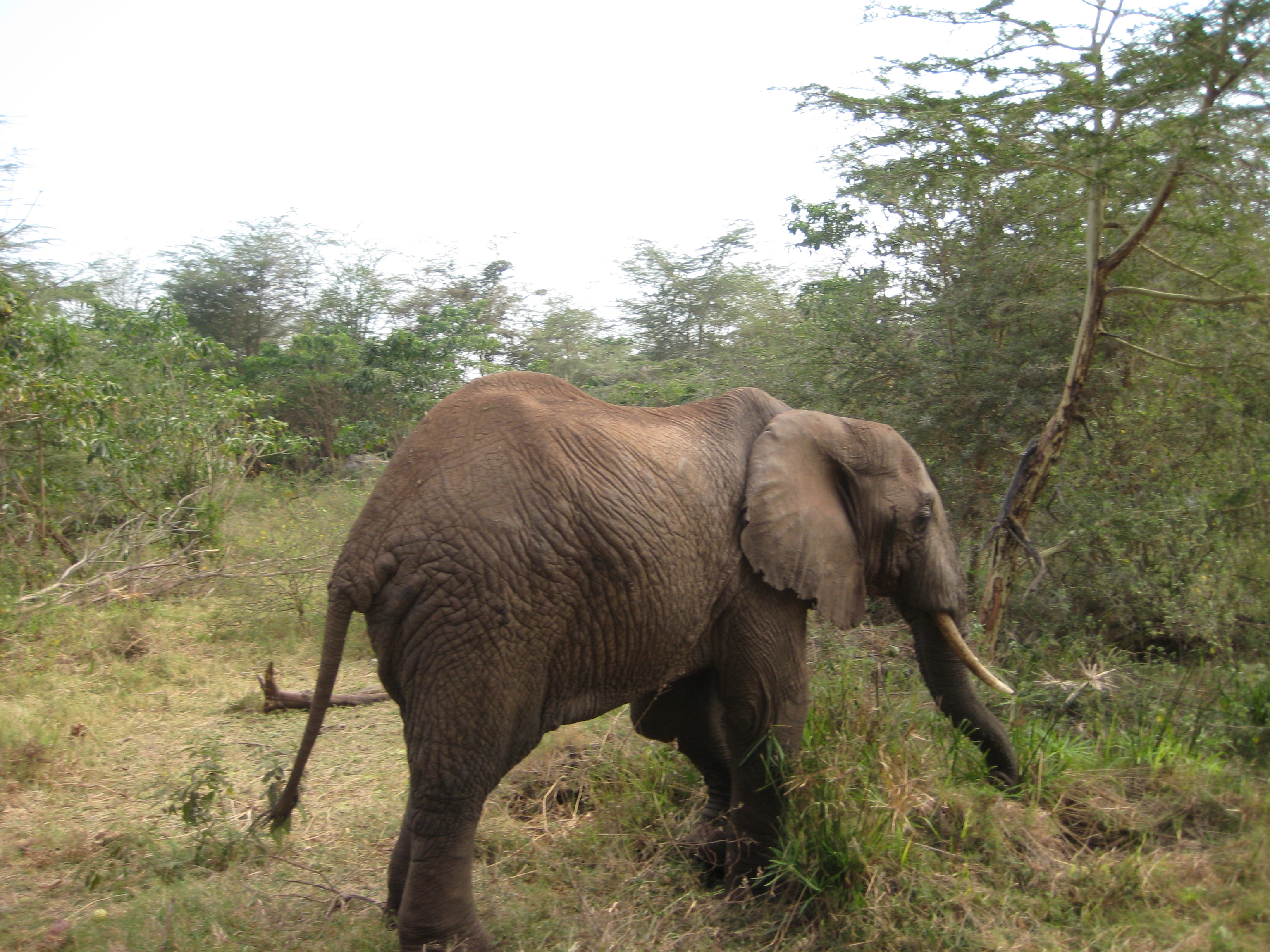
One member of the so called big five

In addition to polluting the air, water and earth with radioactive chemicals and heavy metals which can never be completely cleaned up, Uranium mining is also related with poisonous process chemicals, heavy metals and the use of vast quantities of water (read my previous article entitled “Uranium Mining Resource or Curse for Tanzania” to understand more about the water issue).

In the short-term, uranium mining sites ruin the ecology of the local region; in the long-term they pose a risk to a much wider area for thousands of years to come.

elephant zone
elephant zone

The health risks of uranium mining are by now fairly well-known, although still highly disputed by governments and the mining industry itself. It is a known fact that, uranium miners, the locals and the animals near the site suffer the maximum radiation doses of all in the nuclear fuel chain.

The major problems are inhalation of dust and radon gas, which leave alpha radiation emitters lodged in the body where they can do serious harm. As the pollution from the mines spread away from the mine site, local people and animals are also exposed to contamination. While uranium mining is highly related to cancer, low-level radiation is also associated with birth defects, high infant mortality rates and chronic lung, eyes, skin and reproductive illnesses.

What plans does Tanzania have in place to make sure that all these dangers are addressed, avoided or minimized before mining commences? What are the short and the long-term plans to mitigate or reduce the impact to human health, the environment and the beauty of the Selous Game Reserve?

Again…..just me thinking!!!!! What are your thoughts?

http://www.dailymotion.com/embed/video/xgsedy
Gabon:The impact of Areva’s uranium mining by france24english

What’s what?


By Shaaban Fundi

I know. A whole week has gone bye bye and I have not had the audacity to write anything. Speaking of audacity, since when have I had the audacity to write anything worth reading anyways.

Yes, sometimes it is hard to write. I have had my ears on the ground all these days but nothing seems to be worth my comments. I usually watch, listen and view things to get my inspiration to write. Nothing appears to inspire me this week!!! What’s the hell is going on?

To the tree huggers like myself and all those who have abstained from this habit. I would like to pass on a thought provoking interview from author of The Failure of Environmental Education (And How We Can Fix It), Charles Saylan. Take a look and tell me what you think? Click here for the interview.

Just think!!! You might learn something new today. Hahahahah!! I seriously dought it.

Serengeti Road No More: Victory or Not?


By Shaaban Fundi

Lion
The king of the jungle eating
Serengeti Road No More: Victory or Not? The letter presented to UNESCO by Mr. Ezekiel Maige clearly states that the SERENGETI HIGHWAY will be constructed on both ends of the Serengeti National Park (click the link above,for the letter and the proposed Serengeti Highway Map at the bottom of the linked document).

According to the letter, the only portion of the road that will not be paved is the 53 kilometers through the Serengeti and will remain under the supervision of TANAPA. This means in layman’s term that only TANAPA vehicles and tourists related transportation would be allowed to use the roads within the park.

Some of the questions I have with this new plan are: 1) why build a highway that is cut in the middle? 2) What will happen to the cars and trucks on both ends of the highway?(since only TANAPA and tourists vehicles will be allowed in the park), 3) Are the cars and trucks going to fly to get to the other paved side of the highway so that they don’t interfere with the already fragile ecosystem?

I feel like this (kiini macho) is just a joke! It all means that the highway will in some way get completed sooner or later. The cars and trucks on both ends will be allowed to circulate within the TANAPA supervised roads (the unpaved portion of the highway) and hence dramatically affecting the wildebeest migration and the Serengeti Ecosystem as a whole.

This road will have even a higher impact on the Maasai people living traditionally on the Serengeti plains. More people will move in, near or close to the park and therefore adding pressure to the subsistence means of living that many of the Maasai people in this area depend on. The gradual diminishing of the subsistence means or lack thereof, will force most of them to leave or join the ranks of many Maasai working as guards (Walinzi) in many cities and hotels across Tanzania. I can’t wait for the time to come (very soon) when the proudest tribe in Africa is turned into beggars by blind governmental policies.

The culture of freeloading shamelessly.


By Shaaban Fundi

I travel to Tanzania every other year. It has not been difficult to spend my time there every time I go except this year (the “good people” that made my stay pleasant, thanks guys; you know who you are, you are truly not included in this).Two weeks in and I was ready to change my flight date and leave. I do not know what is happening to me, but I feel like I am in a foreign country in Tanzania these days. I feel as though I do not belong there any-longer.

It is not the same any more. The very small, small inconveniences like lack of electricity, lack of running water (maji ya kuoga kwa ndoo–i hate that), endless traffic (or I should say roads turned into parking lots) and hiking prices to foreigners bothers me now more than before. It is dawning to me that I might be at that juncture where I feel I belong more to the predictability of life in the U.S. than the unpredictability in Tanzania.

Don’t get me wrong, I love Tanzania. I love the countryside and the simple life that goes with it. But, the culture of “mgeni njoo mwenyeji apone” is getting in my nerves and it is literary frustrating me. Why my coming to see you necessitate me to give you money? I paid a heavy price on my air ticket already. Jeez!!!! It should just be enough for me to come and spend time and seeing you for god’s sake!!

The meals that you get in exchange for your 100,000Tshs are unnecessary. You know what I mean, when visiting a relative or a friend, they will cook food for you in anticipation that you will definitely leave “kitu kidogo” behind. Just tell me your problems and if I can afford, I will surely help rather than providing me with food and when I am leaving you start telling me that you have problems. Keep the money to solve your life’s problems, I can handle my own. My once in two year’s cash is not going to change your life instantly.

I felt like I was a walking ATM machine. People have that mentality of expecting something from nothing. What have you done for me to feel that I owe you something?

I make and save for a budget to visit home and I would love to stay within budget, “please”. I don’t like to spend just for the sake of spending, unless it is off course spending on myself and probably the people very close to me. Am I just another African getting frustrated with his own culture?????

Can we change? What do you feel about this culture of shamelessly receiving money or gift without working for it? Maybe that is the reason why even our government officials come abroad shamelessly to ask for misada? No shame to getting “things” for free (free-loading). What a shame!!! I wonder what the white people on those meeting thinks of these leaders!!!!???

English as a Second Language of Instruction in Tanzania


By Shaaban Fundi

English language learning in the Tanzanian Education System can be characterized as being “problem-solving” oriented. The type of problem solving that does not include exercises that cultivate higher-order thinking skills.

The main goals are: 1) to obtain enough knowledge of English to reach a minimal level for a specific purpose, such as obtaining a position doing menial work, 2) to help students pass standardized exams. Noticeably absent is the goal of real learning and/or authentic learning.

Fixating on Standardized Testing

When students focus on passing exams, they lose sight of authentic learning. Especially for those that English is their second, third, or fourth language. Most students in Tanzania falls in this group.

Equivalently, when educators fixate on having their students pass exams, they may neglect authentic teaching. Educators should certainly work to comply with the country’s learning standards and prepare students for standardized tests, however, these formalities should be placed in the background and place authentic learning in the foreground. If students are truly learning, they will pass standardize tests ANYWAY.

As educators, one question we need to ask ourselves is this, “Do we want to teach our students to just survive, or to flourish?”

The Cycle of Learning is Important

Along similar lines of reasoning, educators need to grasp the need for cycles of Question-Answer-Question instead of merely Question-Answer. For that matter, educators should not be the only ones asking questions. Instead, students should be afforded the opportunity to ask and answer own questions. If educators are to treat students as “explorers”, rather than “plants” that absorb information, and provide space for their voices, students should be able to pose their own questions and problems and seek solutions themselves with the facilitation of the educator, as needed.

The idea is to break the orthodox of what is called in education as “The Pedagogy of the Oppressed,” in which educators control learning and “deposit” knowledge into students. This is quite rampant in the Tanzanian education system.

Sharing the Expertise Stage

Similarly, educators cannot be the only expert in the classroom. To deny students their own expert knowledge is to dis-empower them. Let the students ask and answer their own questions.

When working with English Language Learners, it is especially important to help build students’ confidence. Adapting these ideas would hopefully create an environment rich in learning. In that students would learn from each other and the teacher and the teacher would learn from the students.

Competing Ideas in Resource Poor Countries

These ideas may be difficult to accept and implement in teacher dominated classrooms. They require educators to relinquish some or most of their powers. Implementing these ideas sometimes leads to classroom management issues in the beginning. Thus,  such classrooms and students would need adequate practice in instructional conversation and class discussions. I do realize the fact that most classes in Tanzania are extremely overclouded. This could lead to other issues including how to group students for group activities. Moreover, enrichment activities that feature language learning would likely require increased efforts on the part of the teacher to construct and execute, as compared with implementing lessons grounded in straightforward test preparation and grammar drills.

Ideological Shift

Yes, fostering real and authentic learning will require a lot of work. However, instructional practices and broad structural changes are necessary.  Real change cannot occur until we drastically modify our ideological framework.

Expectations make all the difference. That is, if all that is expected from the educator is that students pass the standardized exams or obtain jobs in the menial labor industry, than learning goals and instructional practices will reflect such aims, and at best, that is merely what students will learn and do.

Should Tanzania change the language of Instruction? In my humble opinion, I believe that there is no need to switch from all English instructional delivery in secondary and tertiary schools as of yet. However, changing the way we teach English to second, third or fourth language learners in Tanzania will take us a long way, modifying our ideological framework will also help, and raising our expectations for what our students can learn and do will increase tremendously higher-order-thinking skills of our students. In my view, at present time, the Swahili only educational delivery model is flawed to say the least.

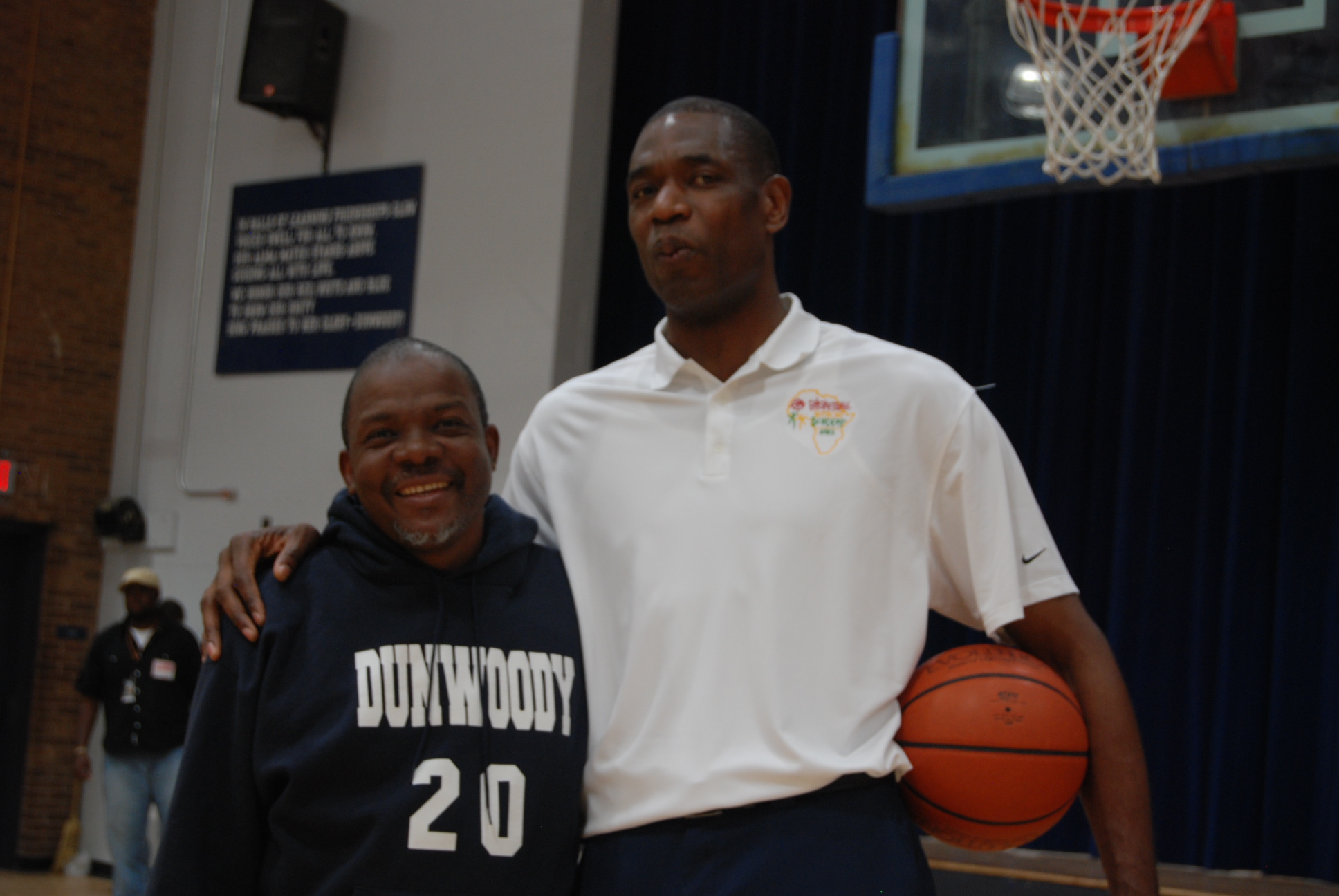
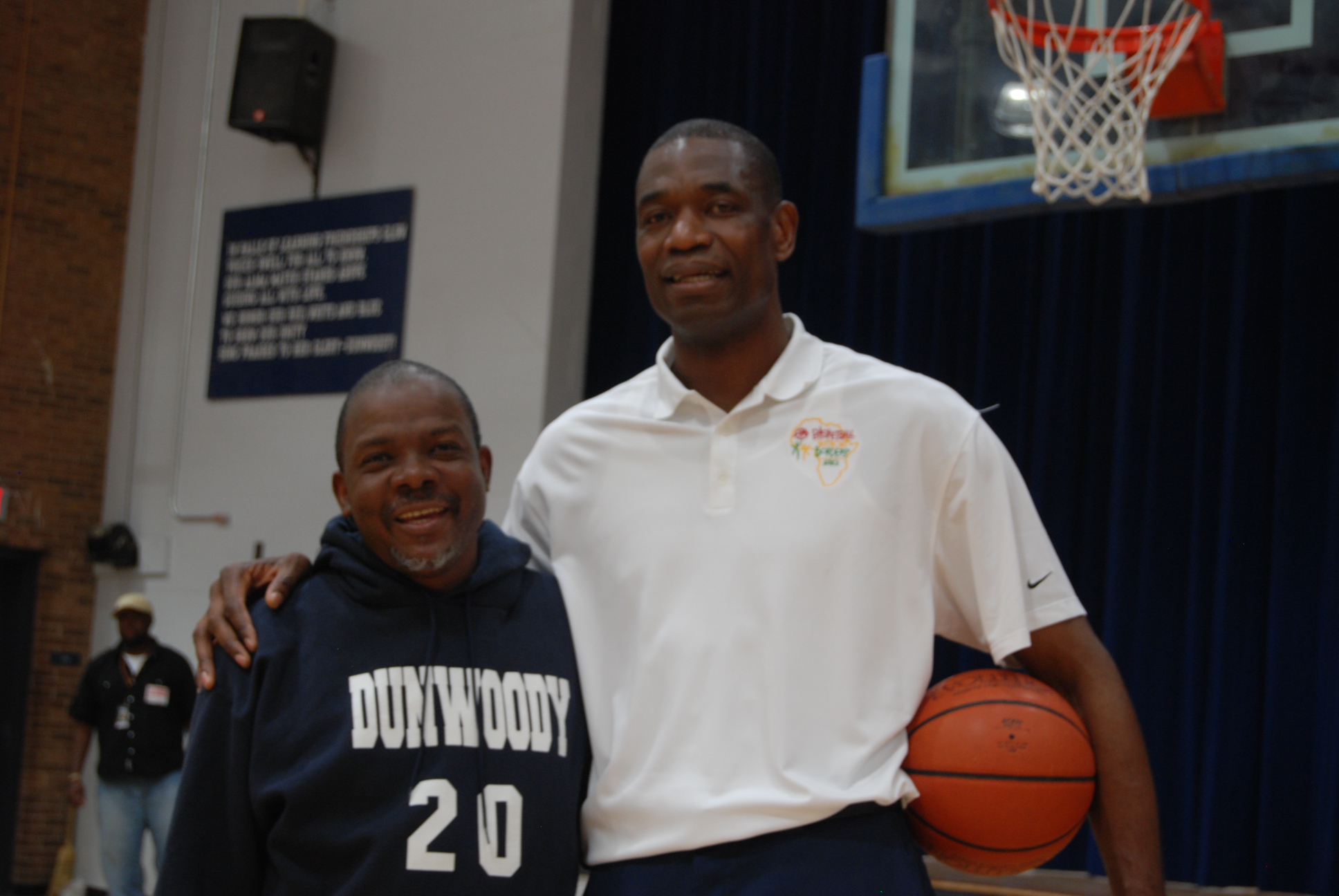
Be A Friend of the Mutombo Dikembe Foundation


Enjoying himself.I am 6 feets tall, but Mutombo id towering me like am a baby

Talking about the diaspora and africa connection.
It was a great morning at Dunwoody today. The man was waving his middle finger all-over the basketball court. Not to offend anyone, off course.

It was an international awareness day and a morning to raise funds for the Dikembe Mutombo Foundation. The work he is doing is magnificent. I wish more successful people of african descent (athletes included) could do the same or more to save lives or just help the development of Africa. Watch a video of Dikembe Mutombo’s accomplishments here.

I was in the mist, having a conversation with Mutombo Dikembe on how the diaspora can contribute to the development of Africa through charity and social entrepreneurship.

He (Mutombo Dikembe, a very humble man) was like “ Your country is doing very good Mr. Fundi, I was with your president in Europe a few weeks ago. He spoke very positively about Mr. President (Kikwete) and the positive things he is doing for Tanzania. He also mentioned his meeting with our Balozi Mrs. Mwanaidi Maajar and spoke highly of her as well. Kudo to ya’all Tanzanian politicians.

If you want to know more about the Mutombo Dikembe Foundation and the work “he” and the foundation is doing and how you can help, click here.

This slideshow requires JavaScript.

The Loliondo Technical Report is Out, Read it!!! Tanzania


Loliondo_Technical_Report[1]

I was very enthused to read the long awaited “ Loliondo Technical Report” on the “Murigariga” miracle cure prescribed by Babu in Samunge Village, Loliondo, Tanzania. The scientists who conducted the study concluded that the miracle cure cup is safe (toxicity-wise) and also has activity against most of the chronic diseases including diabetes, HIV, blood pressure and many more. Maybe there is light at the end of the tunnel afterall.

I am not going to spill the juicy nature of the report, but I find the recommendations made by the scientists who conducted these investigations and wrote this report to be quite intriguing.

By the way, don’t forget to sign up to participate on a study to medically follow up patients receiving the remedy. The study will monitor progress of patients under babu’s miracle cure treatment. The head researcher is Dr. Malecela. Help this investigation by filling out the attached consent form at the end of the report if you have embibed the cup or are planning to in the near future. Good luck ya’all.

To read the entire report and/or sign up for the study, click on the link below or above:

Loliondo_Technical_Report[1].

Youth in Kenya: Infinity possibility or Definite disaster?


Interesting video about the explosive population of young people in Kenya and how that will affect issues like employment, education, health care, political participation, entrepreneurship and numerous others.

Is the explosive number of young people in east africa an asset or a burden to the countries involved (Tanzania, Rwanda, Burundi and Uganda)?

All these countries are experiencing the same issues facing Kenya right now.

Is there a lesson to be learned from this video by the young people themselves and people who are making policies that affect the lives of these youngsters in our communities?

Watch the video and am open to disussing your opinion on this………

Celebrating?!!? 30 years of HIV.


As we celebrate 30 years of HIV and Aids (Did I say celebrate?) this year, stigma is still a major issue for those affected or infected with this horrible disease. Check out www.thebody.com website for more information on the treatment advances and other cutting edge developments in the treatment and care for those with HIV.

Click on the link below to watch a video of someone who has lived with HIV for over 20 years explaining her encounter with stigma, sex and other issues related to living positively with HIV/AIDS. The title of the video is: Laurie: Overcoming Stigma and Fear

http://www.thebody.com/content/art61172.html#top

The Ironicalness of Loliondo, Tanzania.


Obama Family
Mr. President, I hope you are doing great and continuing to lead this huge and cumbersome nation. I am writing this not because of those huge responsibilities that you presently have (you know the drama in Libya, Afghanistan and the rest). I am writing because your neighbors on the southern border (I don’t mean Mexico, but south of Kenya) have discovered a miraculous cure for many of the incurable diseases. Diseases such as HIV, Diabetes, Hepatitis, Cancer and many more can now be cured by Babu’s (grandpa’s) cup of the miraculous cure in Loliondo, Tanzania.

I know you are a very busy man (with what is happening here at home and abroad) and you cannot spend your very limited time to indulge yourself on some crazy stories happening in Africa.

This is nothing like other stories coming out of Africa. I want you to pay attention to this one because there is a potential for money to be saved on your Global Aids Programs. If the retired Pastor in Tanzania (which the Tanzania Government has said the drink is safe for human consumption) can cure all these incurable diseases just for 500Tshs (.30$, 20p) a cup, I think it is imperative that the US Government cut or reduce the Global Aids Funds for Africa and use that money here to implement the universal health care for all Americans.
(By the way, how many good and hard working Americans who do not have or cannot afford a health Insurance? Oooh!! And most of them cannot afford to travel all the way to Loliondo either).

Or you can actually call those IRS people today and instruct them to lower my taxes as the money for global aids funds will no longer be needed. I assure you, I will spend the extra money to stimulate the local economy in my neck of the woods so that a “brother” somewhere on the Westside-or-Eastside of the city can have a job. Many of them don’t have one as I write this. The implications of joblessness are serious and are breaking down the fabrics of the “blacks” togetherness everywhere.

I am sure you already know how that will help to eliminate (not too fast, maybe just reduce) the thuggish image of black folks in the old US of A. When black people have a decent job and can provide for their families, there will be less gang related killings, divorce rates will go down, and many of our brothers will not be shown on TV every evening “News Hour” Killing one another at our dinner table time. You know we really hate seeing that!! Don’t you?

To help them (Tanzanians) fast track the distribution of grandpa’s cup miraculous cure, you can build them a plastic bottle packing facility (with a fraction of the global aids funds) so that the cup content can be easily stored and distributed throughout Africa. Imagine what an ingenious idea that would be? Tanzania can even turn that village into a tourist destination and capitalize on tourist dollars as well. The lack of toilet facilities and places to sleep at the village will be a major attraction for the tourists. A win-win situation indeed!!!

If you beg to differ with my sarcastic views on the Loliondo saga, leave a comment!! You know I will be waiting to hear from you.

East African Fellows Program


The Acumen Fund has opened up a fellowship program specifically for the East Africa Region. If interested click this link

Tanzania’s SEDC Phase II Started: Emphasis on Quality!!!


Happy Faces.
It took me a minute to organize the Kibogoji Educational Resource and the About Kibogoji pages of the blog today. It’s a work in progress therefore keep visiting these pages in the future for more updates. If you are in College/University or have relatives, sons, daughters and/or friends who are still in secondary schools, high schools——direct them to these pages as they contain information that might be useful for them. And it’s all free.

Anyhow, I was surfing various blogs and came across a beautiful post about the starting of the second phase of the secondary education initiative in Tanzania last week. Click here to learn more from the lenana.net blog. The questions the author poses in this post are very interesting and could open the door for freedom of information for the citizens of Tanzania.

Finally, thank you my readers for commenting on the posts and for your participation on the social vibe banner. You helped me raise close to 80 hours for the Invincible Child Charity Organization that help pay school fees for displaced children in northern Uganda. I will appreciate if you could take a few minutes of your time today…and play a few activities in the social vibe banner to raise more money for those kids. Asante Sana!!!!!!

I welcome your ideas on various issues pertaining to the lives of our brothers and sisters in Tanzania and the rest of East Africa.

You Wanna Have a Qwiki?


Qwiki is a cool search engine just launched a couple of days ago. When you put your topic in the search bar, you get video, audio clips, and photos about your chosen topic. It literary speaks to you! The text scrolls below it as it speaks! What an ingenious idea!?! There are “other samples” related to the topic underneath the information provided.

As the text scrolls, related links are highlighted in blue. You can sign up, or just use it as you please. There are also featured Qwikis coming with it. Of course, you have to be careful because the information is obtained from Wikipedia, so sources should always be checked.

Check it out and leave a comment about your qwiki experience!!!! This might be the end of google as we know it.

WikiLeaks Cables: Tanzanian Official Investigating BAE ‘fears for his life’


WikiLeaks cables: Tanzania official investigating BAE ‘fears for his
life’

Prosecutor Edward Hoseah voiced safety fears over inquiry into ‘dirty
deal’ involving sale of radar system to government

By: David Leigh
Monday December 20 2010
The Guardian
http://www.guardian.co.uk/world/2010/dec/19/wikileaks-cables-tanzania-bae-fears
The Tanzanian prosecutor investigating worldwide misconduct by BAE,
Britain’s biggest arms company, confided to US diplomats that “his
life may be in danger” and senior politicians in his small African
country were “untouchable”.
A leaked account [http://www.guardian.co.uk/world/us-embassy-cables-
documents/116436
” title=”] of what the head of Tanzania’s anti-
corruption bureau, Edward Hoseah, termed the “dirty deal” by BAE to
sell Tanzania an overpriced radar system, is revealed in the US
embassy cables.
BAE is to appear in court in London tomorrow, when their system of
making secret payments to secure arms contracts, exposed by the
Guardian, will be officially detailed for the first time.
Every individual involved in the BAE scandal in Britain and Tanzania
has escaped prosecution.
But the arms giant agreed with the UK Serious Fraud Office (SFO) to
pay ?30m in corporate reparations and fines, provided the word
“corruption” did not appear on the indictment. A corruption conviction
would debar the company from EU contracts.
The former overseas development secretary, Clare Short, said at the
time: “It was always obvious that this useless project was corrupt.”
Hoseah met a US diplomat, Purnell Delly, in Dar es Salaam in July
2007, and claimed (unrealistically it turned out) he would be able to
prosecute guilty individuals in the BAE case. The US cable reports:
“He called the deal ‘dirty’ and said it involved officials from the
Ministry of Defence and at least one or two senior level military
officers.”
Hoseah spoke gloomily about the prospects for Tanzania’s anti-
corruption struggle and his original hopes to prosecute the “big fish”
of corruption.
“He told us point blank … that cases against the prime minister or
the president were off the table …” The cable then details
allegations against former leaders and their inner circles, saying
they would be “untouchable”.

“He noted that President Kikwete does not appear comfortable letting
the law handle corruption cases which might implicate top-level
officials.” The cable then says Kwitke “does not want to set a
precedent” by going after any of his predecessors.

There were “widespread rumours of corruption within the Bank of
Tanzania”, Hoseah said, and the island region of Zanzibar was also
“rife with corruption”.

The diplomat noted: “Hoseah reiterated concern for his personal
security … saying he believed his life may be in danger … He had
received threatening text messages and letters and was reminded every
day that he was fighting the ‘rich and powerful’.”

He might have to flee the country. He warned: “He said quietly: ‘If
you attend meetings of the inner-circle, people want you to feel as if
they have put you there. If they see that you are uncompromising,
there is a risk.’ ”

The US embassy noted in a “cynical” aside, that probably the only
reason Hoseah felt obliged to attempt a BAE prosecution was because
the SFO had presented him with “a fully developed case file, brimming
with detailed evidence”.

Today’s court appearance by BAE is the culmination of lengthy attempts
to bring the company to justice since the Guardian exposed its
worldwide secret payment system.

The prime minister at the time, Tony Blair, intervened in 2006 to halt
an SFO investigation into payments to members of the Saudi royal
family.

The US department of justice has had more success than the SFO,
forcing BAE to pay $400m (?260m) in penalties under the US Foreign
Corrupt Practices Act.

?28m radar deal ‘stank’
Tanzania, on Africa’s east coast, is one of the poorest states in the
world, formerly controlled in turn by Arab slavers, German colonists
and the British.

At the time of the radar deal, life expectancy was 45.

Tanzania was forced to apply for debt relief from the west and was
heavily dependent on aid. It is ravaged by HIV/Aids and its GDP per
head is just $723 (465).

President Benjamin Mkapa, whose regime did the deal, was succeeded in
2004 by his political colleague Jakaya Kikwete.

Tanzania, which has no air force, bought the military air defence
radar from BAE in 2001 for ?28m.

It was claimed the Commander system, which was portable and festooned
with anti-jamming devices, could also be used for civilian air traffic
control.

The country borrowed the cost from Barclays, adding to its debt
burden. Both the World Bank [http://www.worldbank.org/” title=”World
Bank] and the International Civil Aviation Organisation [http://
www.icao.int/” title=”International Civil Aviation Organisation]
called the purchase unnecessary and overpriced.

In London, the then development secretary, Clare Short, temporarily
blocked aid payments in protest. “It stank,” she now says of the sale.

She urged an export licence be withheld, but was overruled by Tony
Blair himself. Robin Cook, then foreign secretary, recorded bitterly
in his diary that Dick Evans [of BAE] seemed to have “the key to the
garden door of No 10 [Downing St]”.

In January 2007 the Guardian disclosed that BAE had used an offshore
front company, Red Diamond [http://www.guardian.co.uk/world/2007/jan/
15/bae.armstrade?INTCMP=SRCH
” title=”Guardian disclosed that BAE had
used an offshore front company, Red Diamond], to secretly pay ?8.4m,
30% of the radar’s ostensible price, into a Swiss account.
The account was controlled by Tanzanian middleman Sailesh Vithlani.
His “consultancy” agreement was, it is alleged, formally signed off in
London by Evans.
guardian.co.uk Copyright (c) Guardian News and Media Limited. 2010