Raising a Blood Alcohol Limit to Solve a Drunken Driving Epidemic.


I did not follow closely the conversation and debate between the democrats and the republicans over the issue of raising the debt limit in the United States. There were fears of a default and economic Armageddon if the debt limit was not raised by August 2rd, 2011.

Looking at how the market “wall street” has performed since the passage of the debt limit bill, one could easily conclude that the America economy is slowly walking to a train wreck. It was running towards it before the bill passage as some have suggested. The bill has just put some temporary brakes on the inevitability.

The American deficit or the difference between what the U.S government collects and what it actually spends is approximately 1 trillion dollars. That is, the U.S government is spending approximately 15 trillion dollars a year and collecting only 14 trillion dollars in the same time span.

In my little understanding about economics, what the raising of the debt limit is doing is analogous to raising the blood alcohol limit when you’re trying to curb a drunken driving epidemic. That is to say, you can still drink and be drunk before you breach the legal limit and/or before the cops can legally stop you. In the same token, the government now can continue to over spend without taking serious measures on the actual debt that the U.S government is currently carrying.
http://www.hulu.com/aol/http%3A%2F%2Fwww.hulu.com%2Fwatch%2F258670%2Fthe-daily-show-with-jon-stewart-men-of-a-certain-rage/embed/pJyx3bpXUie3QSCLCnXQ0w

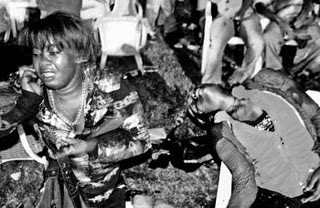
Nairobi Westgate Mall Bombing, Kenya


This is what I wrote two years ago about Somalia. Is it still relevant?? Is this a continuation of the indecisive political capitals in East Africa? Is Dar Es Salaam prepared for the incoming terrorist act?

By Shaaban Fundi,

I deeply regret the loss of lives and the senseless injuries caused by the bombings in Kampala. I wish the injured a speedy recovery and the dead mercy from the creator. And to the relatives of the victims, time will heal the wounds and sorrows. The killing of innocent people should be forcefully condemned.

What should Uganda do now? The issue of dealing with al Shabaab should not be left to Uganda alone. If they can bomb Kampala, then they are indeed capable of bombing Nairobi, Dar es Salaam or Kigali at any time in the future. It should be a collective gesture by the East African Community to show al Shabaab that East Africa is fed up with this barbaric and nonsense killings of innocents.

Somalis terrorists have now become a regional nuisance that needs to be dealt with decisively. Forces should be combined (Tanzania, Kenya, Uganda etc) to uproot them from their bases in Mogadishu and wherever they might be hiding in the countryside. Their acts and existence are destabilising the region and hindering further investment in East Africa from outside investors.

As East Africans are trying to build an integrated East Africa, we can’t lose sight of the problem of piracy, terrorism and refugees streaming from Somaliland. It is in the interest of East African nations to deal with this problem now, once and for all. These resolutions after resolutions by the AU of sending peacekeepers to keep nonexistent peace in Somalia should end.

We East Africans actually need to go into Somali, create peace by disarming all the fighting factions and then keep the peace until Somalis are ready to lead their own county.

We have been watching Somalis kill each other for far too long, over 20 years in fact. The fact of the matter is they seem incapable of figuring out solutions to their problems. It is now time for neighbours to intervene. We are not going to intervene just because it is morally right, but because we will also be preventing future attacks.

If Tanzania, with the support of Ugandans, was able to uprooted the ruthless regime of Idi Amin Dada, three countries or more in the East African bloc should be able to do the same in Somalia with the help of moderate Somalis.

This is our problem and we need to deal with it as East Africans. America and the West will not be fully engaged in this as their interventions around the world usually involve the presence of oil or minerals resource in the country in question, and Somalia has neither.

As the AU head of states gather in Kampala from July 25, this issue needs to be at the top of the summit’s agenda. The Somalia problem cannot be left to take its own cause any longer and needs to be dealt with forcefully and conclusively.

Atlanta Public Schools Cheating Scandal


By Shaaban Fundi

It has been all over the news channels for the most part of last and this week. It is a huge scandal involving 178 teachers and administrators in 44 different schools.  Some of the accused have already confessed to changing student’s test answers and doing special arrangements to raise students’ achievement in their schools.

In following this issue, I came across an article on the internationalguy’s blog that talks in detail about what happened (an inconvenience truth in his views). I do not agree entirely with the author but there is some truth on what he is saying (despite some racist vernom in his writings). Read the article here and arrive at your own conclusion.

A story about appreciation


Unknown Author,

One young academically excellent person went to apply for a managerial position in a big company. He passed the first interview; the director did the last interview, made the last decision.

The director discovered from the CV that the young man’s academic achievements were excellent all the way, from the secondary school until the postgraduate research, never had a year when he did not have high scores.

The director asked, “Did you obtain any scholarships in school?” the youth answered “none”.
The director asked, “Was it your father who paid for your school fees?” The youth answered, “My father passed away when I was one year old, it was my mother who paid for my school fees.

The director asked, “Where did your mother work?” The young man answered, “My mother worked as clothes cleaner.

The director requested the youth to show his hands. The young man showed a pair of hands that were smooth and perfect.

The director asked, “Have you ever helped your mother wash the clothes before?” The youth answered, “Never, my mother always wanted me to study and read more books. Furthermore, my mother can wash clothes faster than me.

The director said, “I have a request. When you go back today, go and clean your mother’s hands, and then see me tomorrow morning.”

The youth felt that his chance of landing the job was high. When he went back, he happily requested his mother to let him clean her hands. His mother felt strange, happy but with mixed feelings, she showed her hands to the kid.

The young man cleaned his mother’s hands slowly. His tear fell as he did that. It was the first time he noticed that his mother’s hands were so wrinkled, and there were so many bruises in her hands. Some bruises were so painful that his mother shivered when they were cleaned with water. This was the first time the youth realized that it was this pair of hands that washed the clothes everyday to enable him to pay the school fee. The bruises in the mother’s hands were the price that the mother had to pay for his graduation, academic excellence and his future.

After finishing the cleaning of his mother hands, the youth quietly washed all the remaining clothes for his mother.

That night, mother and son talked for a very long time. Next morning, the young man went to the director’s office.

The Director noticed the tears in the youth’s eyes, asked: “Can you tell me what have you done and learned yesterday in your house?”

The youngman answered, “I cleaned my mother’s hand, and also finished cleaning all the remaining clothes’
The Director asked, “Please tell me your feelings.”

The young man said, Number 1, I know now what Appreciation is. Without my mother, there would not the successful me today. Number 2, by working together and helping my mother, only I now realize how difficult and tough it is to get something done. Number 3, I have come to appreciate the importance and value of family relationship.

The director said, “This is what I am looking for to be my manager. I want to recruit a person who can appreciate the help of others, a person who knows the sufferings of others to get things done, and a person who would not put money as his only goal in life. You are hired.
Later on, this young person worked very hard, and received the respect of his subordinates. Every employee worked diligently and as a team. The company’s performance improved tremendously.

A child, who has been protected and habitually given whatever he wanted, would develop “entitlement mentality” and would always put himself first. He would be ignorant of his parent’s efforts. When he starts work, he assumes that every person must listen to him, and when he becomes a manager, he would never know the sufferings of his employees and would always blame others.

For this kind of people, who may be good academically, may be successful for a while, but eventually would not feel sense of achievement. He will grumble and be full of hatred and fight for more. If we are this kind of protective parents, are we really showing love or are we destroying the kid instead?

You can let your kid live in a big house, eat a good meal, learn piano, watch a big screen TV. But when you are cutting grass, please let them experience it. After a meal, let them wash their plates and bowls together with their brothers and sisters. It is not because you do not have money to hire a maid, but it is because you want to love them in a right way. You want them to understand, no matter how rich their parents are, one day their hair will grow gray, same as the mother of that young person.

Student Wasting Valuable Time in Tanzanian Schools.


By Shaaban Fundi

If education and how we educate our children is paramount to you, you may find Mr. Daudi Msseemmaa’s (of lenana blog) excellent analysis of Twaweza recent report to be very insightful. Kudos to lenana blog for sharing this very interesting report and story.

Global Cycle Solutions


By Shaaban Fundi

The title says it all. This is a company based in Arusha, Tanzania. They build bicycles universally adaptable cellphone chargers, maize sheller kits and beyond to help people in the remote areas of Tanzania make their work and lives much easier. check them out by clicking here.


Uranium Mining in the Selous Game Reserve, Tanzania


By Shaaban Fundi


Selous National Park

Once again the government of Tanzania is embarking into Uranium mining without a sound environmental impact assessment. While environmental impacts associated with the construction of a highway through the Serengeti National Park have not been completely and dully resolved, the same government is now proposing the mining of Uranium in the Selous Game Reserve which is one of the very few world heritage sites in Tanzania.

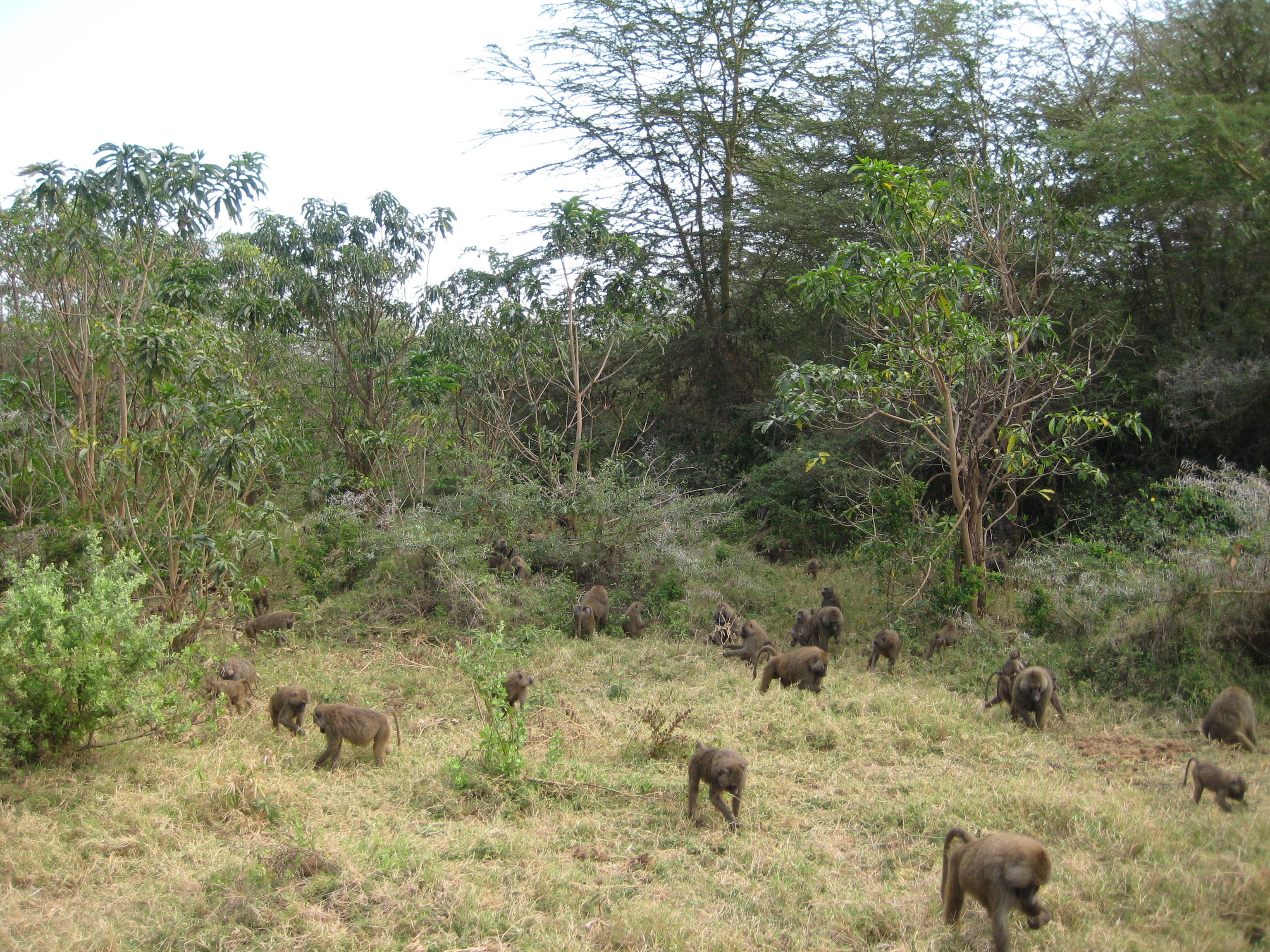
Monkeying around
Monkeying around

Just to recap the facts. When mining uranium, even the utmost grade deposits have less than 1% . Therefore,  to obtain enough and useful amount of uranium, a vast amounts of ore have to be processed.  In addition, the leftover (waste) rocks also known as tailings are nearly as radioactive as uranium itself. These tailings need to be secluded from the environment to avoid a cancer epidemic for 25,000 years or more.

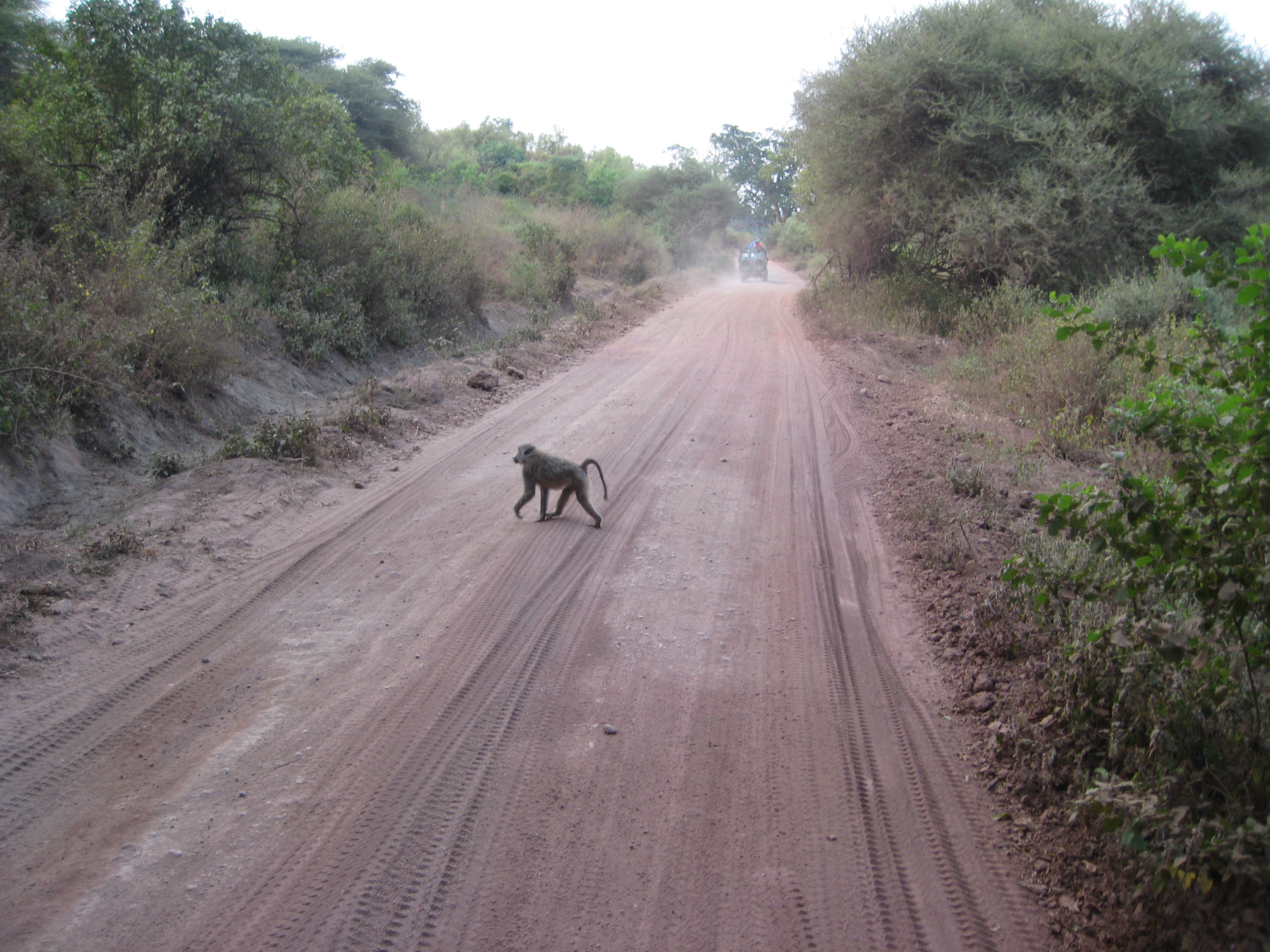
roads to the park
roads to the park

I guess the minister in charge is not aware or chose to forget the facts.

Moreover, one of the elements along the uranium radiation chain is radon, a radioactive gas which can travel for hundreds of kilometers prior to decaying. Radon gas contamination issue actually happens at the mining site and its surrounding environment and not when uranium is enriched. Mine workers, villagers and animals near the mining site who breathe in this gas risk developing lung cancer and other kinds of lung diseases. Some vivid examples of health issues associated with uranium mining “tailings” are still evident in the Grand Canyon Region of the United States today.

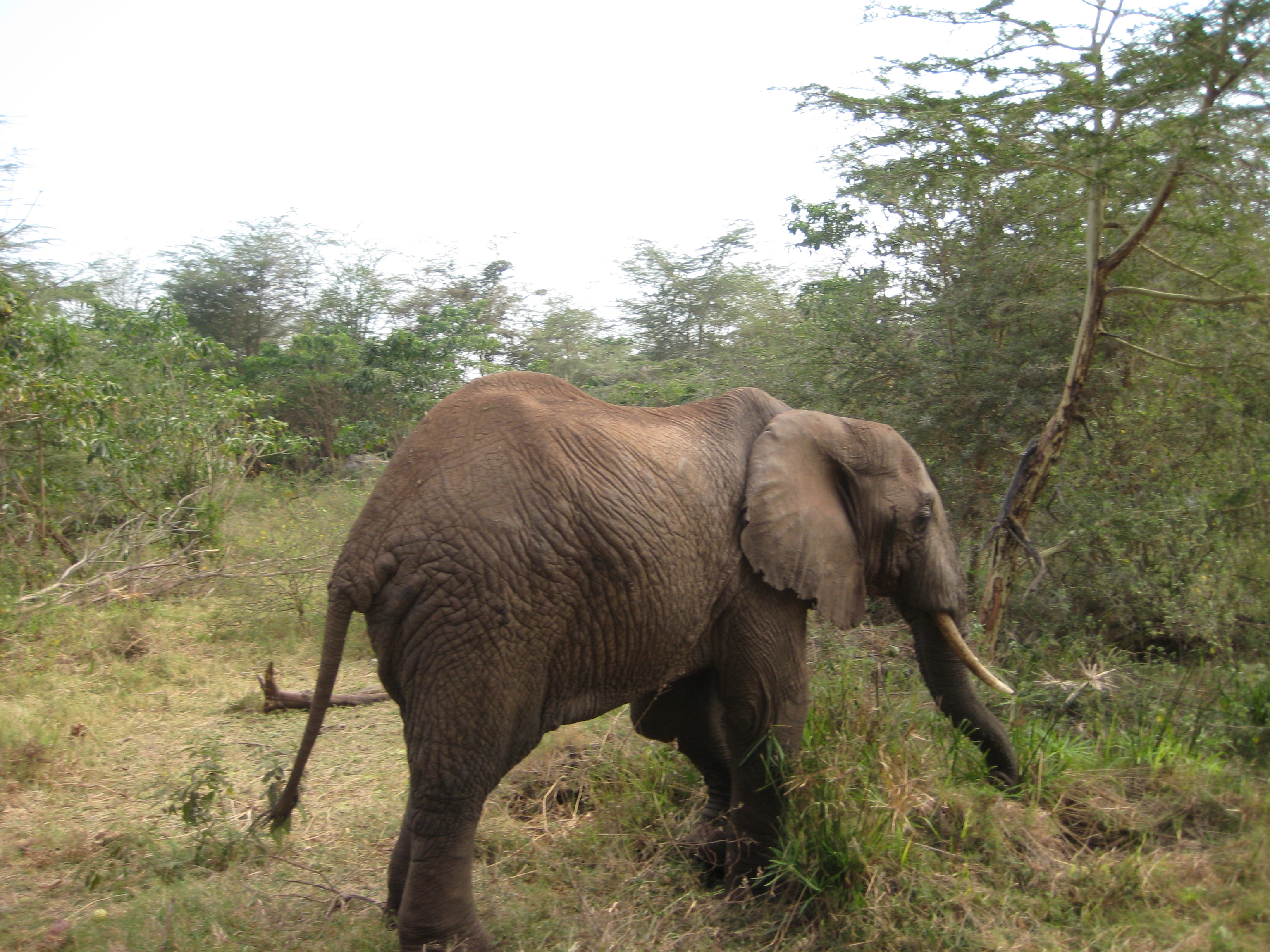
One member of the so called big five

In addition to polluting the air, water and earth with radioactive chemicals and heavy metals which can never be completely cleaned up, Uranium mining is also related with poisonous process chemicals, heavy metals and the use of vast quantities of water (read my previous article entitled “Uranium Mining Resource or Curse for Tanzania” to understand more about the water issue).

In the short-term, uranium mining sites ruin the ecology of the local region; in the long-term they pose a risk to a much wider area for thousands of years to come.

elephant zone
elephant zone

The health risks of uranium mining are by now fairly well-known, although still highly disputed by governments and the mining industry itself. It is a known fact that, uranium miners, the locals and the animals near the site suffer the maximum radiation doses of all in the nuclear fuel chain.

The major problems are inhalation of dust and radon gas, which leave alpha radiation emitters lodged in the body where they can do serious harm. As the pollution from the mines spread away from the mine site, local people and animals are also exposed to contamination. While uranium mining is highly related to cancer, low-level radiation is also associated with birth defects, high infant mortality rates and chronic lung, eyes, skin and reproductive illnesses.

What plans does Tanzania have in place to make sure that all these dangers are addressed, avoided or minimized before mining commences? What are the short and the long-term plans to mitigate or reduce the impact to human health, the environment and the beauty of the Selous Game Reserve?

Again…..just me thinking!!!!! What are your thoughts?

http://www.dailymotion.com/embed/video/xgsedy
Gabon:The impact of Areva’s uranium mining by france24english

What’s what?


By Shaaban Fundi

I know. A whole week has gone bye bye and I have not had the audacity to write anything. Speaking of audacity, since when have I had the audacity to write anything worth reading anyways.

Yes, sometimes it is hard to write. I have had my ears on the ground all these days but nothing seems to be worth my comments. I usually watch, listen and view things to get my inspiration to write. Nothing appears to inspire me this week!!! What’s the hell is going on?

To the tree huggers like myself and all those who have abstained from this habit. I would like to pass on a thought provoking interview from author of The Failure of Environmental Education (And How We Can Fix It), Charles Saylan. Take a look and tell me what you think? Click here for the interview.

Just think!!! You might learn something new today. Hahahahah!! I seriously dought it.

Serengeti Road No More: Victory or Not?


By Shaaban Fundi

Lion
The king of the jungle eating
Serengeti Road No More: Victory or Not? The letter presented to UNESCO by Mr. Ezekiel Maige clearly states that the SERENGETI HIGHWAY will be constructed on both ends of the Serengeti National Park (click the link above,for the letter and the proposed Serengeti Highway Map at the bottom of the linked document).

According to the letter, the only portion of the road that will not be paved is the 53 kilometers through the Serengeti and will remain under the supervision of TANAPA. This means in layman’s term that only TANAPA vehicles and tourists related transportation would be allowed to use the roads within the park.

Some of the questions I have with this new plan are: 1) why build a highway that is cut in the middle? 2) What will happen to the cars and trucks on both ends of the highway?(since only TANAPA and tourists vehicles will be allowed in the park), 3) Are the cars and trucks going to fly to get to the other paved side of the highway so that they don’t interfere with the already fragile ecosystem?

I feel like this (kiini macho) is just a joke! It all means that the highway will in some way get completed sooner or later. The cars and trucks on both ends will be allowed to circulate within the TANAPA supervised roads (the unpaved portion of the highway) and hence dramatically affecting the wildebeest migration and the Serengeti Ecosystem as a whole.

This road will have even a higher impact on the Maasai people living traditionally on the Serengeti plains. More people will move in, near or close to the park and therefore adding pressure to the subsistence means of living that many of the Maasai people in this area depend on. The gradual diminishing of the subsistence means or lack thereof, will force most of them to leave or join the ranks of many Maasai working as guards (Walinzi) in many cities and hotels across Tanzania. I can’t wait for the time to come (very soon) when the proudest tribe in Africa is turned into beggars by blind governmental policies.

Tanzania, Tanzania, Nakupenda kwa Moyo Wote!


After spending three weeks in Tanzania and seeing people from all walks of life, I am taking this opportunity to reflect on my experience. Generally, Tanzania is a great country with tremendous potential and opportunities. The country is endowed with a vast amount of natural resources (lakes, oceans, rivers, trees and minerals) and huge chunks of untapped land that is readily available for all sorts of development activities. It can be used for tourism, agriculture, fishing, and all other sorts of entrepreneurship.

However, a small group of Tanzanians are getting richer beyond recognition. Some of the rich Tanzanians are actually vacationing outside the country to far lands such as Europe and the United States. Whereas the majority of  Tanzanians face serious hardship putting a roof over their heads and food on the table. It is an interesting contrast.

I care less how people spend their hard earned cash. But, the issue here is that most of these rich Tanzanians actually work for the government. With government salaries alone, these people would not be able to afford to take their families to Kigamboni(FunCity), not mentioning Stone Town, Zanzibar. It is the corruption and embezzlement of public funds that is so open and publicly accepted that allows for all this to happen.

Actually I somewhat believe it does not matter how well you pay a Tanzanian (a grain of salt here), s/he will definitely find a way to embezzle public funds anyway. In my views, low wages is not the singular reason for why people steal from wherever position they have.  The culture of corruptness and the societal expectations that comes along with it contribute directly to this problem. For example, it is openly accepted that if you have a good position in the government or wherever; you should be able to have a nicer car, a gorofa, and many other stuffs. If you won’t do that people in Tanzania will start asking questions. Does s/he have a mental problem? Why is s/he not stealing?

Everyone is.

Fact of the matter is when you steal the allocated funds for development projects to build your lavish gorofas and beach front three storey houses, the expected development projects remain idol and incomplete. The people who suffer the most are those who depend on government social services who are indirectly reinforcing this societal norm. No wonder, there are no roads to accommodate all the cars in Dar Es Salaam not to mention the hinterlands, no stationary to write statements at most police posts (you have to provide your own 10 sheets of paper to write a police statement on), no gloves for midwives to deliver babies in most, if not all hospitals and the list goes on. It is a pathetic situation.

Changing this culture is one of the solutions to Tanzania’s problems. Issues like the Members of parliaments (MPs) having to receive three salaries {regular salaries (Tshs12, 000,000 per month), seating allowances and per diems) is absurd, but it all stems from the same societal culture of expecting too much from little to no work at all.

And, all this is happening at the time when the government is completely and entirely bankrupt. The government cannot afford to carry out its obligation due to lack of funds. Donors please help my fellow Tanzanians to finance their misplaced priorities and expectations. LMAO all the way back to the ATL.

This slideshow requires JavaScript.

The Rock City, Mwanza


By: Shaaban Fundi

Mwanza: The Rock City

After spending a week on the beautiful beaches of Zanzibar (Nungwi in particular), you would think that nothing can top those amazing “wow” moments. However, Mwanza is stunning on its own right.

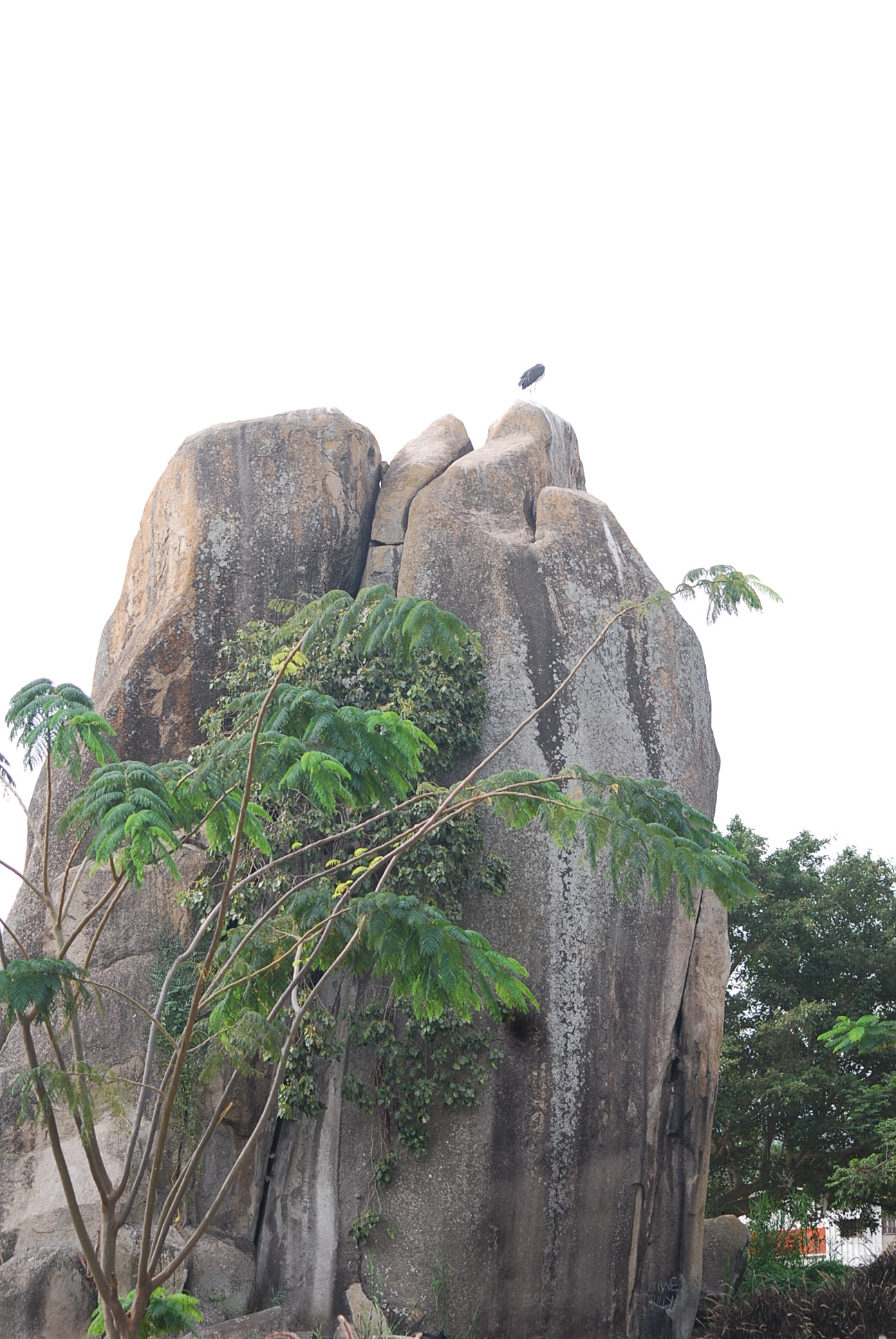
Arriving in Mwanza, you fly on top of Lake Victoria. The first things you will see are those cropping up rocks on hills around the city.

It is very beautiful here.

The city is very relaxed. As opposed to Dar ES Salaam, the traffic is light and the temperature is just right. It feels like you are in a place worth visiting. You can reach any part of the city in moments’ notice.

Mwanza
Mwanza

In addition, most people are very friendly and welcoming here. They want to show you where the “it” in Mwanza is…..places for good foods, night clubs, swimming, and the likes. Furthermore, the way they cook Samakis (fish) here is just beautiful; nothing compare to a lake fish…nicely cooked!!!.

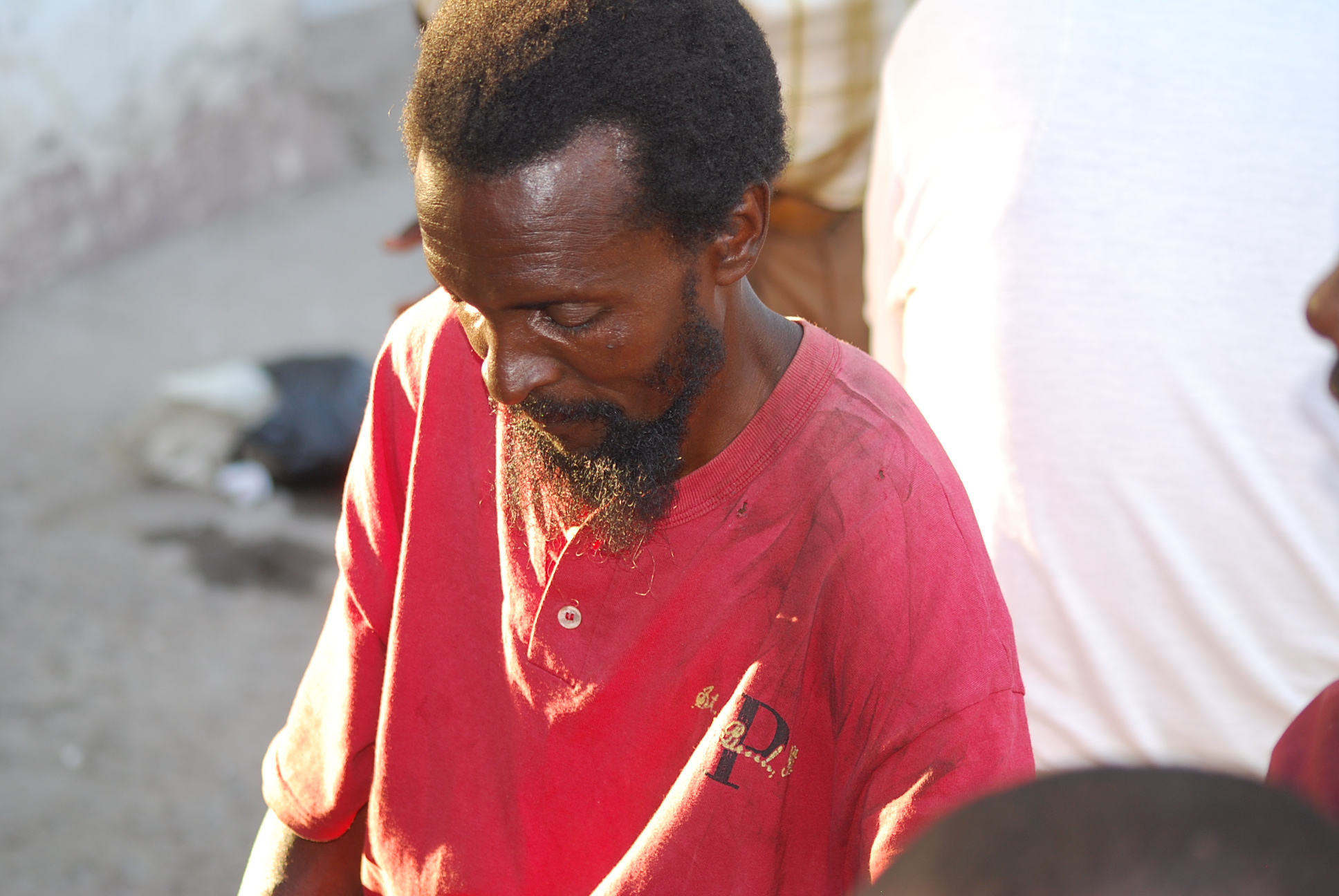
I played "draft" with this guy and lost
I played “draft” with this guy and lost

Pictures of Mwanza will be coming as soon as I find a place to download my pictures. Enjoy…!!!!!!

My first meal in Mwanza
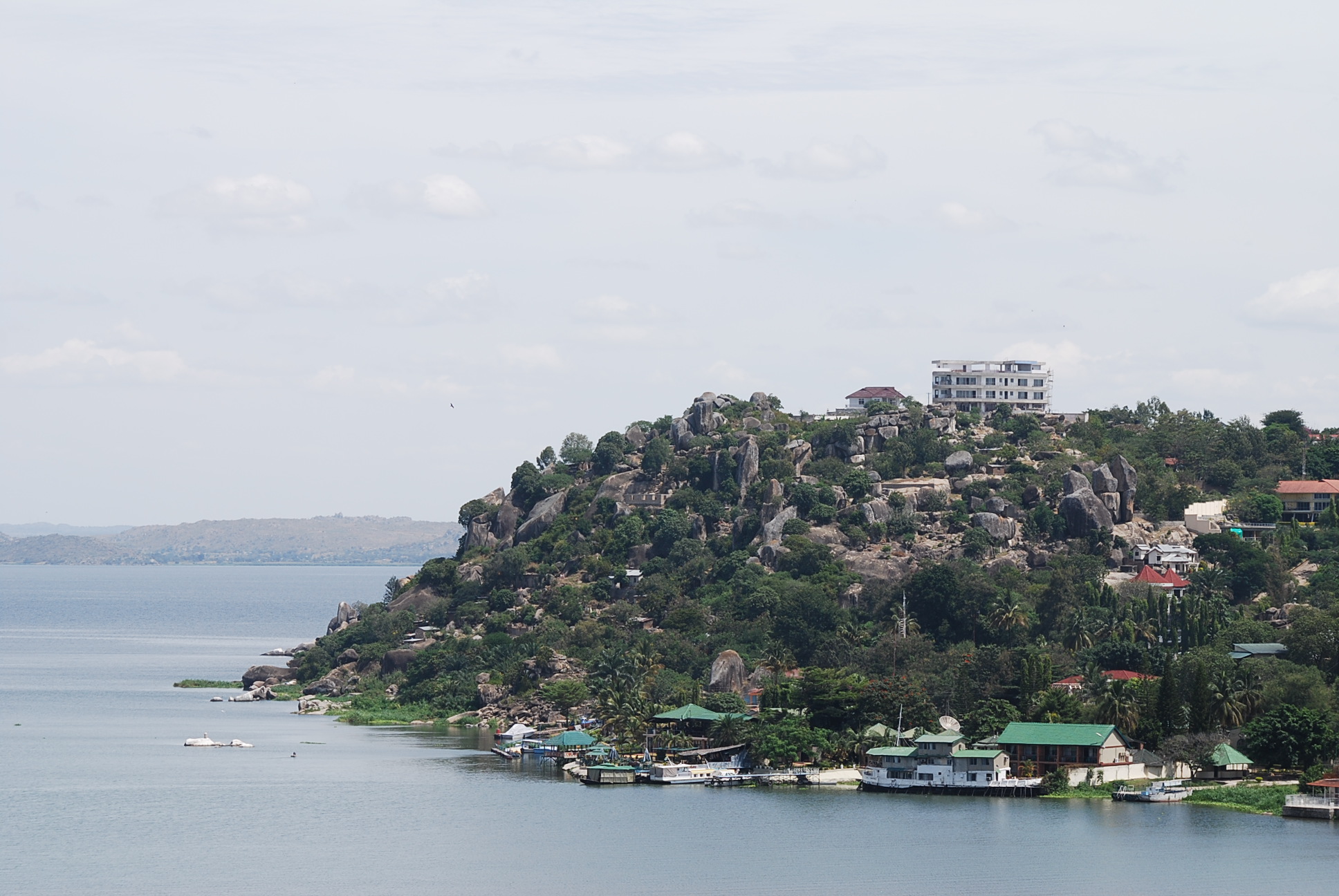
Lake Victoria View
Lake Victoria View

Will Uranium Mining Be a Natural Resource or Curse to Tanzania?


Dr. Shaaban Fundi

Will Uranium Mining Be a Natural Resource or Curse to Tanzania?

Tanzania will soon be joining African countries like Namibia, Niger, and Malawi as uranium exporters if proposed uranium mining projects are approved by the government. Short term benefits of uranium mining include job opportunities for thousands of Tanzanians and tax income for the Tanzanian government. These benefits cannot be ignored. However, the long-term health and environmental consequences associated with uranium and all other mining activities also need to be seriously evaluated.

One important environmental consequence of uranium mining is that the process uses enormous amounts of water. A recent estimate by a mining company in Namibia, Canadian Forsys Metal Company, suggested that its mining operation utilizes 1 million liters of water per day. One of the proposed areas for Uranium mining in Tanzania is in Manyoni District in Singida region. Water is already a scarce commodity in this region and it would be very unwise to let one company consume so much water at the expense of current inhabitants.

In addition to using enormous amount of water, uranium mining relies on open-pit operations which leave huge craters once mining activities have ceased. The soils in the remaining craters are usually contaminated with radioactive materials and therefore the soil become useless for many years in the future.Furthermore, radioactive dust particles can travel by wind to larger areas and affect the health of communities surrounding the mining areas. It has been documented that exposure to even relatively low levels of radiation over a long period of time can be extremely harmful to the health of workers and communities living around uranium mines. What plans are currently in place to ensure that the workers and people already living in these areas are protected and will be taken care of if this radioactive contamination should occur?

Current estimates suggest that Tanzania has about 53.9 million pounds of uranium oxide deposits and at the current price of $41 per pound, these deposits are worth an estimated $2.2 billion. Despite the estimated large sum of dollars, Tanzania has no control over uranium pricing variability on the world market. Demand and supply does. Yet very few countries can actually use uranium for energy generation and bomb creation due to its high cost of operation, need for skilled personnel, and international restrictions on development of nuclear programs. If global demand for uranium were to decrease, the estimated value of these deposits would also decrease. Thus, it is unclear how much revenue uranium mining would really bring to Tanzania.

Furthermore, the Tanzania Mining Act of 1998 gives a disproportionate amount of revenue benefits to mining companies. This has meant that the average Tanzanian citizen has seen limited benefit from current mining projects while the vast majority of profits go to mining companies based in other countries.  Take gold, for example. Tanzania is the fourth largest producer of gold in sub-Saharan Africa behind Ghana and South Africa. Yet Tanzanians have failed to benefit from the gold mining ventures in the country. What assurances do Tanzanians have that it will be different for the proposed uranium mining ventures? Given the serious environmental and health impact associated with uranium mining, Tanzania needs a Mining Act that will address the health and environmental concern of its citizens and that will ensure local communities also profit from mining activities. Without a comprehensive legislative framework to deal with all the implications of uranium mining, Tanzania opens itself up to abuse by companies who pursue an agenda of short-term profits and pay very little attention to the long-term health and environmental consequences for the host country and its citizens. Tanzania needs to develop a legislative framework and monitoring program to ensure these companies will protect the welfare of their workers and the environment before allowing mining to start. These tasks require a high level of technical competence and strong political will.

The decision whether or not to proceed with uranium mining in Tanzania should be discussed thoroughly with all stakeholders including the mining companies, the government and the local people residing in the proposed mining areas and in the transit routes. The locals should be told about the potential benefits and consequence of the proposed mining including the increased risk for developing cancer associated with living or working in uranium mining areas. Who will be responsible for their health once they start to develop cancer related illnesses? The water issues also need to be looked at carefully. How can the community and the uranium mines share the water resources so that there is enough water for everyone? How can the community share in the revenue generated by the uranium mines? And finally, who will be responsible to remediate the contaminated soils in the crater that will remain after mining operation ceases? These issues need to be decided before the Tanzanian government approves uranium mining in the country.