Will the “Kiswahili only” Language of Instruction Model be the Answer for the Massive Failures in Tanzania?


This debate come and go every year when the dismal pass rates of our secondary and primary school students are announced. This year, this same debate came with a twist. The guardian newspaper reported recently that the Deputy Minister for Education and Vocational Training Philipo Mulugo and the government of Tanzania are in the process of drafting a new policy to make Kiswahili the language of instruction in both primary and secondary schools in Tanzania.

It is indeed true that the current system is not working. Everyone agrees with this premise. To make this situation worse, there is no ideal solution to the problem. This problem is so complex and multi-faceted.

While I see the value of a Kiswahili only model in improving students’ scores and comprehension for all the subjects matter, I fear that this new system will only perpetuate the already existing stratified education system in Tanzania between the very few “ the haves” and the majority of the “have-nots”. The “haves” will continue to send their children to English Medium Schools while the poor will be stuck with the Swahili only schools, creating a country of masters and slaves in the not too far future. If we are not already there?

Is this what we really want?

the path to improving the system relies on a strengthened bilingual education system model.  A strengthened bilingual education system model will put enough resources to colleges to be able to teach teachers the current research based teaching methods which will not only benefit educators but, students as well. To provide professional development opportunities for teachers by improving their working conditions, to pay them a livable wage, and to attract more people to become teachers. Furthermore, to encintivise the good teachers to stay in the profession for a long enough time for them to become competent and efficient educators. Without those kinds of incentives, the change of language of instruction alone will not yield anything worthwhile.

The argument that changing just the language of instruction will yield the desired results is flawed. Don’t we already have English teachers in these schools? Why then are the students not learning English proficiently?The problem impacting the education system in Tanzania is not largely due to the language of instruction.  If that was the case, we would see a huge pass rate in primary schools where mostly everything is taught in Kiswahili. The TWAWEZA report on this matter last year point to the contrary. Kids are not learning anything worthwhile in primary school either.

Resources needs to be improved, from teacher quality, the teaching environment, and to teaching tools.

I realize that there is a huge difference between learning English and being taught in English. Switching just the language of instruction will not be the solution to the massive failure rates in both primary and secondary schools. The problem is deeper than that. Huge systematic and policy changes need to happen before we see a real and meaningful uptick in the pass rates. Maybe pairing our existing teachers with teachers from abroad over a long time “ten years” could be something to be explored. The East Asian countries used this model and they are doing very well. Maybe we can learn from them this time around.

Tanzania Form IV Results 2011: Abysmal Again.


Once again, it is that time of the year when the Form IV results from the Tanzania National Examination Council comes out.  To be specific, the 2011 Form Results were officially announced yesterday.  This is the time when I post the snippets of what has happened with the numbers. My prediction looking to the future last year was that, the pass rates percentages will remain largely low in the foreseeable future.

The major factors contributing to the low performance are many. I will list just a few: 1) The Ward school’s lack of well qualified staffs and resources and 2) The social promotion of those who failed Form II Examination is catching up with the ill-advised policy, 3) Lack of English proficiency for the language of instruction for both students and teachers, 4) Lack of content knowledge and  pedagogical skills for the teachers (quality instructional practices).

Here is the breakdown (Tanzania Form Four, Pass Rates 2011a) of the number for the 2011 just announced results. Out of 459,324 students who registered to take the examination, 426,314 students took the exams and 53.37% of them passed it.  There was a 2.63% uptick in pass rates for this year comparing to last year’s results of 50.74%. The 2011 results are still approximately 20% drop from the 2009 pass rate of 72.51%.

Just looking at the numbers on the attached Excel graph, there is no significant performance improvement graphically speaking. Failure rate stabilization is the correct term to use in this year’s characterization of the Form IV results.

The results provided by NECTA did not provide a meaningful disaggregation of the 53.37 pass rate for this year. Meaningful numbers of the 53.37% who passed the exams; how many got division Ones, twos, threes and fours? Those numbers would offer a better picture than the pass rate comparison that is currently used. Here is graphical representation of the(Kwiro Center Form IV Results 2011 ) in Mahenge-Ulanga, Morogoro.

Maybe the failure rates have hit the bottom, but I would not say that there was a performance improvement in exams results this year. The numbers will largely stay at this level for years to come until the four factors I mentioned earlier have been addressed.

Putting Kiswahili on the Atlanta Map of World Languages.


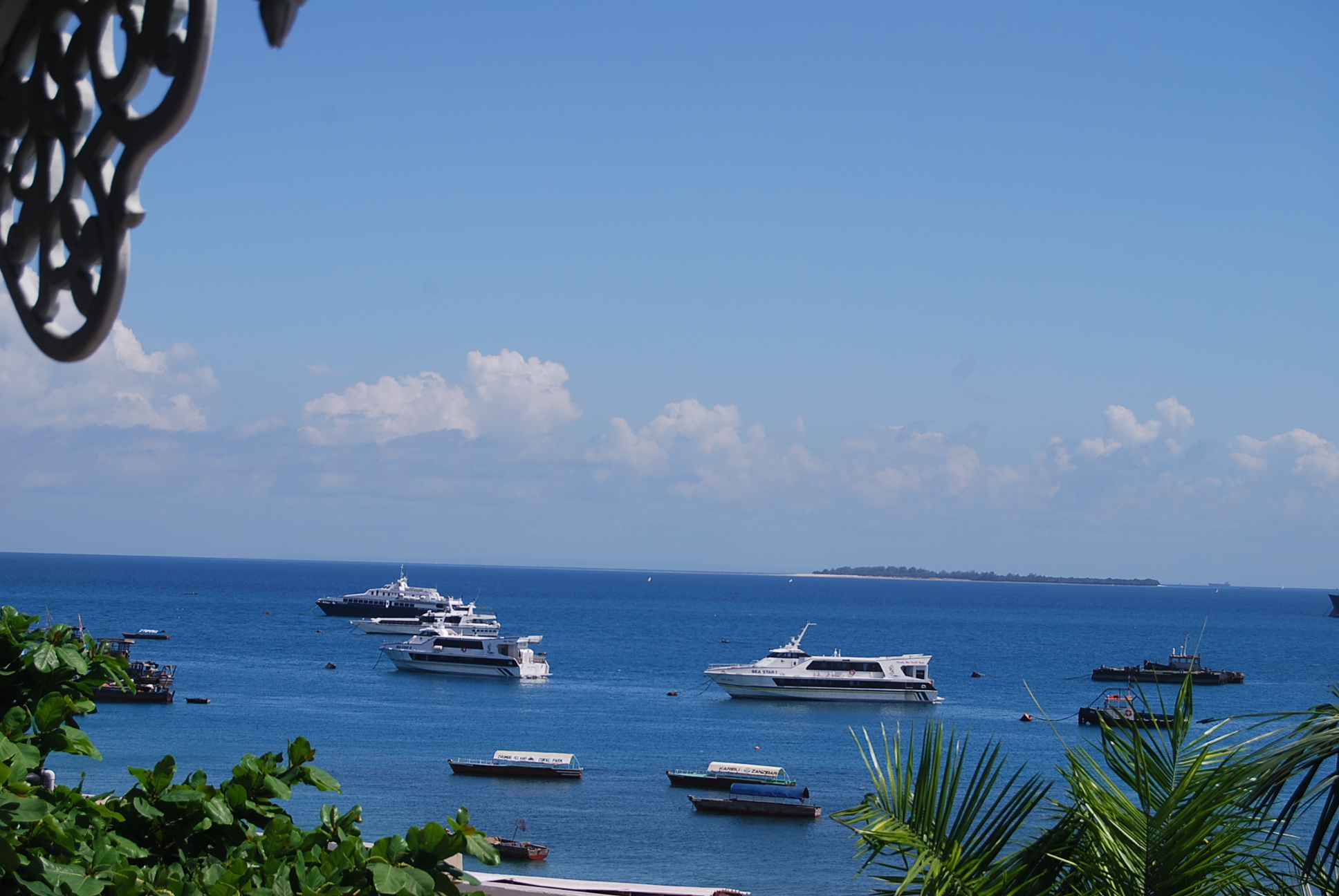
A Beautiful Sunset in a Swahili Beach, Zanzibar

I will be teaching a 90 minutes Swahili lesson for beginners in Atlanta on July 11th, 2012 from 6:00 to 7:30 pm. Come join me and other international language LOVERS from across this lovely city of Atlanta.  This lecture is part of the CASIE Atlanta Language Meet-Up.  The Speakeasy is a monthly meeting showcasing a model language lesson taught entirely in the target language.

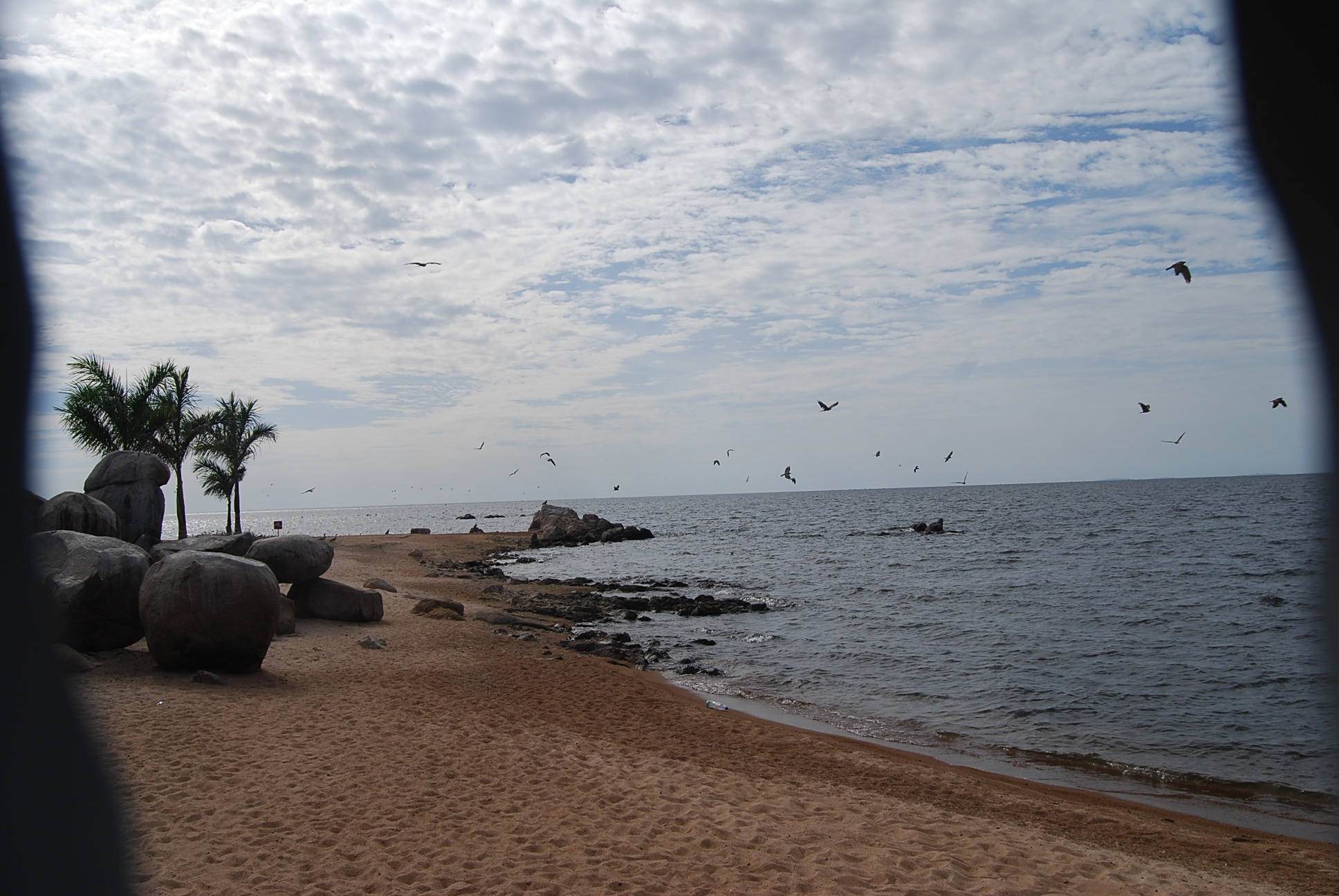
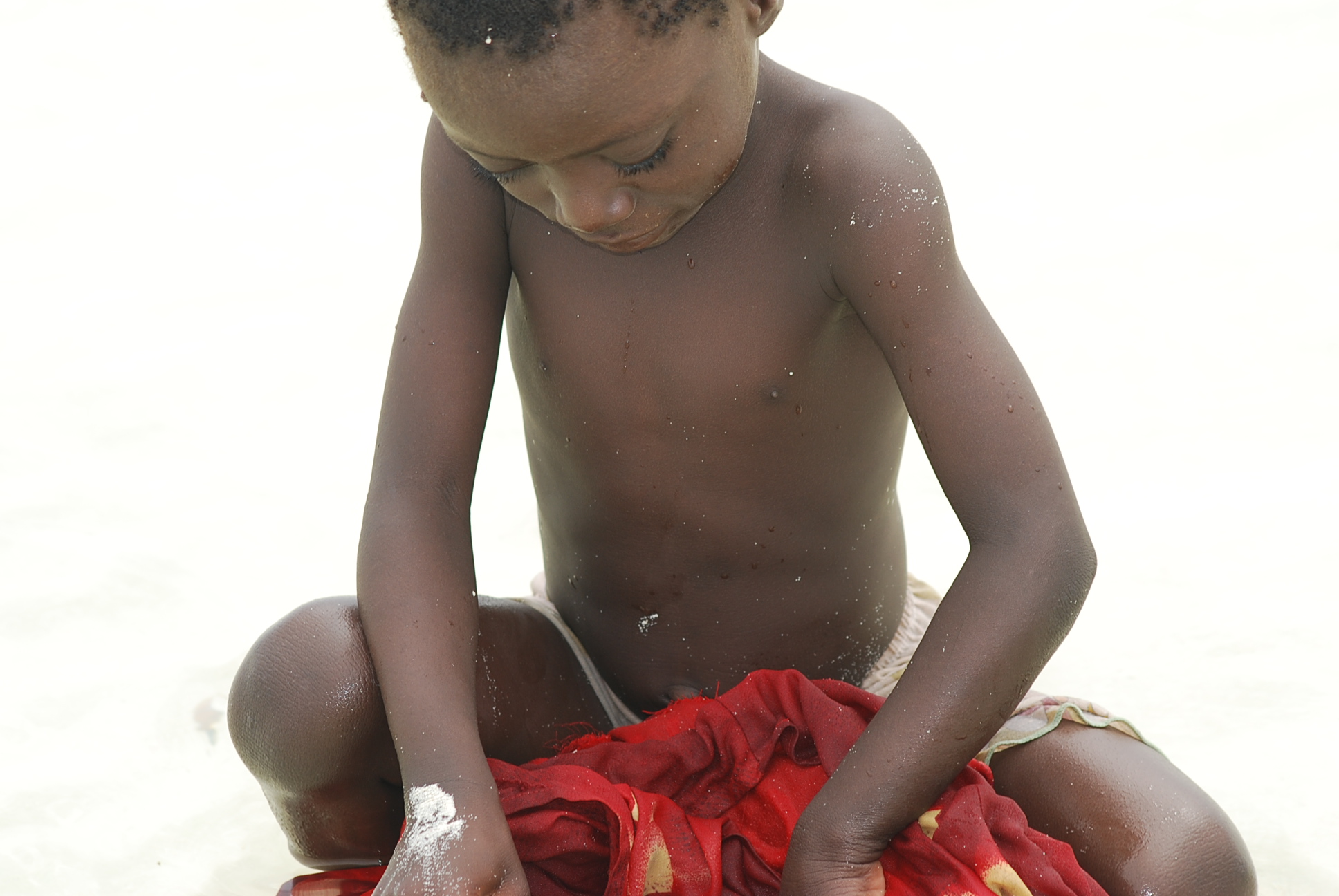
A Swahili Child Picking Up Crabs During a Low Tide, Zanzibar

It scares me a little to be speaking and teaching Swahili for 90 minutes to a group of 23 people who have never heard a word of Swahili before other than Simba, Pumba, Rafiki and/or Hakuna Matata while watching the Lion King.

I know it is going to be a challenge. Engaging a huge number of grown-ups for that length of time and building interest in them to learn Swahili beyond the basic greetings is going to be hard to say the least. I do love the challenge though and I will make sure that my first impression will last long enough to make them want to come back and learn Swahili to conversational level of proficiency and beyond.

This is a quote from the CASIE Atlanta website: “There are many organizations who promote languages, but no organizations who offer face to face instruction with a focus on communicative approaches for learning language”.  For this and other reasons, I feel it is very important for me to get involved in Atlanta to put Kiswahili language on the map. I know there are many African and other world languages that are spoken in Atlanta, but Swahili is left behind due to lack of promotion on our part and the fact that there was no a real platform before for that to happen.

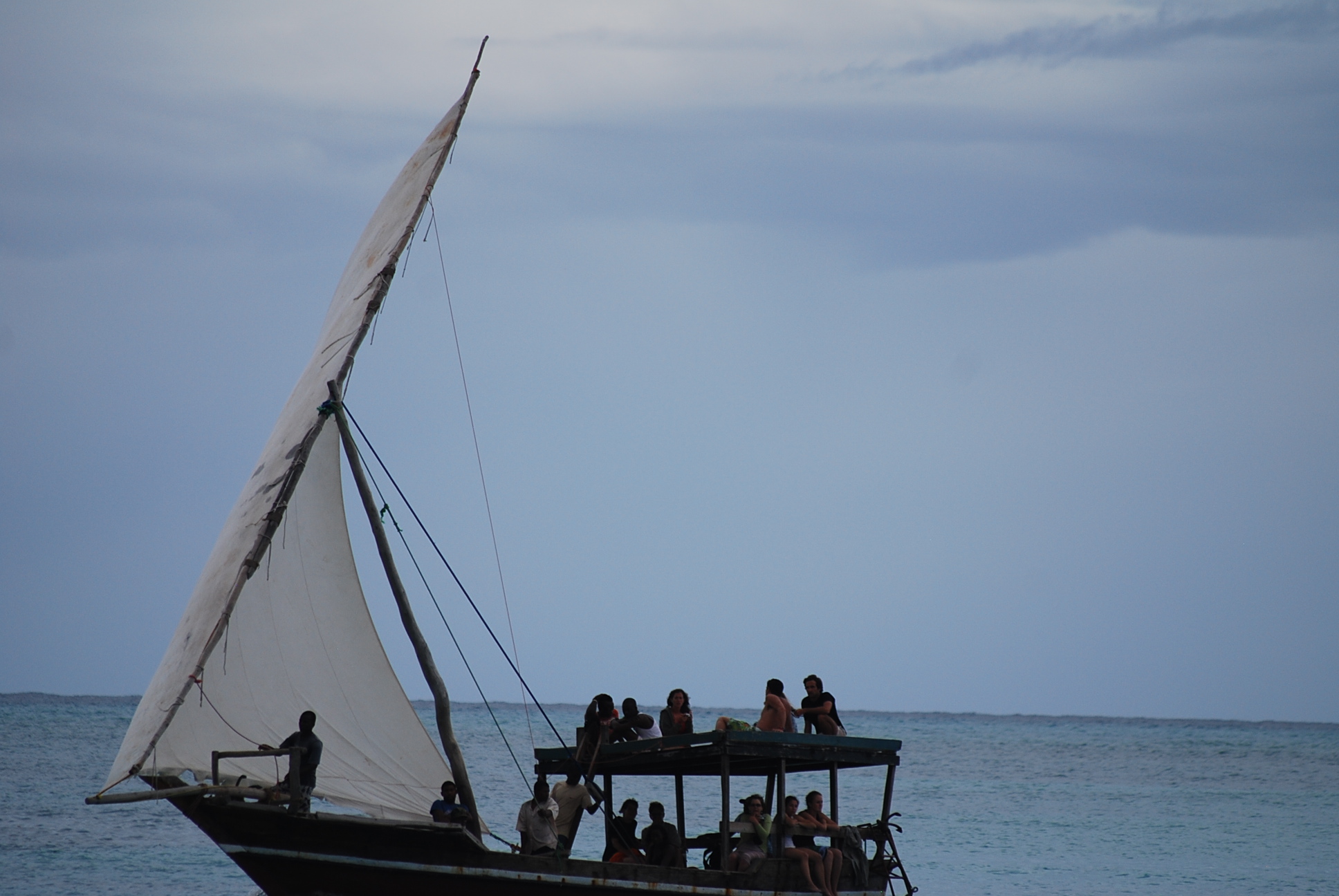
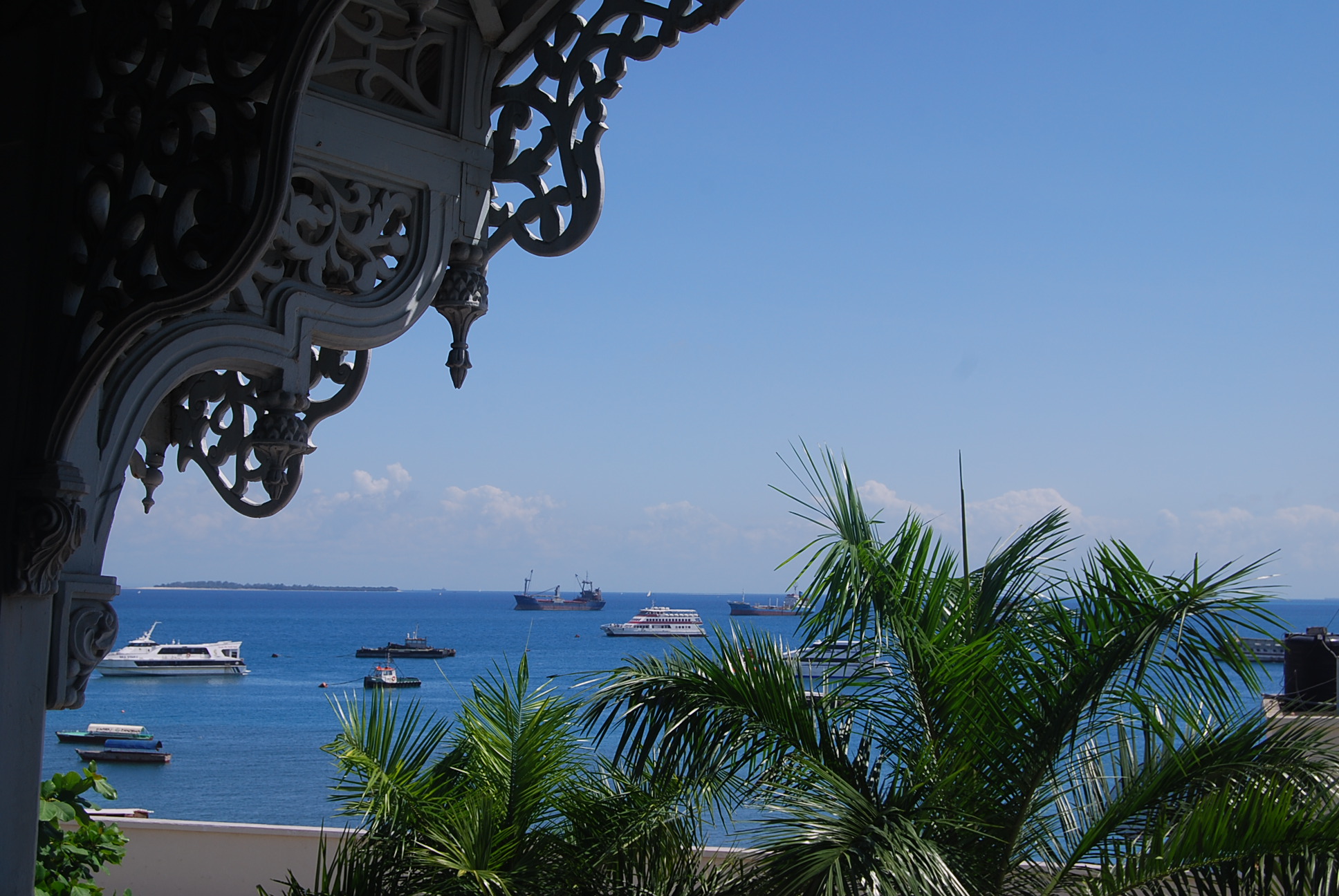
Sailing Party in Nungwi, Zanzibar

Therefore, the Speak-Easy Meet-Ups are a great opportunity for Swahili to get the attention it deserves. There are many people who would love to learn Swahili, but the lack of organized classes for them to take and practice with a native speaker sometimes is getting on the way. I believe with this opportunity; we can change all that.

I need help to do this correctly though. If you know anyone who teaches Swahili to beginners let me know. I will be happy to have a phone conversation with them so that I will be better prepared to deliver a good session. Let’s Put Swahili in the ranks with other major international languages here in Atlanta.

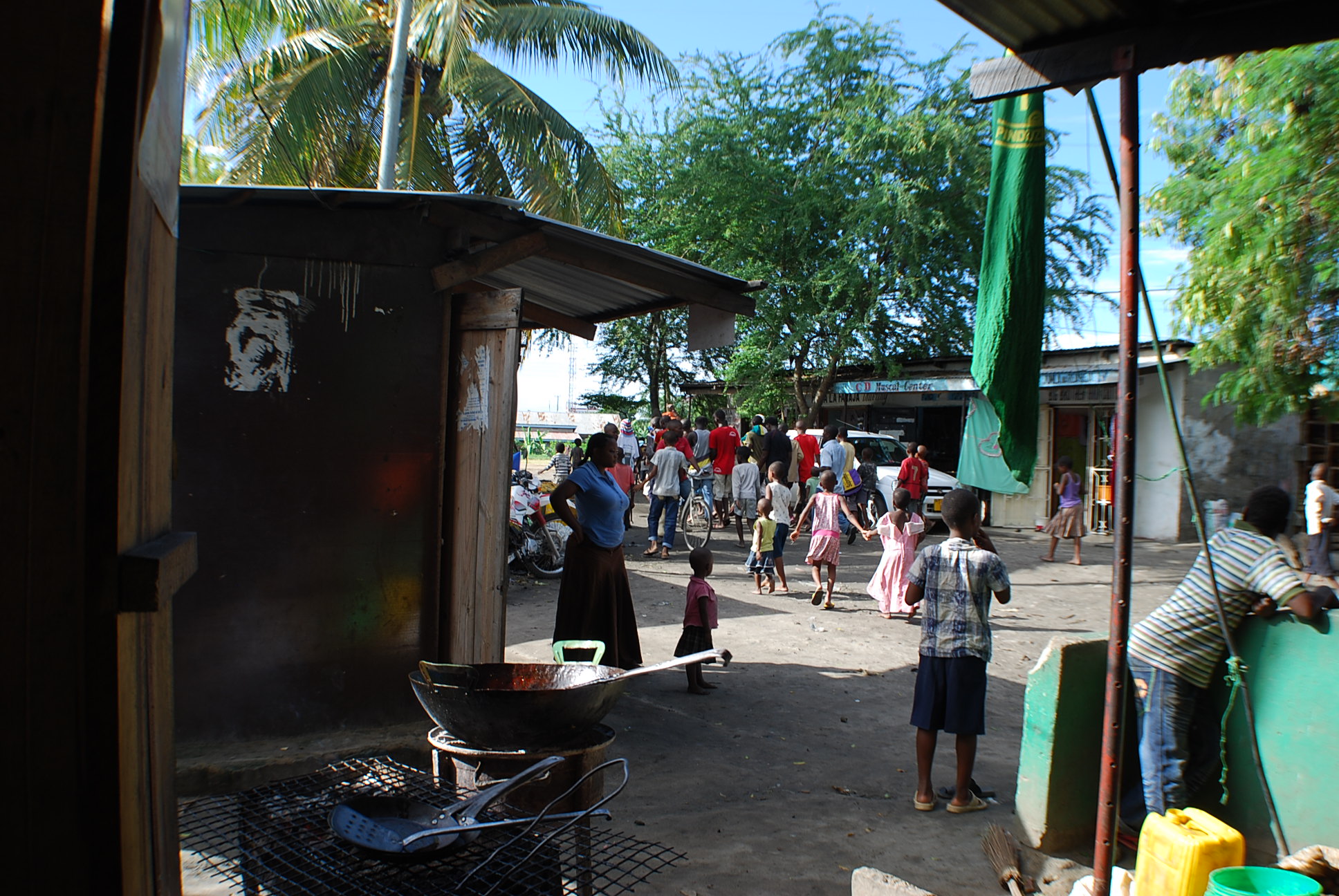
An Evening Full of Life in a Swahili Street, Dar Es Salaam

Analyzing the Mv. Spice Islander Investigation Report in Light of Mv. Nyerere Ferry Sinking in Mwanza.


According to credible reports, “MV Spice Islander” had a maximum human loading capacity of 600 passengers. However, at the time of its sinking, it was carrying 2470 passengers. That is four times the maximum allowed. Further reports says, 941 passengers survived, 203 passengers lost their lives and 1326 passengers are still missing. I’m saddened by the magnitude of human loss.

The report further states, the cause of the accident was “severe levels of negligence.” Nine (9) people have been arraigned in connection to the accident. The dead and survivors of this accident will be compensated at a rate of Tshs 125,000 for 80 months which is equivalent to Tshs 10,000,000 per person.

The suggested figure is what I have issues with.  I feel like the figures are too low and will not work as a deterrent for future man-made accidents. My understanding is that human life is priceless. To save it, stiffer penalties must be imposed as a deterrent.

My questions are:

  1. Why payments are based on the basic salary levels?
  2. What made the commission to assume that all these people were going to die in the next 6 years and a half (80 months)?
  3. Why not use established income earning potentials for each of the passengers and life expectancy figures to figure out the payment?

This was an opportunity to severely punish those involved so that it will be a lesson to them and for others currently benefiting from this kind of behavior. Don’t let this incident be another missed opportunity like MV Bukoba. This should be a wake up call to shipowners, bus owners, and everyone involved in the transportation business. They needs to understand that “if you cause an accident due to negligence” leading to a loss or loss of lives; severe consequences will follow. The “kazi ya mungu” excuse should not be be the norm.

Once a person purchase a ticket, it’s a contractual agreement between the two parties and that the latter will transport the former safely from point A to point B. These contracts need to be honored. Maybe in the future (“that means now”) the government could implement a system that forces bus, ship and any kind of transportation business owners to declare the insurance value of a passenger and luggage on the back of the ticket in case an accident happens.

My belief is that if the owners are subjected to stiff penalties whenever accidents happens and are starting to see that their profits are being eroded; they will make sure that accidents due to negligence will not be a daily occurrences in Tanzania. To make them change their minds and put safety measures before profit, you have to hit them where it matters most—profits.

In addition to a deterrence on the part of the ship, buses, and any-other type of transportation owners. Citizen awareness campaign regarding overcrowding in public transportation needs to be carried out. It seems people are not learning from these incidence. More campaigns on road safety and problems associated with overcrowding are severely needed.

I will end you with this, “the definition of insanity is doing the same thing over and over while expecting a different outcome.”

The Killing shall continue……..

Tanzania STD 7 Results 2011: The ups and the downs.


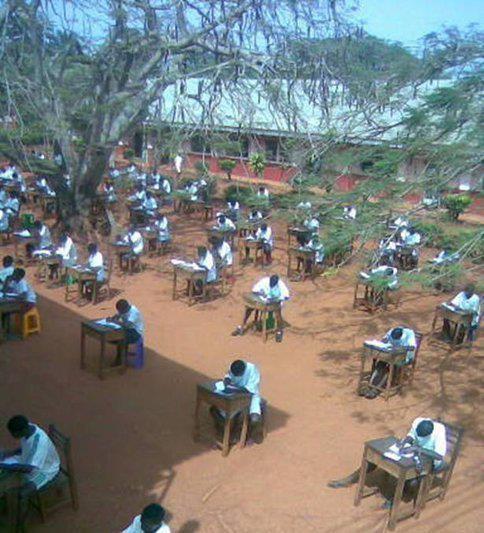
How Can They Cheat
How can a student cheat under these conditions?. Leaking exams–maybe the culprit.

There is a Swahili saying that goes like “when elephants fight, it’s the grass that suffers”. This saying came to my mind today as I was reading articles and comments related to the release of the 2011 Standard Seven Examination results in Tanzania. A total of 983,545 students sat for Standard Seven Examination in 2011. It is true that some gains have been made on the pass rate of standard seven graduates from 2010 to 2011. There has been a 4.76% jump over the one year period from 53.52% in 2010 to 58.28% in 2011. That in itself is commendable.

On the flip-side, cheating incidents have increased 78.5 times over the same period. From 124 cancelled student’s results in 2010 to 9,736 cancelled student’s results in 2011. Student cheating during examination in the Tanzanian education system is not a new phenomenon. Leaking of examination papers goes way back since the time I was in primary school.

The question is “who is leaking exams at the Ministry, the regional, and the school levels?.” There is no need to be complacent. Leaked examination papers always shows up each year close to the testing period. It is a huge business and almost everyone in the education field in Tanzania knows this. At times, three to five exam papers maybe circulating all over the country. Do we also blame the pupils for that? I also find the mass punishment of the pupils and parents caught up in this mess is excessive. Adults need to be held accountable here and not children. However, I do agree with the suggestions to establish a “Form One” entrance exam to all incoming Form One students to assess their abilities in reading, writing, and mathematics.

What Made 2011 Special for Me?


This was an incredible year. I finally had the opportunity to visit Soweto. It was an incredible moment for me to see the houses of both my favorite South African leaders, Desmond Tutu and Nelson Mandela. 

I also had the opportunity to work with my co-workers to organize an event to raise funds for the Mutombo Dikembe Foundation. I have always thought that I was of a decent height, until Dikembe Mutombo towered over me at the event. The whole experience resulted into a sore neck at the end. Is this how short people feel standing next to me?

I just had to take this photo. The girls were such a beauty along the side of the beach in Nungwi Village, Zanzibar. Aren’t they cute?

 This is the view over a window at the Zanzibar Museum in Stone Town, Zanzibar. It was too beautiful. I had to grab my camera and shoot this amazing scenary.

I had an amazing walk in those sweaty and humid narrow streets in Mji Mkongwe (Stone Town), Zanzibar. The shops are everywhere and the shop keepers are eager for you to unzip your wallet. 

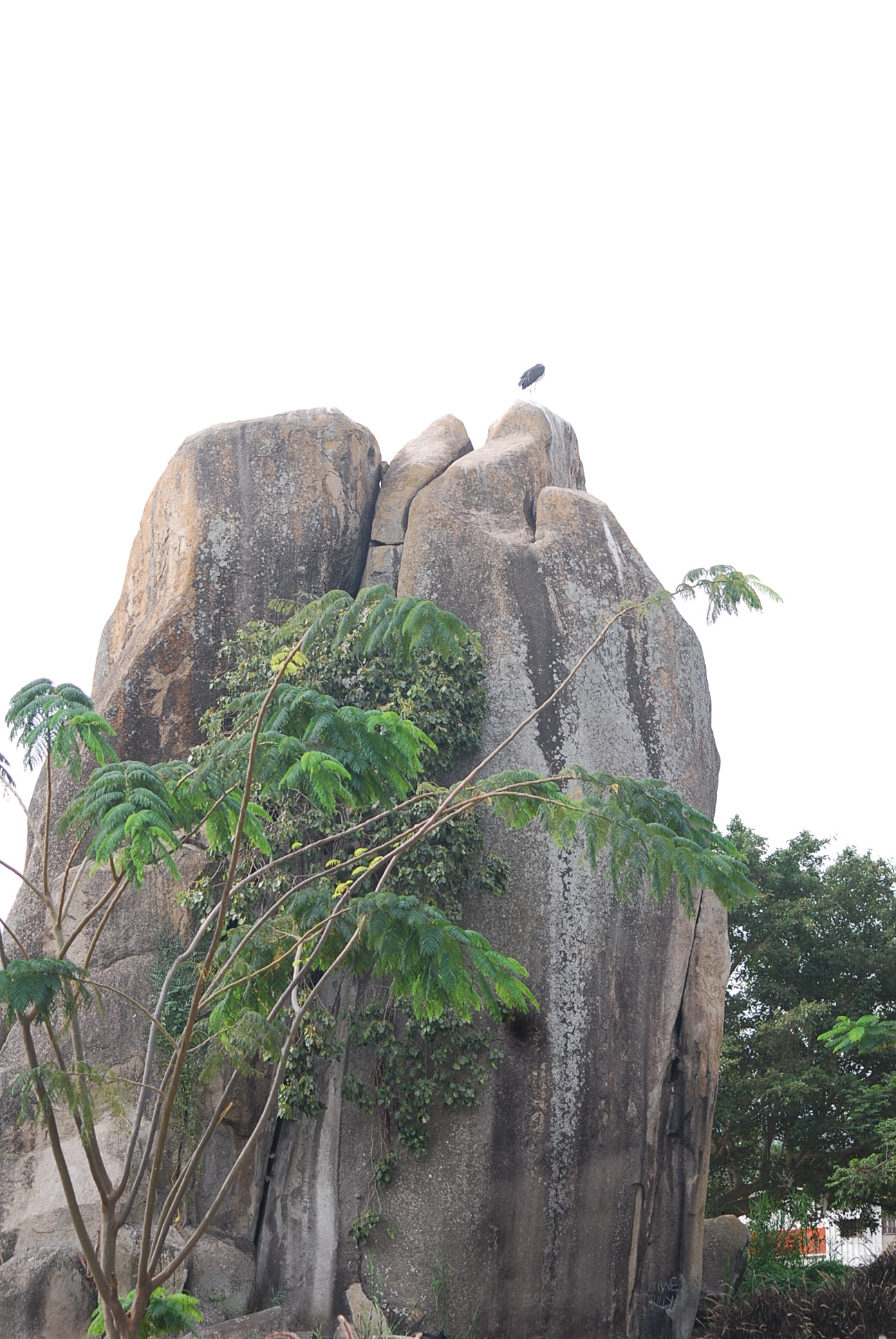
I took the three shots below in the Rock City (Mwanza), Tanzania. I fell in love with Mwanza. The temperature was just right and the price was also right. The city was very gentle to my wallet. I will be here again in the near future.

 I just could not resist remembering this small restaurant just on the outside of the main bus stop in Shinyanga. The menu tells it all. I had to test the “LOST KUKU” and amazingly it was really good for the price. I will indeed eat there next time. Hopefully, I will find myself in this party of the country soon.


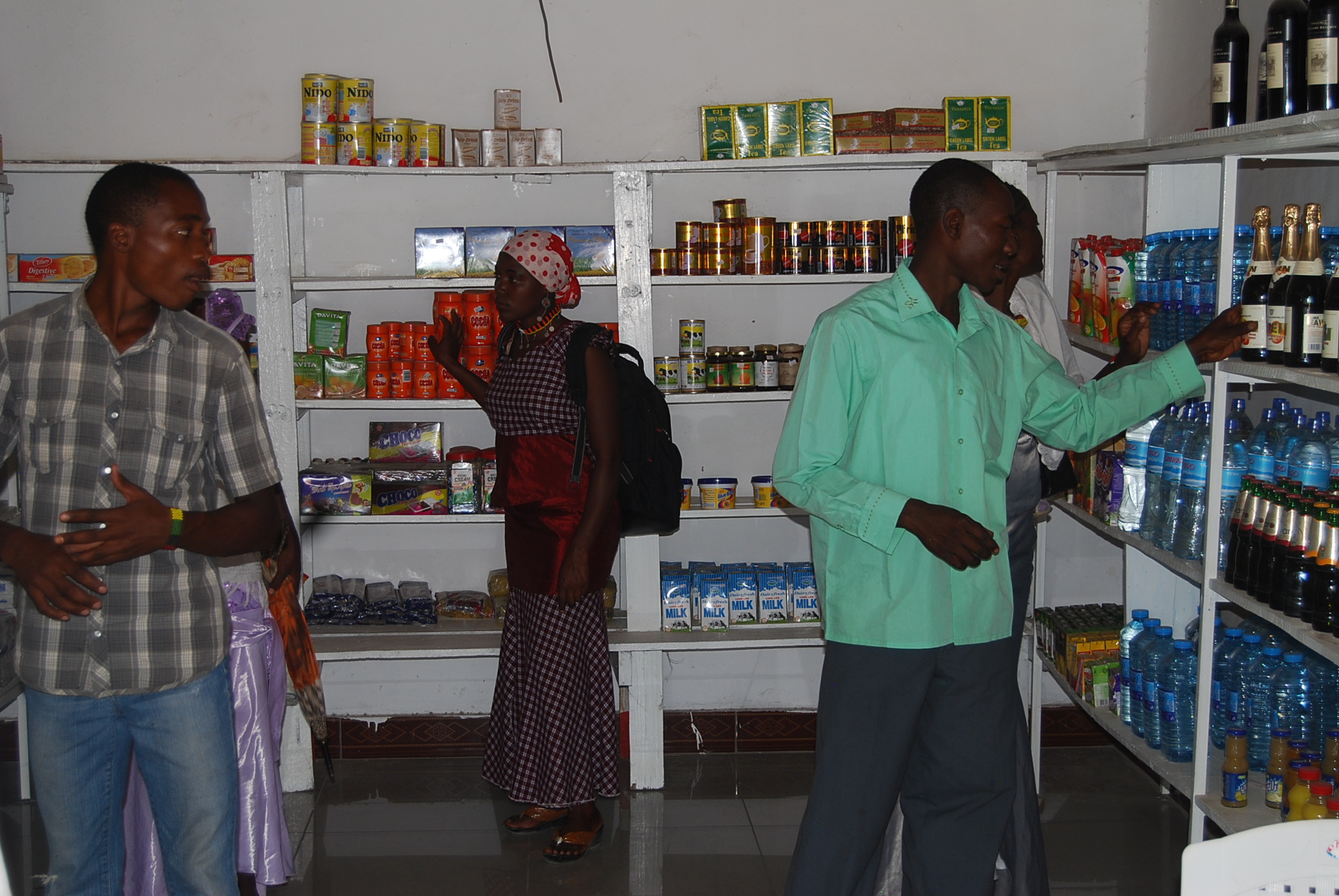
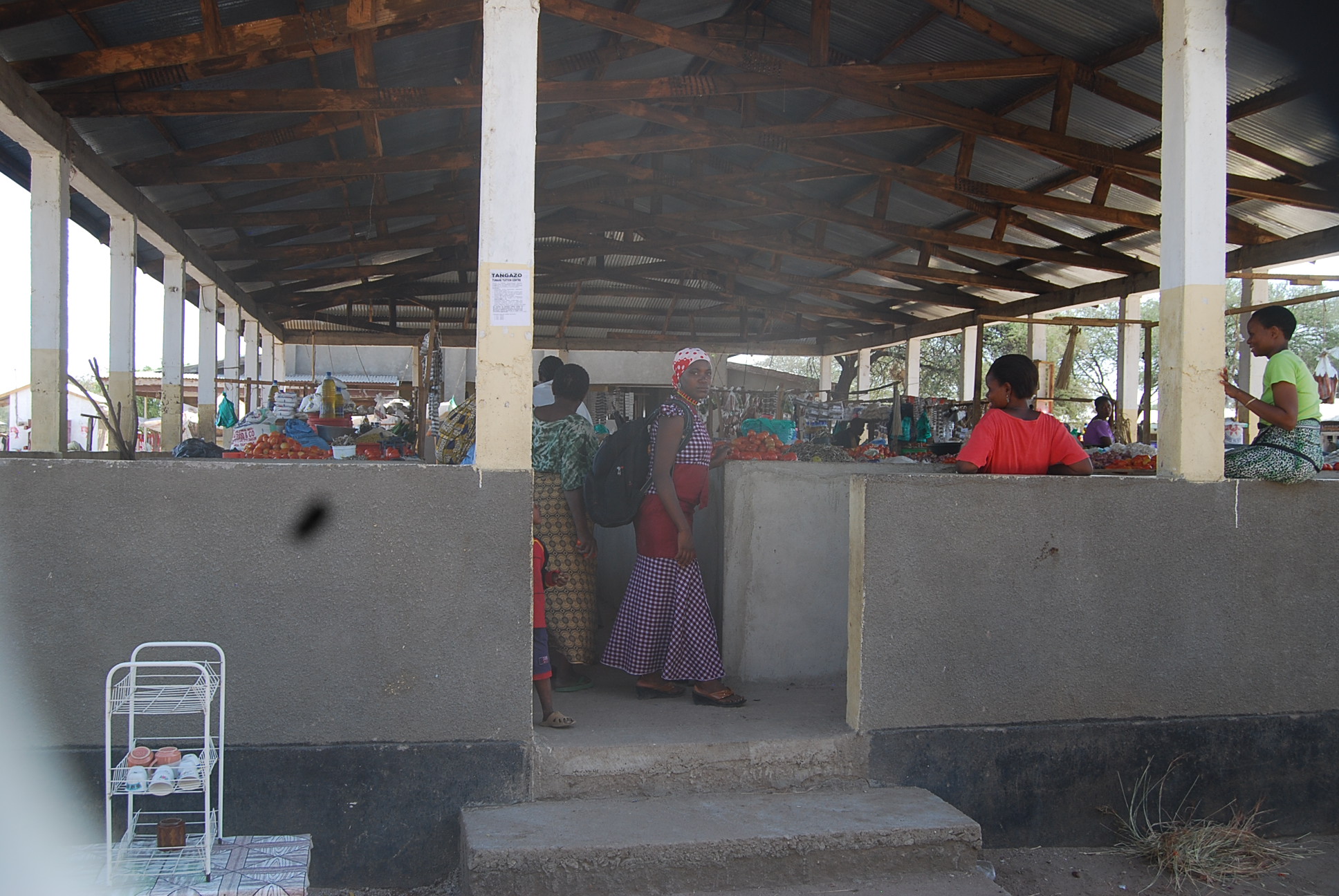
These three shots were taken in Meatu, Shinyanga, Tanzania. This is the only superstore in Town. Despite the lack of necessities in Meatu, I met the friendliest people on earth.

Kibogoji, what else can I say about it. This is the village that I humbly borrowed the name for my blog. The village is located somewhere between madongo poromoka in Morogoro, Tanzania.

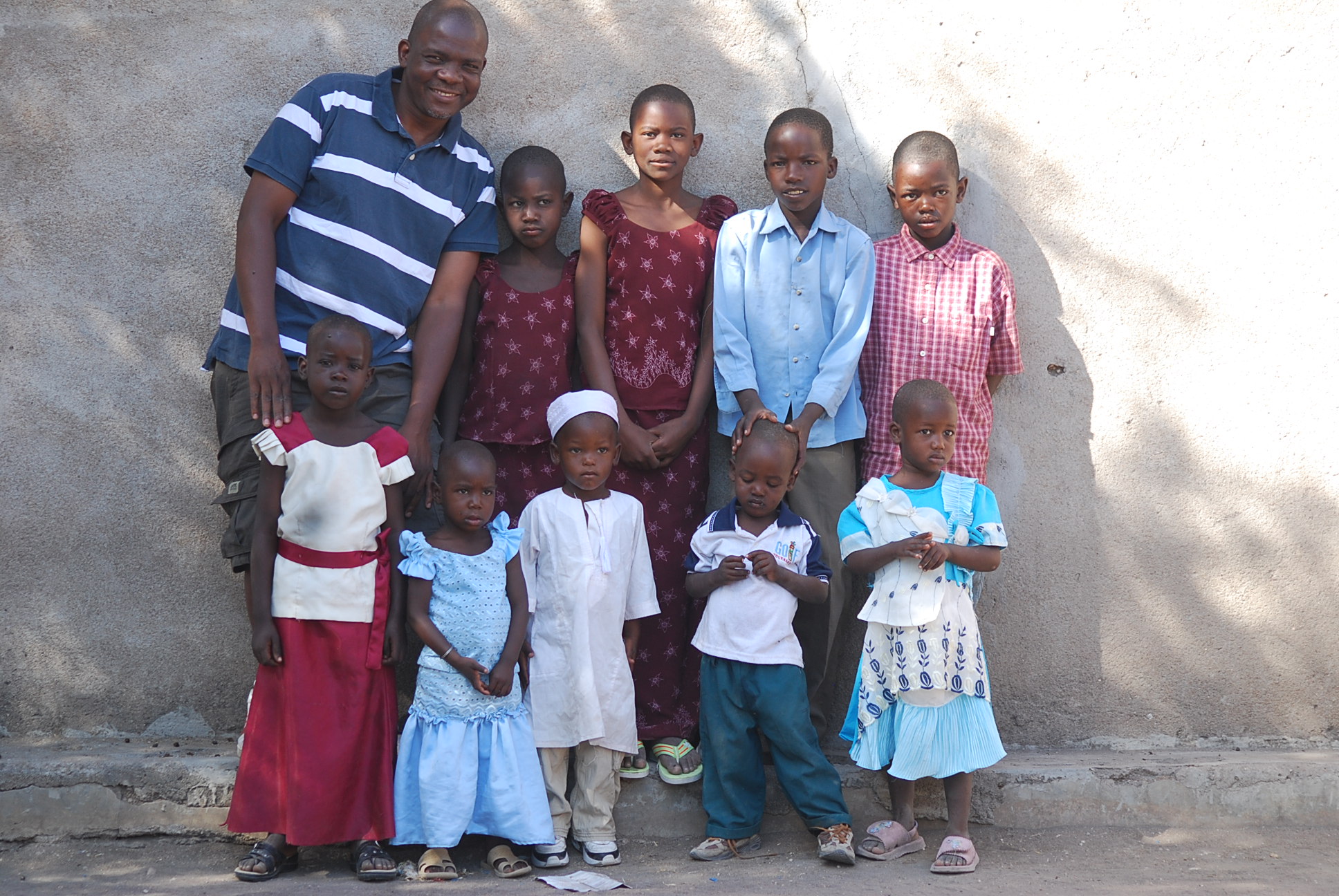
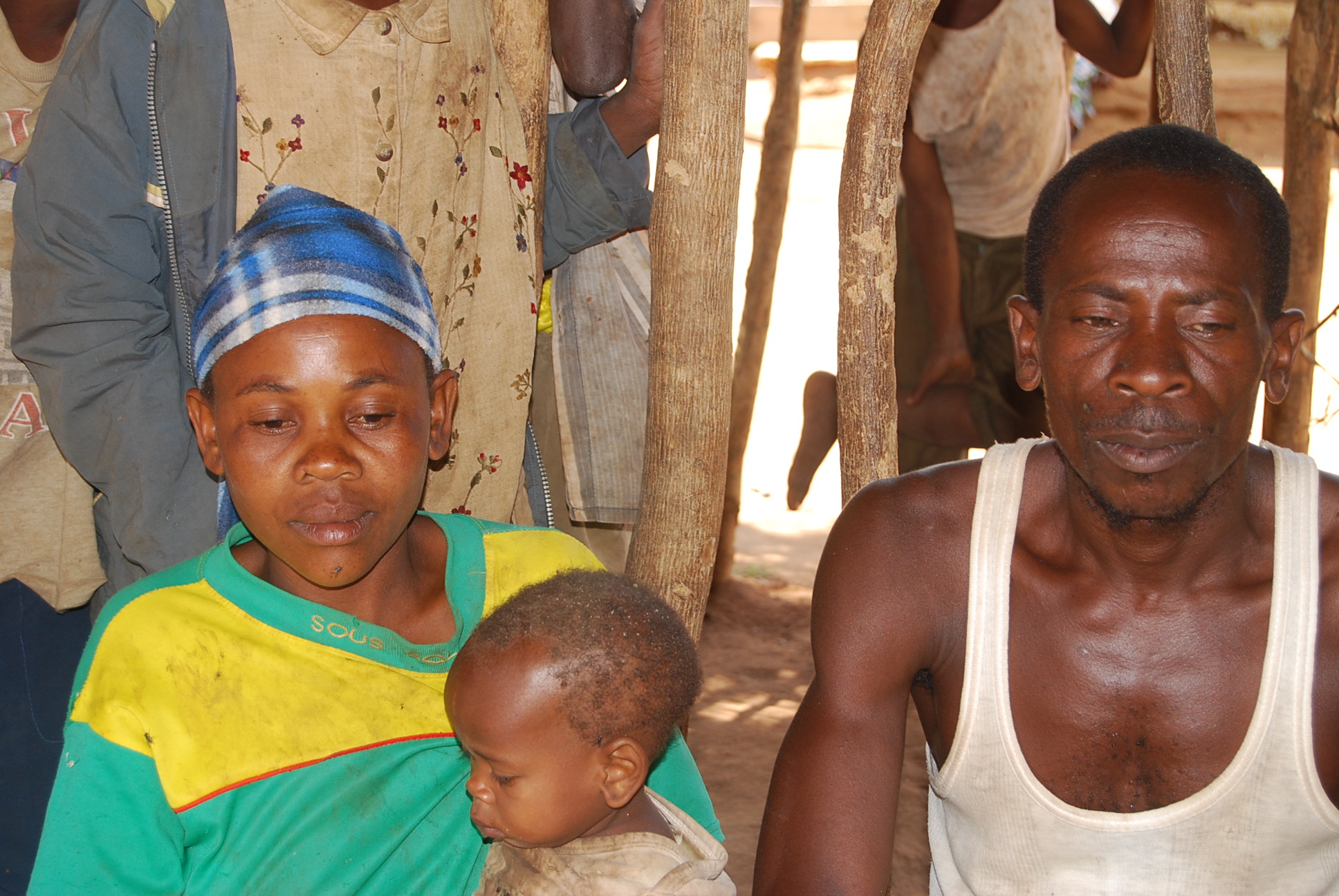
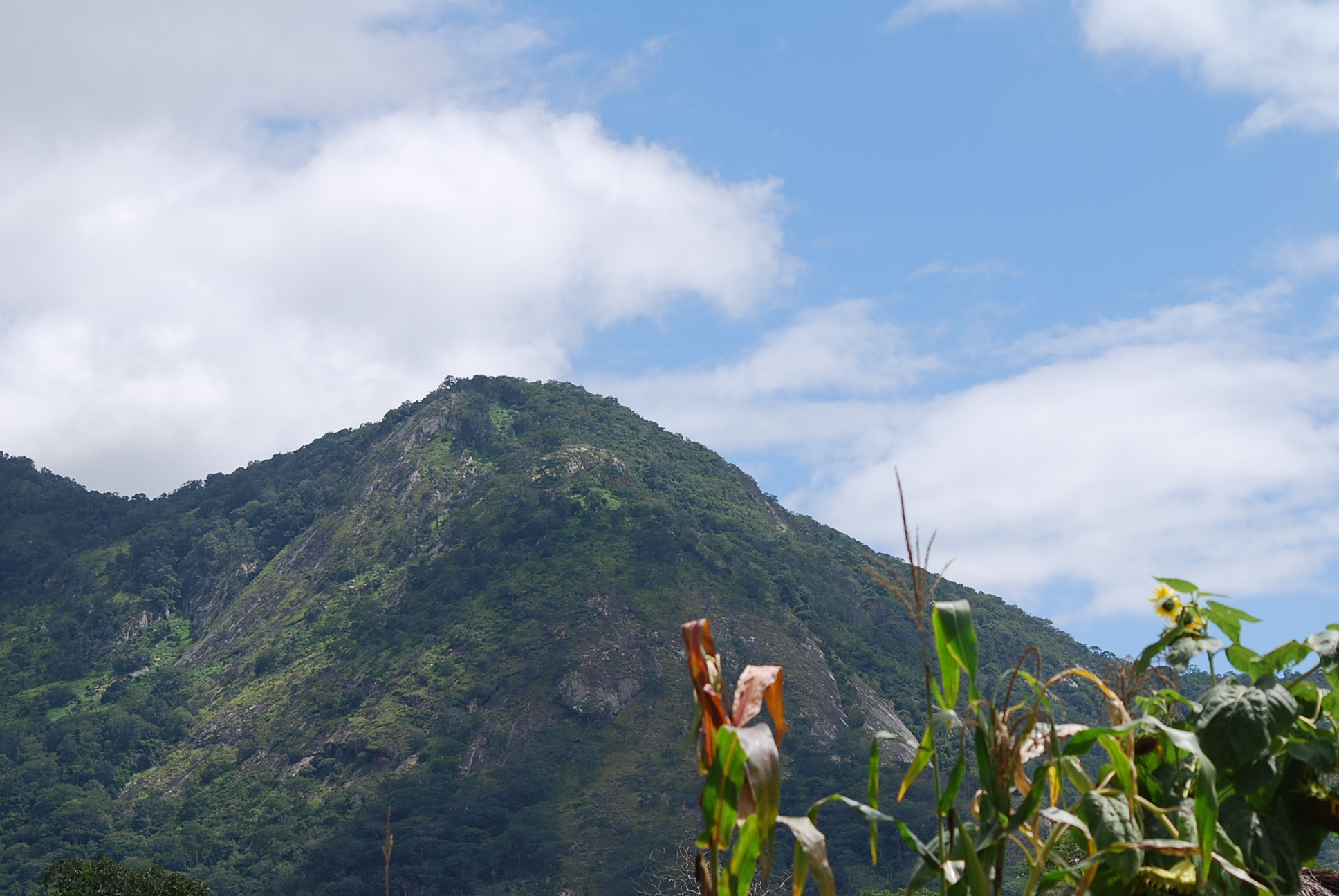
 The three shots above shows some of the residents of Kibogoji.  The next two pics below shows the mountains surrounding the village of Kibogoji.

 Back in Dar Es Salaam. It was such a joy to meet and take photos of the people I love and remember as the year comes to an end. Merry Xmass, hear!!.

Enough with Tanzania and now back to reality-my reality that is.

This woman wanted to take a picture of me at the DICOTA convention in Washington D.C. and I was like ooh no babe! I have to take yours as well. I have no idea who she was, but her image is still fresh in my memory.

Tanzania @ 50: Lets Celebrate??


Tanzania turned 50 years old yesterday. I should correctly say—Tanganyika as there was no Tanzania during the 1961 Independence Day. Tanzania is just a union between two independent states—Tanganyika and Zanzibar (Pemba and Unguja) in 1964.

Tanzania turns 50
Tanzania turns 50

Enough said. Progress is engulfing my mother land. If car ownership is an indication of how we’re progressing as the country’s president said a year ago, then there are no need for those grim statistics by the world-bank ranking Tanzania as one of the poorest nations in the world—just close to and/or next to Mozambique. The roads are filled with them. Puffing and smoking in their rears. At most times, in a city like Dar Es Salaam—the roads turn into parking lots.

The Tanzania @ 50 UHURU celebrations was nothing short of a short-lived distraction from REALITY. F**ck reality man—let show them how we party despite our poverty, lack of infrastructure, a deteriorating educational system, the lack of proper health care system and the list goes on and on.

Anyhow–who cares if our pregnant women give birth on filthy floors, no stationary at most police posts, operations are suspended in Muhimbili hospital due to lack of oxygen, kids are seating on the floor in roofless buildings in an attempt to learn something worthwhile in their tiny lives. Who the f**ck cares!!!

In addition, we continue to borrow without knowledge of when and how we are going to pay for the debt. The next generation is already in debt up to their eye brow. But, despite all this, let’s go on and spend billions we don’t have to throw a party of the “Kings and Queens” of Zwangendaba –just because we can.

Who cares—-next week we will send our leaders all over the world’s capitals to beg again from countries that are themselves struggling economically. Countries that are themselves cutting wasteful spending through various austerity measures. Any-who, let celebrate.

Who is stupid? It’s the wanainchi stupid!

How do you look to other world leaders in the face asking for money to implement your country’s developmental projects under these circumstances. These other countries collect taxes like you do. It’s the tax money from gays, lesbian, transgendered and straight people who support your budget. You also want to have big balls when you are asked to uphold the rights of gays, lesbians and transgendered people in your society? You can take the cash from gays, but, giving gays protections under your laws is against African culture? What hypocrite?

I would be very embarrassed to wear your shoes, however nice or Italian personally designed they may be.

Sokoine: The Old Leadership in Tanzania


Dar Es Salaam 2011
Dar Es Salaam Street (2011)

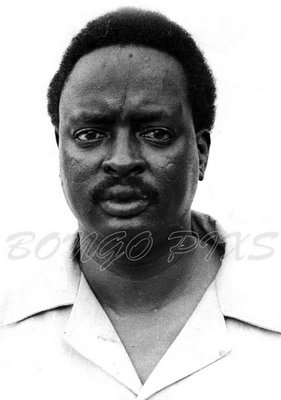
Today, I am taking time to reflect on what is happening to the new order of leadership in Tanzania. I remember when I was little. I mean, when I was very little. Back in the day. The days in the early 1980s.

In those days. A young energetic prime minister tragically died on a terrible car accident close to Morogoro. He died on the-then-newly opened paved/tarmac road from Dar Es Salaam to Dodoma.

I was just a child, thus, my recollection of the events surrounding the accident may not be entirely correct.

However, I have a vivid memory of it all.

Image

Picha kwa Hisani ya Bongo Pixs

Mr. Sokoine passed away from injury sustained after the car he was traveling-in collided with Dumisan Dube’s at Dumila, Morogoro. Dumisan was a young South African freedom fighter living in Tanzania at the time. In the 70s and the early 80s, many South African freedom fighters lived in camps in Tanzania  where they learned general life and military skills aimed at  equipping  them with necessary life and military skills to fight apartheid once they returned back to their home country.

I have no idea what the court rulings for case were. I do not know whether Dube was found guilty or not.

I sometimes ask myself whom was at fault?

or whom was found guilty for causing the accident?

The accident that caused the eventual death of the Prime Minister.

I have no answers to my own questions.

The whole investigation and court ruling was kept secret.

What I know is this–there is still a huge cloud of suspicion onto the manner in which the accident happened.

The accident happened at the heat of the war against economic saboteurs.

Vita dhidi ya walanguzi.

Was the war against economic saboteur the reason for his death?

or was it just a coincident?

I don’t know.

The one thing I vividly remember to date is this:

When Sokoine died.

The whole country was in tears.

Real tears.

Not crocodile tears we often see now-days.

Everyone was mourning the death of a great promising young leader.

At the time.

It was information overload in a sense. Talking about information overload back then–it was kind of weird.

There was  only  one radio station on the dial.

Radio Tanzania Dar Es Salaam (RTD) and  in some occasions the Kenyan Broadcasting Corporation (KBC).

You had no choice but listen to the never-ending four weeks of the Nation in Mourning.

I mean this in a good way.

I could still remember man’s burial ceremony on the radio.

It was like the biggest super-ball game.

The event is imprinted forever on my mind.

The song “kila mtu atauchukua mzigo wake mwenyewe” was in our 277 Panasonic radio (Radio Mkulima).

The only radio we had in the house.

The burial ceremony was broadcasted live on the radio.

It felt like I was in Monduli that day.

Watching his casket lowered to the ground.
It was surreal.

I was  young.

A child.

Like many young minds. I was wondering what happened to dead people.

Do they go to hell (motoni)?

or do they go to heaven (peponi)?

The dichotomy that religion teaches us.

Are there no middle grounds for the dead?

Like.

Half hell.

Half heaven.

The gray area so to speak.

What is it with young people’s mind and death?

Death is sometimes scary to the young mind.

The thought of laying in the grave and being eaten by termites.

I had those thoughts.

The undeveloped thought.

Lack of maturity.

And death is sometimes fascinating to the young mind.

The “goods” of not knowing “too much” of and about what is happening around you.

Of not entirely comprehending the laws of nature.

The laws that suggests the natural cycling of matter in the universe.

That matter is neither created nor destroyed.

That matter has to return back to the ground.
To release the essential elements of life.

Through decomposition.

With maggots

Worms

Bacteria.

Fungi.

So now I wonder.

I wonder what would happen if a leader on the same stature as Edward Moringe Sokoine was ever died on an accident today.

Would the Tanzanians of today.

Full of udaku.

Would they cry?

Laugh?

Celebrate?

Or will they just be consumed with indifference?

I know the current leaders are smart people.

At least that is what they believe.

The Tanzania contemporary leaders.

They have great solutions for everything.

I wonder.

And ask myself.

Would those in power today parade people on the street to show emotion that isn’t there?

How would they do it?

Think of how they buy votes.

Perhaps, they could buy people to cry.

on the street.

For the dead.

Like they do in Ghana.

The crier for hire.

Or will they do what happened in Ethiopia a few years ago when the not so beloved Prime Minister passed away.

Shame.

I feel ashamed.

of myself.

of the people who are being corned.

With the crookedness of the human nature.

corruption.

All for me attitude.

The capitalists attitude.

Materialism.

Wanting more for self.

Nothing else matters.

What happened to human descence

Is it all gone?

I wonder.

And.

I feel like the connection between leaders and their subjects has disappeared.

That connection has completely evaporated.

Disappeared and never to be seen again.

Is it because most of the new leaders have lost touch?

Touch with the people they pretend to lead.

Leadership

In the old day.

In the Ntemi days.

Was being with the people.

Listening to the people.

Working on the people’s ideas.

Finding solutions.

Together.

Nowadays.

Leadership.

Is.

Imposition of external solution.

Solution with no real meaning to the intended communities.

Not organic solution.

Imposing.

Forcing.

Coercing.

And.

The contemporary leaders.

Chose to serve themselves.

Rather than the people who entrusted them with the office in the first place.

Again.

Just me wondering.

Of.

What.

Has.

Gone.

Wrong.

My mind sometimes goes in circles.

Thinking.

Analyzing.

Troubleshooting.

However.

I do not wish for any of you leaders in Tanzania to die.

Of course not.

I am just interested in seeing what will the reaction be?

When.

One of them.

Dies.

Don’t you?

Happy 58 Birthday Tanganyika!!!!

Mimi Sio Mpiga Kura

Neutrinos: Is “physics as we know it” nearing an end???


By: Shaaban Fundi,

The end of Einstein era?I read with interest the article by Charles Krauthammer on the www.nydailynews.com today about the discovery of neutrino particles that travels faster than the speed of light.

If this experiment and the discovery happen to be correct, then most–if not all of the Einsteinian theories in physics will be absolute. It will set a precedence to the dawn of new physics laws and theories.

It is hard to imagine that what we have been made to believe for almost 100 years was (or might be) fundamentally incorect. What is next for physics? Are there other flaws to other sciences that we’re unaware of?

It is the waiting game now for more scientists to replicate the experiment and come up with same or different results.

At the end, we will always love you Einstein (in Whitney Houston’s Voice).

Click here for original article.

Suggestions for Teaching English to Native Swahili Speakers.


Shaaban Fundi,

Last week I conducted several interviews with Swahili speaking students at a local community college in Atlanta. Amongst the interviewees: three were from the Democratic Republic of Congo, one from the United Republic of Tanzania and four were from the republic of Burundi. The eight students spoke Swahili with different dialects.

By definition, Swahili or Kiswahili is a “Bantu language spoken by various ethnic groups inhabiting a large Indian Ocean Coastal stretch from Mozambique to Somalia”. The countries include: Tanzania, Kenya, Uganda, Rwanda, Comoro, Burundi, Malawi, Zambia, and Congo DRC.

I learned from the interviews that Standard Swahili has 5 vowels phonemes. The vowels are: a, e, I, o, u. And that the vowels are never reduced, regardless of stress. The vowels are pronounced as follows:

“a” is pronounced like the “a” in pasta
‘e’ is pronounced like the “e” in bed
‘i’ is pronounced like the “i” in ski
‘o’ is pronounced like the “o” in “or”
‘u’ is pronounced like the “oo” in “bassoon”.”

I also learned that like in numerous Bantu languages, Swahili arranges nouns into a number of classes. The ancestral system had 22 classes. Counting singular and plural as distinct according to the Meinhof System. Most Bantu languages share at least ten of these noun classes. Swahili employs sixteen nouns classes: six classes usually indicate singular nouns, five classes usually indicate plural nouns, one class for abstract nouns, one class for verbal infinitives used as nouns, and three classes to indicate location.

Some examples of the nouns classes are presented below:
“class semantics prefix singular translation plural translation
1, 2 persons m-/mu-, wa- mtu person watu persons
3, 4 trees, natural forces m-/mu-, mi- mti tree miti trees”

As seen above, Swahili is a very complex language and differs significantly from the English language. The vowels are pronounced the way they are written while in the English language the vowels carry different sounds from the written expression. This difference in particular causes a huge challenge to students who are learning English as a second language from the Swahili speaking cultures. Students from Swahili speaking countries struggle with intonation and word sound relationships in English because this is a very different system from that of Swahili or Kiswahili.

Implication in the classroom instruction

It is very important for educators to understand the linguistic similarities and differences between Swahili and English to have an opportunity to help students like the ones I interviewed. In addition, Swahili has a different system for singular and plural to that used in the English language. The addition of vowels to words does not exist in the Swahili language. Thus, making it harder for Swahili speakers to learn the English language.

Opportunity in classroom instruction:

It would be helpful to educators who teach content specific course to understand the linguistic similarities and differences between Swahili and English. This understanding will help them to anticipate when and where Swahili speaking students will have challenges learning the English language. This understanding will provides educators with an opportunity to help students for Swahili speaking nations to be engaged in their own learning and also in using the new language for other content specific courses.

Educators need to develop lessons that will focus more in helping students new to the English language understand the differences and similarities between the two languages and use the opportunity to highlight how to overcome those differences. For example, educators can start by teaching the students the English alphabet, vowels and word sounds. This will help the students to understand where the two languages are similar and where they differ.

After students have mastered word sounds, educators can go further into reading, writing and comprehension of the English language. The step by step instruction will help many ESOL students to become fluent English speakers and writers and in turn this will have a significant impact on how the ESOL students excel in the content classrooms.

References:
1.Prins, A.H.J. 1961. “The Swahili-Speaking Peoples of Zanzibar and the East African Coast (Arabs, Shirazi and Swahili)”. Ethnographic Survey of Africa, edited by Daryll Forde. London: International African Institute.
2.Prins, A.H.J. 1970. A Swahili Nautical Dictionary. Preliminary Studies in Swahili Lexicon – 1. Dar es Salaam.
3.Whiteley, Wilfred. 1969. Swahili: the rise of a national language. London: Methuen. Series: Studies in African History.
4.Brock-Utne, Birgit (2001). “Education for all — in whose language?” Oxford Review of Education 27 (1): 115–134.

Nairobi Westgate Mall Bombing, Kenya


This is what I wrote two years ago about Somalia. Is it still relevant?? Is this a continuation of the indecisive political capitals in East Africa? Is Dar Es Salaam prepared for the incoming terrorist act?

By Shaaban Fundi,

I deeply regret the loss of lives and the senseless injuries caused by the bombings in Kampala. I wish the injured a speedy recovery and the dead mercy from the creator. And to the relatives of the victims, time will heal the wounds and sorrows. The killing of innocent people should be forcefully condemned.

What should Uganda do now? The issue of dealing with al Shabaab should not be left to Uganda alone. If they can bomb Kampala, then they are indeed capable of bombing Nairobi, Dar es Salaam or Kigali at any time in the future. It should be a collective gesture by the East African Community to show al Shabaab that East Africa is fed up with this barbaric and nonsense killings of innocents.

Somalis terrorists have now become a regional nuisance that needs to be dealt with decisively. Forces should be combined (Tanzania, Kenya, Uganda etc) to uproot them from their bases in Mogadishu and wherever they might be hiding in the countryside. Their acts and existence are destabilising the region and hindering further investment in East Africa from outside investors.

As East Africans are trying to build an integrated East Africa, we can’t lose sight of the problem of piracy, terrorism and refugees streaming from Somaliland. It is in the interest of East African nations to deal with this problem now, once and for all. These resolutions after resolutions by the AU of sending peacekeepers to keep nonexistent peace in Somalia should end.

We East Africans actually need to go into Somali, create peace by disarming all the fighting factions and then keep the peace until Somalis are ready to lead their own county.

We have been watching Somalis kill each other for far too long, over 20 years in fact. The fact of the matter is they seem incapable of figuring out solutions to their problems. It is now time for neighbours to intervene. We are not going to intervene just because it is morally right, but because we will also be preventing future attacks.

If Tanzania, with the support of Ugandans, was able to uprooted the ruthless regime of Idi Amin Dada, three countries or more in the East African bloc should be able to do the same in Somalia with the help of moderate Somalis.

This is our problem and we need to deal with it as East Africans. America and the West will not be fully engaged in this as their interventions around the world usually involve the presence of oil or minerals resource in the country in question, and Somalia has neither.

As the AU head of states gather in Kampala from July 25, this issue needs to be at the top of the summit’s agenda. The Somalia problem cannot be left to take its own cause any longer and needs to be dealt with forcefully and conclusively.

English as a Second Language of Instruction in Tanzania


By Shaaban Fundi

English language learning in the Tanzanian Education System can be characterized as being “problem-solving” oriented. The type of problem solving that does not include exercises that cultivate higher-order thinking skills.

The main goals are: 1) to obtain enough knowledge of English to reach a minimal level for a specific purpose, such as obtaining a position doing menial work, 2) to help students pass standardized exams. Noticeably absent is the goal of real learning and/or authentic learning.

Fixating on Standardized Testing

When students focus on passing exams, they lose sight of authentic learning. Especially for those that English is their second, third, or fourth language. Most students in Tanzania falls in this group.

Equivalently, when educators fixate on having their students pass exams, they may neglect authentic teaching. Educators should certainly work to comply with the country’s learning standards and prepare students for standardized tests, however, these formalities should be placed in the background and place authentic learning in the foreground. If students are truly learning, they will pass standardize tests ANYWAY.

As educators, one question we need to ask ourselves is this, “Do we want to teach our students to just survive, or to flourish?”

The Cycle of Learning is Important

Along similar lines of reasoning, educators need to grasp the need for cycles of Question-Answer-Question instead of merely Question-Answer. For that matter, educators should not be the only ones asking questions. Instead, students should be afforded the opportunity to ask and answer own questions. If educators are to treat students as “explorers”, rather than “plants” that absorb information, and provide space for their voices, students should be able to pose their own questions and problems and seek solutions themselves with the facilitation of the educator, as needed.
The idea is to break the orthodox of what is called in education as “The Pedagogy of the Oppressed,” in which educators control learning and “deposit” knowledge into students. This is quite rampant in the Tanzanian education system.
Sharing the Expertise Stage

Similarly, educators cannot be the only expert in the classroom. To deny students their own expert knowledge is to dis-empower them. Let the students ask and answer their own questions.

When working with English Language Learners, it is especially important to help build students’ confidence. Adapting these ideas would hopefully create an environment rich in learning. In that students would learn from each other and the teacher and the teacher would learn from the students.

Competing Ideas in Resource Poor Countries

These ideas may be difficult to accept and implement in teacher dominated classrooms. They require educators to relinquish some or most of their powers. Implementing these ideas sometimes leads to classroom management issues in the beginning. Thus,  such classrooms and students would need adequate practice in instructional conversation and class discussions. I do realize the fact that most classes in Tanzania are extremely overclouded. This could lead to other issues including how to group students for group activities. Moreover, enrichment activities that feature language learning would likely require increased efforts on the part of the teacher to construct and execute, as compared with implementing lessons grounded in straightforward test preparation and grammar drills.

Ideological Shift

Yes, fostering real and authentic learning will require a lot of work. However, instructional practices and broad structural changes are necessary.  Real change cannot occur until we drastically modify our ideological framework.

Expectations make all the difference. That is, if all that is expected from the educator is that students pass the standardized exams or obtain jobs in the menial labor industry, than learning goals and instructional practices will reflect such aims, and at best, that is merely what students will learn and do.

Should Tanzania change the language of Instruction? In my humble opinion, I believe that there is no need to switch from all English instructional delivery in secondary and tertiary schools as of yet. However, changing the way we teach English to second, third or fourth language learners in Tanzania will take us a long way, modifying our ideological framework will also help, and raising our expectations for what our students can learn and do will increase tremendously higher-order-thinking skills of our students. In my view, at present time, the Swahili only educational delivery model is flawed to say the least.

Tanzania, Tanzania, Nakupenda kwa Moyo Wote!


After spending three weeks in Tanzania and seeing people from all walks of life, I am taking this opportunity to reflect on my experience. Generally, Tanzania is a great country with tremendous potential and opportunities. The country is endowed with a vast amount of natural resources (lakes, oceans, rivers, trees and minerals) and huge chunks of untapped land that is readily available for all sorts of development activities. It can be used for tourism, agriculture, fishing, and all other sorts of entrepreneurship.

However, a small group of Tanzanians are getting richer beyond recognition. Some of the rich Tanzanians are actually vacationing outside the country to far lands such as Europe and the United States. Whereas the majority of  Tanzanians face serious hardship putting a roof over their heads and food on the table. It is an interesting contrast.

I care less how people spend their hard earned cash. But, the issue here is that most of these rich Tanzanians actually work for the government. With government salaries alone, these people would not be able to afford to take their families to Kigamboni(FunCity), not mentioning Stone Town, Zanzibar. It is the corruption and embezzlement of public funds that is so open and publicly accepted that allows for all this to happen.

Actually I somewhat believe it does not matter how well you pay a Tanzanian (a grain of salt here), s/he will definitely find a way to embezzle public funds anyway. In my views, low wages is not the singular reason for why people steal from wherever position they have.  The culture of corruptness and the societal expectations that comes along with it contribute directly to this problem. For example, it is openly accepted that if you have a good position in the government or wherever; you should be able to have a nicer car, a gorofa, and many other stuffs. If you won’t do that people in Tanzania will start asking questions. Does s/he have a mental problem? Why is s/he not stealing?

Everyone is.

Fact of the matter is when you steal the allocated funds for development projects to build your lavish gorofas and beach front three storey houses, the expected development projects remain idol and incomplete. The people who suffer the most are those who depend on government social services who are indirectly reinforcing this societal norm. No wonder, there are no roads to accommodate all the cars in Dar Es Salaam not to mention the hinterlands, no stationary to write statements at most police posts (you have to provide your own 10 sheets of paper to write a police statement on), no gloves for midwives to deliver babies in most, if not all hospitals and the list goes on. It is a pathetic situation.

Changing this culture is one of the solutions to Tanzania’s problems. Issues like the Members of parliaments (MPs) having to receive three salaries {regular salaries (Tshs12, 000,000 per month), seating allowances and per diems) is absurd, but it all stems from the same societal culture of expecting too much from little to no work at all.

And, all this is happening at the time when the government is completely and entirely bankrupt. The government cannot afford to carry out its obligation due to lack of funds. Donors please help my fellow Tanzanians to finance their misplaced priorities and expectations. LMAO all the way back to the ATL.

This slideshow requires JavaScript.

The Rock City, Mwanza


By: Shaaban Fundi

Mwanza: The Rock City

After spending a week on the beautiful beaches of Zanzibar (Nungwi in particular), you would think that nothing can top those amazing “wow” moments. However, Mwanza is stunning on its own right.

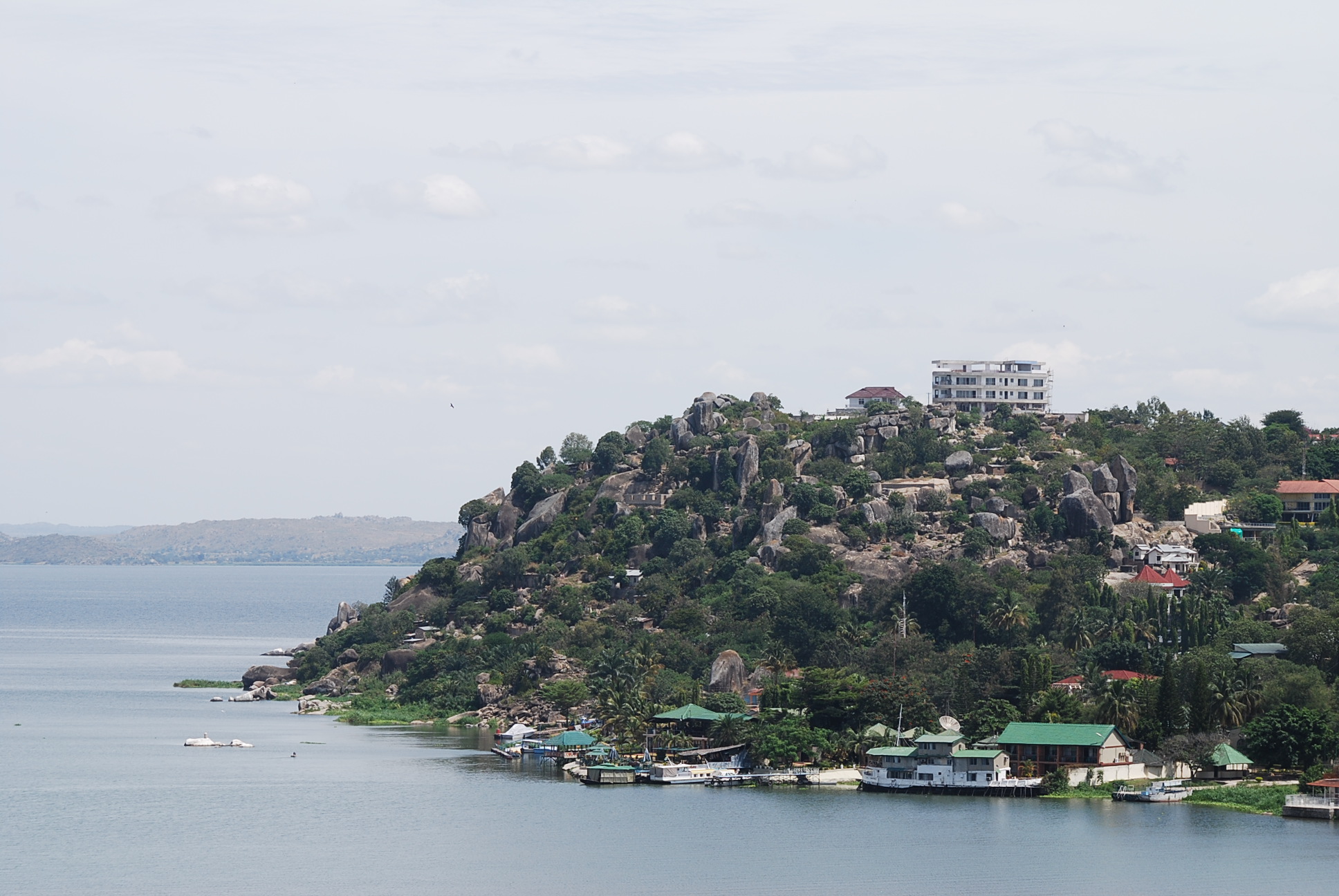
Arriving in Mwanza, you fly on top of Lake Victoria. The first things you will see are those cropping up rocks on hills around the city.

It is very beautiful here.

The city is very relaxed. As opposed to Dar ES Salaam, the traffic is light and the temperature is just right. It feels like you are in a place worth visiting. You can reach any part of the city in moments’ notice.

Mwanza
Mwanza

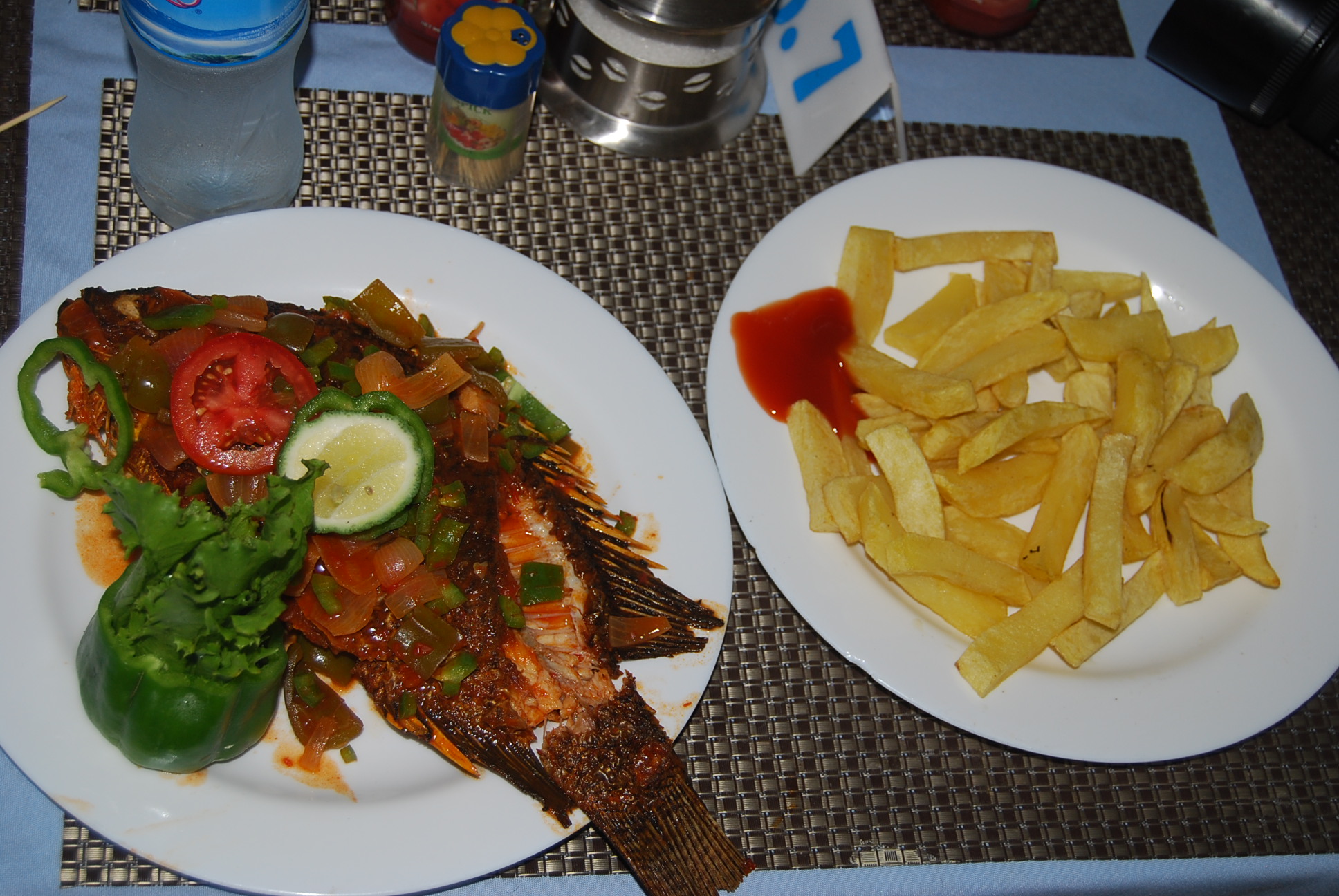
In addition, most people are very friendly and welcoming here. They want to show you where the “it” in Mwanza is…..places for good foods, night clubs, swimming, and the likes. Furthermore, the way they cook Samakis (fish) here is just beautiful; nothing compare to a lake fish…nicely cooked!!!.

I played "draft" with this guy and lost
I played “draft” with this guy and lost

Pictures of Mwanza will be coming as soon as I find a place to download my pictures. Enjoy…!!!!!!

My first meal in Mwanza
Lake Victoria View
Lake Victoria View

Soweto, South Africa (2011).


This slideshow requires JavaScript.

SOWETO

Many many years ago I had an opportunity to read a book called Mine Boy by Peter Abraham. The book was one among several other books on the reading list of the Secondary School English Curriculum in Tanzania. Since reading Mine Boy, I have had an u-n-d-i-m-i-n-i-s-h-i-n-g thirsty too see the Soweto township.

Today I am glad I took the time to see the township where 4 millions South Africans call home. I had the chance to walk proudly in the city where Nelson Mandela and Archbishop Desmond Tutu still have homes from the apartheid era. I am not sure if they live in them at the moment or not, however, it was an exhilarating experience none the less .

If you find yourself in Johannesburg (Jozi) and have time to burn, call Chipo Chibememe. She is a South African tour-preneur and also a SOWETO native. She arranges tours to visit the township (half day and full day) on any day of the week. She is very knowledgeable about SOWETO (she lives in SOWETO). I truly enjoyed the tour she gave me of the township. For more info click her website

Tanzania will be “celebrating” and bringing 2011 in the Darkness.


Yeah my friend said it. It is official. Tanzanians all-over this vast nation will be subjected to power rationing in new-year’s eve. How incredible!!! I am just kidding. I lived in Tanzania, all my life. I lived in Dar, Mji Mkongwe, Nungwi, Mjini Magharibi, Moro, Tabora, Dodoma, Tanga, Kigoma, Arusha, Lindi and even Mtwara. I have welcomed many new years in these towns with no notice of the fact that the calendar was changing. I will go to sleep at night and wake up the next day to another year and life kept going. No celebrations whatsoever!

Why am I raising this non issue then? I should just shut up!!! WTF. No…I won’t. It is because an American friend of mine reminded me of this non issue. The context of our conversation brought this topic to the open.
He said, Atlanta is the ideal destination for New Years Eve. Atlanta has a multitude of events suitable for anyone looking to have a fun and exciting New Years Eve experience. New Years Eve in Atlanta has become one of the most popular destinations for bars, strip clubs, lounges and nightclubs. Making it a great place for ringing in the New Year any way you want. It is known for its variety of options, formal or casual, with anything from live music and top DJ’s, to fireworks and top-shelf open bars, ensuring an enjoyable experience for anyone wishing to experience a bit of Atlanta nightlife on New Year’s Eve. Welcome to the Dirt South babe, he said. In the back of my mind I was just like…this guy can run his mouth.

We were just talking about the various options we could ring in 2011. But without power, all these activities will not be feasible. That was his point, not mine.

I guess my question is to my Tanzania friends. How are you planning to celebrate your New Year’s Eve without Power? To those in the Diasporas, how did you celebrate New Year’s Eve when you were still living in Bongo?
My comment box is always open for your comments, be creative!!