Serengeti Road No More: Victory or Not?


By Shaaban Fundi

Lion
The king of the jungle eating
Serengeti Road No More: Victory or Not? The letter presented to UNESCO by Mr. Ezekiel Maige clearly states that the SERENGETI HIGHWAY will be constructed on both ends of the Serengeti National Park (click the link above,for the letter and the proposed Serengeti Highway Map at the bottom of the linked document).

According to the letter, the only portion of the road that will not be paved is the 53 kilometers through the Serengeti and will remain under the supervision of TANAPA. This means in layman’s term that only TANAPA vehicles and tourists related transportation would be allowed to use the roads within the park.

Some of the questions I have with this new plan are: 1) why build a highway that is cut in the middle? 2) What will happen to the cars and trucks on both ends of the highway?(since only TANAPA and tourists vehicles will be allowed in the park), 3) Are the cars and trucks going to fly to get to the other paved side of the highway so that they don’t interfere with the already fragile ecosystem?

I feel like this (kiini macho) is just a joke! It all means that the highway will in some way get completed sooner or later. The cars and trucks on both ends will be allowed to circulate within the TANAPA supervised roads (the unpaved portion of the highway) and hence dramatically affecting the wildebeest migration and the Serengeti Ecosystem as a whole.

This road will have even a higher impact on the Maasai people living traditionally on the Serengeti plains. More people will move in, near or close to the park and therefore adding pressure to the subsistence means of living that many of the Maasai people in this area depend on. The gradual diminishing of the subsistence means or lack thereof, will force most of them to leave or join the ranks of many Maasai working as guards (Walinzi) in many cities and hotels across Tanzania. I can’t wait for the time to come (very soon) when the proudest tribe in Africa is turned into beggars by blind governmental policies.

The culture of freeloading shamelessly.


By Shaaban Fundi

I travel to Tanzania every other year. It has not been difficult to spend my time there every time I go except this year (the “good people” that made my stay pleasant, thanks guys; you know who you are, you are truly not included in this).Two weeks in and I was ready to change my flight date and leave. I do not know what is happening to me, but I feel like I am in a foreign country in Tanzania these days. I feel as though I do not belong there any-longer.

It is not the same any more. The very small, small inconveniences like lack of electricity, lack of running water (maji ya kuoga kwa ndoo–i hate that), endless traffic (or I should say roads turned into parking lots) and hiking prices to foreigners bothers me now more than before. It is dawning to me that I might be at that juncture where I feel I belong more to the predictability of life in the U.S. than the unpredictability in Tanzania.

Don’t get me wrong, I love Tanzania. I love the countryside and the simple life that goes with it. But, the culture of “mgeni njoo mwenyeji apone” is getting in my nerves and it is literary frustrating me. Why my coming to see you necessitate me to give you money? I paid a heavy price on my air ticket already. Jeez!!!! It should just be enough for me to come and spend time and seeing you for god’s sake!!

The meals that you get in exchange for your 100,000Tshs are unnecessary. You know what I mean, when visiting a relative or a friend, they will cook food for you in anticipation that you will definitely leave “kitu kidogo” behind. Just tell me your problems and if I can afford, I will surely help rather than providing me with food and when I am leaving you start telling me that you have problems. Keep the money to solve your life’s problems, I can handle my own. My once in two year’s cash is not going to change your life instantly.

I felt like I was a walking ATM machine. People have that mentality of expecting something from nothing. What have you done for me to feel that I owe you something?

I make and save for a budget to visit home and I would love to stay within budget, “please”. I don’t like to spend just for the sake of spending, unless it is off course spending on myself and probably the people very close to me. Am I just another African getting frustrated with his own culture?????

Can we change? What do you feel about this culture of shamelessly receiving money or gift without working for it? Maybe that is the reason why even our government officials come abroad shamelessly to ask for misada? No shame to getting “things” for free (free-loading). What a shame!!! I wonder what the white people on those meeting thinks of these leaders!!!!???

English as a Second Language of Instruction in Tanzania


By Shaaban Fundi

English language learning in the Tanzanian Education System can be characterized as being “problem-solving” oriented. The type of problem solving that does not include exercises that cultivate higher-order thinking skills.

The main goals are: 1) to obtain enough knowledge of English to reach a minimal level for a specific purpose, such as obtaining a position doing menial work, 2) to help students pass standardized exams. Noticeably absent is the goal of real learning and/or authentic learning.

Fixating on Standardized Testing

When students focus on passing exams, they lose sight of authentic learning. Especially for those that English is their second, third, or fourth language. Most students in Tanzania falls in this group.

Equivalently, when educators fixate on having their students pass exams, they may neglect authentic teaching. Educators should certainly work to comply with the country’s learning standards and prepare students for standardized tests, however, these formalities should be placed in the background and place authentic learning in the foreground. If students are truly learning, they will pass standardize tests ANYWAY.

As educators, one question we need to ask ourselves is this, “Do we want to teach our students to just survive, or to flourish?”

The Cycle of Learning is Important

Along similar lines of reasoning, educators need to grasp the need for cycles of Question-Answer-Question instead of merely Question-Answer. For that matter, educators should not be the only ones asking questions. Instead, students should be afforded the opportunity to ask and answer own questions. If educators are to treat students as “explorers”, rather than “plants” that absorb information, and provide space for their voices, students should be able to pose their own questions and problems and seek solutions themselves with the facilitation of the educator, as needed.

The idea is to break the orthodox of what is called in education as “The Pedagogy of the Oppressed,” in which educators control learning and “deposit” knowledge into students. This is quite rampant in the Tanzanian education system.

Sharing the Expertise Stage

Similarly, educators cannot be the only expert in the classroom. To deny students their own expert knowledge is to dis-empower them. Let the students ask and answer their own questions.

When working with English Language Learners, it is especially important to help build students’ confidence. Adapting these ideas would hopefully create an environment rich in learning. In that students would learn from each other and the teacher and the teacher would learn from the students.

Competing Ideas in Resource Poor Countries

These ideas may be difficult to accept and implement in teacher dominated classrooms. They require educators to relinquish some or most of their powers. Implementing these ideas sometimes leads to classroom management issues in the beginning. Thus,  such classrooms and students would need adequate practice in instructional conversation and class discussions. I do realize the fact that most classes in Tanzania are extremely overclouded. This could lead to other issues including how to group students for group activities. Moreover, enrichment activities that feature language learning would likely require increased efforts on the part of the teacher to construct and execute, as compared with implementing lessons grounded in straightforward test preparation and grammar drills.

Ideological Shift

Yes, fostering real and authentic learning will require a lot of work. However, instructional practices and broad structural changes are necessary.  Real change cannot occur until we drastically modify our ideological framework.

Expectations make all the difference. That is, if all that is expected from the educator is that students pass the standardized exams or obtain jobs in the menial labor industry, than learning goals and instructional practices will reflect such aims, and at best, that is merely what students will learn and do.

Should Tanzania change the language of Instruction? In my humble opinion, I believe that there is no need to switch from all English instructional delivery in secondary and tertiary schools as of yet. However, changing the way we teach English to second, third or fourth language learners in Tanzania will take us a long way, modifying our ideological framework will also help, and raising our expectations for what our students can learn and do will increase tremendously higher-order-thinking skills of our students. In my view, at present time, the Swahili only educational delivery model is flawed to say the least.

Tanzania, Tanzania, Nakupenda kwa Moyo Wote!


After spending three weeks in Tanzania and seeing people from all walks of life, I am taking this opportunity to reflect on my experience. Generally, Tanzania is a great country with tremendous potential and opportunities. The country is endowed with a vast amount of natural resources (lakes, oceans, rivers, trees and minerals) and huge chunks of untapped land that is readily available for all sorts of development activities. It can be used for tourism, agriculture, fishing, and all other sorts of entrepreneurship.

However, a small group of Tanzanians are getting richer beyond recognition. Some of the rich Tanzanians are actually vacationing outside the country to far lands such as Europe and the United States. Whereas the majority of  Tanzanians face serious hardship putting a roof over their heads and food on the table. It is an interesting contrast.

I care less how people spend their hard earned cash. But, the issue here is that most of these rich Tanzanians actually work for the government. With government salaries alone, these people would not be able to afford to take their families to Kigamboni(FunCity), not mentioning Stone Town, Zanzibar. It is the corruption and embezzlement of public funds that is so open and publicly accepted that allows for all this to happen.

Actually I somewhat believe it does not matter how well you pay a Tanzanian (a grain of salt here), s/he will definitely find a way to embezzle public funds anyway. In my views, low wages is not the singular reason for why people steal from wherever position they have.  The culture of corruptness and the societal expectations that comes along with it contribute directly to this problem. For example, it is openly accepted that if you have a good position in the government or wherever; you should be able to have a nicer car, a gorofa, and many other stuffs. If you won’t do that people in Tanzania will start asking questions. Does s/he have a mental problem? Why is s/he not stealing?

Everyone is.

Fact of the matter is when you steal the allocated funds for development projects to build your lavish gorofas and beach front three storey houses, the expected development projects remain idol and incomplete. The people who suffer the most are those who depend on government social services who are indirectly reinforcing this societal norm. No wonder, there are no roads to accommodate all the cars in Dar Es Salaam not to mention the hinterlands, no stationary to write statements at most police posts (you have to provide your own 10 sheets of paper to write a police statement on), no gloves for midwives to deliver babies in most, if not all hospitals and the list goes on. It is a pathetic situation.

Changing this culture is one of the solutions to Tanzania’s problems. Issues like the Members of parliaments (MPs) having to receive three salaries {regular salaries (Tshs12, 000,000 per month), seating allowances and per diems) is absurd, but it all stems from the same societal culture of expecting too much from little to no work at all.

And, all this is happening at the time when the government is completely and entirely bankrupt. The government cannot afford to carry out its obligation due to lack of funds. Donors please help my fellow Tanzanians to finance their misplaced priorities and expectations. LMAO all the way back to the ATL.

This slideshow requires JavaScript.

Mwanza-Shinyanga and Meatu


Sato in Mwanza

Sukumaland is simply amazing. The endless flatland with occasional hills and big rocks. The land is dry with sparsely intertwined trees. Farms and cattle. Cotton, cassava, and sorghum.  From the Rock City to Shy (Shinyanga) and down to the new district of Meatu. I am falling in love with this place.

To elaborate further. I spent a few days in Mwanza. I visited the Saa Nane Park, which is interesting for a very small park near the city. Then, I took off into the hinterland. First, I traversed and stopped in Shinyanga and then, moved on onto the real Sukuma district of Meatu.

The journey was quiet good especially the Mwanza-Shinyanga tarmac road. The second leg of my journey from Shinyanga to Meatu was tiring as the roads were a little rough. However, the whole trip as a whole, worth all the pain.

I had some issues with cellular connectivity. Cell-phone connection was a bit shady. It was only functional reliably once you are on top of a tree. A very nice experience indeed. It requires you to use one hand holding on a tree branch and the other holding on a cell phone. Multitasking.

The areas I visited were very dry. I have never seen a drought such as this one. Very similar to southern Utah deserts. The Angel’s Landing and Bryce Canyon. The drought has also added to the already difficult life the village people endures. The rain did not come this year. Therefore, there are no harvests at all. There will be no maize, no cotton, and no any other type of food crops. I am definitely sure that a lot of villagers in these areas are going to die of hunger if no serious help are made available to them and sooner.

I was just in shock.  How dry the area was?  How do people live here? I am terribly shaken on how these people are going to feed their families, pay for their kids school fees, and all the other contributions that goes along with the free education system in Tanzania.

Somewhere along the Shinyanga -Meatu Road


The Rock City, Mwanza


By: Shaaban Fundi

Mwanza: The Rock City

After spending a week on the beautiful beaches of Zanzibar (Nungwi in particular), you would think that nothing can top those amazing “wow” moments. However, Mwanza is stunning on its own right.

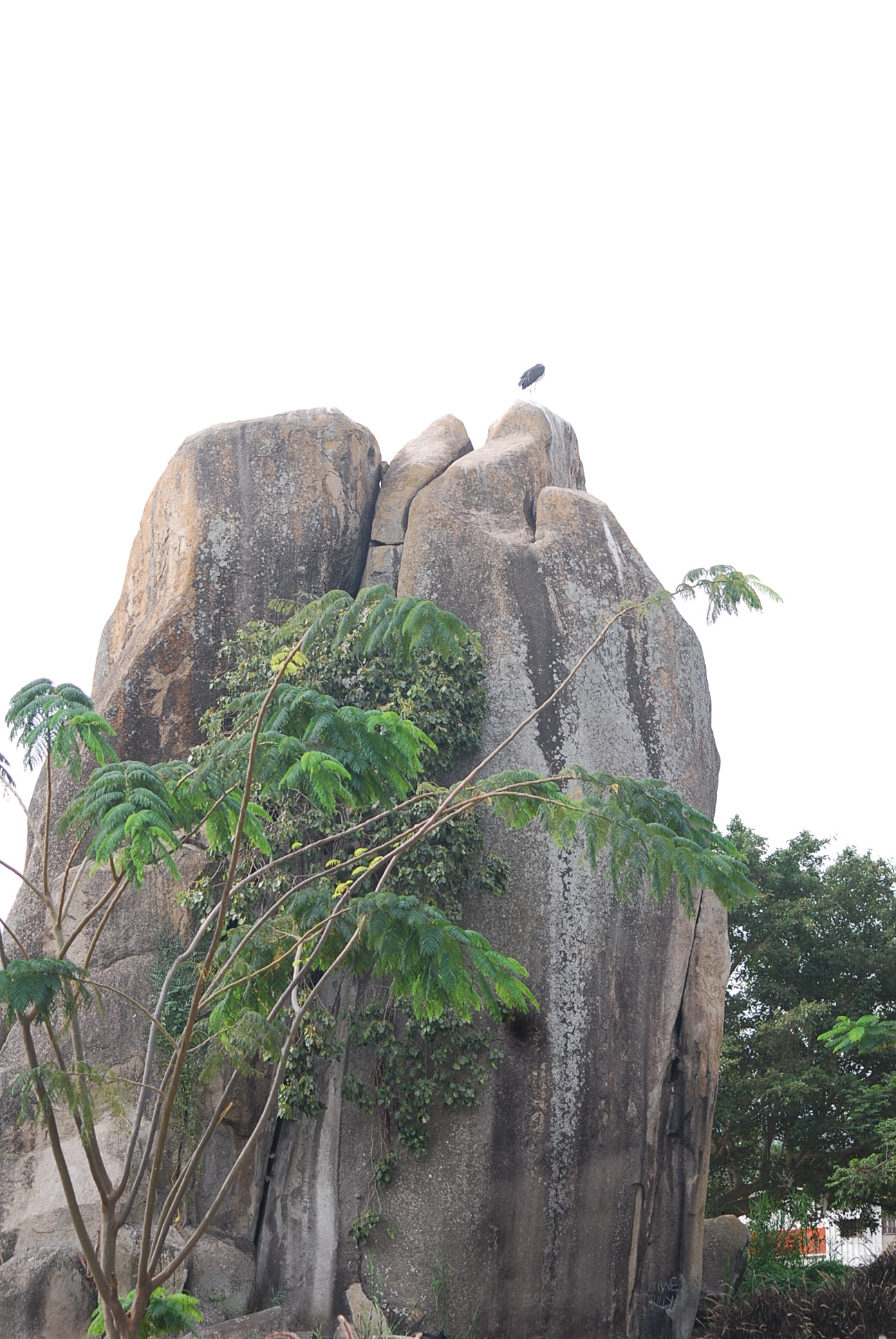
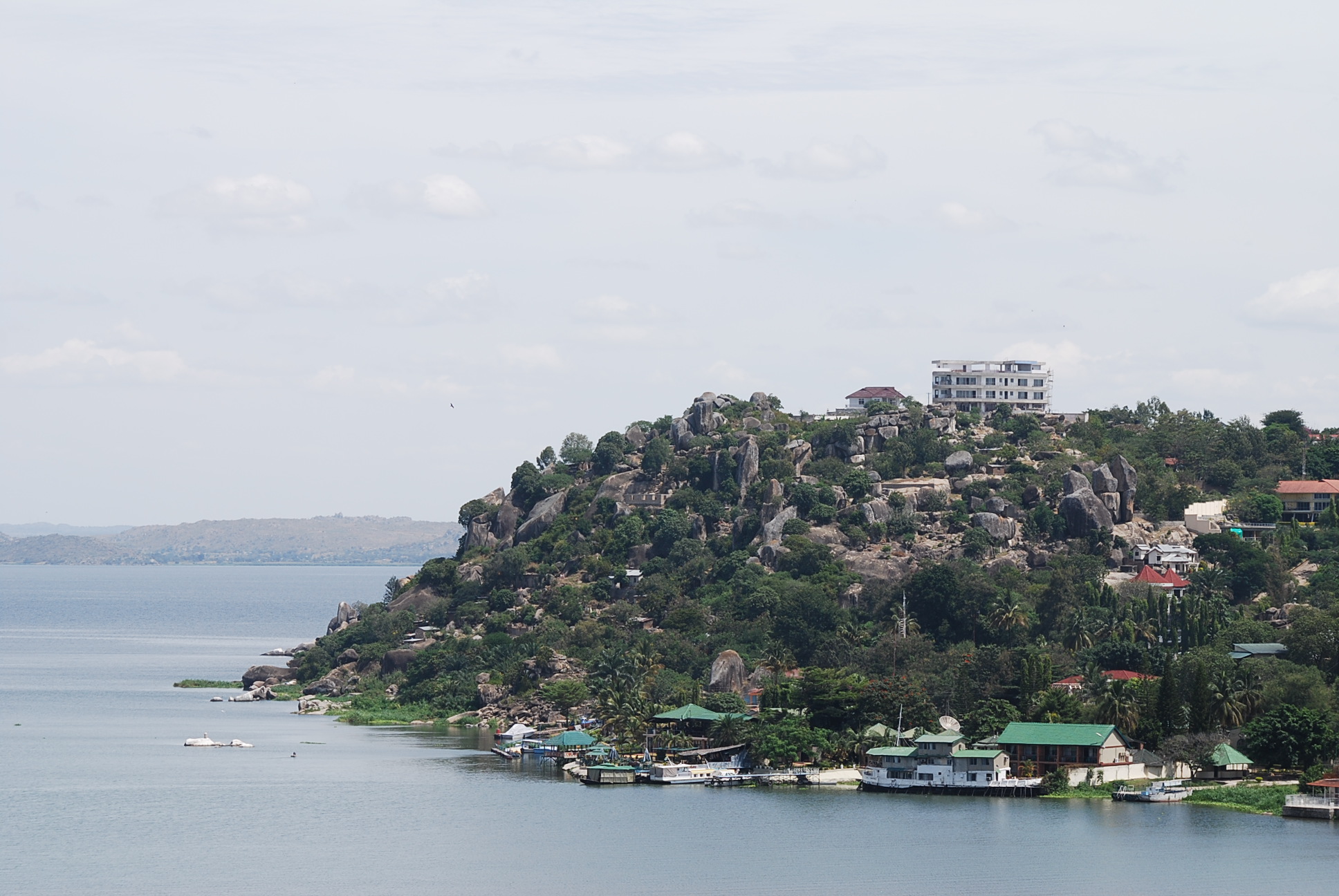
Arriving in Mwanza, you fly on top of Lake Victoria. The first things you will see are those cropping up rocks on hills around the city.

It is very beautiful here.

The city is very relaxed. As opposed to Dar ES Salaam, the traffic is light and the temperature is just right. It feels like you are in a place worth visiting. You can reach any part of the city in moments’ notice.

Mwanza
Mwanza

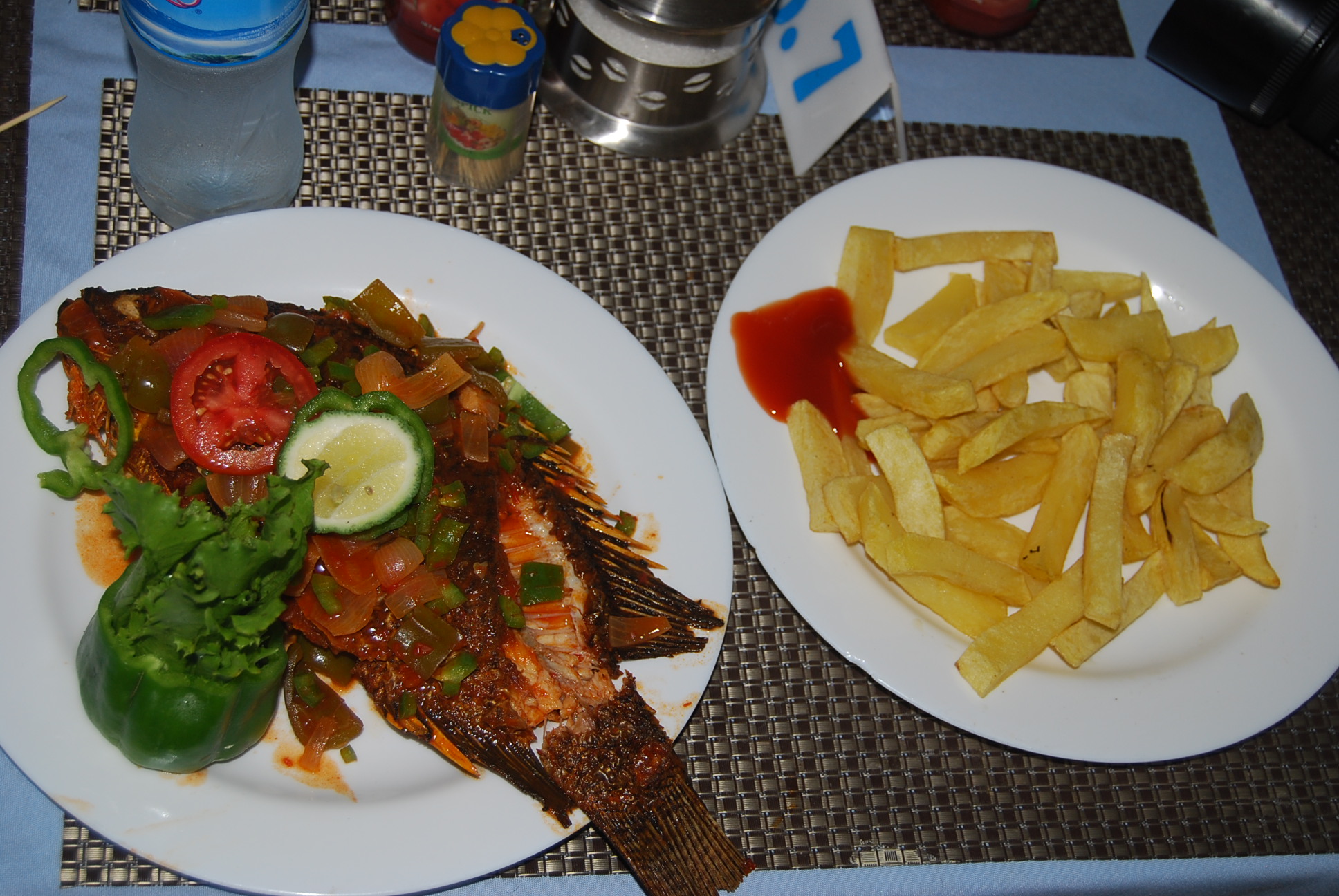
In addition, most people are very friendly and welcoming here. They want to show you where the “it” in Mwanza is…..places for good foods, night clubs, swimming, and the likes. Furthermore, the way they cook Samakis (fish) here is just beautiful; nothing compare to a lake fish…nicely cooked!!!.

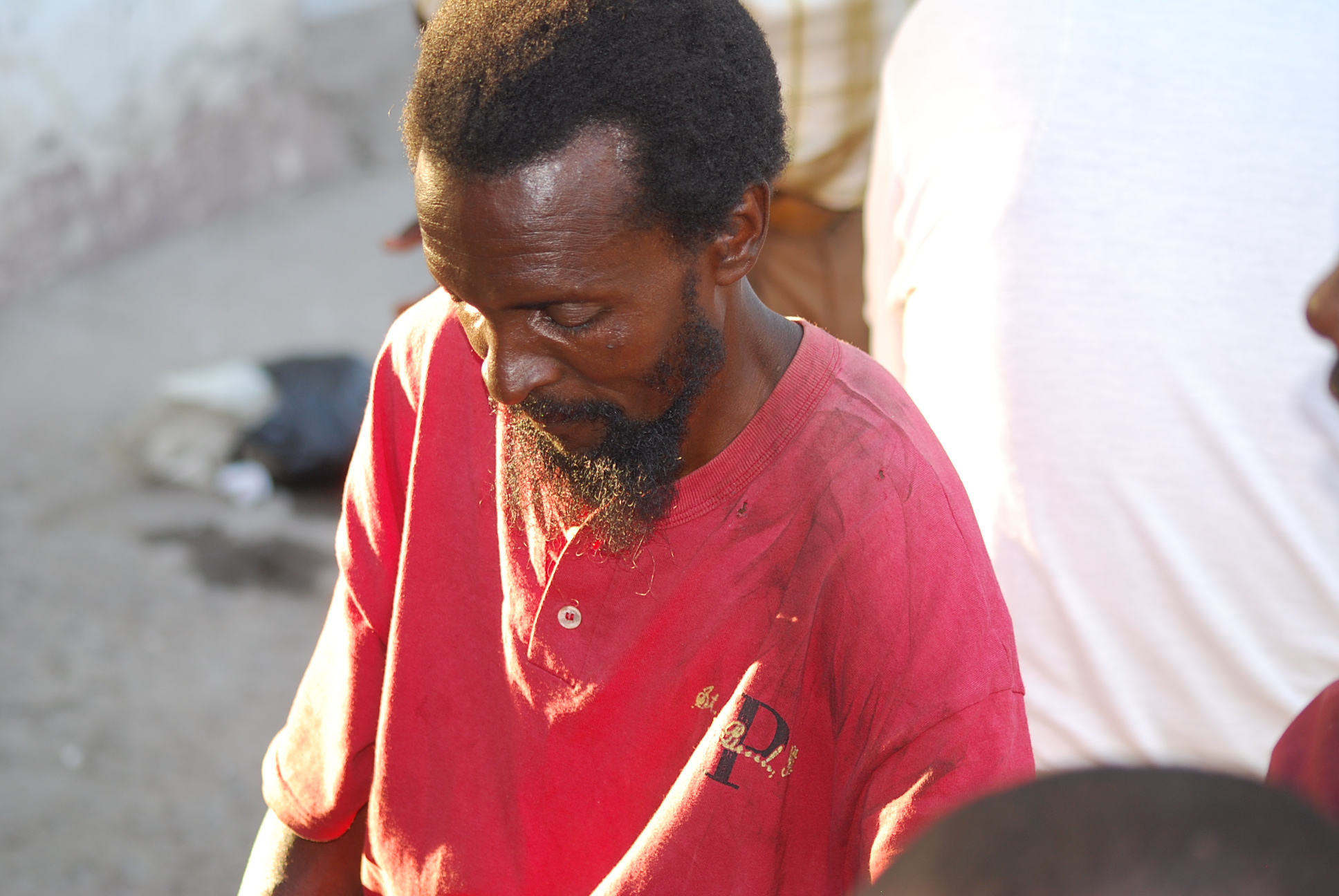
I played "draft" with this guy and lost
I played “draft” with this guy and lost

Pictures of Mwanza will be coming as soon as I find a place to download my pictures. Enjoy…!!!!!!

My first meal in Mwanza
Lake Victoria View
Lake Victoria View