Bajaj Dar Es Salaam: Rest in Peace Abel Manyanza


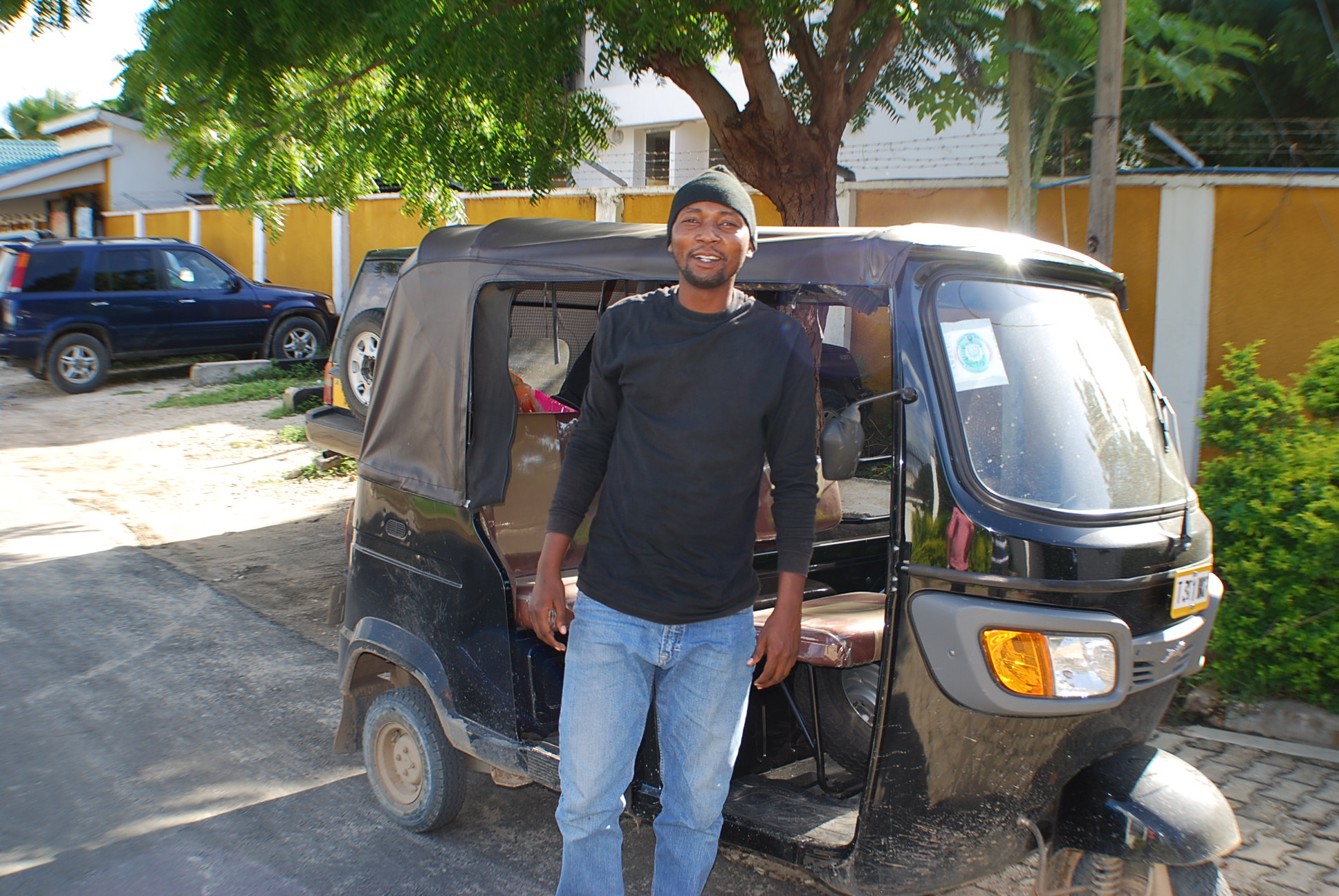
I met Abel Manyanza in 2011. I did not know him at first. He was actually recommended to me through a mutual friend. But, after I spent a few days with him – taking me from one place to the next in Dar Es Salaam. I came to know him very well. Abel was a nice young man. Full of energy, fun to be with, and a great company. He used to drive a Bajaj in the Mbezi beach area of Dar Es Salaam. He knew Dar Es Salaam’s night life very well and would take you anywhere in Dar safely.

I am very saddened to hear that Abel passed away a few days ago. He was probably 30 years old living on his own, making a living as a bajaj driver. I am shocked that he passed away too young. I am sending my words of condolence to his family, relatives, and friends. Rest in peace Abel. This is my tribute to your short life.

Below is a old ad I wrote for him in 2011.

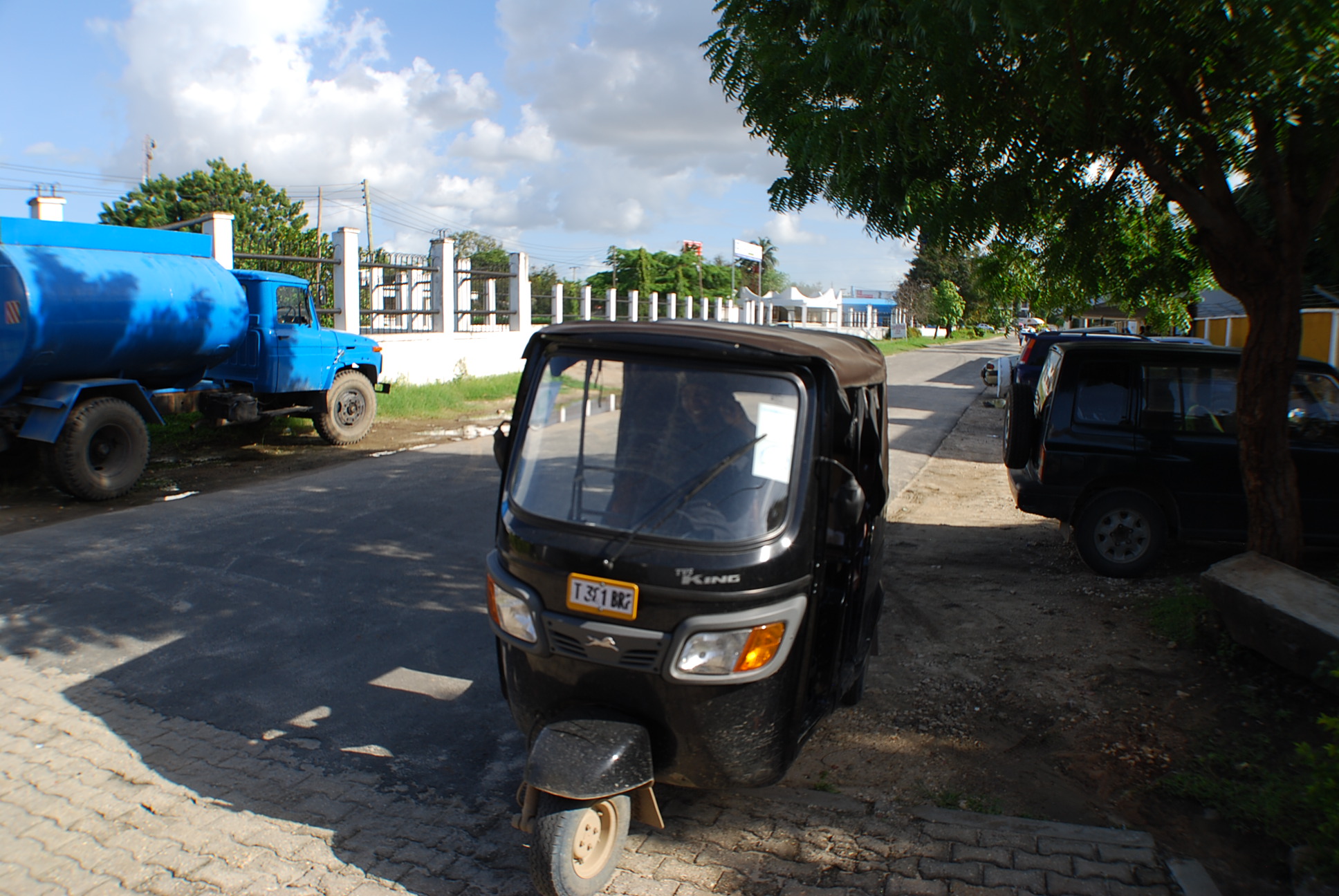
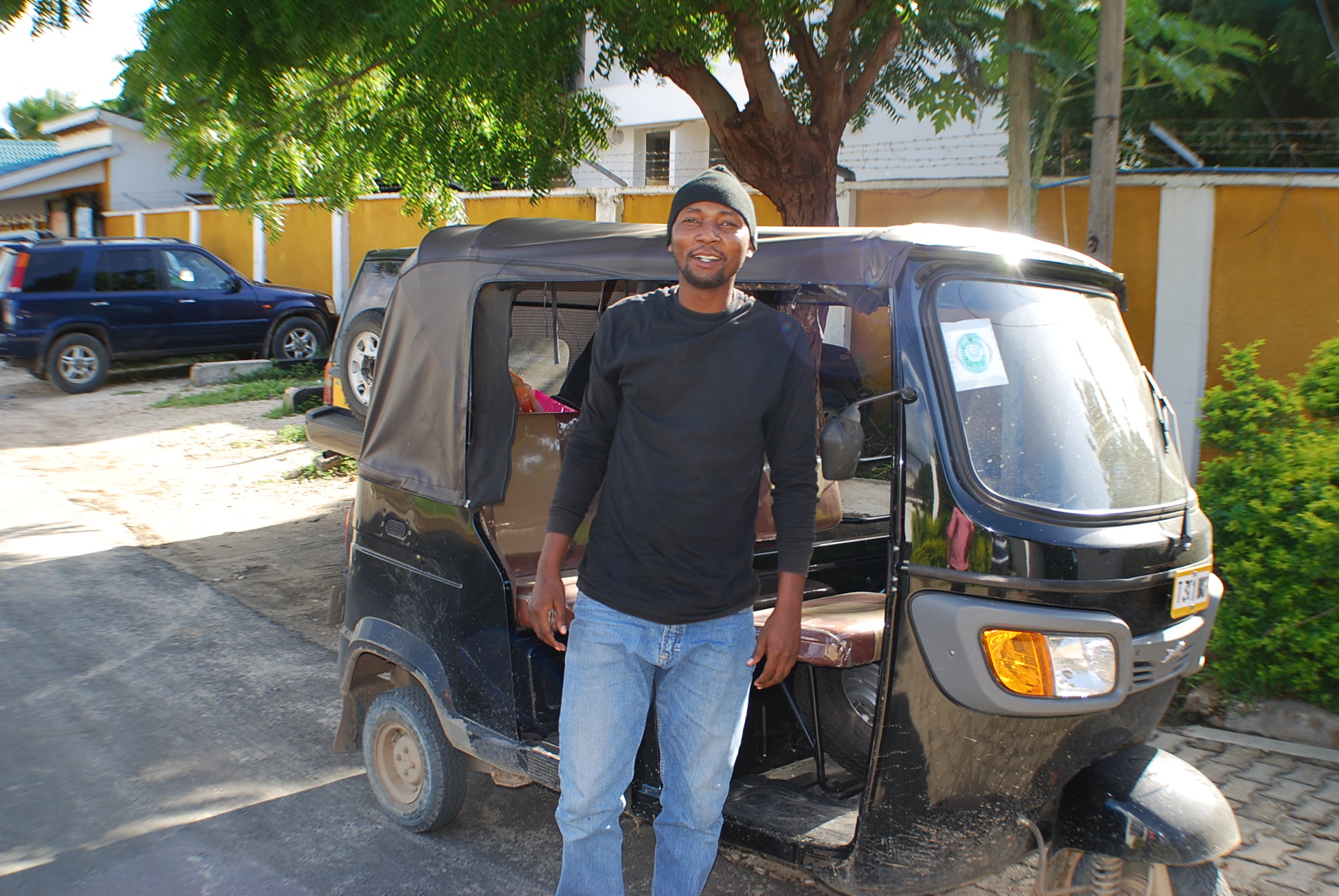
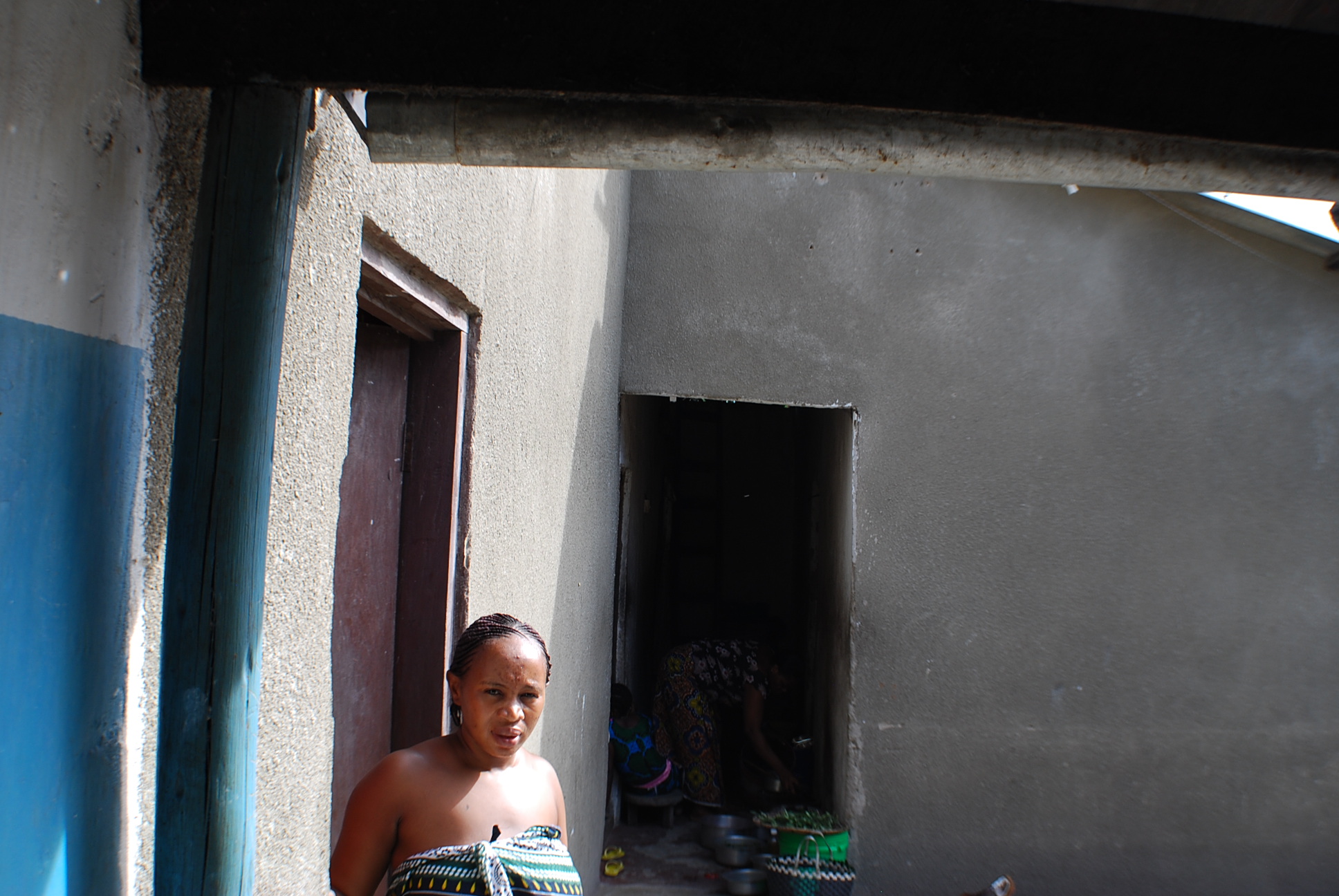
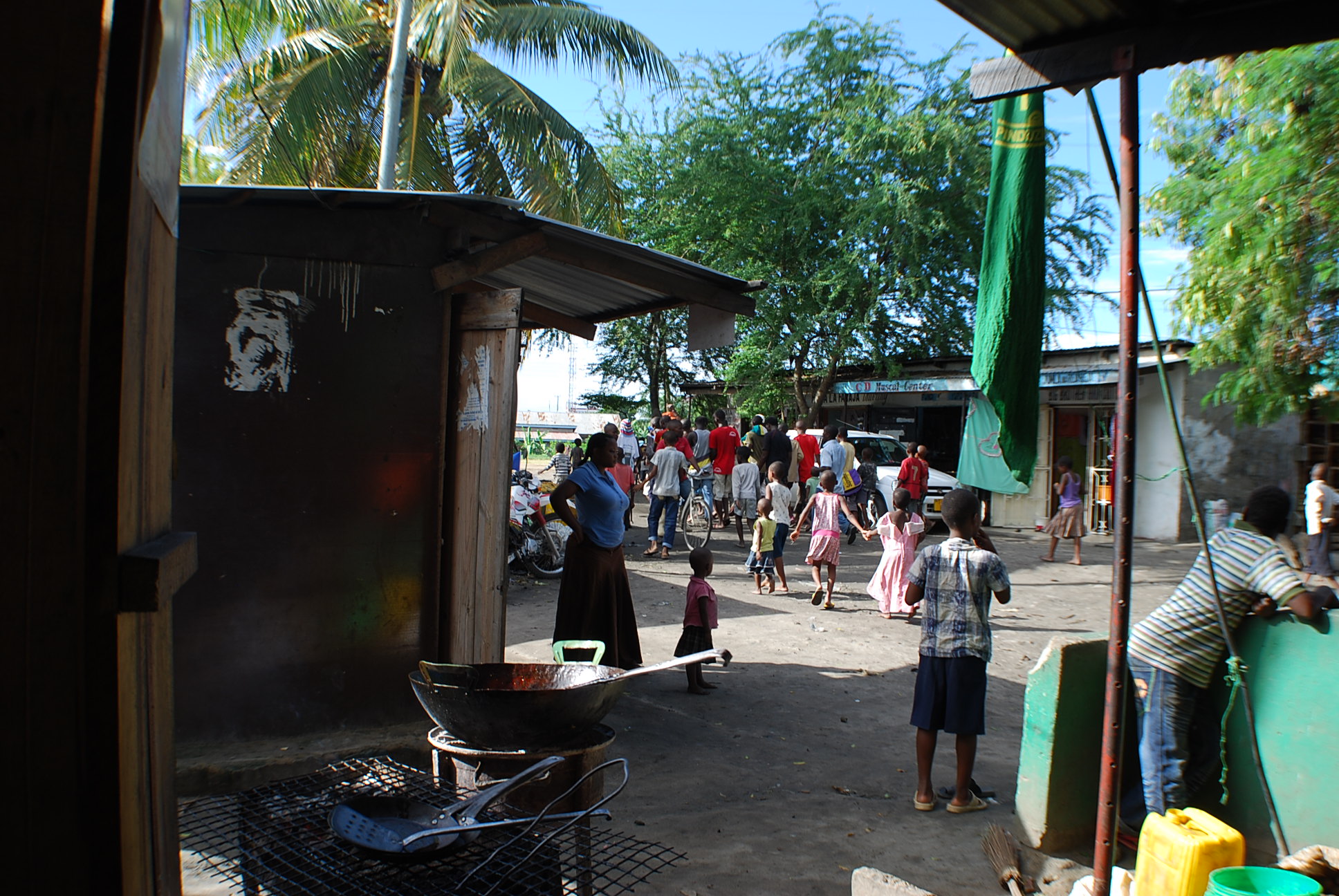
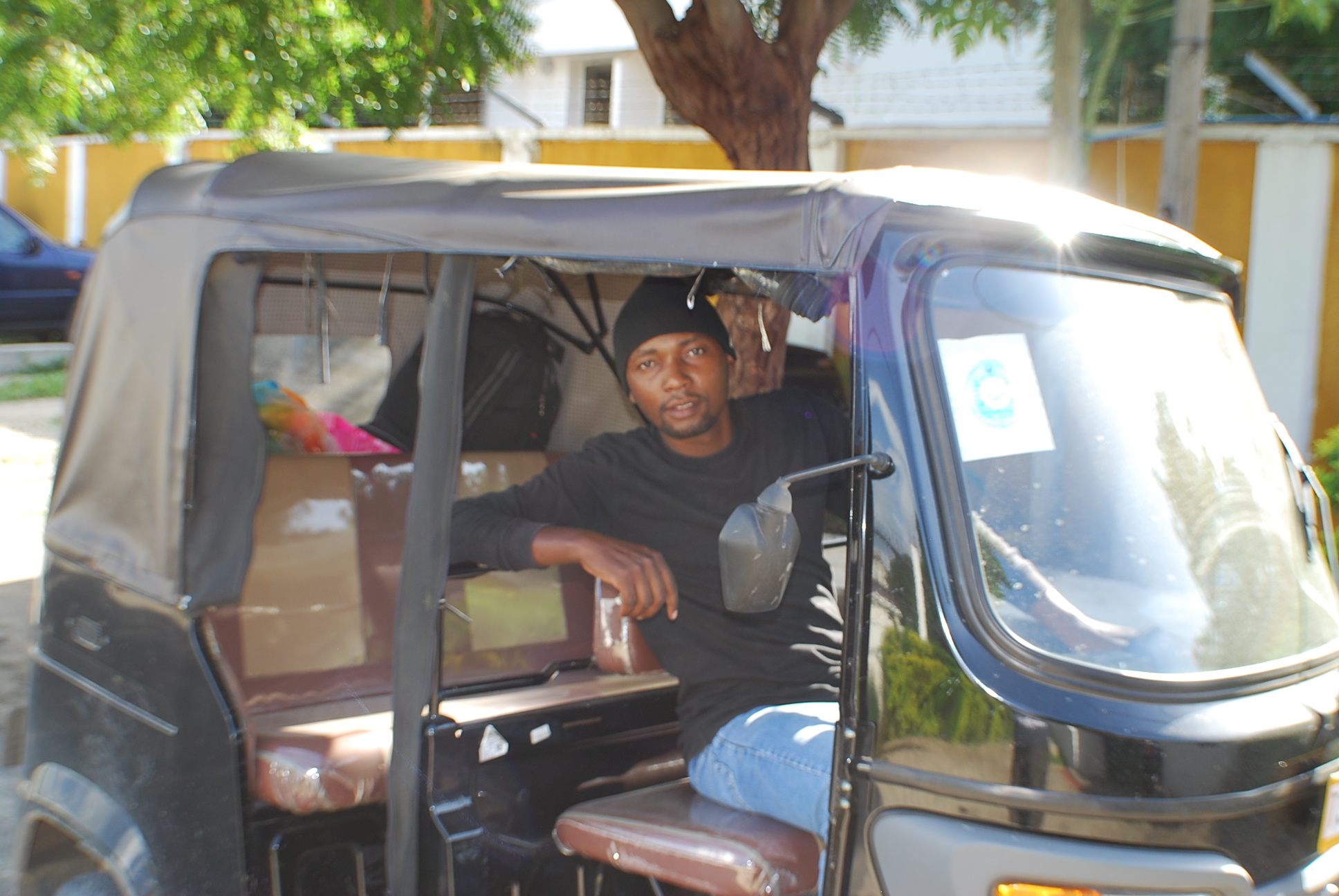
If you find yourself in and /or live in Dar-es-salaam and you need to run through the horrendous traffic jams, a Bajaj maybe the best option. The guy on the picture (top and bottom) operates one. His name is Abel M. Manyanza. He is a nice young man and does his job diligently and safely. Unlike most Bajaj drivers, Abel will charge you a very reasonable fare for your trips and you will get there alive and on time.

Abel is vey knowledgeable about Dar-Es-Salaam, its streets, night life and everything in between. You can reach him at 0773-589879. You will be very happy to use his services. Tell him that “Kibogoji sent you”!
E-Learning on my way to Morogoro, Tanzania


Finally I am in Morogoro. Further away from the hustle and bustle of the Tanzanian economic engine, Dar Es Salaam. Before I left Dar I attended the E-Learning Conference at Mlimani city. A very nice set-up for people interested in e-learning. Most of the discussions were centered around the theme “how e learning is going to shape education delivery in the Africa of tomorrow?.”

Participants represented the entire African continent and beyond. The place was packed and there was a lot of enthusiasm from the different stake-holders.

As usual, many of the African conference participants were absent. They took this paid opportunity to come to Dar Es salaam to indulge themselves and buying gifts and touring the city. I saw many of them spending at Mlimani City Mall and not attending the sessions. Another, donor’s money wasted.

This slideshow requires JavaScript.

The Dar Es Salaam Bajaj Experience.


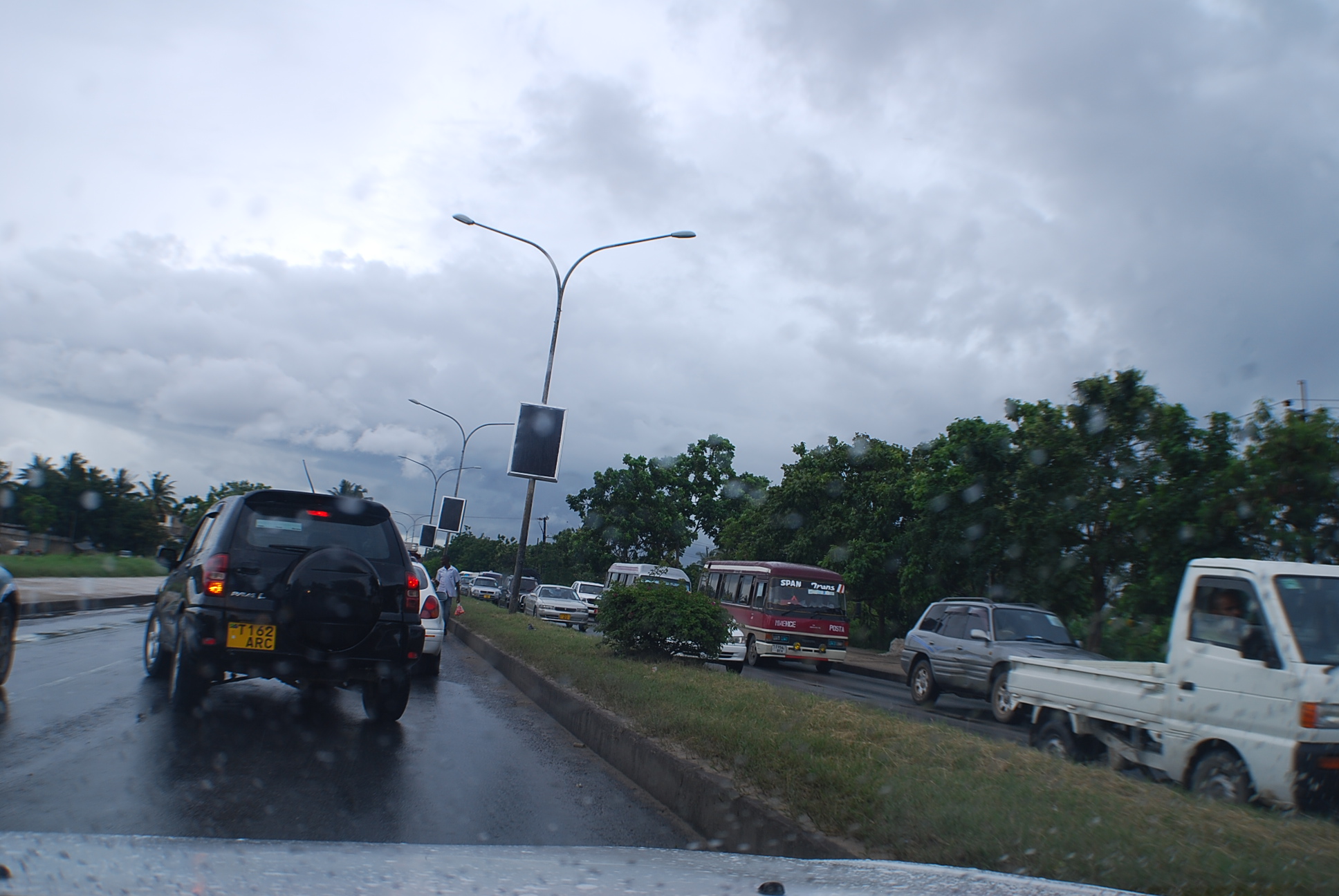
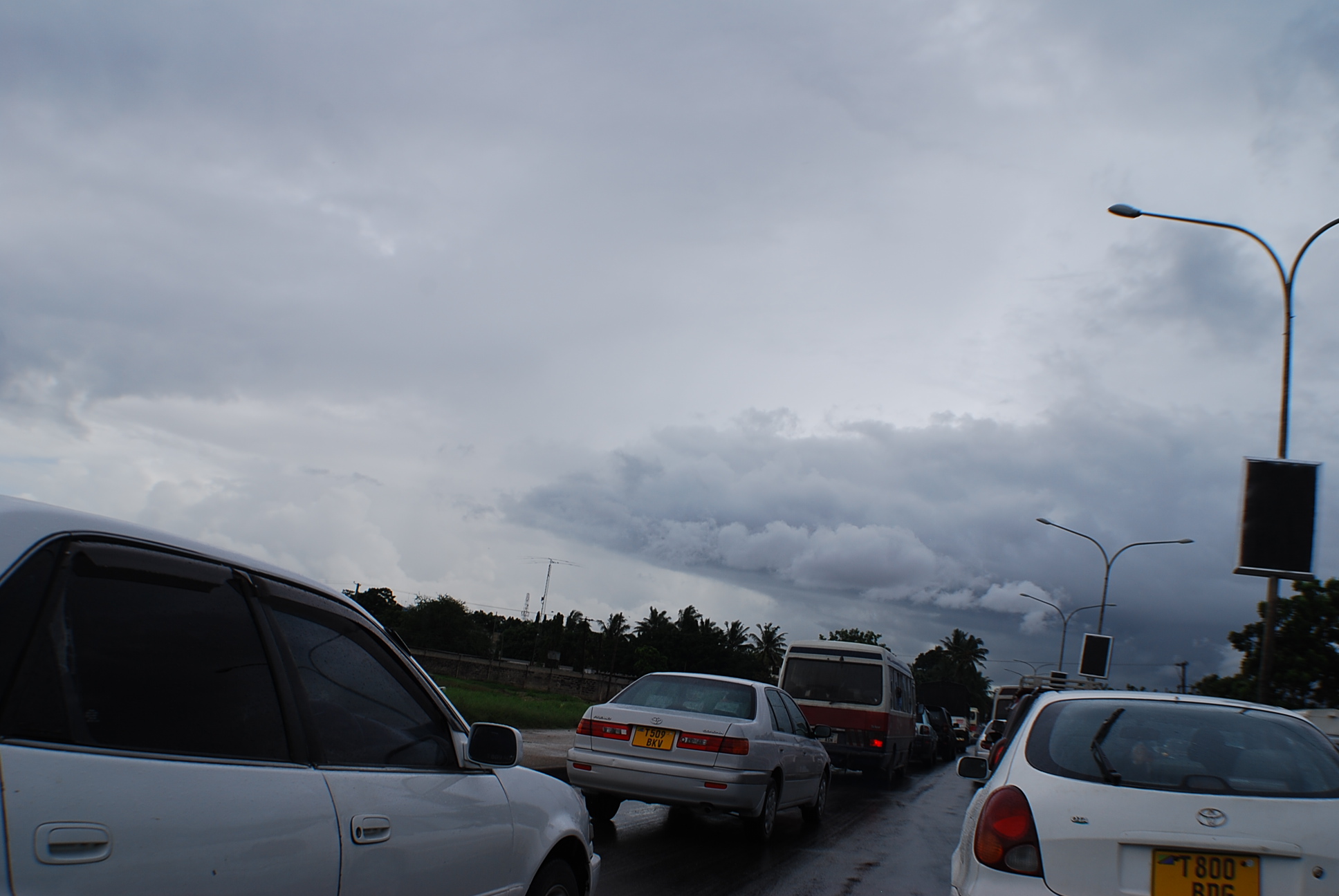
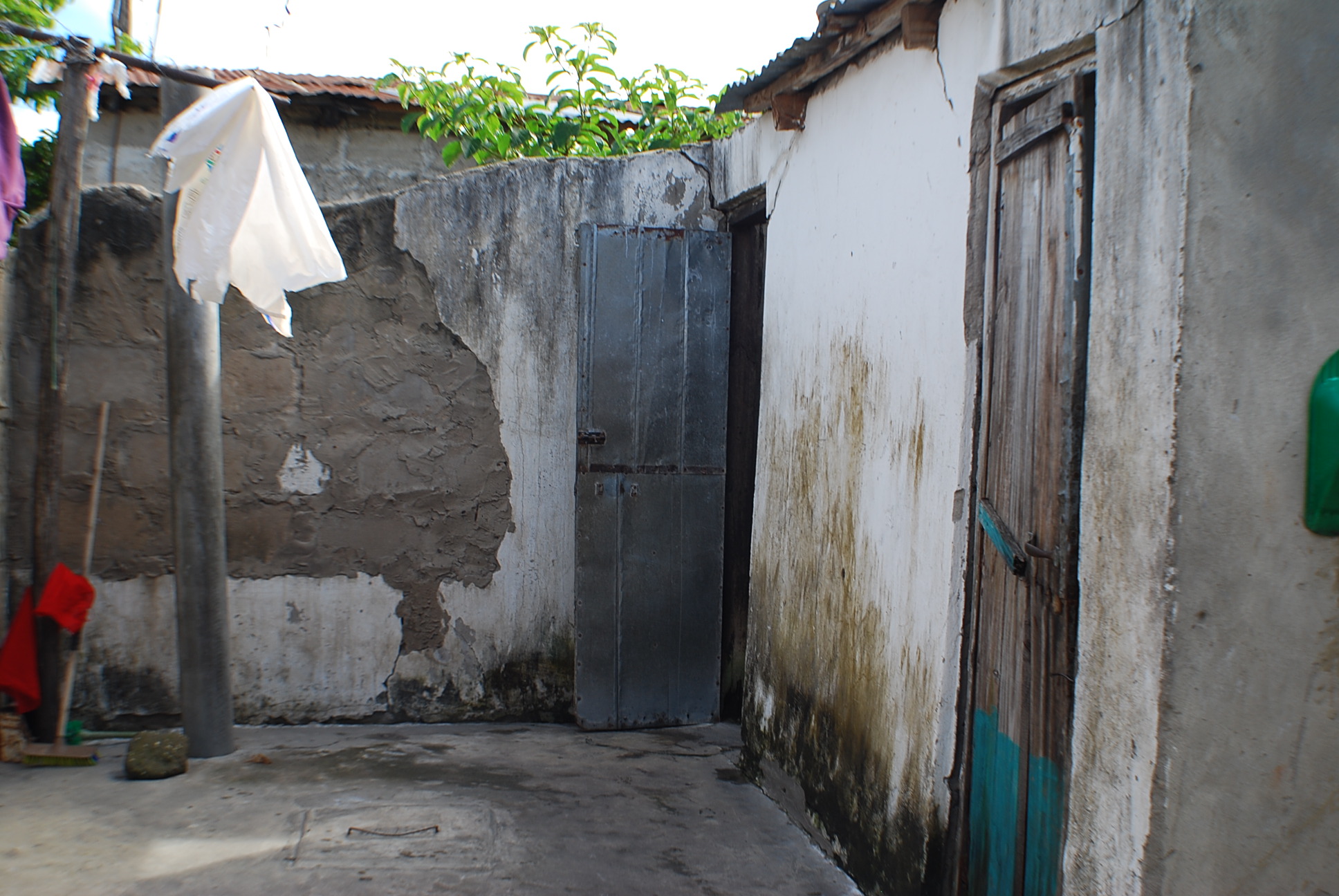
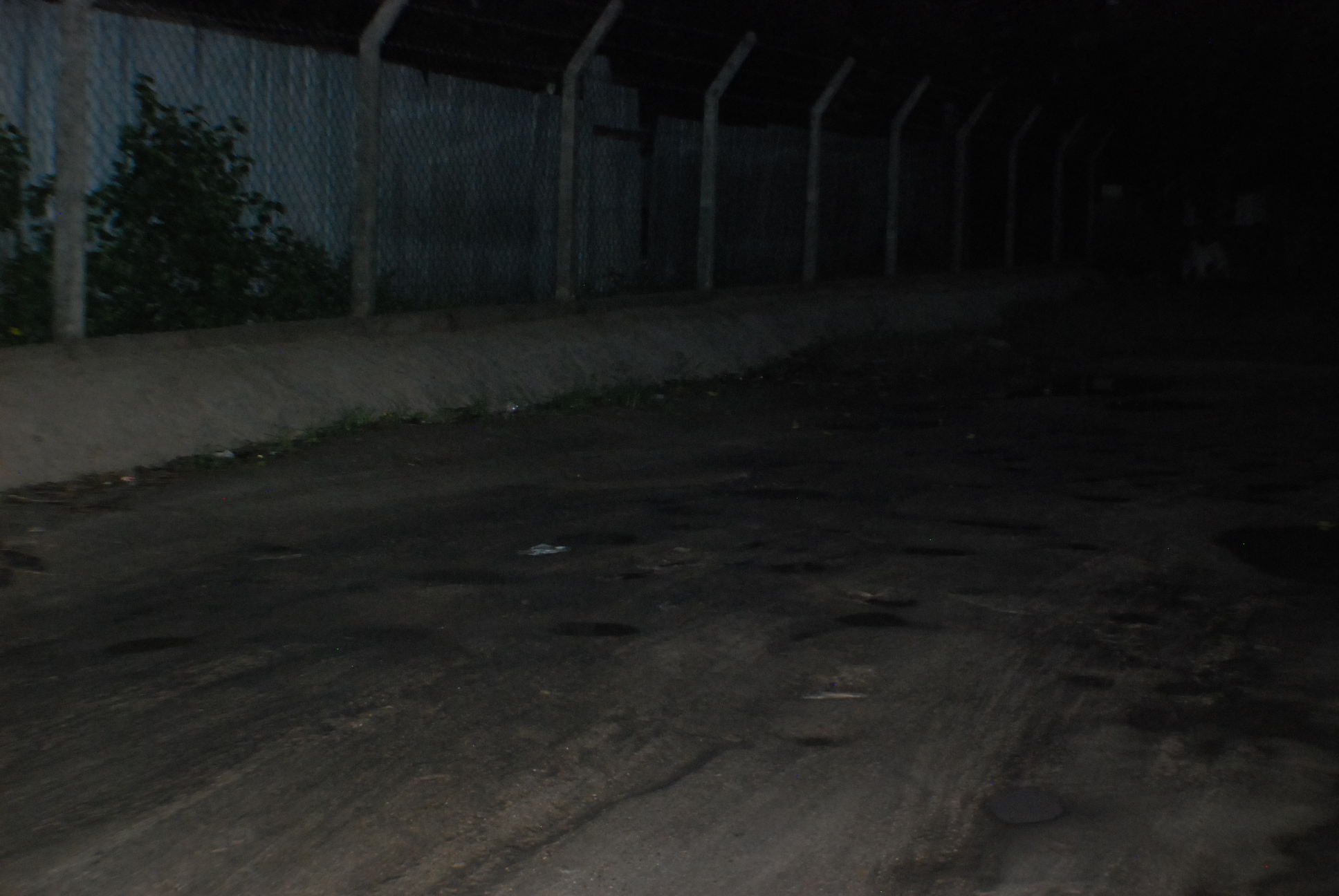
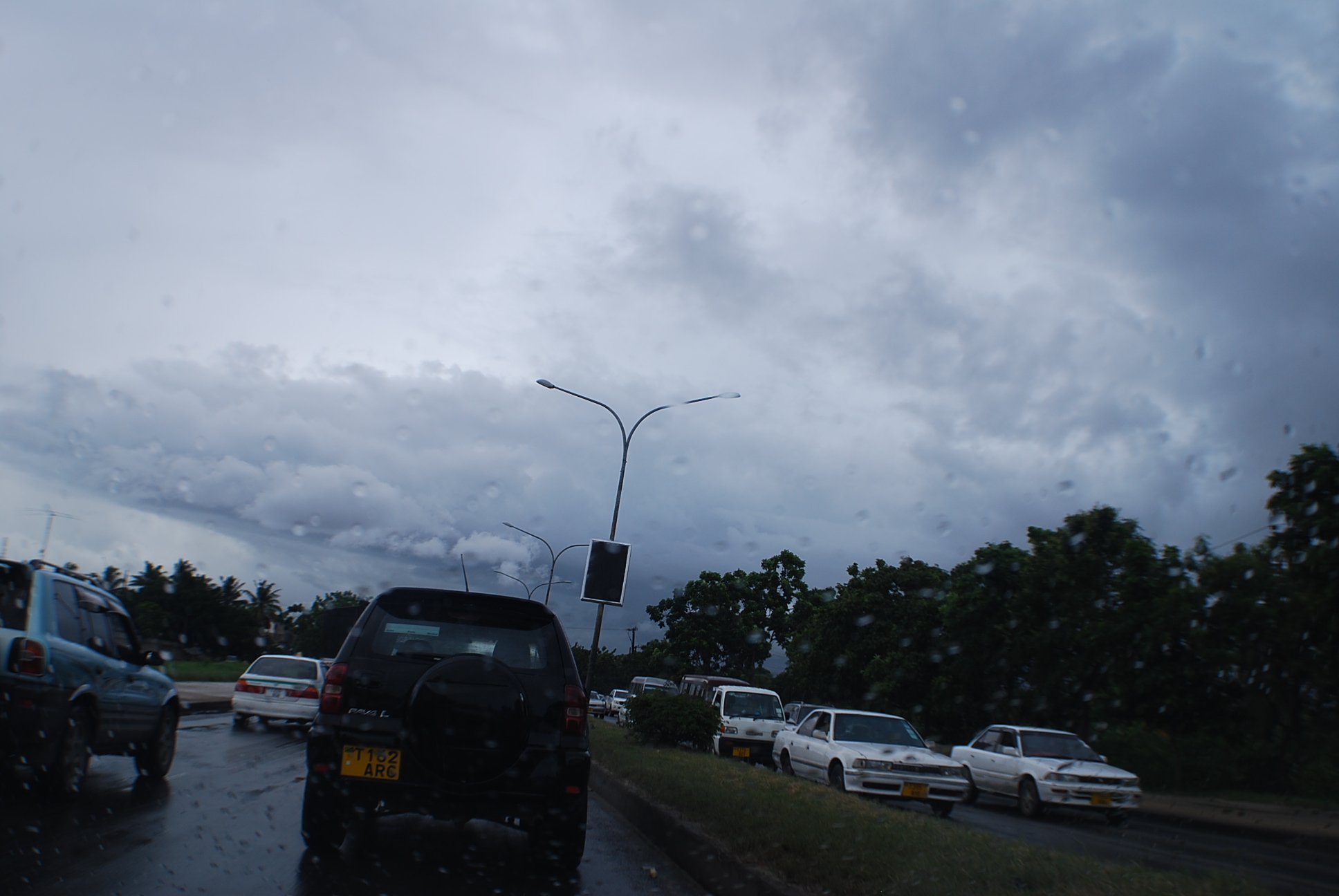
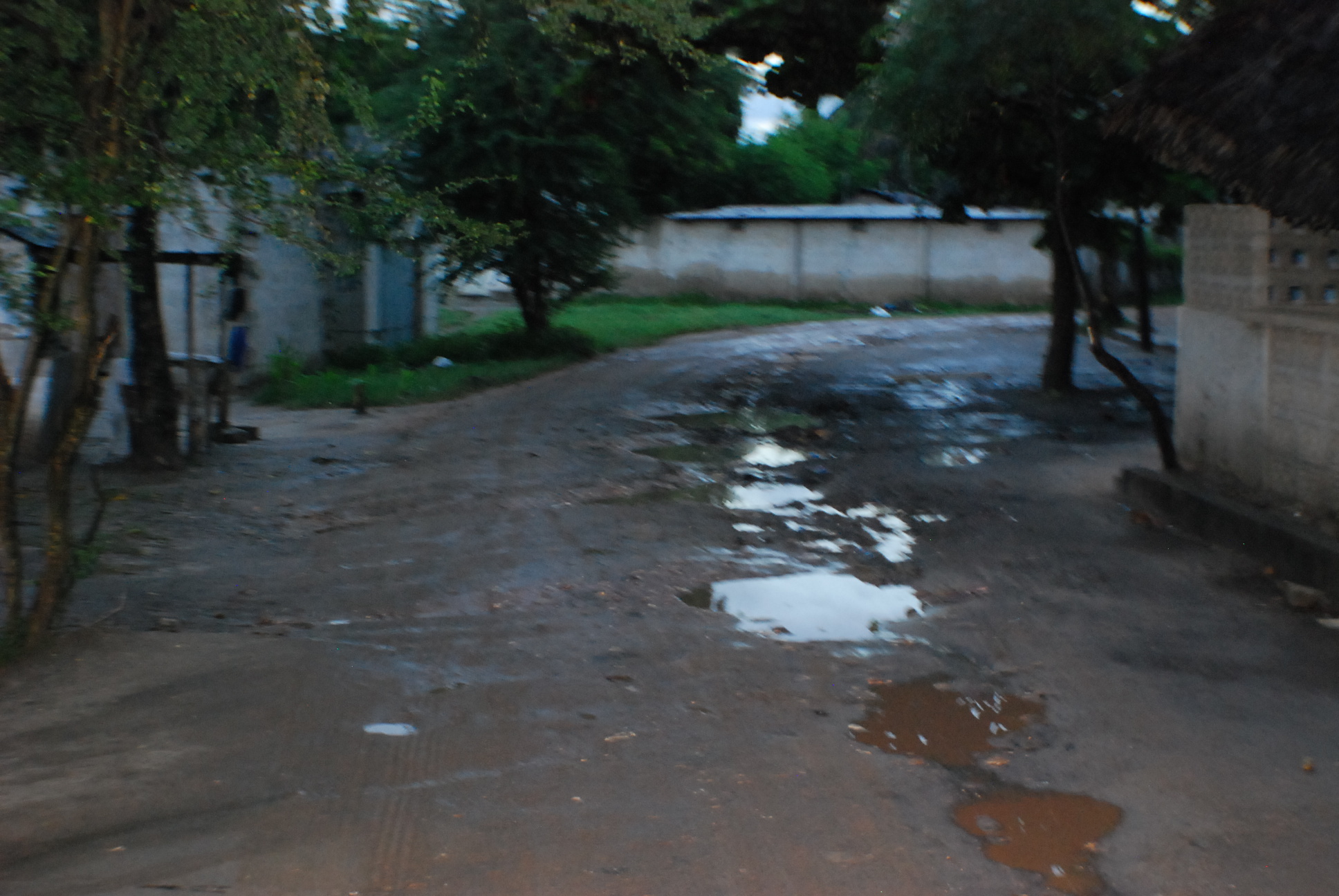
I am here in Dar for a few days. The rain is coming down every other hour and on the hour. The potholes are filled with greenish and/or yellowish colored water with brownish intonation to signify how long the water has been in those holes. The swarming mosquitoes are everywhere. No wonder, with all this stagnant water around, what else could happen? cholera?

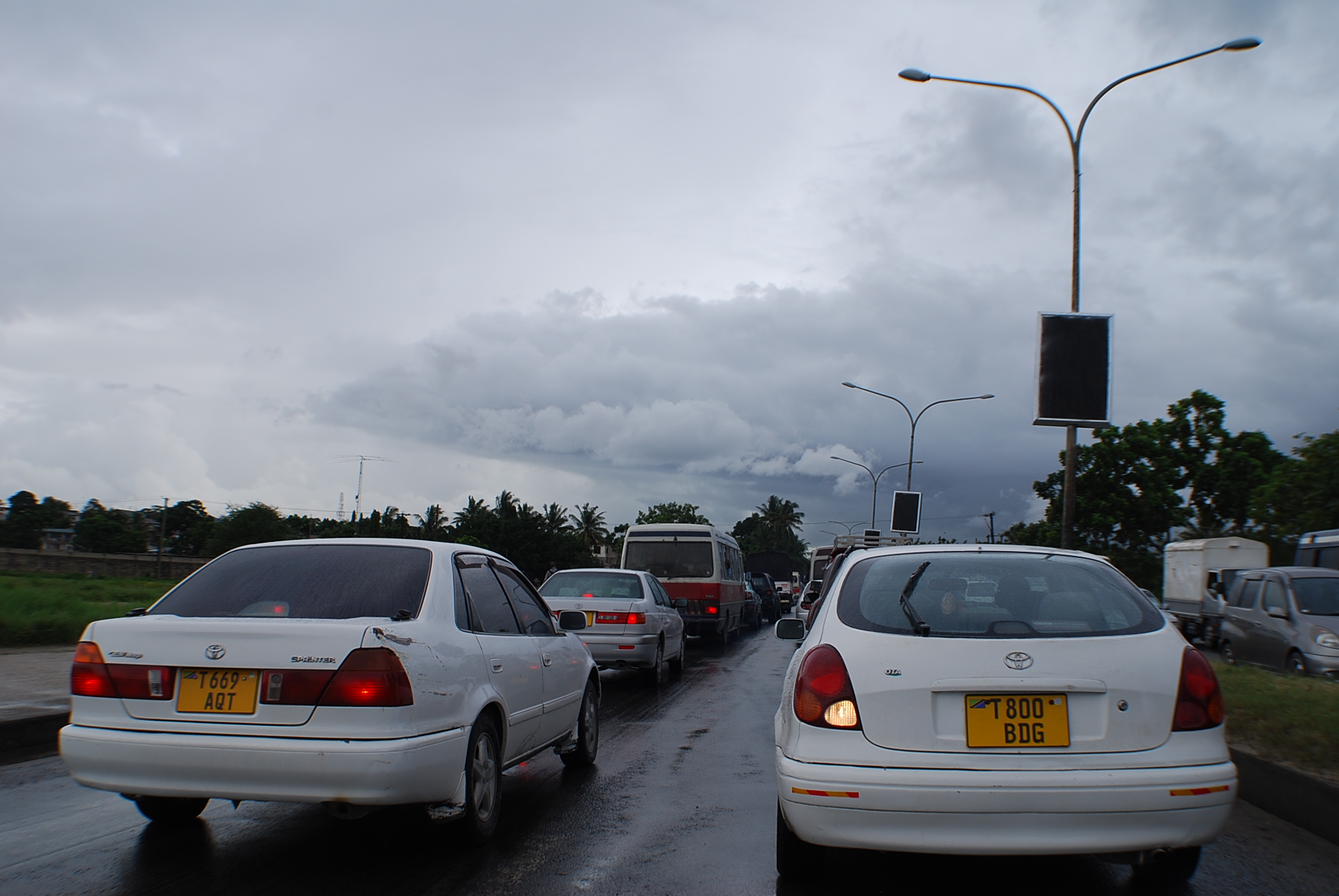
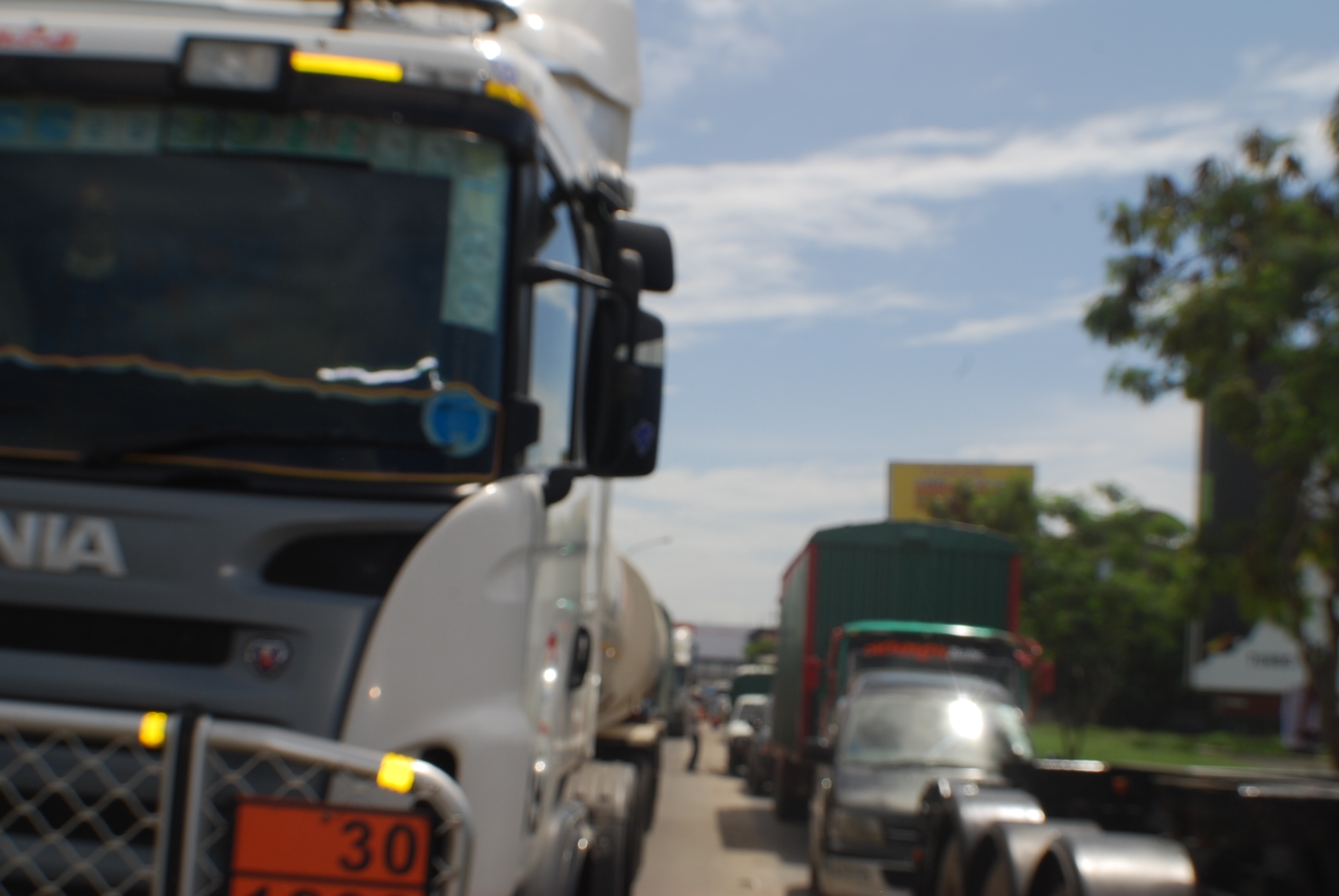
The traffic is just horrendous. It is pitty that unplanned development is showing its colors here. The roads of the 70s are supposed to consume the increased motor-cars ownership in Dar. The population has exploded over the years, the so- called middle class is booming and along with it comes car ownership. The only thing that is lagging behind is roads….and I mean lack of roads and maintenance of the few roads that are available.

So…here comes my experience with Bajajis. Great invention from the country called India. Just me guessing from the name Bajaj. I have no idea which country is actually making them. It could be Bangladesh for all I care.

Today, I found myself in Mbezi beach around 11.00am and wanted to go to the airport. The one way trip took me literary two and a half hours. I lost 6 f**cken hrs of my vacation time on Dar Es salaam roads today. I am just gonna call call them parking lots. Yeah, this is development in my Nyamwezi behind.

It is a serious problem. People lose many hours going to work and coming home from work. In addition, the pricey gas that is wasted everyday on those roads/parking lots and the air pollution it is causing. How much money and hours are wasted everyday, every week, every month and every year?

This slideshow requires JavaScript.

Soweto, South Africa (2011).


This slideshow requires JavaScript.

SOWETO

Many many years ago I had an opportunity to read a book called Mine Boy by Peter Abraham. The book was one among several other books on the reading list of the Secondary School English Curriculum in Tanzania. Since reading Mine Boy, I have had an u-n-d-i-m-i-n-i-s-h-i-n-g thirsty too see the Soweto township.

Today I am glad I took the time to see the township where 4 millions South Africans call home. I had the chance to walk proudly in the city where Nelson Mandela and Archbishop Desmond Tutu still have homes from the apartheid era. I am not sure if they live in them at the moment or not, however, it was an exhilarating experience none the less .

If you find yourself in Johannesburg (Jozi) and have time to burn, call Chipo Chibememe. She is a South African tour-preneur and also a SOWETO native. She arranges tours to visit the township (half day and full day) on any day of the week. She is very knowledgeable about SOWETO (she lives in SOWETO). I truly enjoyed the tour she gave me of the township. For more info click her website

Johannesburg South Africa.


I spent a few days in the African economic engine. It’s hard to tell just by looking onto the faces of smiling, skinny Africans that Jo’burg is the economic engine of Africa. The plight of African immigrants to South Africa (Kwere Kwere) can also be seen everywhere. They are overworked, have no rights, and are underpaid.  I spoke to them as well. Don’t get me wrong, South Africa is in general,  a beautiful country.

I have had numerous conversations with mostly with seemingly frustrated and economically marginalized young white South Africans and some black South Africans. The common theme here is that, Zuma has turned this country into a mess (their views not mine). Majority of the white I have spoken to (most of them young and underemployed) have no regard for Zuma and the Southern African Leadership. They view the South African government as too pro-blacks and has lost touch with other races in the rainbow nation.

In addition, I had numerous heated conversations with many young black South Africans as well. They think the ANC government is doing fine in terms of closing the gap between the economically marginalized South Africans and those who held the driving seat of the South African economy for many years. The fact of the matter is that, to them, South Africa is an African majority but the mighty of the Rand still remain hugely in the hands of a few white South Africans. They would like to see that changed in the near future.

At least on the surface, it looks and feels like the race card is slowly and increasing being discredited. The main problem is economical  rather than race, as I gathered from the many people I spoke to. Hopefully, the seeds of togetherness Mr. Nelson Mandela sawed years ago while creating the rainbow nation are taking roots in today’s South Africa. Until, next time. goodluck to you all.

A Kenyan Movie: The First Grader


National Geographic Entertainment “The First Grader Movie” was released yesterday May 13, 2011. The film was launched in New York and Los Angeles and will be expanded to other US cities in the forthcoming weeks. The First Grader, based on a true story, is set in a remote primary school in the Kenyan bush where hundreds of children are jostling for a chance for the free education promised by the new Kenyan government.

One new applicant (an old man) causes astonishment when he tries to register for a spot in the elementary class. Witch hunting and political correctness on resource allocation and use follows after that.

Find out where to watch it in your city. The movie has received favorable reviews from various movie reviewers. Below is the official trailer. Enjoy!!!!!

The Beautiful Gold, Tanzania.


I just found this video by the Barrick Gold Founder, Peter Munk. He is talking about how barrick is filling in the employment and income gap in places where none exits. Watch it and arrive to your own conclusion.

In addition, a new report was released yesterday by an investigative journalist(Zahra Moloo) who visited the North Mara Gold Mining Operation by Barrack. You can read the entire report here.